Book Appointment Now

Lake Fishing : Techniques to Catch More Fish in Any Season
ByIMRAN
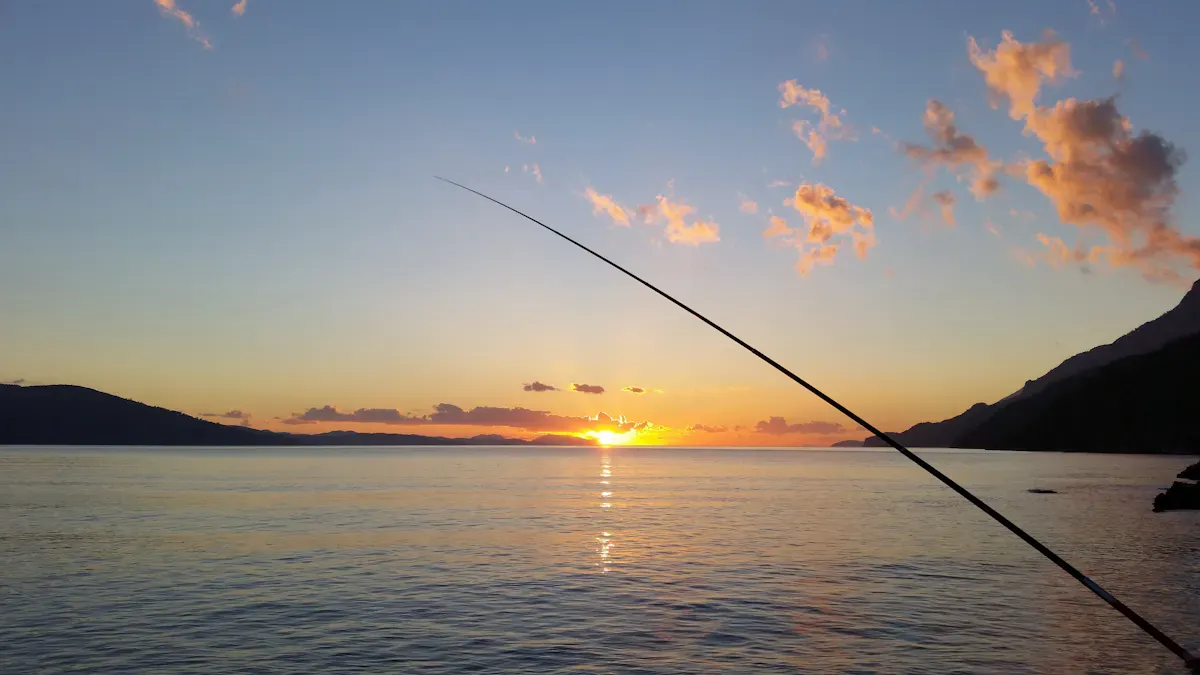
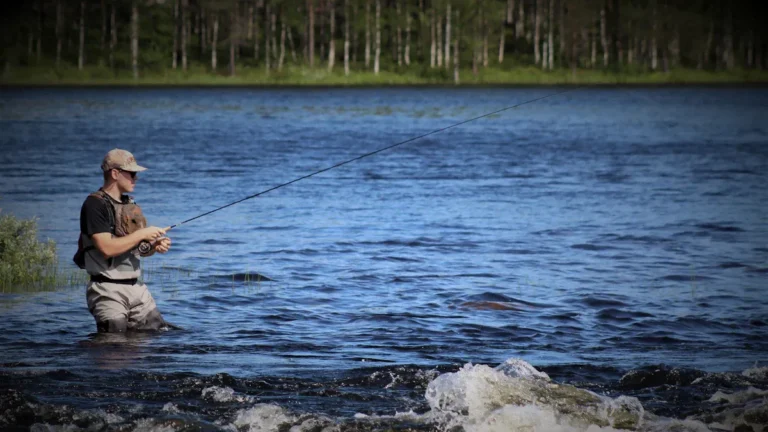
Fishing changes with the seasons, and that’s part of what makes it so exciting. When you adjust your techniques and gear to match the time of year, you increase your chances of catching more fish. Many anglers find they need to move around to follow fish and pay close attention to seasonal patterns. If you don’t, your fishing trips might feel frustrating or unproductive. This Lake Fishing Guide will help you understand why adapting your approach is key to success and how it can make your time on the water more rewarding.
Spring Techniques
Best Baits for Spring
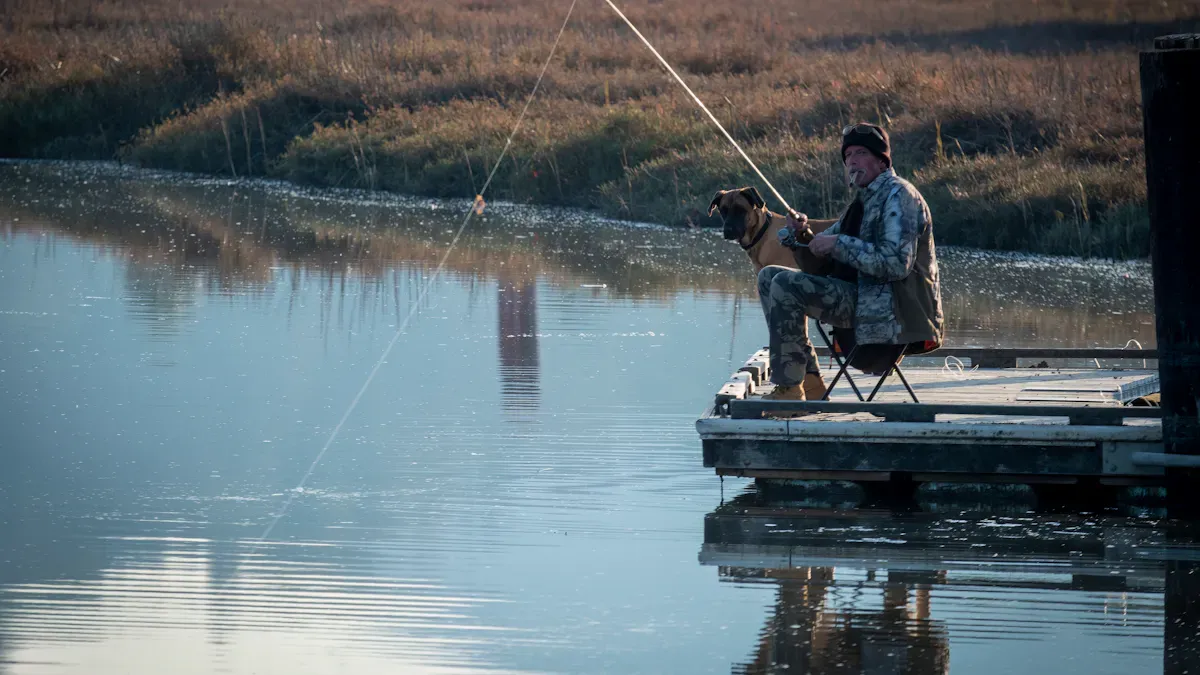
Spring is a great time to fish. Fish like bass and trout are very active now. As the water gets warmer, fish get hungrier. Here are some of the best baits to use this season:
| Bait Type | Description |
|---|---|
| Flatfish | These are shiny plugs that wobble and dive deep. They work well in silver or white colors. |
| Bucktail Jigs | These are big jigs for deep water. They work well when fish are slow. |
| Soft-Plastic Swimbaits | They move like real fish. You can troll, cast, or jig them. They attract big lake trout. |
Using these baits helps you find fish as they move into shallow waters.
Ideal Locations
Knowing where to fish in spring is just as important as the bait. In northern Minnesota, big lakes with rivers flowing into them are good spots. The Rainy River flows from Rainy Lake into Lake of the Woods. It is a key place for walleyes to spawn. In spring, walleyes swim far to reach these spots. This makes the Rainy River a great place for anglers to catch many walleyes.
To catch largemouth bass, look for shallow areas where they go to spawn. Use electronics or maps to find bass at the right depths. Here are some good techniques for catching bass in spring:
- Use drop-shotting or bottom bouncing with soft plastics.
- Fish with jerkbaits on colder days to catch less active bass.
- Change how you retrieve your jerkbait to see what bass like.
By changing your fishing methods and knowing the best spots, you can greatly improve your chances of a successful trip this spring.
Summer Fishing Tips
Top Water Strategies
Summer brings some of the best open-water fishing opportunities, especially with top water lures. You’ll find bass most active in the early morning, right after sunrise. This short window, about 20 to 30 minutes, is prime time because bass feed aggressively in low light. Using walking-style topwater lures like the Lucky Craft Sammy 105 works great on calm lakes. These lures create subtle water movement that draws bass in without spooking them.
If the water gets choppy, switch to louder lures like the Lucky Craft Gunfish 115 or Super Spook. They make more surface disturbance, which helps bass find your bait. Poppers also shine in early summer bass fishing, especially when water temperatures stay below 75°F. These lures mimic small shad and work best in clear water. Try the Lucky Craft G-Splash models for a natural look.
Propbaits come in handy when bass feed on bluegill fry. Lures like Brian’s Prop Bee 2 or the Lucky Craft Kelly-J in MS Black color can catch bass throughout the day in different water conditions. Remember to vary retrieves to see what the fish prefer. Sometimes a slow, steady walk works; other times, a quick twitch triggers strikes.
Post-spawn walleye fishing also benefits from topwater action early in the season. Knowing when and where to use these baits can boost your catch rate. Keep an eye on water temperature and weather patterns since fish move to cooler spots during hot summer days.
Night Fishing Tips
Night fishing opens up new chances to catch species like walleye and catfish. Fish tend to be more active after dark, and the reduced light lowers their guard. You can target specific spots where fish gather without spooking them.
Safety comes first when fishing at night. Always bring powerful lights to see your surroundings clearly. Never fish alone-having a buddy helps if something goes wrong. Wear a life jacket, especially if you’re on a boat. Carry a satellite phone or two-way radio and tell someone your plans before heading out. Stay alert to avoid accidents in the dark.
For gear, pick lightweight, breathable clothing with UPF sun protection for daytime and insect-repellent fabrics for evening. Quick-drying shorts or pants help you stay comfortable. Neutral colors blend with the environment, so fish don’t get scared off. Cooling fabrics and open-vented shirts keep you fresh during long summer nights.
Night fishing lets you use lures that work best in low light. Some lures glow or create vibrations that attract fish. This technique can improve your catch rate and make summer fishing more exciting.
By using these summer fishing techniques, you’ll enjoy more success and fun on the water all season long.
Fall Fishing Strategies
Understanding Fish Behavior
As fall comes, fish act differently. They move to deeper waters as it gets colder. Fish start to group together. This helps them eat better. Many fish, like bass and walleye, feed a lot to gain weight for winter. In low light, like early evening or night, they swim into shallower waters to hunt. Crappies also gather in deeper spots and become more active now.
To change your fishing methods, think about these tips:
- Fish like bigger food and slower lures in fall.
- Watch for baitfish moving and birds; this shows where fish are feeding.
- Pick lure colors that stand out in different water.
- Use fast movements to find fish quickly.
- Change your techniques, like flipping, pitching, and slow rolling, especially for bass.
- Pay attention to weather changes; check water temperature and clarity.
- Use electronics like sonar to help you catch more fish.
Best Lures for Autumn
For lures, choose ones that look like the food fish want. For trout, try these:
| Lure Type | Description |
|---|---|
| Spinnerbaits | These make vibrations and flash, attracting trout in muddy waters. |
| Jerkbaits | Use these with a stop-and-go motion; they look like hurt baitfish. |
| Crankbaits | These dive to different depths, making them good for many conditions. |
Also, try different colors. Bright colors work well in muddy water, while natural colors are better in clear water.
By knowing how fish behave and using the right lures, you can improve your fall walleye fishing. Remember, the key is to change your methods to fit the conditions and what the fish need.
Winter Fishing Techniques
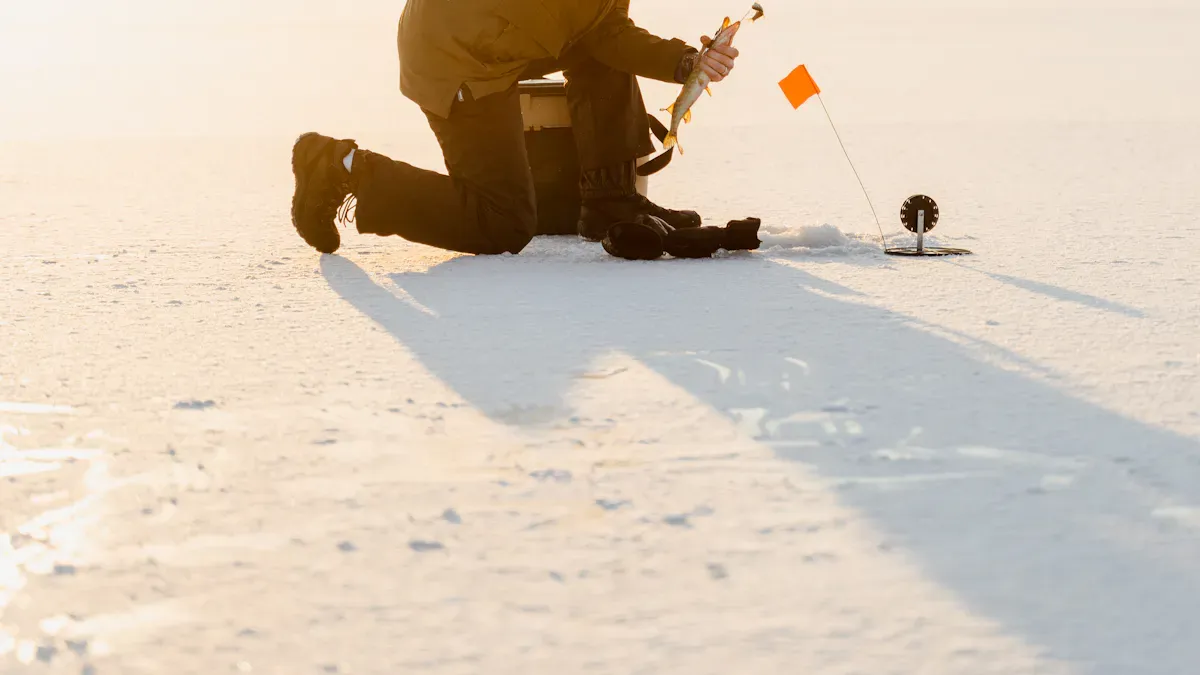
Ice Fishing Essentials
Ice fishing can be really fun, but safety is very important. Before you go out, make sure you have the right gear and follow these safety tips:
- Wear creepers to stop slipping on the ice.
- Bring two ice picks to help you if you fall in.
- Carry a buoyant seat cushion for comfort and floating.
- Keep your auger covered to avoid cuts from sharp blades.
- Use vegetable oil on gear to stop snow buildup and reduce injury risk.
For successful ice fishing, you need some key equipment. Here’s a quick list of what you need:
- Ice augers to cut holes in the ice
- Fishing rods and reels to catch fish
- Terminal tackle, like hooks and sinkers
- Ice sleds to carry gear
- Portable fish houses for shelter
- Fish finders to locate fish
- Safety gear, like ice claws and first aid kits
- Storage containers to organize equipment
Best Baits for Cold Water
When catching fish in cold water, picking the right baits is very important. Fish move slowly in winter, so you need to attract them with the right baits. Here are some good bait options:
| Bait Type | Description |
|---|---|
| Crankbaits | Work well when pulled quickly; great for covering water and getting lazy fish to bite. |
| Jigs | Best for catching big fish on hard surfaces; use simple trailers for less movement. |
| Spoons | Look like dying baitfish; work well in cold water. |
| Blade Baits | Similar to spoons; good for mimicking dying baitfish near the bottom. |
Also, think about using smaller baits like wax worms and soft plastics. These smaller baits work well since fish won’t waste energy chasing big meals. Remember, a slower presentation keeps your baits in good spots longer, which helps you catch more fish.
By following these winter fishing techniques, you’ll be ready for a successful day on the ice. Stay safe, and enjoy the excitement of catching fish in winter!
Here’s a quick look at important fishing methods for each season. This will help you catch more fish:
| Season | Key Techniques | Best Locations | Effective Baits |
|---|---|---|---|
| Winter | Use slow movements, fish deep | Deep, steady waters | Jigs, spoons, drop-shot rigs |
| General | Check water temperature, change gear | Depends on the area | Natural colors, small baits |
Try different baits and methods to see what works best for the fish you want. Pay attention to water temperature and how local fish act. Don’t be afraid to try new things if the fish aren’t biting.
Join online fishing groups to share your experiences and learn from others. Your advice might help someone else catch their next big fish!
Happy fishing, and enjoy every season on the water!
FAQ
What is the best time of day to fish?
The best time to fish is early morning or late evening. Fish are more active during these hours, especially in warmer months. Low light conditions help you catch more fish.
How do I choose the right fishing gear?
Select gear based on the type of fish you want to catch. Consider the species, water conditions, and your fishing style. A good rod and reel combo can make a big difference.
What should I do if I’m not catching any fish?
If you’re not catching fish, try changing your bait or location. Experiment with different techniques and pay attention to water temperature. Fish behavior can change, so adapt your approach.
Is it necessary to use a fishing license?
Yes, most states require a fishing license. It helps support conservation efforts and ensures sustainable fishing practices. Check local regulations before heading out to fish.
How can I stay safe while fishing?
Always wear a life jacket when on a boat. Bring safety gear like a first aid kit and a whistle. Stay aware of your surroundings and check weather conditions before you go.