Book Appointment Now

River Fishing Tips: How to Find and Catch More Fish Easily
ByIMRAN
Imagine standing by a flowing river, rod in hand, waiting for that thrilling tug on your line. River fishing offers excitement, but it can also be tricky. You might struggle with finding the right spots or figuring out what bait to use. To boost your success, you need to understand the river environment. Knowing how different factors affect fish behavior can significantly impact your catch rates. In fact, when you grasp the nuances of these environments, you’re more likely to enjoy fruitful fishing trips. So, let’s dive into some river fishing tips that will help you catch more fish easily!
River Environments
Ideal Fishing Spots
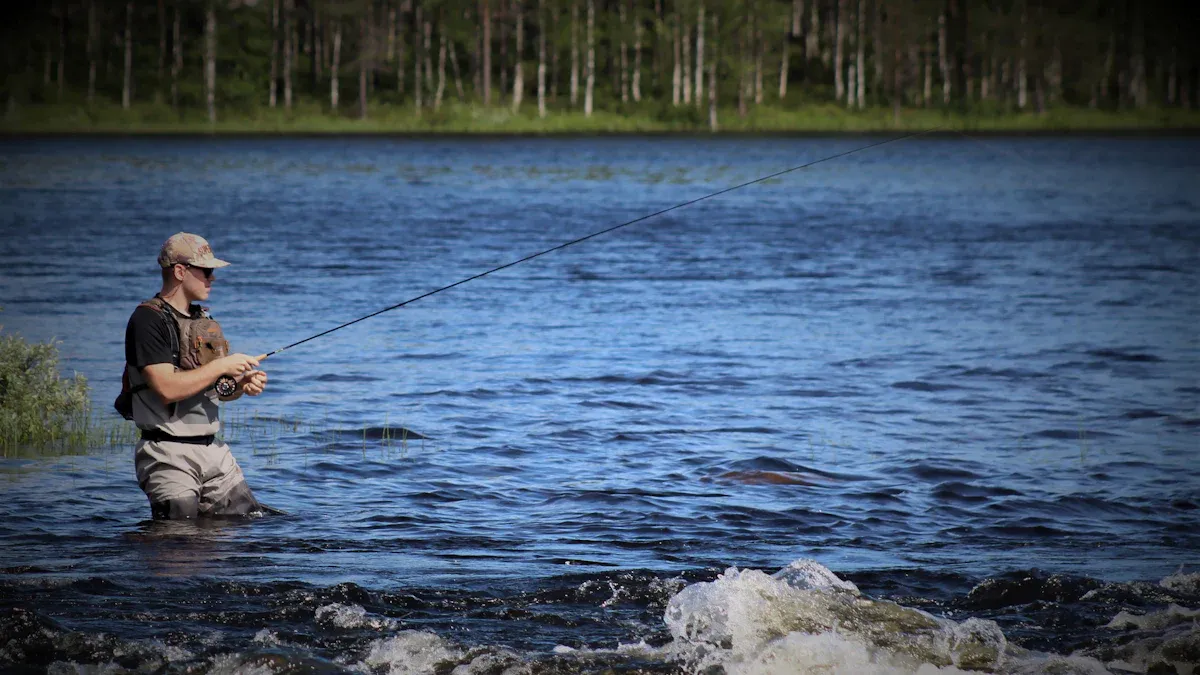
When you go river fishing, knowing where to cast your line is very important. Look for ideal spots that attract fish. Here are some key features to think about:
- Calm Areas: Fish like calm areas or eddies. These spots help fish rest and feed away from the current.
- Drop-offs: Watch for drop-offs where the riverbed gets deeper. Fish enjoy these places because they can hide from predators and wait for food.
- Merging Currents: Find spots where two currents meet. These merging currents create movement that brings food, attracting fish that want to eat.
It’s important to know how water temperature and flow rate affect fish behavior. Warmer water usually makes fish more active. Colder water can slow them down. So, you might find fish in different places depending on the season. For example, in warmer months, fish are often in shallower waters where they can feed more.
Structures to Look For
Structures in the river are very important for where fish are found. Both natural and man-made structures create homes that attract fish. Here’s what to watch for:
- Natural Structures: Look for submerged logs, rocks, and undercut banks. These features give fish places to hide and find food. They also help increase fish variety.
- Artificial Structures: Man-made things like brush piles or rock formations can act like natural homes. These structures provide shelter and safety for fish, making them good fishing spots.
| Type of Structure | Characteristics | Benefits |
|---|---|---|
| Natural Structures | Native plants, brush, rocks, deadfalls | Provide spawning, feeding, and protection areas |
| Artificial Structures | Made from plastics, PVC pipes, cement blocks | Mimic natural habitats, offer complexity and refuge for fish |
By focusing on these structures, you can greatly improve your chances of a successful fishing trip. Remember, having different materials and shapes in both natural and artificial habitats is key for attracting fish. They meet various fish needs, like feeding and safety, which helps keep fish populations healthy.
Keep these tips in mind as you explore the river. Finding the right spots and understanding the structures will help you catch more fish and enjoy your time on the water!
Gear for River Fishing
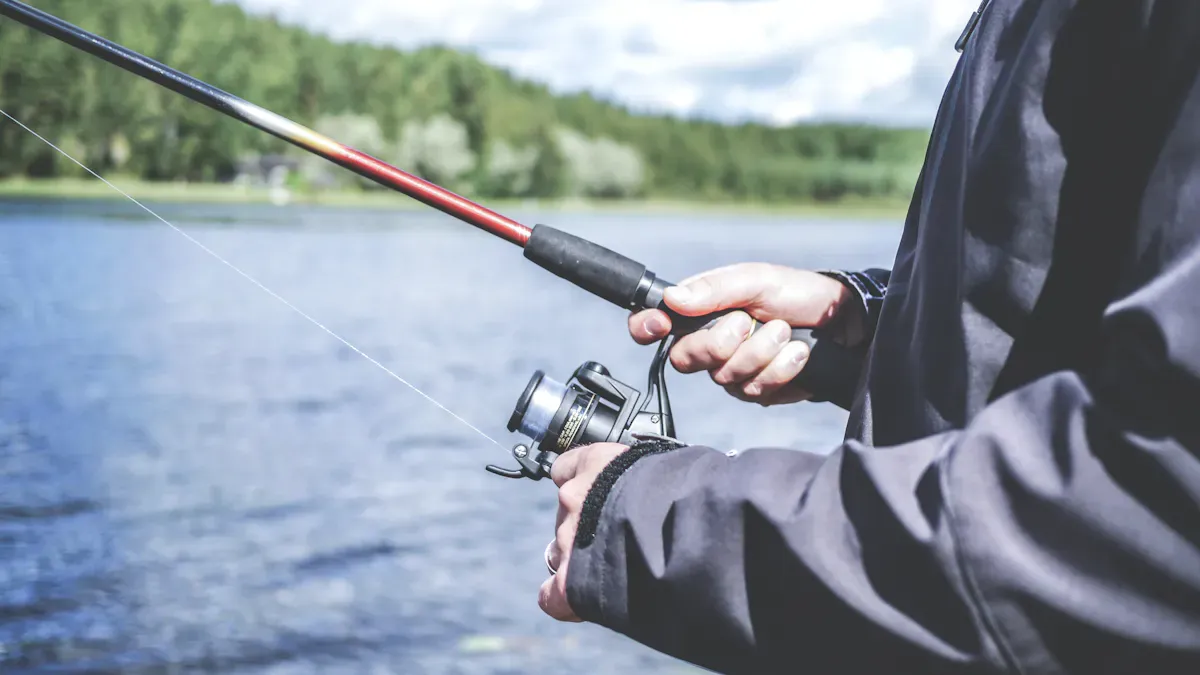
When you go river fishing, having the right gear is very important. Your equipment should match the kind of fishing you want to do. Here are some key items to think about:
Rods and Reels
Picking the right rod and reel is key for success. Here are some tips to help you choose the best ones:
- Rod Length: Longer rods (8 feet or more) can cast farther. This helps you reach tough spots.
- Reel Type: Baitcasting reels give you better control and accuracy. They work well in windy weather and help you present bait better.
| Factor | Effect on Casting Distance and Accuracy |
|---|---|
| Rod Length | Longer rods can cast farther because of more leverage. |
| Reel Type | Baitcasting reels offer better control than spinning reels. |
Bait and Tackle
Choosing the right baits and tackle is just as important as your rod and reel. Here are some popular choices for common river fish:
- Bass: Use live minnows, crayfish, soft plastic worms, or lipless crankbaits.
- Trout: Worms, larvae, fly lures, dough baits, and spinners work well.
- Panfish: Small worms and minnows are great, along with simple jigs.
Seasonal changes can change fish behavior and bait effectiveness. For example, in spring, warmer temperatures make fish more active. Live bait like minnows can be very effective then. In summer, fish look for cooler waters. Topwater lures work well in the early morning or late evening.
When fishing in rivers, think about the water conditions. In clear water, use natural colors that look like local food. In murky water, bright lures or noisy baits can attract fish.
Remember, having the right river fishing gear makes your experience better. It also increases your chances of catching that big fish!
Fishing Techniques
When you go river fishing, learning different techniques can help you catch more fish. Each method has its own benefits and works well in certain situations. Let’s look at three popular river fishing techniques: bottom bouncing, upstream casting, and river jigging.
Bottom Bouncing
Bottom bouncing is a great way to catch fish that stay near the riverbed. This method uses a weight to keep your bait close to the bottom while you float with the current. Here’s how to do it right:
- Choose the Right Weight: Pick a weight that keeps your bait near the bottom without getting stuck. A 1/4-ounce jig usually works well.
- Select Your Bait: Live bait like worms or minnows works great. You can also use lures that look like natural food.
- Fish in Deeper Water: Look for deeper spots where fish like steelhead, salmon, and trout often hide. These fish feel safer in deeper waters, especially in fast currents.
| Fish Species | Technique Used |
|---|---|
| Steelhead | Bottom Bouncing |
| Salmon | Bottom Bouncing |
| Trout | Bottom Bouncing |
Using this technique helps you catch fish that are hiding from predators. Remember to change your retrieve speed based on the current and how active the fish are.
Upstream Casting
Upstream casting is another good river fishing technique. This method lets your lure drift naturally with the current, just like real baitfish. Here’s how to use this technique well:
- Cast Upstream: Aim your cast upstream and let your lure float down. This looks like how fish find food in nature.
- Keep Your Rod Low: Finish your cast with the rod tip low or parallel to the water. This helps keep a natural drift.
- Engage Quickly: As your lure floats back, quickly engage your stripping hand to keep tension on the line.
This technique works best when you fish in the near half of the river. By casting upstream, you can attract more fish because they are likely to strike at something that looks like an easy meal.
River Jigging
River jigging is a flexible technique that can be very effective for catching certain fish species. Jigs look like injured baitfish, which triggers predatory instincts in fish like bass, trout, and walleye. Here’s how to jig effectively:
- Choose the Right Jig: A 1/4-ounce jig usually works well, especially in deeper waters. Color matters too; chartreuse and orange are good choices in different conditions.
- Vary Your Retrieve: Try different jigging techniques. You can jig straight up and down or use a slow, steady retrieve to mimic struggling prey.
- Target Structures: Focus on areas with cover, like submerged logs or rocks. Fish often hide in these spots, waiting for a chance to strike.
| Technique | Best For | Conditions |
|---|---|---|
| Jigging | Targeting fish tight to structure | When fish are inactive or lethargic |
| Trolling | Covering large areas | Actively roaming fish |
Jigging allows for precise presentations, making it easier to catch fish that are less active. Change your jig weight and color based on the water conditions to improve your success.
By using these river fishing techniques on your trips, you’ll have a better chance of catching more fish. Whether you’re bottom bouncing, casting upstream, or jigging, each method has unique benefits that can help you become a great angler.
Seasonal Fishing Tips
Fishing in rivers changes with the seasons. Each season has its own challenges and chances. Here’s how to change your plans for each time of year.
Spring Strategies
Spring is a fun time for river fishing. As the water warms, fish get more active. Here are some good strategies:
- Target Shallow Waters: Fish go to warmer, shallow areas to spawn. Look for spots with sunlight and plants.
- Use Specific Baits: Try egg beads or spawn for steelhead. Nymphing with a light leader can also work well.
- Observe Fish Behavior: Watch for fish rising to the surface. They often feed a lot during this time.
In spring, fish want to eat, so take advantage of their energy!
Summer Techniques
Summer heat can make fishing harder. Fish often look for cooler, deeper waters. Here’s how to adjust:
- Fish Early or Late: Focus on early mornings or late evenings when it’s cooler.
- Target Deeper Areas: Look for fish in deeper, oxygen-rich waters. Use bigger lures like crankbaits to attract them.
- Seek Shade: Fish near trees, docks, or lily pads where they can cool off.
During summer, fish can be pickier, so change your tactics.
Fall and Winter Tips
As temperatures drop, fish behavior changes again. Here’s how to keep catching fish:
- Monitor Water Temperature: Fish are most active between 50°F and 70°F. Pay attention to these changes.
- Use Lighter Colors: Try different lure colors based on how clear the water is. Lighter colors work well in murky water.
- Focus on Backwaters: In winter, fish often go to deeper waters. Target backwaters and areas with structure for better chances.
In colder months, fish slow down, so patience and precision are important.
By changing your techniques with the seasons, you can catch more fish in river fishing. Remember, knowing fish behavior is key for catching more game fish all year long!
In short, knowing about river environments, picking the right gear, and using good techniques can make your fishing better. Here are the main points:
- Know Your Spots: Find calm areas, structures, and where currents meet.
- Choose the Right Gear: Pick your rod, reel, and bait for the fish you want.
- Use Effective Techniques: Try bottom bouncing, upstream casting, or jigging depending on the conditions.
So, when you go to the river next time, keep these tips in mind. They can help you catch more fish and have fun on the water! 🎣
FAQ
What is the best time for river fishing?
The best time to fish in rivers is early morning or late evening. Fish are more active when it’s cooler. You can also fish on cloudy days. Fish feel safer to swim around then.
How do I choose the right bait?
Choosing the right bait depends on the type of fish you want to catch. For example, use worms for trout and minnows for bass. Try different baits to find out what works best where you fish.
Can I use fly fishing techniques in rivers?
Yes! Fly fishing is great in rivers, especially where there are lots of insects. Use dry flies or nymphs to look like local bugs and attract fish.
What should I wear while river fishing?
Wear comfortable clothes that fit the weather. Waterproof boots are a must for wading. Don’t forget a hat and sunglasses to protect yourself from the sun. Layer your clothes to adjust to changing temperatures.
How can I improve my casting technique?
To get better at casting, practice often. Focus on how you move your wrist and aim for a smooth, controlled cast. Watching videos can also help you learn new ways to cast.