Book Appointment Now

How to Catch Bigger Fish: Proven Tips That Actually Work
ByIMRAN
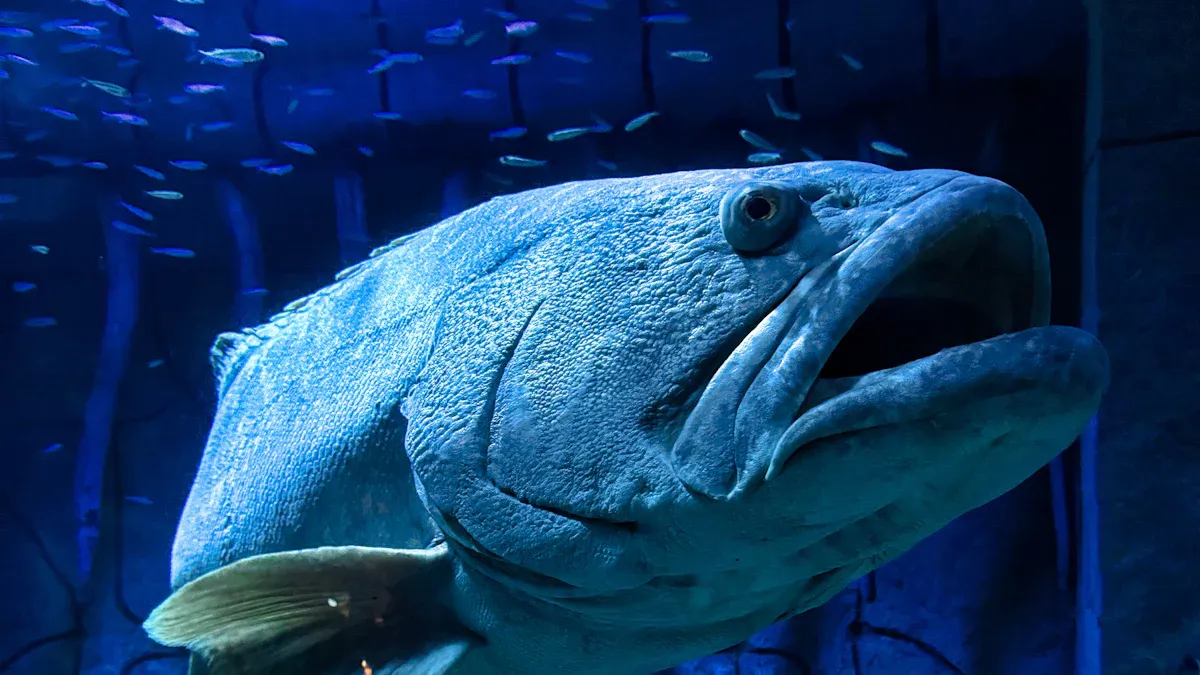
Fishing to catch bigger fish is super exciting. Just think about the rush when you feel a strong pull on your line! Trying to catch larger fish can make any trip special. To really do well and catch bigger fish, you must use the right methods, pick good bait, and buy quality equipment. By doing the right things at the right times, you’ll have a better chance of catching those big fish.
Choosing Bait to Catch Bigger Fish
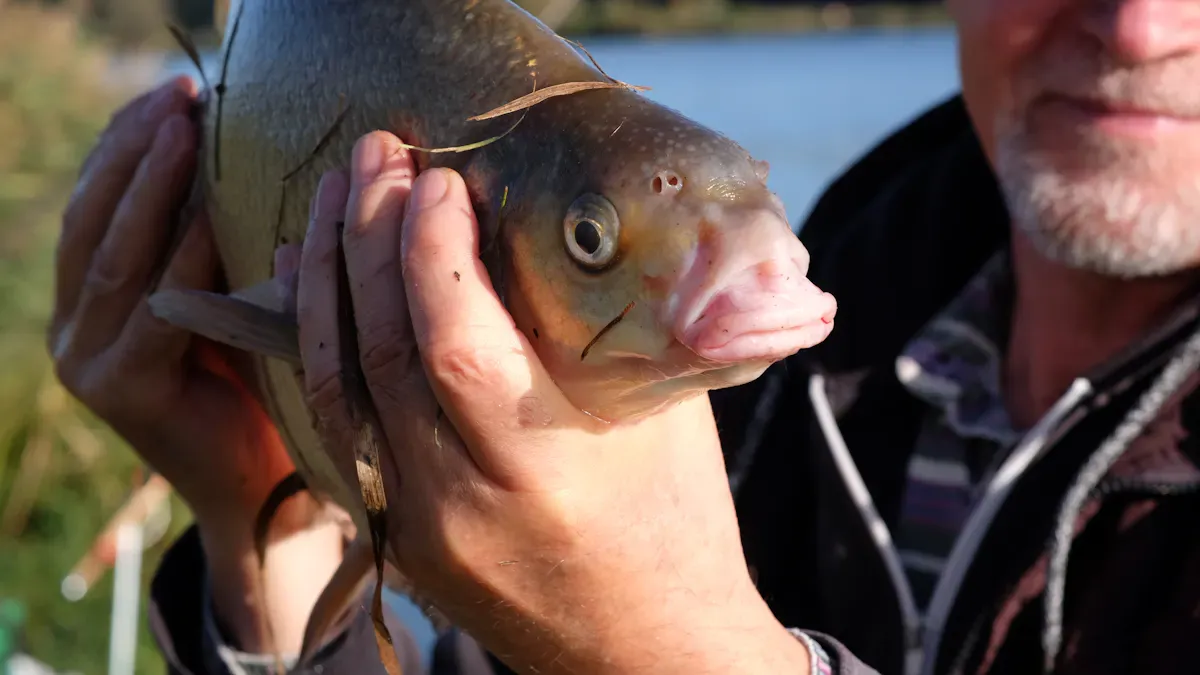
When you want to catch bigger fish, choosing the right bait plays a huge role. Bigger fish often go after larger prey, so the size and type of bait you use can make all the difference. Using bait that matches what fish naturally eat in the water you’re fishing is a smart move. This idea, called “matching the hatch,” means picking bait that looks and moves like the local food fish or insects. But remember, matching the hatch isn’t the only trick. How your bait moves, its color, and even how it flashes in the water can attract big fish just as well or better.
Live Bait vs. Lures
Benefits of Live Bait
Live bait has a special advantage when you want to catch bigger fish. It moves naturally, smells real, and can trigger a strong feeding response. Many fishing guides recommend live bait if your goal is to land trophy-sized fish like redfish, sharks, or walleye. While artificial lures might catch more fish overall, live bait often attracts the larger ones. Different fish species prefer different baits, but if you want to catch bigger fish, live bait usually gives you a better shot.
Tip: Use live bait like minnows, worms, or crawfish to tempt those big fish hiding near the bottom or in cover.
Effective Lure Types
Artificial lures have come a long way and can be very effective, especially for species like bass and walleye. Some lure types stand out for catching big fish because of their size, movement, and ability to create water vibrations that attract attention. Here are some of the best lure types to try:
- Topwaters: These lures float and create splashes that excite big fish near the surface.
- Glidebaits: Their smooth, side-to-side swimming action draws fish from a distance.
- Wakebaits: They create a wake on the water surface, mimicking injured prey.
- Spinnerbaits: The spinning blades flash and vibrate, triggering strikes.
- Vibrating jigs: These lures shake and move in a way that imitates struggling baitfish.
Big fish often respond to lures with larger profiles and strong water displacement. Adding contrasting colors or flash patterns can also help trigger their predatory instincts, sometimes even more than perfectly matching the hatch.
Best Bait for Big Fish Species
Bass and Swimbaits
Bass love swimbaits because they look like real fish swimming through the water. Swimbaits come in many sizes and colors, so you can pick one that matches the local baitfish. For catching bass over 5 pounds, some popular choices include:
- Whopper Plopper: Great for summer fishing near bluegill beds.
- Glide Bait: Works well around cover without spooking fish.
- Swimbait: Perfect for open water and catching both numbers and size.
- Wacky Rig: A finesse option for shallow water.
- Choppo: Covers large areas and attracts aggressive bites.
Using these lures with the right size and color can help you catch bigger bass more often.
Catfish and Crawfish Imitations
Catfish often feed on crawfish, so using crawfish imitations can be very effective. Live crawfish or soft plastic versions work well near rocky bottoms, logs, or other cover where catfish hide. Catfish rely heavily on their sense of smell, so adding scent attractants to your bait can increase your chances of hooking a big one.
Note: When targeting catfish, bigger bait usually means bigger fish. Don’t be afraid to use larger crawfish or cut bait pieces to tempt those giants.
By choosing the right bait size and type, and understanding what the fish are feeding on, you improve your chances to catch bigger fish. Remember, it’s not just about what looks real but also how the bait moves and stands out in the water. Experiment with live bait and lures, and pay attention to what works best in your fishing spot.
Understanding Fish Behavior for Catching More Big Fish
To catch bigger fish, you must know how they act. Fish don’t swim around without purpose; they follow patterns based on the seasons and what they eat. By watching these patterns, you can catch more big fish.
Seasonal Patterns
Fish behavior changes with the seasons. Each season brings different water temperatures and conditions that affect how fish feed and move. Here’s a quick look at how seasonal changes impact fish behavior:
| Season | Water Temperature & Conditions | Feeding Behavior & Patterns | Metabolic & Movement Changes |
|---|---|---|---|
| Spring | Warmer water, rising temperatures | Short, aggressive feeding times, especially midday; fish move shallow when it warms up | Metabolism speeds up after winter, increasing appetite and movement |
| Summer | High temperatures, heat stress | Feeding mainly early morning and late evening; fish go to deep/shaded areas; less feeding at midday | Fish deal with heat stress, limiting feeding time and place |
| Fall | Cooling water, better oxygen | Long, aggressive feeding times; heavy feeding to store energy for winter | Better digestion and appetite |
| Winter | Cold water, slow digestion | Short, precise feeding times during brief warm spells; selective feeding | Slower metabolism, saving energy, less frequent feeding |
In spring and summer, fish become more active as the water warms. They often feed aggressively, especially during midday when temperatures rise. In summer, fish usually go to deeper waters during the hottest part of the day, feeding more in the cooler early morning and late evening. In fall, fish eat a lot to prepare for winter, while winter slows them down. Fish become picky and feed less often, so you need to be patient and smart.
Feeding Habits
Knowing when and how fish eat is key to catching more big fish. Fish have specific feeding habits based on the time of day and other factors.
Time of Day Considerations
Fish are often more active at certain times of the day. Early mornings and late afternoons are the best times for fishing. During these hours, fish are more likely to be near the surface, looking for food.
Tip: Plan your fishing trips around these peak feeding times to increase your chances of success.
Environmental Factors
Water temperature and oxygen levels are very important for fish activity. Research shows that big fish, like the common coral trout, change their behavior based on temperature. For example, during hot summer months, fish may eat less when water temperatures go above 30°C. This means that as temperatures rise, fish might be less active, making it harder for you to catch them.
Also, oxygen levels drop at higher temperatures, which can lead fish to save energy. This means they swim and forage less, affecting their overall health and performance.
By watching these environmental factors, you can change your fishing strategies. Look for cooler, oxygen-rich spots where fish might gather, especially on hot summer days.
Observational Techniques
To catch bigger fish, you should also improve your observation skills. Here are some techniques to help you spot fish behavior patterns:
- Spend time watching fish from a distance so you don’t scare them.
- Look for specific paths where fish are likely to swim.
- Know the resting and feeding areas based on the time of day and water conditions.
- Pay attention to fish body language to understand their behavior.
By combining your knowledge of seasonal patterns and feeding habits with careful observation, you can greatly improve your chances of catching bigger fish.
Best Places for Big Fish
Freshwater vs. Saltwater
Where you fish is very important if you want to catch bigger fish. Freshwater and saltwater areas have different challenges and rewards. Knowing the best spots can help you catch a trophy fish.
Best Freshwater Spots
Here are some great freshwater places known for big fish:
- Amazon River, Brazil – This river has many types of fish, like the huge Tambaqui and Arapaima. It’s a dream place for anglers looking for giants.
- Chalk Streams, England – These cool, clear waters attract many fish, making it a good spot for steady fishing.
- South Platte River, Colorado, USA – Known for its many trout, you can find thousands of fish here.
- Frying Pan River, Colorado, USA – This river often has trout over ten pounds, perfect for anglers wanting size.
- Lake Okeechobee, Florida, USA – A top freshwater fishing spot with many big fish species.
- Lake Jindabyne, Australia – Offers great trout fishing with chances for large catches.
- Breede River, South Africa – A beautiful natural place with lots of fish.
- Pantabangan Lake, Philippines – A scenic lake popular with sport fishing fans.
These places are known for producing big fish. If you want to catch bigger fish, think about visiting one of these waters.
Top Saltwater Locations
Saltwater fishing also gives you great chances to catch big fish. Coastal reefs, deep-sea areas, and estuaries attract large predators like tuna, marlin, and grouper. While the list above is about freshwater, remember that saltwater spots often need different gear and techniques but can give you huge catches.
Structure and Cover
Big fish like places that offer shelter and food. Underwater structures create perfect homes and hunting spots for them. Knowing where to find these areas can help you catch bigger fish more often.
Importance of Underwater Structures
| Benefit | Description |
|---|---|
| Habitat | Structures provide homes for fish, attracting larger predators. |
| Shelter | They protect fish from predators and tough conditions. |
| Feeding Opportunities | Structures create ambush points and gather food for big fish. |
These features make underwater structures hotspots for big fish. You’ll see that fish gather around these areas because they offer safety and lots of food.
Types of Cover to Look For
- Fallen Trees (Laydowns): Great for bass fishing all year. Fish hide and hunt near these natural shelters.
- Underwater Humps: These raised areas on the lake or river bottom attract fish by gathering food and offering shelter.
- Rocky Ledges and Drop-offs: Big fish often patrol these edges, waiting to ambush prey.
- Submerged Logs and Brush Piles: These provide cover and attract smaller fish, which in turn draw in bigger predators.
Tip: When you see these structures, cast your bait nearby. Big fish often hide just out of sight, ready to strike.
By focusing on the right locations and understanding the value of underwater structures, you can catch bigger fish. Whether you choose freshwater or saltwater, look for spots with natural cover and food sources. These places hold the key to finding and landing those trophy-sized fish you dream about.
Gear for Catching Bigger Fish
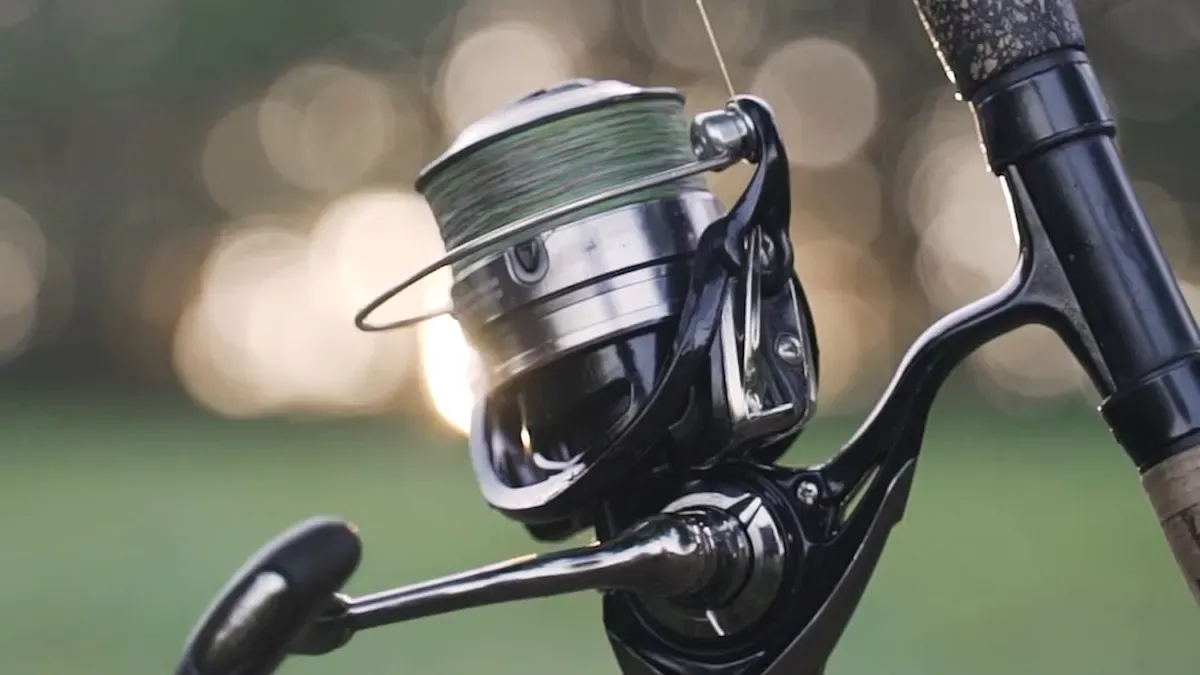
To catch bigger fish, you need the right gear. Your rod, reel, line, and tackle are very important for your success. Let’s look at what you need to know to get ready.
Rod and Reel Selection
Picking the right rod and reel can change your fishing experience. You want a setup that can handle larger fish.
Best Rod Types for Big Fish
Different rods work for different fishing styles and fish types. Here’s a quick guide to help you choose:
| Rod Power | Description | Impact on Landing Larger Fish |
|---|---|---|
| Ultra-Light to Heavy | Shows how much weight the rod can hold without breaking. | Heavier rods help set hooks and manage larger fish. |
| Fast Action | Bends mostly at the tip, giving quick responses. | Great for quick hooksets, improving control during fights. |
| Slow Action | Bends along the whole rod, offering more flexibility. | Lets fish fully take the bait, lowering chances of losing them. |
Reel Features to Consider
Your reel should match your rod and the fish you want to catch. Look for features that improve your fishing experience:
- Drag System: A strong drag system helps control the fight and tire out the fish.
- Line Capacity: Make sure your reel can hold enough line for big fish that run far.
- Corrosion Resistance: If fishing in saltwater, pick a reel that can handle tough conditions.
For fish over 10 pounds, consider these recommended rod and reel combos:
| Reel Size | Best Rod Type | Target Species | Line Ratings | Advantages |
|---|---|---|---|---|
| 400 | Extra-heavy power rods (7.5+ feet) | Musky, large catfish, big stripers | 20lb+ test (mono/fluoro), 50-80lb test (braid) | Maximum power, better line capacity, strongest drag systems |
| 3000-5000 | Medium-heavy to heavy power rods (6.5-7.5 feet) | Larger bass, pike, catfish, snook, redfish | 10-20lb test (mono/fluoro), 20-40lb test (braid) | Stronger drag systems, more line capacity for larger species |
| 4000-6000+ | Heavy power rods (7-9 feet) | Striped bass, cobia, small tuna, nearshore reef fish | 15-30lb test (mono/fluoro), 30-65lb test (braid) | Maximum drag power, corrosion resistance, extended line capacity |
Line and Tackle
Your fishing line and tackle are just as important as your rod and reel. They must be strong enough for big fish.
Choosing the Right Line Strength
Using the right line strength is very important. A thicker line can handle the struggle of larger fish. Here are some tips:
- For larger fish, use a thicker fishing line.
- Choose a bigger hook and a stronger lure.
Anglers going after larger fish, especially in saltwater, should use stronger lines to avoid breakage during the fight.
Essential Tackle for Big Fish
Having the right tackle setup can greatly improve your chances of catching trophy-sized fish. Here’s what you need:
| Key Factor | Importance |
|---|---|
| High-Quality Rod | Important for feeling subtle bites; should be sensitive, strong, and well-balanced. |
| Strong Fishing Line | Necessary for handling powerful runs of trophy fish; lowers risk of breakage. |
| Professional-Grade Gear | Needed for success in trophy fishing; boosts chances of landing large fish. |
By investing in good gear and knowing how to use it, you’ll be ready for success on your next fishing trip. Remember, the right equipment can make a big difference when trying to catch those bigger fish!
Techniques for Landing Big Fish
Effective Casting Techniques
When you want to catch bigger fish, how you cast can make a big difference. Pro anglers use special casting methods to get their bait or lure right where the big fish hide. Here are three popular techniques that can improve your chances:
Tight-Squeeze Cast
This cast helps you place your lure into tight spots near rocks, docks, or roots where big fish often lurk. You’ll want to keep your lure low and control the distance carefully. Using a side-arm cast can help keep the lure quiet and avoid spooking fish. Adjusting for wind and drift is key here, so your bait lands just where you want it.
Infiltrator Cast
This technique is all about stealth. You cast gently to land your lure with little splash near fish that are resting or not moving much. Then, you slowly guide the lure into the strike zone, making it look like a fleeing prey. This subtle approach can tempt cautious big fish to bite.
“Highly effective anglers always fish the near water. And short casts, by virtue of their lack of distance, do just that.”
Spinnaker Cast
The spinnaker cast uses the wind to your advantage. By letting the wind push your lure sideways across a fish’s path, you create a natural, sneaky presentation. This method works well for fish that get scared easily. Just remember to quickly take up slack line before setting the hook to avoid missed strikes.
“The longer the line, the harder it will be to set the hook.”
Fighting and Landing Techniques
Landing a big fish is exciting but challenging. How you fight the fish can save your line and help you bring it in safely.
Steady Pressure Techniques
Try to fight the fish mostly sideways, keeping it in the water and reducing jumps. Avoid pushing your rod straight up (called high sticking), which can break your line. Use side pressure to guide the fish and keep control. If you plan to fight big fish often, consider using rod belts or harnesses. These tools spread the strain across your body, letting you stay strong longer.
- Fight fish horizontally to reduce stress on your gear.
- Avoid high sticking to prevent line failure.
- Use side pressure to keep the fish under control.
- Use rod belts or harnesses for better leverage and less fatigue.
Common Mistakes to Avoid
Many anglers lose big fish because they try to set the hook too hard or fight the fish with poor technique. Setting the hook from too far away makes it harder to connect. Shorter casts give you better control and a higher chance to catch your prize. Also, don’t rush the fight. Let the fish tire itself out while you keep steady pressure.
By using these casting and fighting techniques, you’ll improve your big-fish strategy and increase your chances to catch those trophy-sized fish you dream about.
Catching bigger fish takes skill and knowledge. Remember these key tips:
- Choose the right bait, whether live or lures.
- Understand fish behavior and seasonal patterns.
- Find optimal locations with good structure and cover.
- Use the right gear and techniques for landing big fish.
Now, it’s your turn! Apply these techniques on your next fishing adventure. You might just reel in that trophy fish you’ve been dreaming about!