Book Appointment Now

Fishing Observation : Read Water Like an Expert

Read water like a pro and spot productive fish lanes fast. Scan high and low points for color shifts, foam lines, ripples, boils, and bird activity to locate bait and ambush spots. Factor wind, tide, sun angle, and clarity to choose lure size, color, and depth. Move quietly, cast ahead of seams and eddies, stay patient, check gear and temperature, and adjust based on fish behavior.
Identify Your Water Type: River, Lake, or Shoreline
Start close to looking at where the water moves and how you can stand safely to watch it, because rivers, lakes, and shorelines all demand different eyes and steps.
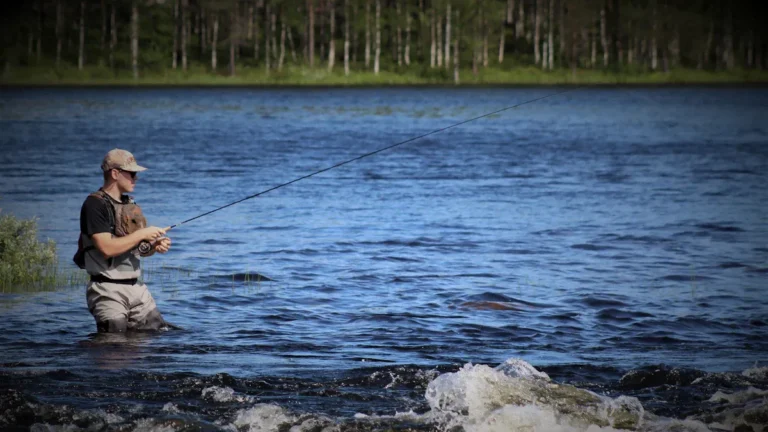
You’ll watch current seams on rivers, noting eddies and tidelines where fish hold. On lakes you’ll scan for calm pockets, ripples, and docks that light or shade water. Along shorelines you’ll learn to read shoreline vegetation and subtle estuary shifts that mark food and cover.
Move slowly, pick high vantage points like docks or bridges whenever safe, and shift viewpoint from afar to close. You’ll learn to spot nervous ripples, boils, and still pools.
This shared practice makes you part of a patient, observant group that cherishes the water.
Quick 3‑Step Observation Routine
Start checking current speed so you know where fish are holding and how your presentation will behave.
Then scan the surface for ripples, nervous patches, and subtle breaks that point to baitfish or feeding activity.
Together these quick checks set you up to pick the right spot and approach with quiet confidence.
Current Speed Check
Check the current speed and you’ll gain a clear image of where fish are holding and how you should present your bait. You’ll learn to read flow tempo against watching leaves, foam, or a paddle stroke from a passing kayaker. Move calmly, feel the water, and trust what you see.
- Slow seams hold fish that want less effort to feed; cast upstream gently and let bait drift naturally.
- Moderate runs push bait into pockets and behind rocks; match your retrieve to the pace and keep contact.
- Fast rips strip bait quickly; use heavier weight and short controlled retrieves to stay connected.
You belong here. Practice this simple routine and you’ll build confident, consistent reads on any stream or river.
Surface Disturbances Scan
You’ve been reading the current and feeling how water moves, so now look up and scan the surface for clues that show where fish are feeding and where you should cast. Stand with friends who fish the same water; you belong here.
Step one spot subtle ripples, nervous rippling water, and blotches that mark bait schools.
Step two notice tidelines, boils, and small breaks that hint at submerged structure or thermal upwellings bringing prey up.
Step three watch for silhouettes at dusk, including nocturnal silhouettes near lights or docks that signal feeding predators.
Move quietly, share observations, and point out promising casts. Practice this quick routine often and you’ll read surface cues faster, feel more confident, and fish with trusted companions.
Read the Water: Currents and Flow Where Bait Gathers
As you watch a stream or river, pay close attention to how the water moves because currents and flow tell you exactly where bait will gather and where fish are waiting nearby. You’ll learn to read current shear and spot bait funnels where minnows and insects pile up. Watch faster ribbons feeding into slow water, and notice the lay of the channel. That pattern shows where predators wait.
- Look for converging flows that make bait funnels near rocks and submerged points
- Scan for changes in speed that create current shear at depth and surface
- Mark quiet pockets behind structure where slowed water concentrates prey
These signs connect. Whenever you see one, check nearby seams and downstream targets. You’ll feel part of the river’s rhythm.
Find Seams and Eddies That Hold Fish
You’ll learn to spot seams through watching where fast water meets slow water, because those lines concentrate bait and make ambush points for predators.
Look for eddies and current breaks behind rocks, logs, or along bank irregularities where fish hold facing the flow.
With practice you’ll read subtle surface clues like ripples and boils to pick exact cast spots that beat blind fishing.
Seam Identification Techniques
Seams and eddies are like invisible highways where fish wait for food, and spotting them will make your time on the water feel a lot less guesswork and a lot more success. You’ll learn to read underwater seams through watching surface clues, changes in flow, and how light reveals subtle depth shifts. Pay attention to seam hydrodynamics as currents meet, peel off, or slip around structure. You belong here; take your time and trust your eyes.
- Look for color change where fast water meets slow water
- Watch for small boils, ripples, and calm pockets behind rocks
- Observe lines of foam, debris, or different texture on the surface
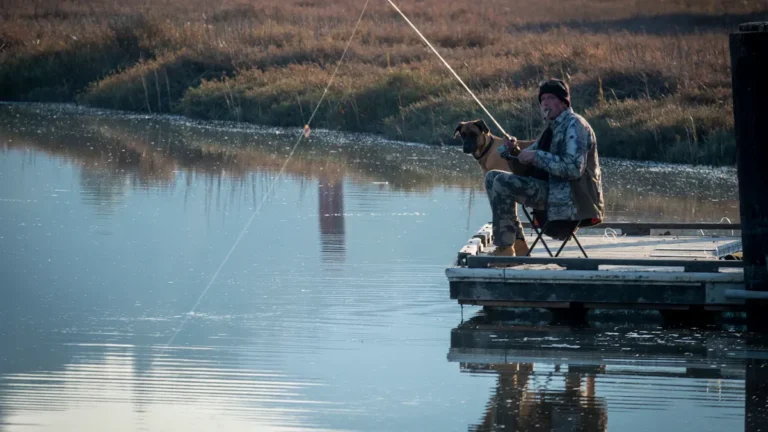
Practice from docks, bridges, and silent shorelines to refine skills.
Eddies And Current Breaks
Often you’ll find the best fishing spots where currents meet and slow down, and once you learn to spot eddies and current breaks you’ll feel more confident on the water. You’ll watch for current shadows along banks and behind rocks where bait hides.
Eddies form whenever fast water curls into a calm pocket, and eddy timing matters because fish move in predictable patterns during rising and falling flows. Approach quietly from downstream or the side opposite the fish, since they face the current.
Use docks, bridges, or a high vantage to read seams and subtle ripples. You’ll notice nervous patches where bait schools twitch.
Practice patience, adjust retrieve speed, and trust your eyes. That shared skill bonds anglers and grows your confidence day after day.
Locate Fish‑Holding Structure: Rocks, Wood, Drop‑offs
Finding rocks, wood, and drop offs that hold fish starts with patient watching and gentle moves, because these structures create pockets of shelter and current that fish use to feed and rest.
You’ll practice structure mapping to note where habitat complexity gathers bait.
Stay still, scan seams and margins, and let the water tell you where life concentrates.
- Look for submerged logs, root wads, and boulder clusters that break current and conceal prey.
- Find visible drop offs and ledges where depth changes create ambush lanes and slower water pockets.
- Watch surface clues like nervous ripples, boils, and birds working a line that reveal concealed cover.
You belong here.
Tread softly, share observations, and trade notes with fellow anglers to learn more.
Spot Temperature Breaks and Thermoclines
As water layers into different temperatures you can watch where fish pick the comfy line between warm and cool, because that edge often concentrates food and hides a perfect ambush spot.
You learn to spot temperature stratification whenever watching shade, insect activity, and where bait schools gather near sudden depth changes.
Use simple thermocline mapping with a thermometer or probe to mark where temperature shifts. That tells you where trout, bass, or walleye hold during day and night.
Move quietly to docks, shorelines, or high vantage points and watch how fish relate to that layer. You’ll feel belonging whilst you share findings with friends and adjust depth, bait size, and retrieval to match the layer where prey concentrates.
Watch Surface Signs: Splashes, Ripples, and Bubbles
You’ll want to watch the water closely for small bursts of life, because splashes, ripples, and bubbles tell you where fish are feeding and hiding. You’ll learn to read subtle signs like a bait silhouette near the surface and how surface tension breaks whenever prey is taken.
Stay patient and belong to the pace of the water, and you’ll spot patterns others miss.
- Tiny bubbles trailing an eddy mean prey is moving under a log or rock
- Concentric ripples often mark a feeding perch or a trout rising to a fly
- Isolated splashes can show a predator striking a bait silhouette at dawn
Watch light, current, and timing together, and let observation guide each cast.
Use Wind, Waves, and Tides to Locate Bait
You’ll learn to read wind, waves, and tides so you can find where bait gathers and predators wait.
Start at watching wind-driven slicks and tidelines where floating plankton and baitfish pile up, then scan wave-formed feeding zones like breaking waves and foam lines where currents shove prey toward shore.
Pay attention to tidal strips and flow seams, because fish often hold just inside those moving water edges to ambush concentrated bait.
Wind-Driven Bait Concentrations
As wind pushes across the water it gathers tiny prey into predictable seams, and that concentration becomes your livelihood map to where bigger fish must feed.
You learn to read bait aggregation where wind shear meets shoreline or channel edges.
That seam often holds nervous ripples and flashing minnows you can see from a dock or high bank.
You feel included in the rhythm whenever you watch and wait, and you know others who share these spots.
- Watch for long narrow tidelines that hold bait
- Observe wind shear zones where current shifts and prey bunch
- Scan for birds, boils, or shadowy patches indicating schools
Use gentle moves, circle those seams, and cast ahead of fleeing bait to stay successful.
Wave-Formed Feeding Zones
At the moment wind, waves, and tides line up just right, they make narrow feeding highways where bait piles up and predators wait, and you can learn to spot them quickly via watching how the surface moves.
Whenever you watch closely you’ll see wave formed schooling where nervous patches and short surges mark bait concentration. You belong to a group that reads those signs together.
Look for surge fed edges where foamy lines and small boils run parallel to shore or structure. Move to a higher vantage and scan for repeated breaks, ripples, or birds working the same lane.
Approach quietly, cast ahead of the lane, and let your bait ride the current. Trust your eyes, share findings, and learn from each other on the water.
Tidal Flow And Strips
In windy coastal spots or quiet estuary channels, you can read tidal flow and strips like a map to find bait and the predators that follow. You watch tidal straits and moonlit channels for seams where currents meet wind driven waves. Those seams stack bait and make predictable hunting lanes you can cast into with confidence.
- Look for surface boils and lines of foam where currents collide, they hide baitfish and ambush points
- Scan shoal edges and channel cuts at low and high slack for shifting strips of feeding activity
- Use lighted docks or bridge shadows at night to spot moonlit channels where bait gathers and predators patrol
Stay patient, share observations with friends, and you’ll read these water patterns together.
Read Light, Cloud Cover, and Sun Angle for Presentations
Watch the light and you’ll change how you present your bait and fly. You’ll learn where fish hide by reading sun glare and shade shifts along banks.
Whenever glare blinds you, fish often sit deeper or under overhangs, so slow your retrieve and drop presentation near edges. In shifting cloud cover, cast to breaks between sun and shade where prey moves and fish ambush.
Low sun angle at dawn and dusk flattens silhouettes, so pick thinner profiles and subtle tugs that look natural. Midday high sun makes fish seek deeper water or structure, so fish deeper rigs and contrast colors less.
Stay observant, move quietly, and match your rhythm to light changes. You’ll belong to the rhythm and find more willing strikes.
Match Water Color and Clarity to Lures and Depth
How do you pick the right lure or depth while the water looks murky or crystal clear? You look at color matching initially and make clarity adjustments next. Murky water needs louder profiles and contrast so fish can find your offering. Clear water calls for natural hues and subtle presentations, and you slow down and fish deeper as fish tighten up.
- Use bright, contrasting lures and vibration in stained water to trigger strikes faster
- Choose translucent, natural colors and smaller actions in clear water and fish shallower to middepths while visibility is high
- Adjust weight and retrieval speed to match clarity adjustments and the likely depth fish hold
You belong here. Trust your observations, tweak rigs, and share wins with fellow anglers.
Species Movement Patterns: Bass, Trout, and Panfish
Read the water and you’ll start to see the differences in how bass, trout, and panfish move and feed, which makes choosing your spot and presentation a lot easier.
You’ll notice bass patrol structure and ambush edges, shifting with seasonal movements toward shallows in spring and deeper cover in summer. Trout hold in current seams and pools, tracking insects and reacting to small changes in flow. Panfish school near vegetation and shallow flats, often moving in quick, social bursts.
Watch for nocturnal shifts as light fades; bass and panfish push shallow to feed and trout might rise under moonlight. You belong here, watching, learning, and adjusting your cast to match the rhythm of each species.
On‑The‑Water Checklist: A Practical Routine
Before you step off the bank, take a slow breath and run through a clear, calm checklist that keeps you focused and confident on the water. You belong here, and this routine helps you tune in. Start with sighting: scan docks, seams, and ripples for subtle breaks. Move into movement: plan a stealthy approach, then slow your motion and mind.
- Gear check: rods, leaders, net handling practice, knot security, and camera for field notes.
- Water read: observe eddies, current rips, nervous water, likely feed zones, and depth changes.
- Mindset: patience drills, breathing, short waits between casts, and respectful spacing with others.
This flow links observation to action, keeping you calm, connected, and effective.
Frequently Asked Questions
How Do Nocturnal Predators Change Depth After Sunset?
Like a curtain rising, you’ll see nocturnal predators migrate upward after sunset; they perform nighttime migration toward shallower layers, practicing stratified feeding as they spread through water columns, and you’ll feel part of that quiet, hungry community.
When Should I Switch to Kick Seining Versus Angling?
Switch to kick seining whenever you need quick net sampling of shallow, obstructed shorelines where stealth approach’s limited and schooling prey hides; stick with angling for stealthy presentations, pressured fish, deeper pools, or targeted casts.
How Do Barometric Changes Affect Specific Bite Windows?
About 70% of anglers report better bites around falling pressure; you’ll see pressure fronts compressing feeding rhythms, triggering aggressive windows before and after fronts - stick together with fellow anglers, share timing, and fish those brief peaks.
Can Photography Reliably Identify Subsurface Structure?
Yes, you can often use photography to reveal subsurface structure: light refraction and color contrast expose shadows, depth changes, and submerged features. You’ll learn together, sharing images to confirm patterns and build collective confidence.