Book Appointment Now

Freshwater Fishing: Gear, Bait & Strategies
ByIMRAN
Freshwater fishing is an exciting way to enjoy nature. To catch more fish, you need to think about three important things: gear, bait, and strategies. Using the right gear helps you do better on the water. Picking good bait draws in fish. Also, using smart strategies can help you catch more fish. Each part is important for a fun fishing experience.
Gear for Freshwater Fishing
Rods and Reels
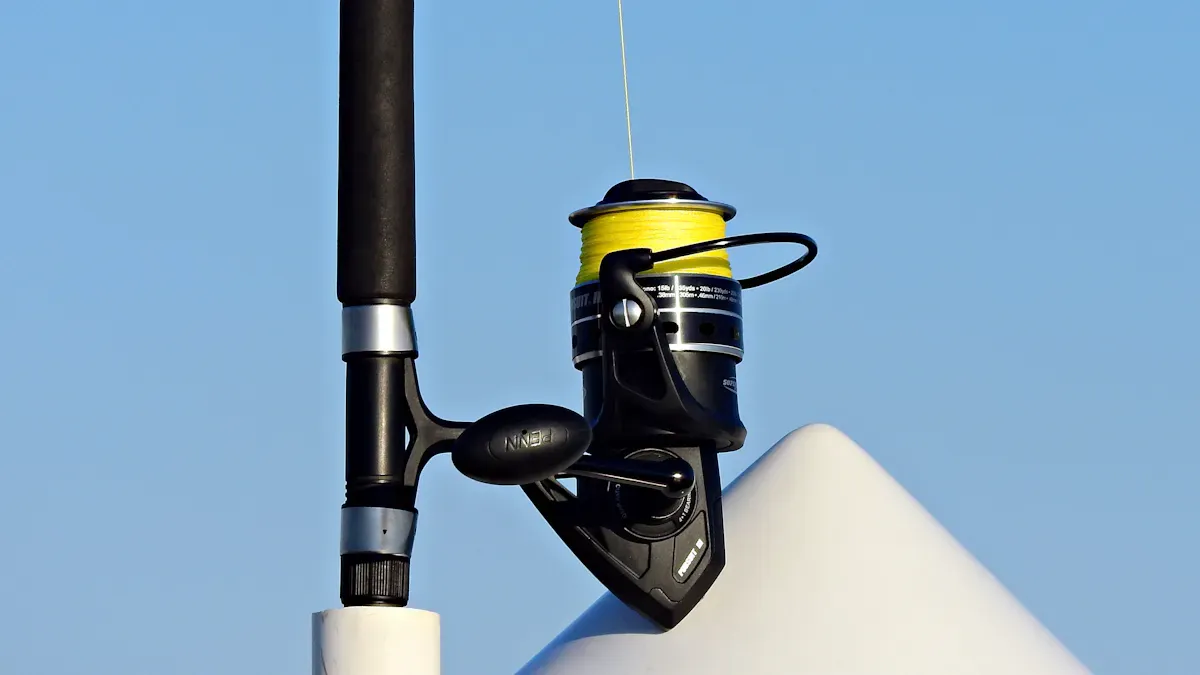
Picking the right rod and reel is very important for freshwater fishing. These tools help you throw your bait or lure and reel in the fish once it bites. Knowing the different types helps you choose gear that fits how you fish and the fish you want to catch.
Types of Rods
There are many kinds of rods, but two main types are popular for freshwater fishing: spinning rods and baitcasting rods. Each type has special features for different fishing styles and conditions.
| Feature | Spinning Rods | Baitcasting Rods |
|---|---|---|
| User-Friendliness | Easier for beginners | Steeper learning curve |
| Casting Distance | Excels with lighter lures | Better for heavier lures |
| Backlash | Less prone to backlash | More prone to backlash |
| Power | Generally less powerful | Greater power and torque |
| Precision | Good for general use | Enhanced control and precision |
| Best Use Scenarios | Light tackle, shore fishing, windy conditions | Heavy cover, trophy hunting, technical presentations |
Spinning rods are good if you want easy-to-use gear. They cast light lures far and reduce backlash chances. These rods work well for light tackle fishing, like catching trout or panfish. Baitcasting rods give more power and control. They are best for fishing in thick cover or for big fish. But, they need more skill to use well.
Types of Reels
Reels work with rods to manage the fishing line. The two main types are spinning reels and baitcasting reels. Spinning reels are easier to use and fit spinning rods well. Baitcasting reels give better control and power but take practice to avoid tangles. Pick a reel that matches your rod and fishing needs.
Fishing Line
The fishing line links your rod and reel to the bait or lure. Choosing the right line type and strength affects how well you catch fish and handle different fishing spots.
Line Types
Three common fishing lines are used in freshwater fishing: monofilament, fluorocarbon, and braided lines.
| Type | Characteristics | Advantages | Disadvantages |
|---|---|---|---|
| Monofilament | Made from one nylon strand, stretches, floats. | Easy to use, good for beginners, absorbs shocks, great for topwater lures. | Less sensitive, can tangle, breaks down in sunlight. |
| Fluorocarbon | Almost invisible underwater, sinks, low stretch. | Hard to see, sensitive, tough against damage. | More costly, can be stiff and hard to handle. |
| Braided | Made from woven synthetic fibers, no stretch, very strong. | Very strong, thin, sensitive, good for heavy cover. | Visible underwater, needs special knots, can pull hooks out. |
Monofilament line is good for beginners. It stretches to soften shocks and floats, which helps with topwater bait. Fluorocarbon line is nearly invisible underwater, so it works well when fish are careful. It sinks and stretches little, making it more sensitive. Braided line does not stretch and is very strong. It is best for thick cover or when you want to feel every bite. But, it is more visible and needs special knots.
Line Strength
Line strength, shown in pounds (lb), shows what fish you can catch and how well you handle fights.
| Line Weight (lb) | Suitable Species |
|---|---|
| 4-20 | River trout, walleye, perch, bluegill, smallmouth bass, pompano |
| 10-20 | Light freshwater species like trout and panfish |
| 30-50 | Larger freshwater species like bass and pike |
| 60-80 | Big game species, including sharks and large catfish |
| 100-250 | Deep-sea fishing or trophy-sized fish in harsh environments |
For most freshwater fishing, lines from 4 to 20 pounds work well. Use lighter lines for small fish like trout and panfish. Heavier lines fit bigger fish like bass and pike. Picking the right line strength helps you catch fish without breaking your gear.
Tackle and Accessories
Tackle means all the gear you put on your line to catch fish. Accessories help you handle your gear and make fishing better.
Hooks
Hooks hold your bait or lure and catch fish. Choosing the right hook size and shape is important. Bigger hooks catch bigger fish but may scare small ones. Smaller hooks work for small fish but might fail on big fish. Match hook size to your fish and bait for better results.
Lures
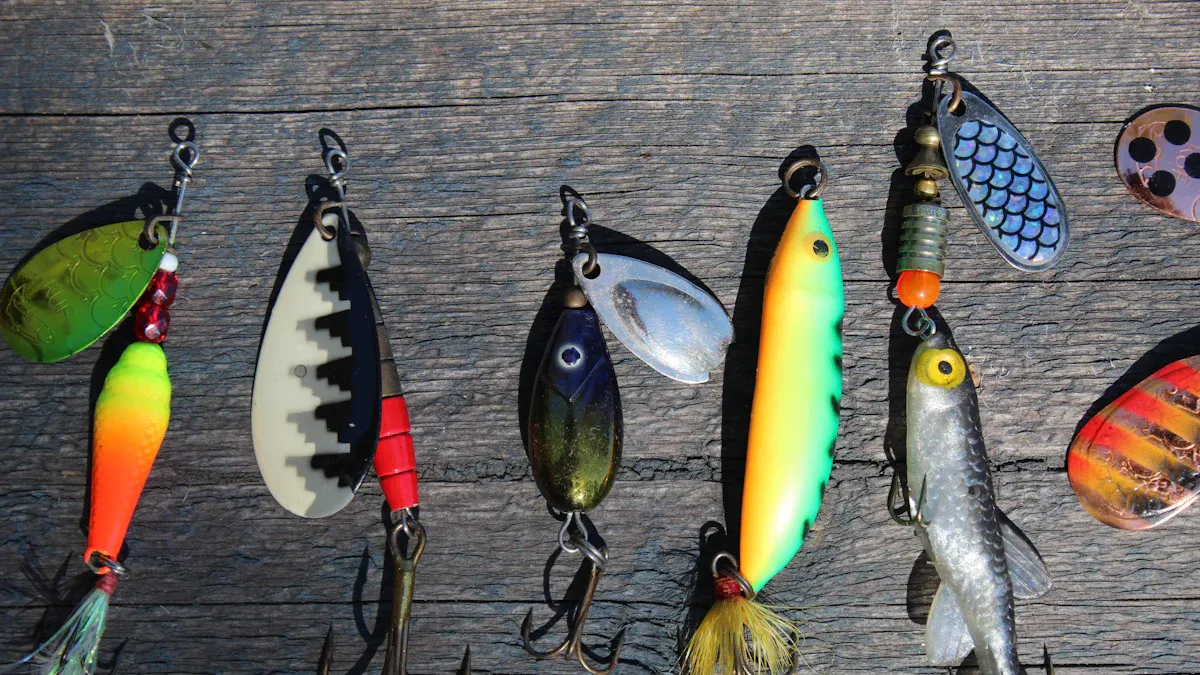
Lures look like prey to attract fish. Freshwater anglers use many types, like spinners, crankbaits, jigs, and soft plastics. Pick lures that match the fish’s natural food and water conditions. Using the right lure helps you get more bites.
Other Accessories
Experts suggest carrying these important accessories:
- Weights: Help your bait sink to the right depth.
- Bobbers: Show when fish bite and keep bait floating.
- Pliers: Help remove hooks and handle gear.
- Line cutters: Cut fishing lines cleanly.
- Leaders: Protect your line from sharp teeth or rough spots.
- Swivels and snaps: Let you change tackle quickly.
- Tackle boxes: Keep your gear neat and easy to reach.
Having the right tackle and accessories makes fishing easier and more fun.
Tip: Beginners often pick gear that is too heavy or hard to use. Start with a medium-action spinning rod and reel combo. This setup works well for many freshwater fishing trips and helps you learn faster.
Taking care of your rod, reel, and line makes them last longer. Store rods carefully to avoid damage, clean reels often, and replace old lines. Good care saves money and keeps your gear ready for fishing.
Fishing gear has improved with new technology. Modern rods use graphite or carbon fiber to be strong and light. Reels are stronger and lighter now, and fishing lines include superlines and better fluorocarbon. These improvements help you fish better and enjoy your time on the water.
Effective Bait
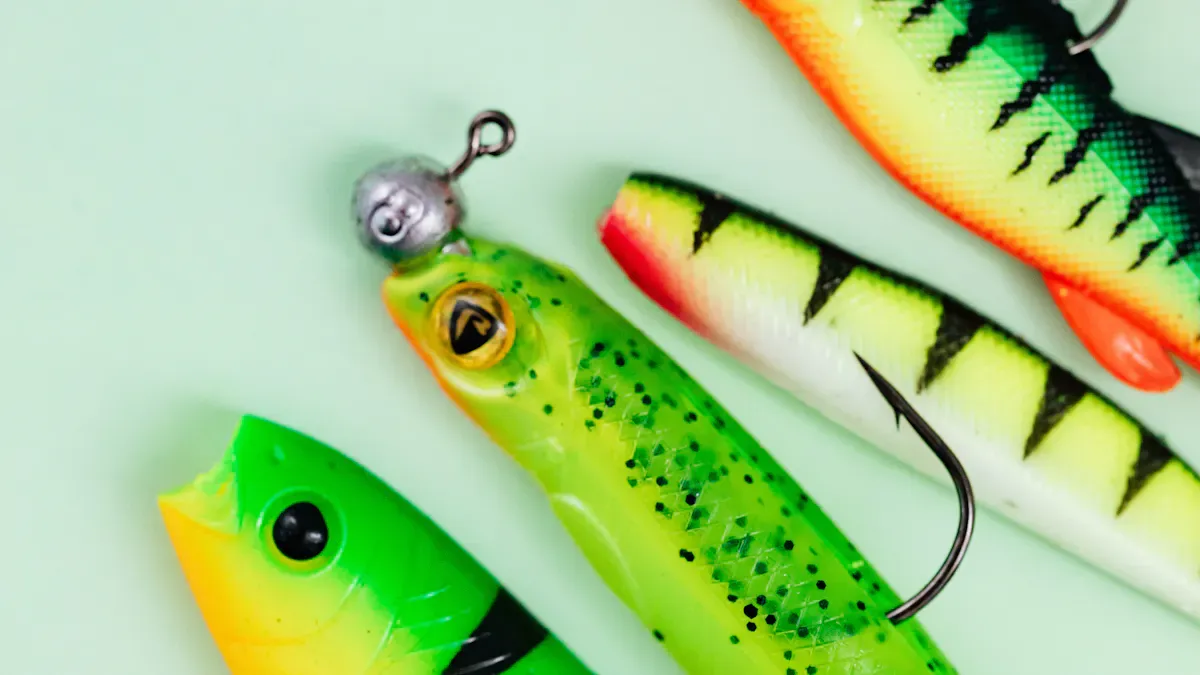
Choosing the right bait is very important for successful freshwater fishing. You can use live bait or artificial lures. Each type has its own benefits. Knowing these options helps you catch more fish.
Live Bait
Common Types
Live bait is often very effective because of its natural smell and movement. Here are some popular types of live bait you can use:
- Worms: Great for trout and panfish.
- Minnows: Good for bass and walleye.
- Crayfish: Works well for smallmouth bass and catfish.
- Leeches: A favorite for walleye and bass.
- Eels: Best for trolling or bottom fishing.
Using live bait can attract fish that might ignore artificial ones. For example, crayfish are especially good for catching smallmouth bass.
How to Use Live Bait
When using live bait, follow these steps:
- Hooking: Hook the bait properly to keep it alive longer. For worms, thread them onto the hook. For minnows, hook them through the back or lips.
- Depth: Change the depth of your bait based on where the fish are. Use weights to help your bait sink to the right level.
- Movement: Let your bait move naturally. This mimics how prey acts and attracts fish.
Live bait works best in murky water or during spawning seasons when fish like natural prey.
Artificial Bait
Types of Lures
Artificial lures come in many shapes and sizes. Some popular types include:
- Crankbaits: Imitate the movement of baitfish and are good for bass.
- Spinnerbaits: Create vibrations and flash, attracting fish in murky waters.
- Soft Plastics: Versatile and can look like different prey. They make up a big part of lure sales.
- Jigs: Great for bottom fishing and can be used with various trailers.
Market data shows that soft plastics make up about 41% of sales in freshwater fishing lures. This shows how popular they are with anglers.
When to Use Artificial Bait
Consider using artificial lures in these situations:
- Exploratory Fishing: When covering large areas quickly to find active fish.
- Low Visibility Conditions: In rain or dusk, lures create flash and vibration to attract fish.
- Specific Prey Profiles: During feeding frenzies, matching the prey can help you catch more fish.
Using both live bait and artificial lures can improve your success. Each type has its strengths, and adapting to conditions is important.
Bait Selection Tips
Choosing the right bait involves several factors:
Matching Bait to Fish Species
Different fish species like different types of bait. Here are some examples:
- Bass: Use minnows or crayfish.
- Trout: Worms or larvae work well.
- Panfish: Small worms or minnows are effective.
- Catfish: Crayfish and eels attract them.
- Walleye: Leeches are a good choice.
- Crappie: Small minnows can be very effective.
Seasonal Considerations
Seasonal changes greatly affect bait selection. Fish are cold-blooded, so their activity levels change with water temperature. Here’s how seasons influence your choices:
- Spring: Use minnows and bright-colored lures.
- Summer: Topwater lures and crankbaits work well.
- Fall: Large baits like jigs and live minnows are effective.
- Winter: Smaller baits like wax worms can attract fish.
Water conditions also matter. In still waters, subtle presentations like live worms work best. In moving waters, heavier baits like jigs stay visible.
By understanding these factors, you can choose the best bait for your fishing adventures.
Winning Fishing Strategies
Knowing how fish act is very important to catch more fish. When you learn about their eating habits and where they like to live, you can choose better spots and ways to fish.
Understanding Fish Behavior
Feeding Patterns
Fish change how they eat depending on light and the environment. Studies show that the length of the day affects their feeding. For example, catfish and sharp-snout seabream eat more or less based on how long the day is. Fish are usually more active at dawn and dusk because they like to feed then.
Fish also have daily and seasonal eating habits. They eat more in spring and summer when food is easy to find. In fall and winter, they slow down and eat less.
Habitat Preferences
Fish like certain places to live, and these change during the year. In winter, fish stay in deep, steady water. In spring, they move to shallow areas to eat and lay eggs. In summer, they look for cool water with lots of oxygen. In fall, they go back to deep water after feeding a lot.
Here are some important habitat choices:
- Barbel fish like deep or fast water.
- Grayling fish don’t have clear habitat patterns.
- Walleye chase bait in shallow water during spring and fall.
Fishing Techniques
Casting Techniques
Casting helps you cover a large area near your boat. This method works well for fish moving between shallow and deep water. It is great for bass because you can fish around different structures. Using different lures and ways to present them can help you catch more fish.
Trolling Techniques
Trolling is another good way to fish, especially for walleye and trout. You move your boat while pulling lures behind it. This lets you cover big areas. You can use planer boards to spread your baits out more. Follow underwater shapes like weed lines and reefs to get bites.
Timing and Location
Best Times to Fish
When you fish matters a lot. The best times change with the seasons:
| Season | Best Times to Fish |
|---|---|
| Spring | Mornings and Afternoons |
| Summer | Early Mornings and Nights |
| Fall | Mornings and Afternoons |
| Winter | Midday |
Fish are usually more active at these times. Plan your fishing trips then.
Ideal Fishing Spots
Picking the right place is very important. Look for spots with food, places to hide, and plants. Fish like to stay in these areas, so you have a better chance to catch them. Be patient and keep your line still so you don’t scare the fish.
By learning how fish behave, using good fishing methods, and fishing at the right times, you can catch more fish in freshwater.
To sum up, successful freshwater fishing depends on three main things: gear, bait, and strategies. Picking the right gear makes fishing more enjoyable. Different rods, reels, and lines can really change how many fish you catch. For example, studies show that what gear you choose can affect how fish act and can help you do better while fishing.
Choosing the right bait, whether it’s live or artificial, is very important for getting fish to bite. Knowing how fish behave and where they like to live helps you create good fishing strategies.
By using what you learned from this blog, you can get better at fishing and have more fun on the water.