Book Appointment Now

What to Consider When Choosing a Fishing Boat
ByIMRAN
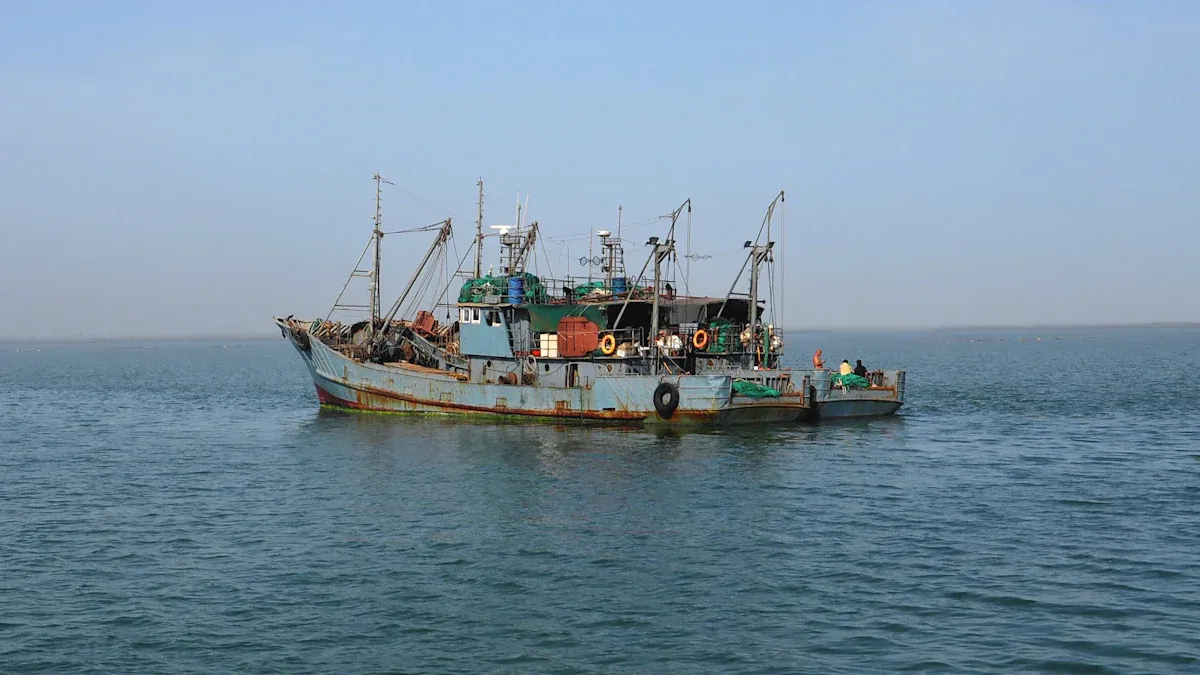
Fishing is more than just a hobby; it’s an adventure waiting to unfold! Imagine yourself casting a line into serene waters, feeling the thrill of a catch. But to truly enjoy this experience, you need to consider what factors are essential when choosing a fishing boat. Think about your specific fishing needs, how many friends you’ll bring along, and the gear you’ll need. Balancing your personal preferences with practical requirements can make all the difference in your fishing escapades.
Key Takeaways
Identify your fishing environment. Choose a boat suitable for freshwater or saltwater to enhance your fishing experience.
Consider the number of passengers. Select a boat size that accommodates your fishing companions comfortably.
Evaluate engine power. Match horsepower to your fishing needs for safety and performance on the water.
Plan your budget wisely. Account for both the purchase price and ongoing operational costs to avoid surprises.
Research different boat models. Visit local dealerships and engage with staff to make informed decisions.
Use Cases for Choosing a Fishing Boat
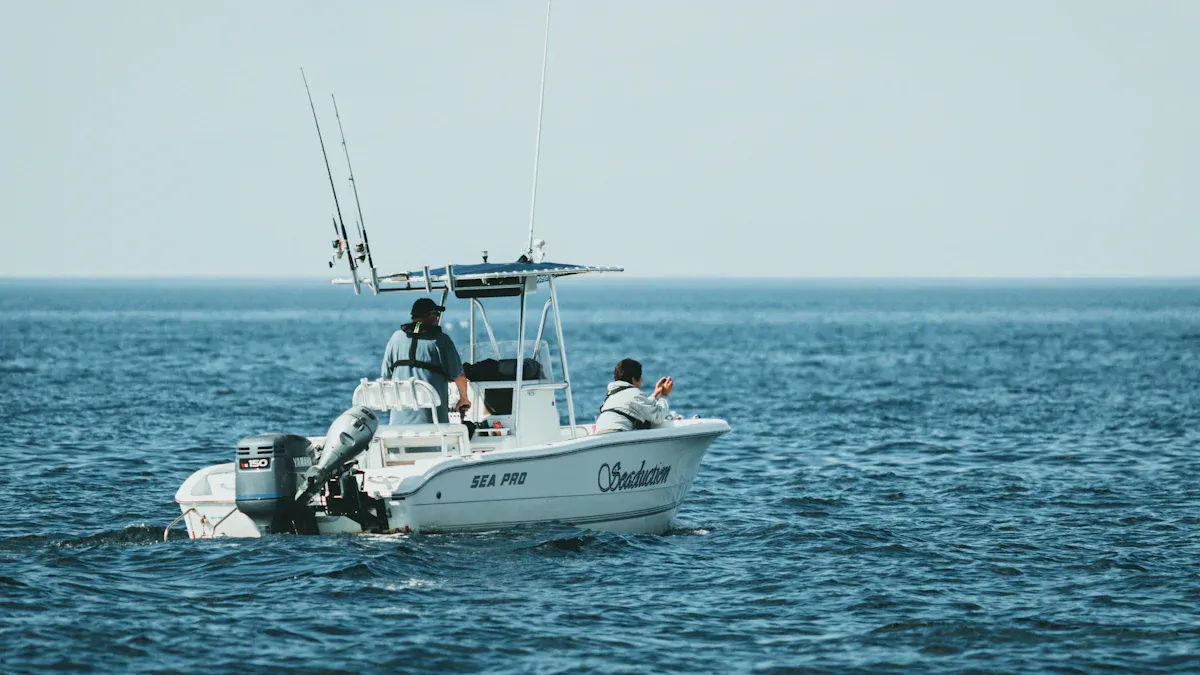
Freshwater vs. Saltwater
When you think about choosing a fishing boat, one of the first things to consider is whether you’ll be fishing in freshwater or saltwater. Each environment has its unique challenges and requirements.
Freshwater Fishing: If you’re planning to fish in lakes, rivers, or ponds, you’ll want a boat that offers versatility. Look for features that enhance your fishing experience, like rod holders and ample storage for your gear. Here are some key considerations:
Versatility: Your boat should adapt to various fishing styles and conditions.
Fishing Features: Specific attributes can make your fishing trips more enjoyable.
Cost Considerations: Think about both the purchase price and ongoing maintenance costs.
Saltwater Fishing: Saltwater fishing often requires a sturdier boat due to the harsher conditions. You’ll need a vessel that can withstand corrosion and rough waters. Consider boats designed for stability and durability, especially if you plan on venturing far from shore.
Types of Fishing Activities
Different fishing activities call for different types of boats. Here’s a quick overview of popular fishing activities and the boats that suit them best:
Fishing Activity | Boat Model | Brand |
|---|---|---|
Freshwater Fishing | Lowe Boats | Lowe |
Freshwater Fishing | Smokercraft Boats | Smokercraft |
Freshwater Fishing | Starcraft Boats | Starcraft |
Center Console Fishing | Boston Whaler | Boston Whaler |
Center Console Fishing | Grady-White Boats | Grady-White |
Center Console Fishing | Freeman Boatworks | Freeman |
When you think about how many people will join you on your fishing trips, it also influences your choice.
Small Boats for Fewer People: If you usually fish solo or with a small group, a boat between 12 to 18 feet works well for inshore fishing.
Larger Boats for Groups and Families: For larger gatherings or longer journeys, consider boats that are 20 feet or longer. They provide the necessary space and stability for everyone on board.
Key Features of a Fishing Boat
Engine Power and Performance
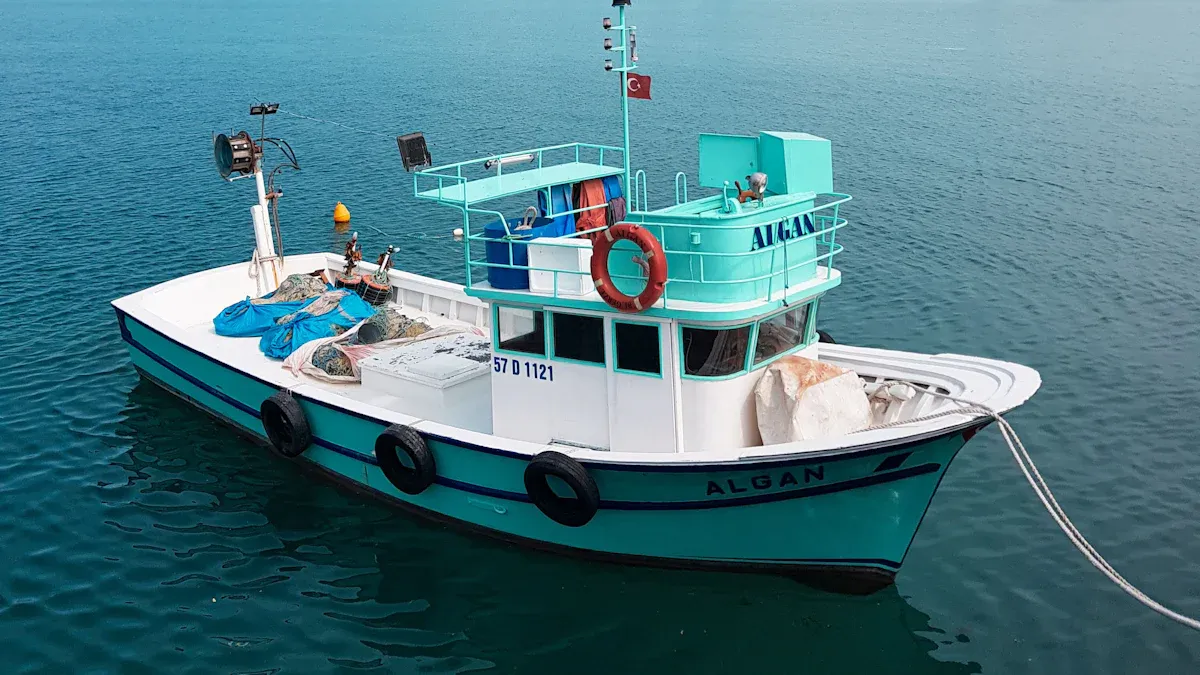
When you’re choosing a fishing boat, engine power plays a crucial role in your overall experience. The right horsepower can make your fishing trips safer and more enjoyable. Here are some key points to consider:
Horsepower Needs: The type of fishing you plan to do significantly influences the horsepower you need. For calm water cruising, lower horsepower is often sufficient. However, if you plan to tow water-skiers or fish in rough conditions, you’ll need more power. As a general rule, aim for about 1 horsepower for every 25 to 40 pounds of boat weight. Larger vessels over 20 feet may require even more horsepower based on regulations and builder recommendations.
Performance and Safety: Engine performance affects how well your boat handles. Underpowered boats struggle to get on plane, leading to sluggish performance and inefficient fuel use. On the other hand, overpowered boats can be difficult to control, increasing the risk of accidents. A well-balanced engine ensures smooth handling, especially in rough waters, which is vital for safety when you’re far from shore.
Types of Boats: Different types of fishing boats have varying horsepower needs. For example, small fishing boats typically require less power than larger pontoon or high-speed boats. If you’re fishing with a loaded boat, remember that it will need more power than an empty one.
Storage and Comfort Features
Storage and comfort features can greatly enhance your fishing experience. When you’re out on the water, having the right amenities makes all the difference. Here’s what to look for:
Storage Solutions: Effective storage is essential for keeping your gear organized and protected. Here are some popular storage methods:
Storage Method
Protection Level
Cost
Dry Storage
High
Moderate to High
Wet Slip Storage
Moderate
Moderate
Indoor Storage
Very High
High
Consider options like rack systems or dry stacked storage to keep your boat in top shape.
Comfort Features: Comfort is key for a successful fishing trip. A well-designed interior layout can make your time on the water more enjoyable. Features like cushioned seating, ample cockpit space, and easy access to gear can enhance your experience. Remember, fishing is about relaxation and bonding with family or friends. Proper planning, including safety essentials and kid-friendly gear, contributes to a stress-free fishing trip.
Hull Types: The hull type also impacts comfort and stability. For instance, flat-bottom hulls are great for calm waters, while V-shaped hulls perform better in choppy conditions. Multi-hulled boats offer high stability, making them versatile for various water activities.
By focusing on these key features, you can ensure that your new fishing boat meets your needs and enhances your fishing adventures.
Budgeting for a Fishing Boat
When you decide to buy a fishing boat, budgeting is crucial. You want to ensure you can afford not just the initial purchase but also the ongoing costs. Let’s break it down.
Initial Purchase Price
The initial purchase price of a fishing boat varies widely based on the type and condition. Here’s a quick look at average prices for popular categories:
Boat Type | Average Used Price | Average New Price |
|---|---|---|
Jon Boats | $1,000 | $5,000 |
Midsize Bowriders | $15,000 | $50,000 |
Small-to-Midsize Pontoon Boats | $19,000 | $90,000 |
Speedboats | $30,000 | $75,000 |
Midsize Fishing Boats | $50,000 | $100,000 |
Small-to-Midsize Sailboats | $12,000 | $500,000 |
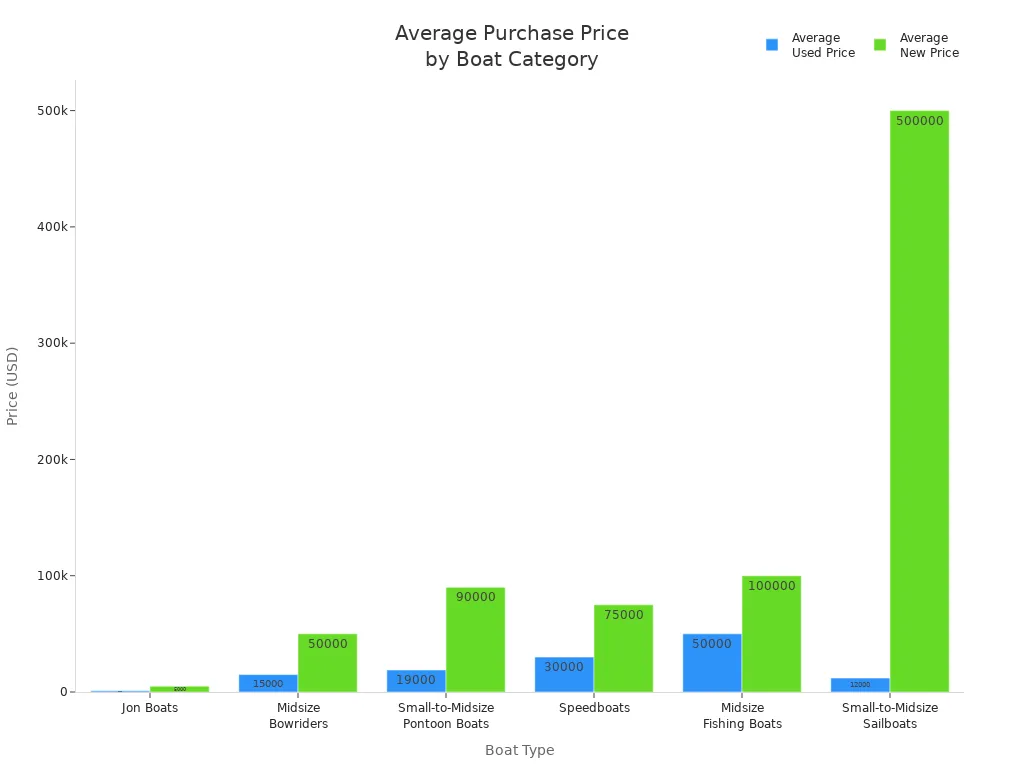
As you can see, the price can range from a few thousand dollars for a used Jon boat to several hundred thousand for a new sailboat. Make sure to research the fishing boats for sale that fit your budget.
Operational Costs
Once you own a fishing boat, you’ll face ongoing operational costs. These can add up quickly, so it’s essential to plan ahead. Here are some typical expenses you might encounter:
Docking fees: approximately $12,000 annually.
Maintenance costs: can reach up to $10,000 if hiring professionals.
Engine maintenance: around $2,000 to $4,000.
Cleaning and waxing: about $3,000.
Fuel consumption: estimated at $200 per hour.
Many new boat owners underestimate these ongoing expenses by 25% to 50%. It’s wise to factor in these costs when budgeting for your new fishing boat.
In addition to these costs, consider storage options. Renting a boat slip or storage facility may be necessary during winter months. At-home storage requires a trailer and may be restricted by homeowner’s association rules.
By understanding both the initial purchase price and the ongoing operational costs, you can make a more informed decision about your fishing boat investment.
Choosing the right fishing boat can transform your fishing adventures. Remember to consider your specific use cases, like whether you’ll fish in freshwater or saltwater. Pay attention to key features such as engine power and storage options. Don’t forget to set a realistic budget that includes both the purchase price and ongoing costs.
As you embark on your boat-buying journey, take the time to research different models and visit local dealerships. Engaging with knowledgeable staff can help you make informed decisions. Whether you’re exploring potential boat fishing locations or thinking about choosing the right fishing gear, every detail matters. Happy fishing!
FAQ
What are some safety tips for boat fishing?
Always wear a life jacket and check weather conditions before heading out. Keep a first aid kit on board and ensure your boat has safety equipment. Familiarize yourself with local regulations and practice safety tips for boat fishing to enjoy a worry-free experience.
How can I finance my fishing boat?
You can explore various financing options, including loans from banks or credit unions. Some dealerships offer financing plans as well. Make sure to compare interest rates and terms to find the best deal that fits your budget.
What should I consider for boat storage?
Consider your storage options based on your location and budget. You can choose between dry storage, wet slips, or indoor storage. Each option has its pros and cons, so evaluate what works best for your needs and the type of boat you own.
Should I buy a new or used fishing boat?
Buying a used fishing boat can save you money, but ensure you inspect it thoroughly. New boats come with warranties and the latest features. Weigh the benefits of each option based on your budget and fishing needs.
How do I maintain my fishing boat?
Regular maintenance is key to keeping your boat in good shape. Clean it after each use, check the engine, and inspect for any wear and tear. Following a maintenance schedule can prolong the life of your boat and enhance your fishing experience.