Book Appointment Now

Fishing Line Visibility: Stay Hidden Underwater
ByIMRAN
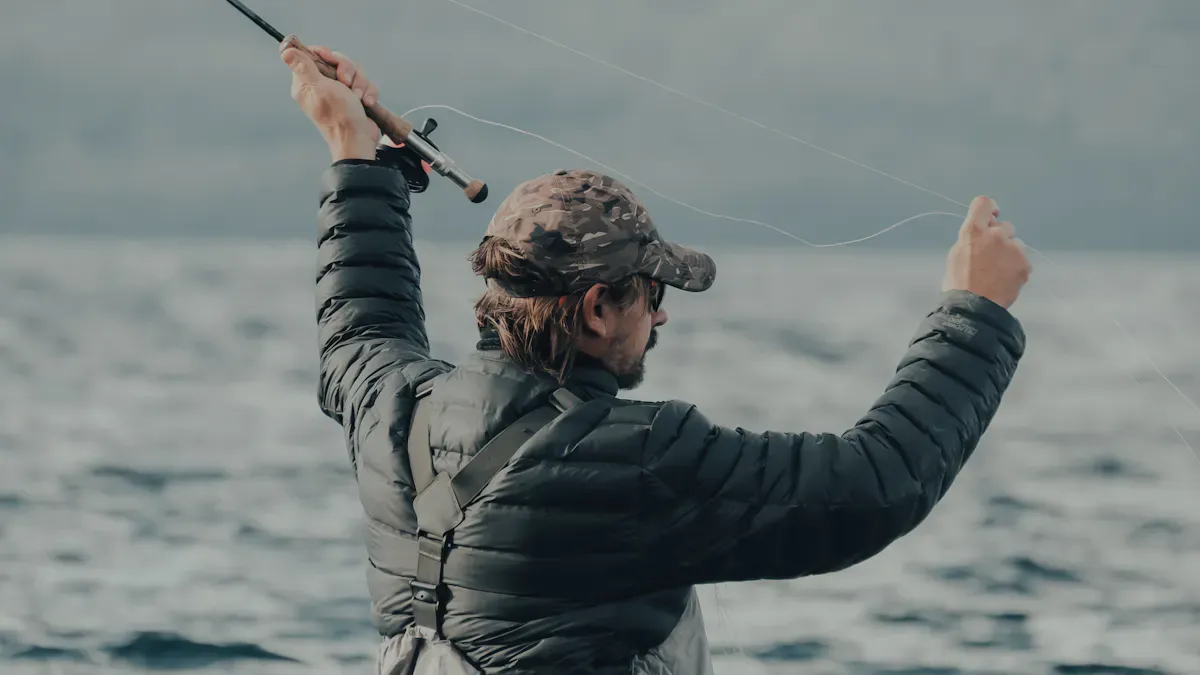
Have you ever thought about how hard it is to see your fishing line underwater? Many fishermen think fluorocarbon lines are almost invisible. This idea comes from how well they mix with the water, especially when it is clear. But, knowing about fishing line visibility is very important for your success. In clear water that is less than three feet deep, fish can see bright colors. This can change how they eat. Fish like trout and bonefish usually stay away from strange colors. Understanding how visibility affects your catch can really help on your next fishing trip.
Key Takeaways
- Fluorocarbon lines are almost invisible in water. This makes them great for fishing in clear water.
- How clear the water is affects how fish see your line. Bright colors can scare fish in clear water.
- Using a longer fluorocarbon leader can help hide your line better in clear water.
- Pick fishing line colors based on the water. Bright colors work in stained water. Natural colors are better in muddy water.
- Be quiet and gentle when casting. This helps avoid scaring fish. Your technique is just as important as your line choice.
Fishing Line Visibility Factors
Environmental Impact
The environment affects how we see fishing lines. Things like water clarity, turbidity, and algae can change how fish notice your line. Here are some important points to think about:
- Water Clarity: Clear water helps fish see colors better. In these conditions, a fluorocarbon fishing line is helpful. This line is almost invisible underwater. It makes fish less likely to be scared. On the other hand, thick green monofilament lines can be easy to see, which might scare fish away.
- Algae Blooms: Algae blooms make the water cloudy. This “pea soup” look lowers visibility. Fish may be less cautious in stained water. But heavy blooms can reduce oxygen, pushing fish away. Some algae can spread sunlight, but too much makes it hard for fish to see your bait.
Light and Depth
Light changes with depth, which affects fishing line visibility. Knowing how light works in water helps you pick the right line for fishing. Here’s how different water conditions affect visibility:
| Water Condition | Light Penetration Effect | Visibility of Fishing Lines |
|---|---|---|
| Clear Water | Maximum light penetration allows all colors to be visible near the surface | High visibility, colors remain effective longer |
| Stained Water | Moderate light penetration reduces overall visibility | Bright colors maintain visibility longer, contrast is important |
| Muddy Water | Minimal light penetration severely limits visibility | Bold colors dominate, silhouettes become critical, sound and vibration are primary attractors |
As light goes through water, colors can change. Colors like red and orange fade quickly. At about 100 feet deep, these colors look dark or gray. But blue and green colors stay visible at deeper levels. This information is important when choosing fishing line colors to stay hidden from fish.
Fishing Line Types and Visibility
Fluorocarbon Fishing Line
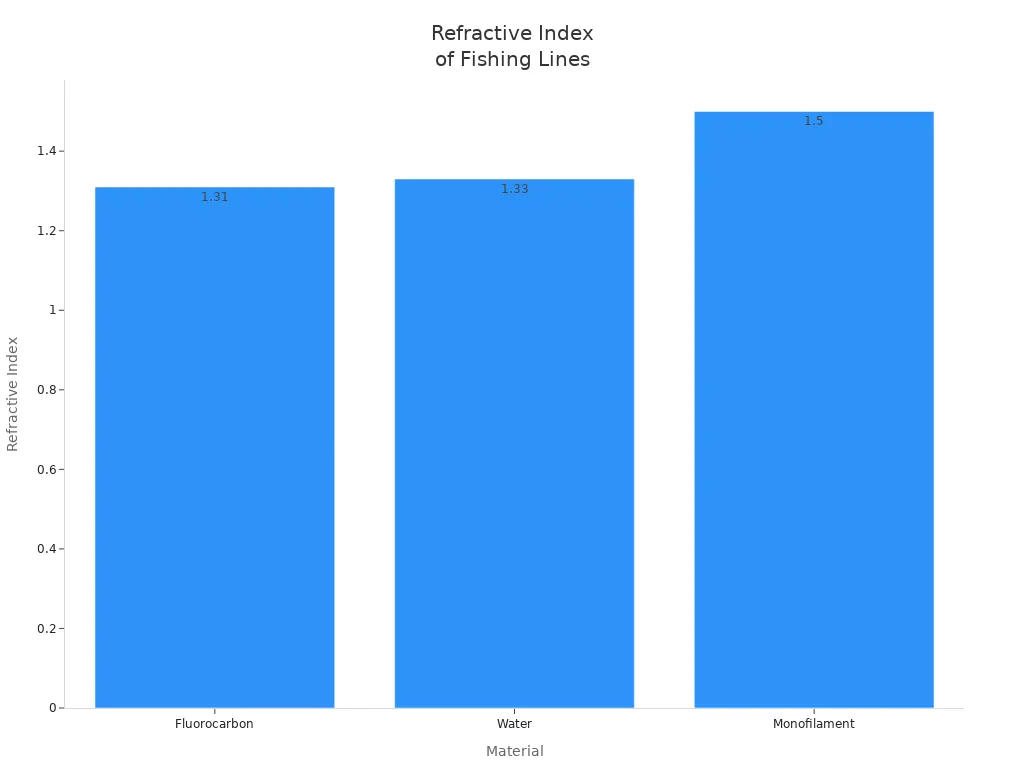
Fluorocarbon fishing line is a favorite for many anglers. It has special features that make it great. One big benefit is that it is hard to see underwater. The refractive index of fluorocarbon is about 1.31. This is very close to water’s refractive index of 1.33. Because they are similar, fluorocarbon blends well into the water. This makes it almost invisible underwater. This is important when fishing for fish with sharp eyesight.
Tip: Using the best fluorocarbon fishing line in clear waters can really boost your chances of catching fish.
Fluorocarbon lines are also strong against wear and UV light. They can handle tough conditions, so you can fish in many places without worrying about the line breaking down. The UV protection helps keep the line visible longer. This means you can use fluorocarbon lines for a long time without losing their effectiveness.
Braided and Monofilament Lines
Braided and monofilament lines have different visibility traits that can change your fishing success.
- Braided Lines: These lines are strong and sensitive. In saltwater, colors like moss green and grey help them mix into muddy waters. But in clearer inshore waters, colors like pink, blue, and white are better because they are less noticeable. For high visibility situations, like trolling, anglers often pick hi-vis yellow or green lines.
- Monofilament Lines: These lines are easier to see than fluorocarbon because their refractive index is around 1.50. This makes them easier for fish to spot. Still, monofilament lines are popular because they are flexible and easy to use. They can stretch, which helps absorb shock when fighting fish.
When picking a fishing line, think about the water conditions and the fish you want to catch. Each line type has its pros and cons, so choose carefully to make your fishing trip better.
Summary of Visibility Characteristics
| Fishing Line Type | Visibility Underwater | Advantages | Disadvantages |
|---|---|---|---|
| Fluorocarbon | Low | Nearly invisible, abrasion resistant | Can be more expensive |
| Braided | Variable | Strong, sensitive, good for heavy cover | More visible in clear water |
| Monofilament | Moderate to High | Versatile, easy to handle | Higher visibility, less sensitive |
Knowing how different fishing lines are visible can help you make smart choices on your next fishing trip.
Misconceptions About Visibility
Common Myths
Many anglers think all fishing lines are the same underwater. This idea can lead to bad choices when picking a line. Here are some common myths:
- Myth 1: All fishing lines are invisible underwater.
- Myth 2: Fluorocarbon fishing line is best for every situation.
- Myth 3: Fish cannot see fishing lines in muddy water.
Reality Check
Knowing the truth about these myths can help you catch more fish.
- Not All Lines Are Equal: Different fishing lines have different visibility levels. For example, fluorocarbon lines have a refractive index of 1.31. This is close to water’s refractive index of 1.33. This makes fluorocarbon almost invisible underwater. On the other hand, monofilament and braided lines have higher refractive indices (1.50 and above). This means they are easier for fish to see.MaterialRefractive IndexFluorocarbon1.31Water1.33Monofilament1.50Braided line1.50+
- Fish Vision Matters: Fish have special eyes that help them see fishing lines. They can see colors and contrasts well, especially in clear water. For example, fish like trout and bonefish notice bright colors easily.
- Fish have strong visual systems made for their homes.
- Color vision and contrast help fish see fishing lines.
- The tapetum lucidum in walleyes helps them see better in low light.
- Fish change to different light conditions, which affects how they see lines.
- The difference between fishing lines and the background is important for visibility.
By knowing these facts, you can make smarter choices about your fishing line visibility. Choosing the best fluorocarbon fishing line for clear waters can really boost your chances of catching fish.
Techniques to Stay Invisible Underwater
Using Leaders
Using leaders can really help make your fishing line less visible. A fluorocarbon leader is a great choice. It bends light like water does. This makes it almost invisible to fish. Here are some important points to think about:
- Length Matters: A longer leader can hide your braided line better in clear water. In very clear water, a long leader can work twice as well as a regular length.
- Diameter Adjustment: Changing the thickness of your leader can help your bait look more natural. A thinner leader can make your setup harder for fish to see.
Many professional anglers say they catch 40% more fish that are shy when they use fluorocarbon instead of monofilament. This is very important when fishing for easily scared species.
Choosing the Right Line
Picking the right fishing line is key to keeping low visibility. Here are some tips to help you choose smartly:
- Match the Environment: Use lines that are hard to see in clear water. This helps avoid scaring fish. Fluorocarbon lines work really well in these situations.
- Consider Water Color: In clear or slightly stained water, bright colors are best. In muddy water, use natural or contrasting colors to catch fish without being seen.
- Adjust Your Technique: Focus on being quiet when you fish. Land your lure softly to avoid scaring fish. Change the angle of your cast to bring the lure closer to the fish without making them afraid.
By using these techniques, you can improve your chances of catching fish. Remember, if fish can see your line, they might get scared and not bite.
Knowing how visible your fishing line is really matters for catching fish. You learned that things like the environment, light, and depth change how fish see your line. Picking the right line can really help you. For example, one angler using a thin braid caught four snook, but another with a thick mono caught none.
Keep these important points in mind:
- Color is not usually the main reason fish bite.
- Visibility can change faster than you think.
- Being near feeding fish is better than having the “perfect” color.
Try out different lines to see what works best for you.
FAQ
What is the best fishing line for clear water?
Fluorocarbon lines are the best choice for clear water. They are hard to see, so fish won’t get scared. They mix well with the water, making them hard to notice.
How does water depth affect fishing line visibility?
Water depth changes how light goes through it. In deeper water, colors can disappear. Fish see blue and green colors better, so use lines in these colors for deeper fishing.
Can fish see braided lines?
Yes, fish can see braided lines, especially in clear water. They are easier to spot, which can scare fish away. Use a fluorocarbon leader to make it less visible.
Do fishing lines lose visibility over time?
Yes, fishing lines can become less visible because of wear and UV light. Check your line often for damage and replace it when needed.
How can I improve my chances of catching fish?
To catch more fish, use lines that are hard to see, match your line to the water conditions, and be quiet when casting.