Book Appointment Now

Fishing Knots Guide for Beginners
ByIMRAN
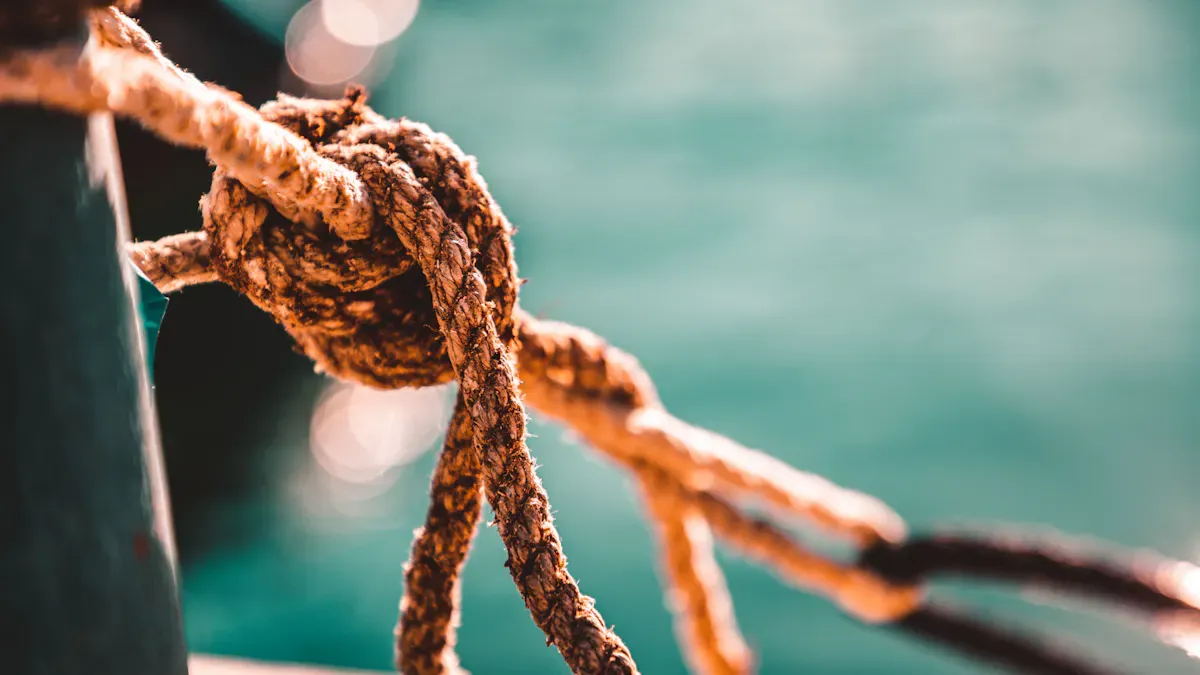
Fishing knots play a vital role in your success as an angler. Mastering these knots can make a huge difference in your fishing experience. As a beginner, you might struggle with tying knots or understanding which ones to use. Don’t worry! With practice, you can overcome these challenges. Learning essential knots not only boosts your confidence but also helps you catch more fish. So, let’s dive into the world of fishing knots and get you started on the right path!
Key Takeaways
- Learning important fishing knots like the Palomar, Uni, and Half Blood Knot helps you feel more confident and catch more fish.
- The Palomar Knot is strong and simple to tie. This makes it perfect for beginners. Practice it at home to get better.
- The Uni Knot is useful and works for many fishing tasks. You can use it to attach lures or connect lines.
- Knowing how to tie knots makes fishing easier. It also saves money by stopping line breaks and needing new gear often.
- Practicing fishing knots regularly helps you cast better and enjoy fishing more.
Top Beginner Knots
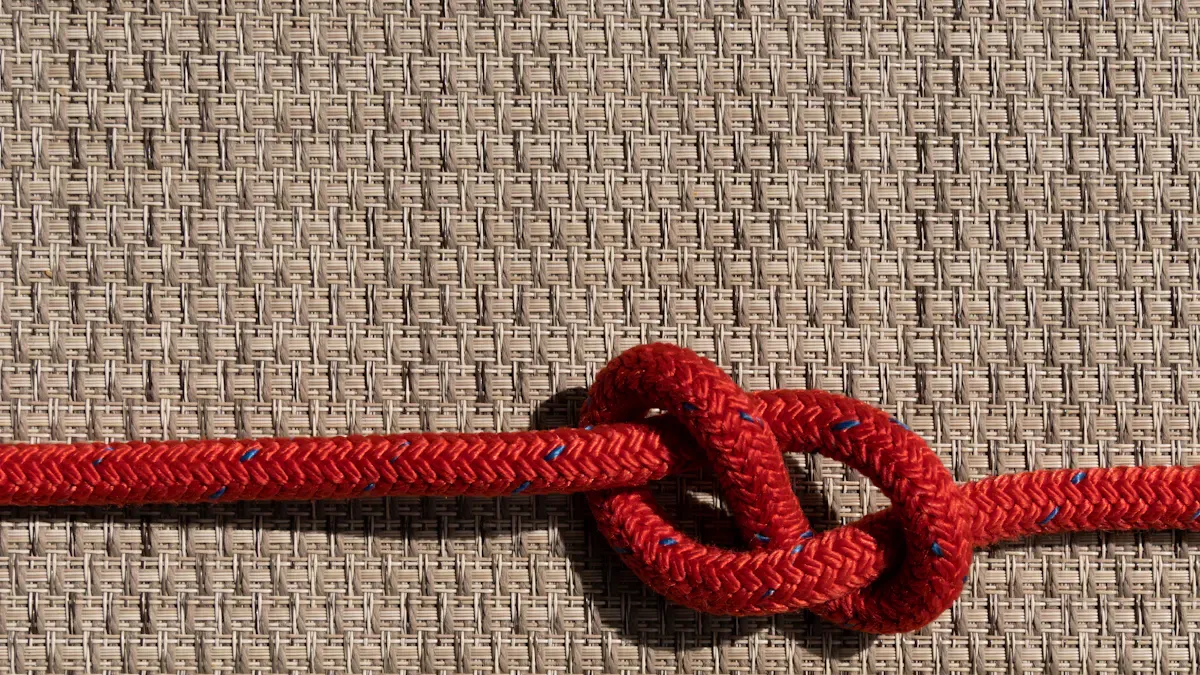
When you start fishing, knowing the right knots can make all the difference. Here are three essential knots every beginner should master: the Palomar Knot, the Uni Knot, and the Half Blood Knot. Each of these knots has unique strengths and applications that can help you become a more effective angler.
Palomar Knot
The Palomar Knot is one of the strongest and easiest knots to tie. It retains about 95% of the line’s strength, making it a favorite among anglers. Here’s why you should learn it:
- Strength: The Palomar Knot boasts a breaking strength of 96% when used with braided lines. This means you can trust it to hold up against big catches.
- Ease of Use: You can tie this knot quickly, even in low-light conditions. Just follow these simple steps:
- Double the line and pass it through the hook eye.
- Tie an overhand knot, leaving a loop.
- Pass the hook through the loop and pull tight.
Tip: Practice tying the Palomar Knot at home before hitting the water. It’s a great confidence booster!
Uni Knot
Next up is the Uni Knot. This versatile knot is perfect for various applications, from attaching lures to connecting lines. Here’s what makes it stand out:
- Versatility: The Uni Knot works well with monofilament, fluorocarbon, and braided lines. You can use it for line-to-line connections or to attach hooks and lures.
- Strength: It’s known for its strong hold, making it a reliable choice for different fishing scenarios. In fact, it’s often compared to other beginner knots for its performance.
| Feature | Uni Knot | Other Beginner Knots |
|---|---|---|
| Versatility | High (line-to-line connections) | Moderate |
| Strength | Strong | Varies |
| Ease of Tying | Easy | Easy (but varies by knot) |
To tie the Uni Knot:
- Thread the line through the hook eye.
- Create a loop and wrap the tag end around the standing line.
- Pull the knot tight and trim any excess.
Half Blood Knot
Finally, we have the Half Blood Knot. This knot is quick to tie and reliable, making it ideal for beginners. Here’s why it’s worth learning:
- Simplicity: The Half Blood Knot is straightforward and can be tied in seconds. This is crucial when you’re eager to get back to fishing.
- Versatility: It works well for various setups, whether you’re using it to attach a hook or a lure.
The Half Blood Knot is noted for being 13% stronger than the Double Uni Knot, making it a solid choice for beginners.
To tie the Half Blood Knot:
- Pass the line through the hook eye.
- Make a loop and wrap the tag end around the standing line.
- Pull tight to secure the knot.
By mastering these three knots, you’ll enhance your fishing experience and increase your chances of landing that big catch!
Uses of Fishing Knots
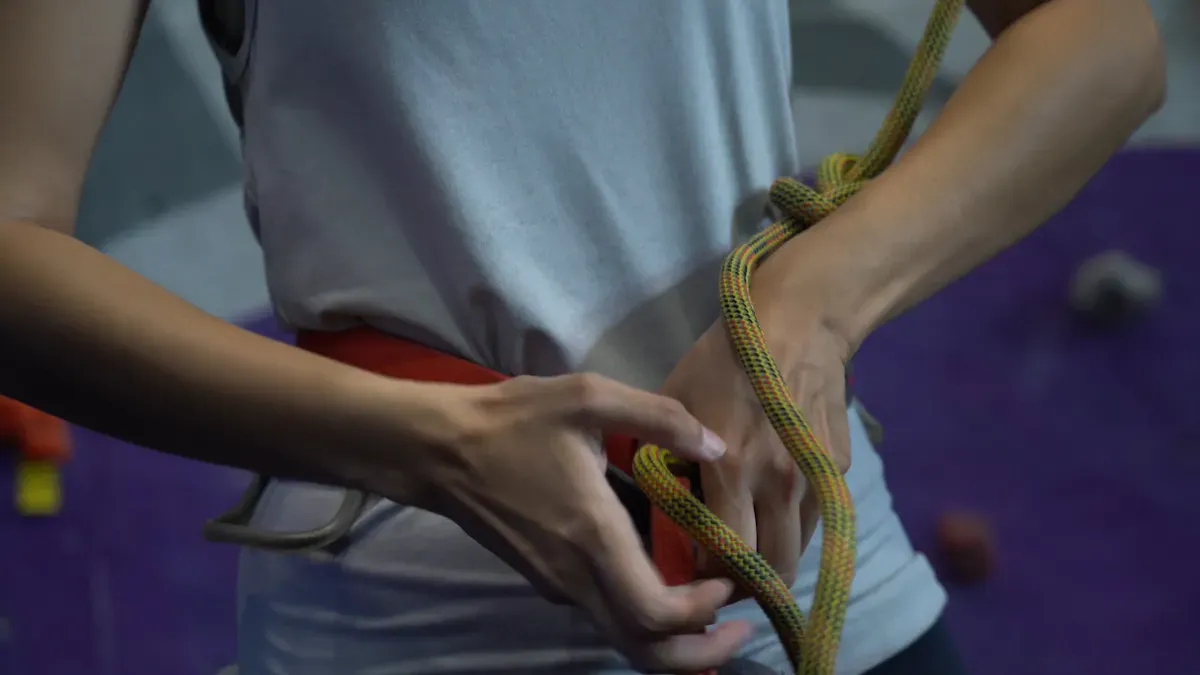
Fishing knots have many uses. Knowing how to use them well can make your fishing better. Let’s look at some common ways to use fishing knots that every angler should know.
Connecting Line to Hook
One main use of fishing knots is to connect your line to the hook. This connection is very important because it affects your chances of catching fish. A strong knot helps your line work well when there is tension or sudden pulls. Here are some key points to think about:
- A strong knot keeps the line strong, which is important for big fish.
- The knot you pick can change how smoothly your lure moves in the water.
- Different knots have different levels of resistance to wear and tear on your line.
| Aspect | Impact on Fishing Performance |
|---|---|
| Line Strength | A strong knot helps the line work well under pressure and sudden pulls. |
| Lure Action | The knot you choose affects how smoothly the lure moves in the water. |
| Abrasion Resistance | Different knots have different levels of protection against wear from the environment. |
| Pressure Distribution | Knots spread pressure in different ways, affecting strength and reliability. |
When tying your line to a hook, try using knots like the Palomar or Uni Knot. These knots are strong and reliable, making them great choices for securing your line.
Joining Two Lines
Another important use of fishing knots is joining two lines together. This skill is useful when you need to connect lines made of different materials or sizes. Here are some good knots for this:
- Albright Knot
- Nail Knot
- Uni Knot
- Surgeon’s Knot
- Slim Beauty
For example, the Albright Knot works well for connecting braid to mono lines. To tie it, lay the thicker line next to the thinner line, make a loop with the thinner line, wrap it around the thicker line 7-10 times, and pull the end through the loop. Wet and tighten the knot for a strong connection.
Learning these knots helps you make strong connections, which is key for successful fishing.
Attaching Lures and Swivels
Attaching lures and swivels is another important use of fishing knots. The knot you choose can really change how your lure acts and looks. Here are some insights:
- William Slaughter mentioned he had bad experiences with loop knots and fluorocarbon, showing that knot choice matters for fishing success.
- Luke Simonds suggests the Non-Slip Loop knot for lures without split rings, noting its strength and reliability.
- Michael Teague says that where you place the knot on a split ring can change the lure’s action, showing how important knot choice is for making sure the lure works well.
By picking the right knot for attaching lures and swivels, you can improve your fishing skills and boost your chances of catching that big fish!
Easy Fishing Knots to Master
Learning easy fishing knots can significantly improve your fishing experience. Here are three knots you should master: the Improved Clinch Knot, the Loop Knot, and the Bowline Knot. Let’s break down how to tie each one step by step!
Improved Clinch Knot Instructions
The Improved Clinch Knot is a classic choice for securing your line to hooks or lures. Here’s how to tie it:
- Thread the Line: Pass about 6-8 inches of line through the eye of the hook, lure, or swivel.
- Wrap the Tag End Around the Standing Line: Hold the hook steady, and with your other hand, wrap the tag end around the standing line 5-7 times.
- Pass the Tag End Through the Small Loop: Bring the tag end back towards the hook and pass it through the small loop just above the hook’s eye.
- Pass the Tag End Through the Larger Loop: Pass the tag end through the larger loop created in the previous step.
- Moisten and Tighten the Knot: Moisten the knot and pull on both the standing line and the tag end to tighten it.
- Trim the Excess Tag End: Trim the excess tag end close to the knot.
Tip: Make sure to lubricate the line before tightening to maintain the knot’s integrity. This helps prevent slippage, a common mistake among beginners.
Loop Knot Instructions
The Loop Knot is fantastic for allowing your lure to move freely in the water. Here’s how to tie it:
- Form the Initial Loop: Create a loop in your line.
- Pass the End of the Line Through the Loop: Take the end of the line and pass it through the loop you just made.
- Wrap the Line Around Itself Several Times: Wrap the line around itself 5-7 times.
- Pull the Standing Line to Tighten the Knot: Pull on the standing line to tighten the knot.
- Trim Any Excess Line: Cut off any extra line for a clean finish.
This knot enhances lure action and reduces line twist, making it a versatile choice for various fishing scenarios.
Bowline Knot Instructions
The Bowline Knot is known for creating a fixed loop at the end of a line. Here’s how to tie it:
- Prepare the Rope: Start with a length of rope, free of tangles, and fold it in half to create a bight.
- Form the Initial Structure: Create a loop with the bight hanging down and cross the working end behind the standing part.
- Loop Through: Bring the working end up and through the bight loop, then pull tight.
- Final Adjustments: Ensure the loops are symmetrical and the knot is secure.
The Bowline Knot is reliable and easy to untie, even after being under load.
By mastering these easy fishing knots, you’ll feel more confident on the water and improve your chances of landing that big catch!
Learning fishing knots is very important for new anglers. When you practice tying these knots, your fishing will get better. Here are some long-term benefits of learning fishing knots:
| Benefit | Description |
|---|---|
| Improved Confidence | Knowing your knot is strong makes you feel better while fishing, so you won’t second-guess yourself. |
| Better Casting | A good knot helps you cast better, making fishing more enjoyable. |
| Reduced Frustration | Strong knots stop line breaks, which means you won’t lose fish as often. |
| Economic Savings | Learning knots means you won’t have to retie lines or buy new gear as much, saving you time and money. |
So, take your line and start practicing those knots! The more you tie them, the more confident you will feel. Happy fishing!
FAQ
What are the basic fishing knots I should learn?
You should start with the Palomar Knot, Uni Knot, and Half Blood Knot. These basic fishing knots are strong and easy to tie, making them perfect for beginners.
How do I tie the Uni Knot?
To tie the Uni Knot, thread the line through the hook eye, create a loop, wrap the tag end around the standing line, and pull tight. This knot is versatile and works well for various fishing applications.
Why are fishing knots important?
Fishing knots are crucial because they connect your line to hooks, lures, and other tackle. A strong knot ensures you won’t lose fish due to line breaks, enhancing your fishing success.
How can I improve my knot-tying skills?
Practice is key! Try tying different types of fishing knots at home. You can also watch videos or ask experienced anglers for knot-tying tips to refine your technique.
What is the perfection loop fishing knot?
The perfection loop fishing knot creates a fixed loop at the end of your line. It’s useful for attaching lures and allows for better movement in the water.