Book Appointment Now

What Is Surf Fishing

Surf fishing is standing on the shoreline and casting into the surf to catch fish feeding in the shallows. It uses long rods, sturdy reels, and tackle built for saltwater and heavier weights. Reading tides, currents, sandbars, troughs, and channels helps locate feeding fish. Choosing baits or lures that mimic local prey and timing casts around incoming or outgoing tides boosts success. Practice builds confidence in gear setup, knot tying, fish handling, and beach safety.
Quick Start: How to Surf Fish in 5 Steps
Ready to get your feet wet and catch fish from the shore? You’ll start upon picking gear that fits you and your beach.
Initially, learn simple bait selection so you match local species and tides. Next, set up a basic rig with a sliding sinker and circle hook to keep bait lively.
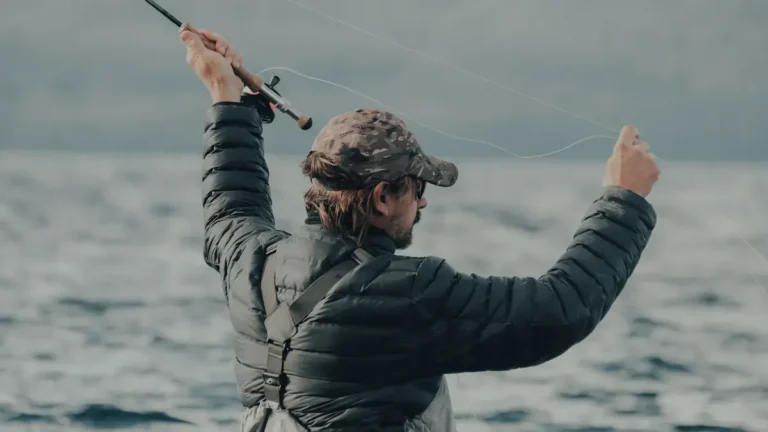
Then practice casting technique; use an overhand cast, bend your arm, and flick to gain distance and accuracy. Walk the beach to find troughs and feeding areas, and change spots should you’re not getting bites.
Stay patient, talk with nearby anglers, and share tips to build confidence. Keep safety in mind once waves pick up, and enjoy the community as you learn.
What Surf Fishing Is and How It Differs From Other Shore Angling
While surf fishing looks a lot like other types of shore angling, it’s a distinct skill that asks you to read waves, cast for distance, and fish beyond the breaking zone where bigger fish feed. You’ll stand on sand or wade into surf, aiming for troughs and current seams instead of quiet rocks or estuaries.
That focus on distance and timing links to its historical origins at the time coastal communities cast from shore for food and trade. You’ll learn to watch swell patterns, tide shifts, and where bait moves.
Compared with pier or bank fishing, surf work needs stamina and situational awareness. You’ll also join others who care about environmental impact, practicing leave no trace and protecting dune habitat as part of the tradition.
Essential Surf-Fishing Gear: Rod, Reel, Terminal Tackle and Safety
Choosing the right surf-fishing gear can make the difference between a frustrating day on the beach and a trip that leaves you smiling, so you’ll want to get a few basics right from the start. You’ll pick a rod and reel that match your target and comfort, then set up terminal tackle that handles shifting tides.
Pay attention to weather conditions and wear protective clothing so you feel safe and welcome in the community.
- Rod and reel balanced for distance and control
- Terminal tackle like sliding rigs, circle hooks, and sand grip sinkers
- Line and leader choices that match local fish and currents
- Safety items including life vest, waders, and sun protection
You’ll join others who care about smart, simple prep.
Choosing Rod, Reel & Line for Surf Fishing
As you pick gear for surf fishing, rod length and power set how far and what you can catch, so choose to match the fish and the conditions.
You’ll want a fixed spool or spinning reel with a smooth, strong drag to handle big runs and surf shock. Match that to a braided or mono line with the right strength and thin diameter so your casts go farther and your hookups stay secure.
Rod Length & Power
In case you want to reach fish beyond the breaking waves, rod length and power are the two things you’ll pick initially, because they determine how far and how well you can cast and fight a fish.
You want a rod that balances casting distance with rod flexibility so your bait flies true and your hook holds at the pull comes. Pick length for surf conditions and target species, and pick power for the fight you expect.
- Shorter 8 to 9 foot rods for accuracy near jetties and calmer surf
- Mid 9 to 11 foot rods for versatile casting distance and control
- Long 12 to 15 foot rods for max distance and launching heavy baits
- Match medium to heavy power with your prey and line weight
You’ll feel supported learning alongside other anglers.
Reel Type & Drag
Because a reel can make or break your surf day, you want to pick one that balances casting distance, smooth drag, and durability.
You’ll likely choose a fixed spool for long casts and a size that matches your rod. Consider drag adjustment that lets you tire big fish without snapping line and that clicks or feels predictable as you pull.
You’ll want corrosion resistant materials and sealed bearings so salt won’t steal your joy. Learn basic reel maintenance like rinsing after use, loosening drag for storage, and occasional lubrication.
Join other anglers, ask what reels hold up locally, and evaluate one in hand. That shared advice helps you choose gear that keeps you on the beach, casting with confidence.
Line Strength & Diameter
If you desire your casts to land where fish are and come tight against big pulls, choose line strength and diameter that match the rod and reel and fit the surf conditions you face most. You’ll pick braid or mono based on distance and feel. Match spool capacity and drag to the pound rating you trust, while considering line abrasion from sand, rocks, and teeth.
Diameter measurement helps you compare braid and mono so you get the feel and wind resistance you want. You’re not alone in making these choices. Review this simple guide to help you belong on the beach with gear that works.
- Use 15 to 30 pound braid for distance and low stretch
- Add 20 to 40 pound mono leader for shock absorption
- Inspect line for nicks to reduce line abrasion risk
- Take note of diameter measurement during spooling to match reel capacity
How to Read Tides, Currents, Beaches and Where to Cast
You’ll want to start through reading tide charts so you know at what time the water will push fish close to shore and at what time it will pull them away.
Then look for current lines and sandbars where bait and baitfish collect, because fish often hold along those edges.
Finally pick casting zones that match the tide and currents, and be ready to move as the beach changes through the day.
Read Tide Charts
Want to know at what time and where the fish will be feeding along the shoreline? You’ll read tide charts to plan your day, using tide prediction and lunar cycles to spot feeding windows.
Charts show high and low times, ranges, and rate of change. You’ll learn during water moves onto flats and into troughs so you can cast where fish feed.
- Check local tide tables for high low times and height
- Observe moon phase to understand stronger tidal shifts
- Watch tide change speed for incoming or outgoing bite periods
- Combine tide info with beach features like troughs and sandbars
Reading charts makes you feel confident. You belong to a group that plans, shares spots, and respects the sea.
Identify Current Lines
How do you spot the lines in the surf where fish are waiting? You look for color shifts, foam edges, and bait movement. Watch where waves peel and where foam funnels out. Those are current lines formed through current effects and tide flow. You and your crew will feel included once you share observations and keep simple line maintenance habits like checking knots and traces.
| Foam edge | Dark water | Bait swirl |
|---|---|---|
| Peeling waves | Rips and troughs | Shrimp schools |
| Sandbar gap | Calm pocket | Floating debris |
Notice how pockets and breaks connect. Move with friends, compare views, and adjust placements. Read the water slowly, trust your eyes, and keep gear ready for quick changes.
Choose Casting Zones
Once you learn to read tides, currents, and beach shapes, you’ll pick casting zones that hold fish and save time on the sand. You’ll look for troughs, sandbars, and cuts where currents meet and bait concentrates.
Watch wave patterns to find where water pours off bars and where ripples point seaward. Be mindful of surf hazards and move to safer cast points as needed. Trust your crew and share observations so everyone feels included.
- Cast into outgoing seams where bait drifts fast
- Target bar edges where waves break and hide prey
- Fish near holes that form behind sandbars at low tide
- Avoid rocks, rip currents, and slick drop offs for safety
Practice reading conditions and you’ll belong on any beach.
Rigging, Casting & Retrieval: Setups and Techniques That Work
At the moment you’re setting up for surf fishing, the right rig and a confident cast will make the difference between a long day and a great day on the beach.
You’ll pick a fish finder or drop rig, attach a sand grip or pyramid sinker, and tie a 2 foot leader with a circle hook. Use the rod length and reel size that match distance needs, then practice an overhand cast for accuracy.
Once your bait lands, keep a little slack line so the fish can take it without feeling pressure, but don’t let it get tangled. For lure retrieval, vary speed and add small pauses to mimic injured prey.
These setups and gentle techniques will build your confidence and team spirit.
Best Baits & Lures for Common Surf Species
A small tackle box can make a big difference as you head out for surf fishing, because picking the right baits and lures for the species you want changes everything.
You want options that match snook, bluefish, pompano and whiting, and that respect bait storage and environmental impact concerns. Pack live shrimp in a bait well, frozen cut bait in sealed bags, soft plastics for scent, and spoons or jigs for casting distance.
Shifting between these keeps you adaptable and confident.
- Live shrimp for picky eaters and natural scent
- Cut bait for big cruisers and long holds
- Soft plastics for scent and subtle action
- Spoons jigs and topwater for distance and strikes
You’ll feel welcome learning what works.
Safety, Beach Etiquette, Catch-Care and Quick Troubleshooting
Because surf fishing puts you close to changing water, wind and people, you’ll want to start with safety and good manners so your day stays fun and productive. Watch sun exposure with a hat, sunscreen and regular water breaks. Scan surf for rip currents and never fish alone in rough water.
Stay aware of lines and hooks to avoid injuring others. Practice respectful behavior through keeping distance from fellow anglers, controlling dogs and packing out trash.
For catch-care and quick troubleshooting, keep pliers, wet cloth and a cooler ready. Handle fish with wet hands and avoid squeezing. Should a hook be deep, cut the leader and release as soon as possible.
In case gear tangles, stay calm, untangle line gently and recheck knots before casting again.
Frequently Asked Questions
What Permits or Licenses Do I Need for Surf Fishing Here?
You’ll need a valid saltwater fishing license, any local permits, and to follow state regulations for your fishing zones; check shore-specific rules, seasonal closures, and community advisories so you’ll belong and fish responsibly together.
Can I Surf Fish at Night and What Lights Are Allowed?
About 70% of surf anglers prefer night sessions; yes, you can fish after dark, but you’ll want night rigs and safety lighting-use low‑glow LEDs or headlamps, follow local rules, and watch out for waves and other anglers.
How Do I Transport and Launch Large Surfcasting Gear Safely?
Carry long rods in padded tubes, secure reels and check gear maintenance before travel. Use rod holders on your vehicle and at the beach, lift with a buddy for launches, and rotate gear to avoid strain.
Are There Seasonal Closures or Protected Species to Avoid Harvesting?
Yes - you should check seasonal restrictions and protected habitat rules before fishing; you’ll avoid harvesting protected species, follow local closures, and join community stewardship to keep beaches healthy and inclusive for all anglers.
What Local Bait Shops or Guides Do You Recommend Nearby?
“A stitch in time saves nine.” You’ll want to try Harbor Tackle and Shoreline Guides; they’ll give bait selection tips and friendly tackle advice, and you’ll feel welcomed into the local surf fishing community.