Book Appointment Now

9 Seasonal Fishing Patterns: Follow Fish Migration

Match fishing trips to seasonal fish moves and catch rates go up - most anglers report better results that way. Spring sees fish head to feeding and staging areas before spawning, summer pushes them into deep, cooler layers, and fall brings hungry fish back toward shore. This guide shows where to fish, what baits work, and how tides, flow and weather shift patterns. With a little practice, timing and spot choice will turn empty days into more bites.
How to Use This Guide: Read the Season, Pick the Spot
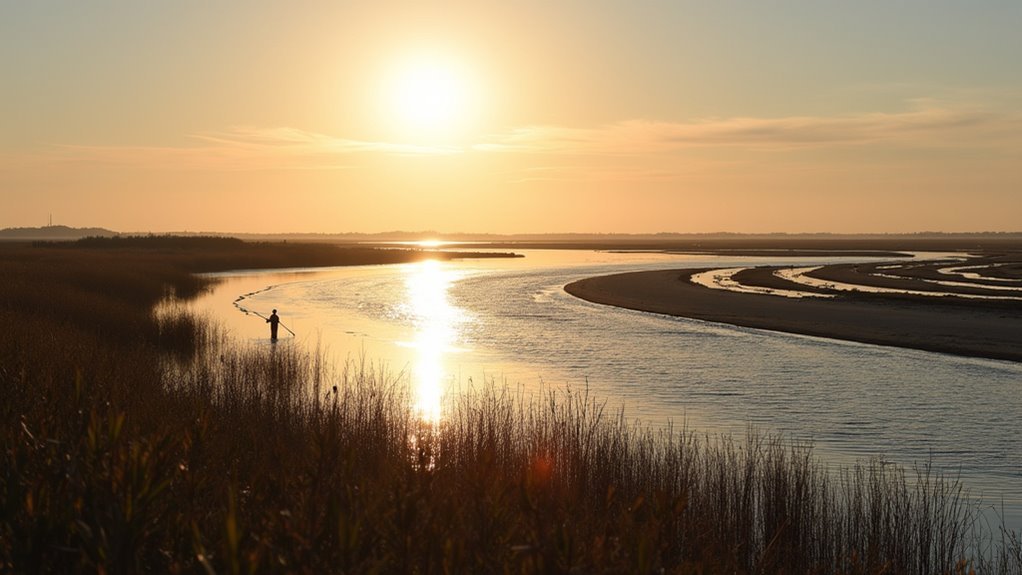
If you desire better catches, start through reading the season and picking the spot that matches it. You’ll feel part of a group that plans together and learns together.
Read seasonal clues like water temperature, currents, and bait presence. Match seasonal gear to conditions, easing your work and enhancing confidence.
Try simple location sampling by checking nearby spots at different times, observing what you see and feel. Share notes with friends so you’re not guessing alone.
Rotate lures, lines, and clothing as seasons shift. Learn common migration cues, then pick areas where fish feed or rest.
Keep records of your trials to refine choices. You’ll grow more certain, more welcome in the community, and catch more often.
Spring Fish Movements: Where They Go as Waters Warm
Ever wonder where fish go as spring warms the water and life seems to hurry awake? You’ll notice many species follow warming currents toward feeding and spring spawning zones where food blooms. You feel part of that pulse, watching edges of rivers, estuaries, and coastal shelves fill with movement. The table below shows simple spring shifts you can spot.
| Habitat | Movement |
|---|---|
| Estuary | Schooling into shallow nurseries |
| Coastal shelf | Northward feeding runs |
| Tributary mouths | Pre-spawn congregation |
You’ll find timing varies with temperature and local currents, so check water and friend reports. As you learn spots, you belong to a patient community that reads tides and temp, sharing small wins. Keep watching subtle signs and trust what the season teaches you.
Pre-Spawn Staging: Top Spots, Baits and Timing
Where do fish gather just before spawning, and how can you read those spots like a pro?
You’ll learn to spot shallow flats, current seams, and sheltered bays where fish stage. Look for warmer patches, bottom structure, and schools holding near cover. Use live baits, soft plastics, and scented rigs to match feeding moods.
Timing matters; arrive at dawn or dusk and during tidal shifts or post rains that mimic Andean spawning triggers for some species.
Be aware of dam impacts and migration barriers that change staging locations and crowd fish into new chokepoints. In big rivers envision Amazon travel routes that funnel fish.
You’ll belong to a caring angler group once you share observations, swap baits, and protect staging areas for future seasons.
Spawning Migrations: Cues, Timing and Tactics
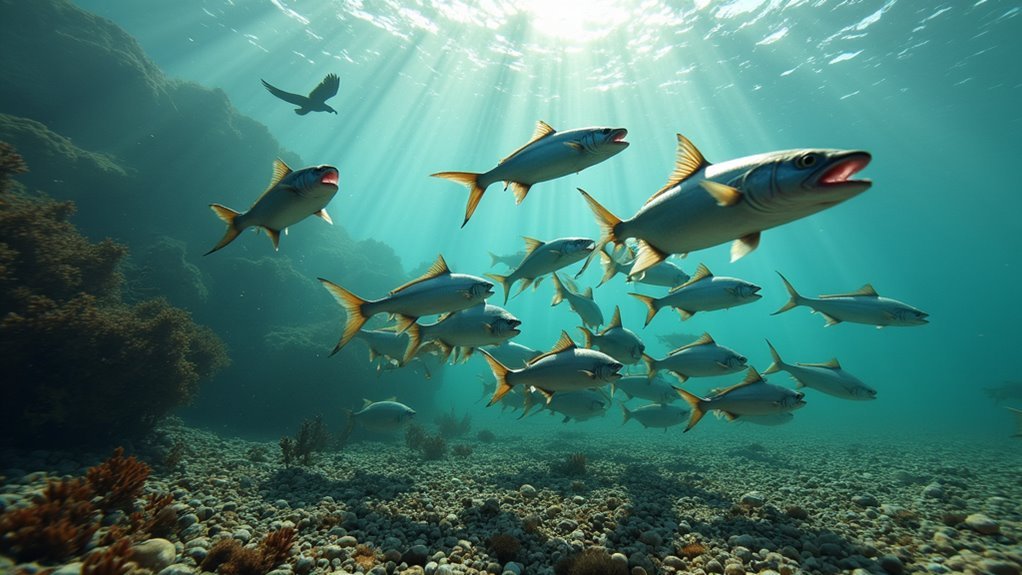
As water temperatures shift and food lines up just right, fish begin long, driven treks toward their spawning grounds, and you can learn to read those cues like a seasoned angler. You’ll notice migration cues in rising temps, changing currents, and sudden baitfish clouds. Timing varies among species and place, so you’ll watch charts and local reports.
Your spawning tactics should match the run. Move quietly to river mouths, shelf edges, or reef ledges where fish concentrate. Use lighter presentations for wary spawners and bigger baits for fast movers.
Share spots, swap observations, and fish with friends so you’ll learn faster and feel part of a community. Stay patient, adapt to conditions, and celebrate each successful read of the run.
Post-Spawn Recovery: Where to Find Refueling Fish
After spawning, you’ll want to target nearby holding areas where fish rest and rebuild energy, such as quieter bays, current breaks, and structure-rich flats that hold bait.
Use prime refueling baits like small forage fish, shrimp patterns, and scent-rich soft plastics to match what the fish are feeding on and encourage steady feeding.
With patient observation and a shallow approach you’ll find fish more forgiving now and ready to feed, so move calmly between likely spots and change baits until you hit the right match.
Post-Spawn Holding Areas
Consider post-spawn holding areas as the slow, safe harbors fish use to rest and refuel before they head back to feeding grounds. You’ll find fish gathering in deep channels and sheltered coves where currents slow and food drifts in.
These spots offer cooler water pockets, shade, and structure that reduce stress for recovering fish. You feel comfort understanding others share this insight, and you’ll want to scout edges where cover meets open water. Watch for subtle surface activity, schooling silhouettes, and gentle current lines.
Move quietly, use light gear, and let patience guide you. Through tuning into these places you join a community of anglers who respect fish needs and enjoy steady, rewarding days on the water.
Prime Refueling Baits
Curious what baits will help you find those post-spawn fish holding in deep channels and sheltered coves? You’ll want baits that match local forage and trigger natural feeding behavior.
Consider small schooling baitfish imitations, soft plastic shad, and live minnows whenever available. In murky water try scented soft plastics and fat profile jigs to catch attention. In clear water use subtle colors and natural action to mirror prey.
Vary retrieve speed to match how hungry fish are and watch for pauses that spark strikes. Your bait selection should reflect local migrations and food pulses so you feel confident and connected to place.
Share tips with fellow anglers, swap favorite rigs, and learn together as fish refuel and you refuel your skills.
Summer Stratification: Deep-Water Holding and Tackle
As water warms in summer and settles into layers, fish often tuck into cool, deep bands where oxygen and food line up just right, and you’ll want to understand at what points those layers shift what gear and tactics work best. You’re part of a community that cares for the water and each other, so learn to read thermal layering and watch for oxygen depletion. Use downriggers, weighted rigs, and electronics to reach the band where fish hold. Be patient, share signals with buddies, and adapt depth slowly. Below is a simple guide to match tackle and behavior.
| Depth Zone | Recommended Tackle |
|---|---|
| Epilimnion | Light lures |
| Thermocline | Suspenders |
| Hypolimnion | Heavy jigs |
| Transitional | Slow presentations |
| Surface | Topwater gear |
Fall Feeding Pushes: Timing Big Feeding Frenzies
As temperatures start to fall, you’ll notice baitfish move toward warmer pockets and tighter schools, and that migration is what draws predators into focused feeding zones.
Once the water cools, you can expect sudden, intense feeding frenzies near shorelines, channels, and current breaks where bait concentrates and fish stage for winter.
Watch temperature drops and baitfish lines on your sonar, because timing your casts to those shifts will put you in the middle of the action and make your outings more productive and exciting.
Baitfish Migrations
As water cools in the fall and food starts to shift, baitfish stage big feeding pushes that force predators and anglers to pay attention. You’ll notice schools compressing along currents, and that change rewires baitfish ecology as they chase plankton and small crustaceans.
That packed energy draws baitfish predators close to shore and structure, so you can find concentrated action should you follow the bait. Watch for surface boils, diving birds, and rapid current lines.
You’ll want to move with the schools, cast where predators funnel bait, and use smaller profiles that match the frenzy. Trust your instincts, talk with fellow anglers, and stay patient. Once you read the signs, you’ll belong to the rhythm and catch the payoff.
Temperature Drop Triggers
Why do fish suddenly turn frantic as water cools? You feel it too as fall tightens its grip and feeding ramps up.
As thermal gradients sharpen, prey concentrates along edges where warm and cold water meet. You watch cold currents push bait into narrow lanes, and predators follow like family to a familiar table.
You’ll want to cast where layers converge and move with the tides that reshape those lanes. Stay patient and ready to change depth or bait.
Talk with other anglers, share spots, and you’ll learn subtle shifts faster. You belong to a group that reads the water and adapts. Trust your instincts, trust the patterns, and enjoy the rush once everything lines up.
Pre-Winter Feeding Zones
As water temperatures begin slipping toward winter, you’ll observe fish shifting fast into tight, hungry groups, and you’ll want to be where they gather. You feel part of a team once you learn the rhythms of Capelin currents and Tuna zones, and that sense of belonging guides your timing.
Watch shorelines, shoals, and channel mouths where bait concentrates. Move with patience and share spots respectfully with others who know the season.
- Read the water for warm streaks that mark Capelin currents drawing predators together.
- Track Tuna zones through following birds, baitfish boils, and current edges.
- Time your outings for dawn or dusk during feeding frenzies peak.
Keep learning, trade observations, and fish with care.
Winter Holding: Cold-Water Locations and Methods
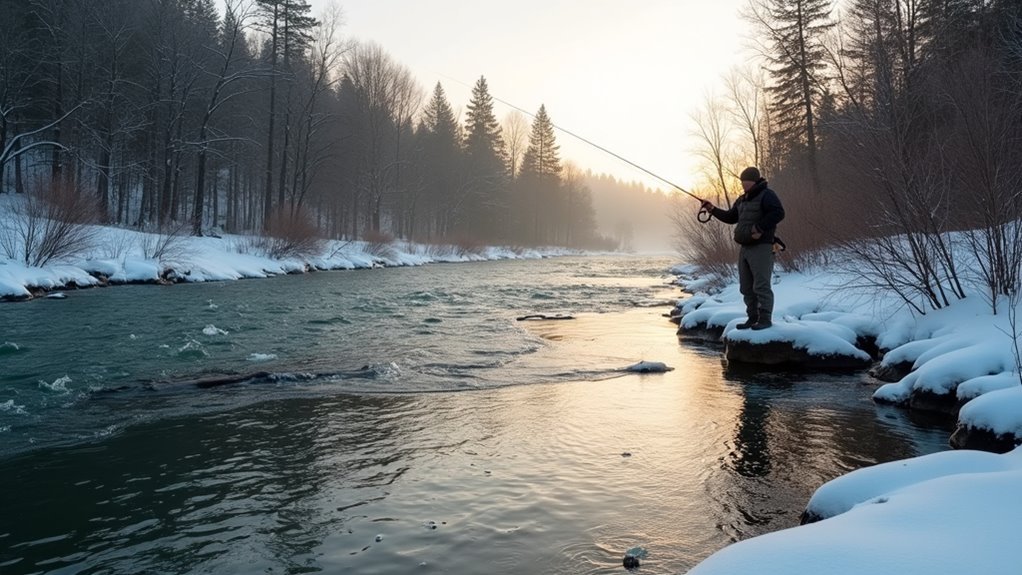
As water temperatures drop and food becomes scarce, fish will seek out cold-water refuges where they can conserve energy and ride out the winter; you’ll often find them gathered in deep channels, sheltered bays, or near steady currents that bring enough oxygen and occasional food. You belong here with other anglers who respect winter refuges and share tips for ice fishing and quiet patience. Below is a simple table that helps you compare spots and methods.
| Location | Why it works | Method |
|---|---|---|
| Deep channels | Stable temp and oxygen | Vertical jigging |
| Sheltered bays | Less freeze, bait holds | Slow trolling |
| Steady currents | Brings food | Drift with light rigs |
Stay respectful, learn local patterns, and fish with friends for safety and warmth.
Short-Term Moves: Reading Tide, Flow and Weather
You’ve already learned where fish hold in winter, and now you’ll use that knowledge to read short-term moves induced through tide, flow and weather. You belong here with other anglers who watch patterns, use tide prediction tools, and observe weather impact.
Stay calm, trust observations, and share understandings with your group.
- Watch current seams, eddies and depth changes to find feeding lanes.
- Match bait and timing to rising or falling tide windows revealed in tide prediction charts.
- Track sudden weather impact like pressure drops that push fish into shelter.
You’ll connect seasonal holding with daily shifts. Read flow, adjust drift, and lean on friends whenever you’re unsure. You’ll learn faster together.
Frequently Asked Questions
How Do Dams Alter Long-Term Freshwater Migration Routes?
They disrupt routes, so you lose access to spawning and nursery areas; barrier effects and habitat fragmentation fragment populations, reduce genetic flow, lower fisheries productivity, and isolate communities, but you can restore passage with thoughtful mitigation.
Will Climate Change Permanently Shift Local Fish Species Composition?
Yes - you’ll likely see lasting shifts as species track temperature tolerance and altered breeding cycles; you’ll adapt alongside neighbors, sharing knowledge and stewardship to protect local fisheries, habitats, and community food security for generations.
How Far Do Tuna Travel Across EEZ Boundaries Annually?
You’ll see tuna travel hundreds to thousands of kilometers across EEZs yearly-tuna tracking shows migration distances often span entire ocean slices. You’re part of a global community following their expeditions, sharing data and stewardship.
What Are Signs of Nutrient-Driven Productivity From Sequential Migrations?
You’ll see plankton blooms fueling clear increases in primary production, richer sediment deposits from migrating species’ wastes and carcasses, recurring nutrient pulses, denser juvenile fish and invertebrate gatherings, and community members celebrating renewed abundance.
Can Ocean Current Changes Reverse Typical Poleward Movements?
Yes - you’ll see currents flip like a river changing course; thermal shifts can trigger migration reversal, so communities relying on shared seas won’t be surprised at the moment fish reroute, and you’ll adapt together with steady cooperation.