Book Appointment Now

Is Fishing a Sport

Fishing can be a sport for many anglers, depending on style and intent. Some types demand real physical effort, technical skill, and competitive rules. Fly fishing, bass tournaments, and saltwater battles each require different training and gear mastery. Other forms of angling focus on relaxation, nature, or conservation. That debate between sport and pastime is what makes fishing so interesting.
What People Mean by “Is Fishing a Sport?
What do people really mean as they ask whether fishing is a sport? You’re often hearing more than a simple question. People bring together social perceptions and historical backgrounds at the moment they ask.
You’ll spot friends who value physical challenge, and others who honor tradition and calm. You’ll meet anglers who point to skill, timing, and strategy. You’ll also find critics who focus on relaxation or luck.
Through listening, you’ll understand that the debate mixes ideas about effort, community, and identity. You’re invited to belong to that conversation. You’ll relate once someone recalls family trips or tournament stories.
That shared memory helps bridge different views and shows why the question keeps coming up.
Quick Answer: Is Fishing a Sport?
You may wonder whether fishing counts as a sport, and a quick look shows it often does whenever physical skill and technique matter.
In case you’re casting, stalking fish, or battling a strong catch you use strength, timing, and learned skill similar to other sports, and competitive events like tournaments put clear rules and stakes around performance.
At the same time recreational fishing lets you relax without pressure, so whether it’s a sport can depend on your goals and the situation.
Physical Skill Requirements
Although fishing often looks calm on the surface, it still demands real physical skill and effort that many people don’t expect.
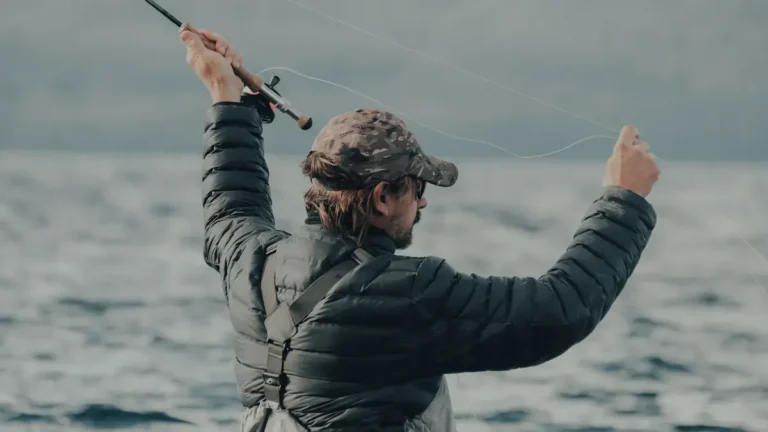
You learn equipment expertise initially, understanding rods, reels, line strength, knots, and how each part works together. Then you practice casting techniques until motion feels natural and confident.
You use your body to read currents, brace against a fighting fish, and adjust posture during long wades. You build stamina from hours of patience and quick bursts of strength whenever a fish takes the bait.
You also sharpen hand eye coordination and timing so you set hooks cleanly. As you join others, you’ll find support, share tips, and grow with people who respect the craft and the challenge.
Competitive Fishing Events
During competitive fishing events that bring anglers together under timed rules and prize stakes, they show the sport side of fishing clearly and directly. You join teams, share tips, and feel seen as you chase skill and fellowship. Events mix strategy, casting accuracy, boat handling, and ethical choices like catch release to protect fish and habitat. You compete for prize money and honor while following strict rules that create fair play and community trust.
| Event Type | Skill Focus | Social Vibe |
|---|---|---|
| Bass Tournaments | Casting, strategy | Teamwork, cheering |
| Fly Fishing Cups | Presentation, timing | Gentle mentorship |
| Offshore Opens | Course plotting, strength | Shared expedition |
These events bind you to others who value challenge, respect, and belonging.
Recreational Versus Sport
How do you decide whether fishing is a sport or just a hobby? You’ll weigh intent, effort, and community.
In case you fish for calm weekends, social time, and nature, you’re in recreational mode. Provided you chase challenge, test skill, and measure success against others or records, you tilt toward sport.
Both paths share care for gear and practice like equipment maintenance and learning local fishing ethics. You’ll see overlap: fly casting builds strength while also soothing the mind.
Tournaments add stakes and rules, yet casual trips teach the same tactics. You’ll belong whether you’re learning knotwork with friends or prepping for a derby.
Respecting fish and habitats connects everyone and turns pastime into purpose without judgment.
Criteria: How We Define “Sport
Once you set out to decide whether an activity is a sport, you need clear criteria that mix physical effort, skill, and structure, and you’ll find those same measurements help decide whether fishing belongs in that category.
You’ll look at historical definitions and linguistic analysis to see how people have named contests, trials of skill, and organized play. You’ll weigh physical exertion, technical skill, and consistent rules. You’ll also consider competition, records, and governing bodies like IGFA.
You want to belong to communities that value fairness and expertise, so you’ll check traditions, tournaments, and ethical standards. Through comparing these parts, you’ll see where fishing fits on a continuum from leisure to recognized sport.
Physical Demands Across Fishing Styles
At the time you stand on a rocky shoreline for hours casting and reeling you feel endurance in your legs, shoulders, and focus.
On the other hand deep sea trips demand raw strength and stamina as you battle big fish from a rocking boat, often using heavy tackle and teamwork. Comprehending these contrasts helps you see how physical demands shape whether a style feels like a sport to you.
Shoreline Endurance Demands
Should you spend time fishing from the shore, you’ll soon notice that endurance matters as much as patience, because standing, casting, and reading water can turn a short outing into a long workout. You’ll build shoreline stamina through pacing your sessions, shifting stance, and alternating cast types so your shoulders and legs don’t fatigue.
Walks along rocks and sand teach coastal wayfinding and help you find feeding lanes. Whenever wind picks up, you’ll brace your core and breathe steady. Bring layered clothing, snacks, and a small stool to manage energy.
You’ll bond with others who share tips on pacing and posture. These practical habits keep you comfortable, confident, and part of a welcoming shore fishing community.
Deep Sea Strength Requirements
Deep sea fishing challenges your body in ways shoreline outings don’t, so you’ll want to know what strength and stamina you need before you head out. You’ll rely on core stability to brace against rolling decks and to stay balanced whenever a big fish runs.
Expect longer bouts of muscle endurance than in lake fishing because fights can last minutes to hours. Ocean currents add resistance, so you’ll use legs and back more to stay planted and control your rod.
Heavy tackle needs grip strength and coordinated pulls, and working a winch or gaff calls for short bursts of power. You’ll benefit from steady cardio, joint mobility, and partner teamwork. This keeps you safer and more confident on long trips.
How Different Styles (Fly, Bass, Saltwater, Ice) Compare
Although each style of fishing feels different, you’ll find they share the same pulse of challenge and reward, so comparing fly, bass, saltwater, and ice fishing helps you pick what suits your heart and skill.
You’ll notice equipment comparisons matter initially. Fly gear is light and precise, bass rigs favor power and versatility, saltwater gear handles heavy runs, and ice setups stay compact for cold.
You’ll also care about environmental impacts as you choose locations and methods. Fly fishing often seeks delicate streams, bass fishing visits warm lakes, saltwater reaches open ocean ecosystems, and ice fishing uses frozen inland waters.
Each style invites a welcoming community. You’ll fit in through learning local norms, practicing ethics, and sharing simple kindness.
Competitive Fishing: Tournaments, Rules, and Scoring
As soon as you step into a fishing tournament, you’ll notice rules shape everything from what gear you can use to how catches are weighed and recorded, and that structure keeps events fair and fun for everyone. You’ll learn scoring systems that count weight, length, or species diversity, and you’ll join others who value clear standards.
Rules include safety, permitted tackle, and catch-and-release handling. Organizers use ethics enforcement to keep anglers honest and protect fish. Judges perform record validations and log data, so your effort is recognized. You’ll find marshals, scales, and time checks at each stage.
Whenever you compete, you’ll feel part of a community that prizes skill, respect, and shared memories on the water.
Governing Bodies and Legal Recognition of Fishing
You’ll notice that fishing sits under both international sporting federations and national legal regimes, and that mix shapes how it’s seen and run.
International groups like the IGFA set rules, records, and ethical standards that help tournaments feel official and fair. At the same time your country’s laws decide licensing, conservation limits, and whether certain competitions are recognized as official sports events.
International Sporting Federations
A clear set of international federations gives sport fishing the structure and recognition it needs to grow, compete, and stay ethical, and you’ll find they shape everything from tournament rules to world records.
You join a global community whenever you follow fishing federations that set fair play, safety, and conservation standards. These bodies create uniform rules so your catches count the same everywhere. They work with national groups and event organizers to certify records and train officials.
Through international governance you get pathways to higher competition, clearer ethics, and protected fisheries. You feel seen whenever standards respect culture and skill. You also gain confidence because shared rules reduce disputes and help tournaments run smoothly, fairly, and sustainably.
National Legal Status
During the period national governments create rules for fishing, they don’t just set limits on seasons and sizes, they shape who gets to call fishing a sport and who must follow commercial laws; you see this in how agencies and courts treat anglers.
National fishing legislation often names governing bodies to issue licenses, enforce quotas, and set safety standards. Those bodies also decide sport classification for tournaments, prizes, and access to public waters.
You’ll feel included whenever authorities invite community groups to advise on rules. Local clubs and federations work with regulators to protect tradition while meeting conservation goals.
Because laws affect your access and identity as an angler, staying informed and joining community voices helps preserve recreational sport fishing.
History and Culture: Pastime Versus Sport
Though fishing began as an essential way to feed families, over time it grew into something more personal and social, and you can feel that shift whenever you stand at a quiet river or on a crowded tournament boat.
You join communities where traditional ceremonies and cultural symbolism exist alongside friendly rivalries. You’ll see elders teaching knots, and you’ll hear stories of rites that mark seasons and identity. This shared past ties pastime and sport together. You find belonging in simple acts and in formal contests.
Visualize these scenes:
- A lakeside family cleaning gear and sharing recipes.
- A village rite blessing nets before the season.
- A local tournament with cheering neighbors.
- An elder showing a child a fly pattern.
You’re welcomed into a vibrant tradition.
Skill, Strategy, and Mental Demands of Angling
Once you pick up a rod and feel that initial tug, you step into a mental game that’s as sharp as the physical side of angling, and you’ll soon notice how planning, patience, and quick reasoning matter just as much as strength. You learn techniques, read water, and adapt whenever wind or rain changes the moment. You keep gear maintenance in mind so your tackle performs at the moment it counts. You join others, trade tips, and feel supported when a bad day still teaches you something. You balance intuition and study, and you sharpen decision making under pressure. Below is a simple visual to show key skills and why they matter.
| Skill | Why it helps |
|---|---|
| Reading water | Finds fish |
| Weather adaptation | Keeps you fishing |
| Strategy | Wins matches |
When Fishing Is Recreational, Therapeutic, or Conservation-Focused
At the moment you head out with a rod for fun, healing, or to help fish populations, you step into different kinds of fishing that share a calm purpose and clear rules. You’ll find unity in small rituals, friendly tips, and shared respect for water.
You feel welcome whether you’re alone or with a group. You notice therapeutic benefits in quiet casts and steady breathing. You also join conservation efforts whenever you practice catch and release and habitat care.
Imagine this simple range of experiences:
- Gentle solo outings for reflection and stress relief.
- Group trips that build community and teach skills.
- Volunteer days focused on habitat restoration.
- Guided sessions pairing therapy with nature connection.
You belong here, learning and caring together.
A Practical Checklist to Decide If Fishing Is a Sport for You
In case you found calm, community, or purpose in recreational fishing, you could be questioning whether to call it a sport and how that fits with your goals. Ask yourself whether you seek challenge, measurable progress, and friendly rivalry.
Check physical effort needed, skill growth, and how often you practice. Consider tournaments, rules you’d follow, and whether you enjoy mastering techniques like fly casting or bait selection.
Reflect on equipment maintenance and willingness to learn gear care. Reflect on your values about environmental impact and catch and release.
Notice whether you crave achievement badges or records, yet also want shared stories with peers. If most boxes feel right, fishing can be a sport that still welcomes your need for belonging.
Frequently Asked Questions
Can Fishing Improve Cardiovascular Fitness and Muscle Strength?
Yes - like a slow-burning fire alongside a river, fishing gives cardiovascular benefits and muscle engagement; you’ll feel your heart steady and arms, core, legs working during casting, hauling, and wading, bonding you with fellow anglers.
Is Catch-And-Release Harmful to Fish Survival Long-Term?
Catch-and-release can harm long-term fish survival in case you cause high fish stress or habitat disruption, but in the event you use proper handling, barbless hooks, quick release, and avoid sensitive habitats, you’ll protect populations and feel connected.
Do Fishing Records Account for Bait vs. Artificial Lures?
Yes - records document bait types and lure effectiveness; IGFA rules require reporting tackle. For example, you’d log live bait used at a world record tuna’s certified, helping you feel part of ethical, transparent angling community.
How Does Commercial Bycatch Affect Recreational Fishing Access?
Commercial bycatch reduces your recreational fishing access through harming marine ecosystems and shrinking target stocks; stronger fishing regulations and community advocacy help protect habitats, guarantee fair access, and keep you connected with fellow anglers.
Are There Age or Disability Classifications in Fishing Competitions?
Like a welcoming net, yes-many events include age divisions and disability classifications; you’ll see adaptive equipment allowances, permit accommodations, and inclusive rules so anglers of varying ages and abilities feel supported and compete fairly together.