Book Appointment Now

8 Fishing Trip Planning Tips: Prepare Like a Pro

Want to fish like a pro? Match gear, timing, and spots to the species and water for the best shot at success. Choose practical rods, lines, and backup tools that fix problems fast, plus baits and lures that mimic local prey. Scout with maps, apps, and local tips to find safe access and holding structure, and plan around season, tide, and cooler feeding hours. Keep goals simple, stay flexible, and a rushed outing can become a confident, productive day.
Quick Gear Choices to Catch More Fish Today
If you want to catch more fish today, start through choosing gear that matches the water and the fish you’re after, because the right tools make every cast count. You’ll feel part of a team whenever you pick rods suited to streams, rivers, or lakes and learn basic rod maintenance to keep action smooth.
Match line types to water clarity and fish size so you’ll avoid snags and lost hookups. Pack backup reels, extra line, leaders, and a small kit for quick repairs. Bring varied weights and bobbers to change depth easily, and keep spare leaders for sudden swaps.
These choices help you adapt fast, stay confident, and share success with friends on the water.
Choose Baits and Lures That Match Local Prey
You picked the right rods and packed backups, so now let’s match baits and lures to what local fish actually eat. You want to feel confident and connected to the place, so ask locals or check recent reports to learn common prey.
Use live bait whenever fish feed on minnows, worms, or crayfish. Live options often trigger bites whenever artificial lures fail.
For lures, match size and action to local forage, then tune lure colors to water clarity and light. Bright colors work in stained water, natural tones suit clear water.
Try a range of presentations like slow retrieves, twitches, and pauses. Keep spare rigs, swap quickly, and observe what works. You’ll learn fast and join the local rhythm.
Scout Top Fishing Spots and Access Points
Scout the best fishing spots through considering like the fish and the people who know them best. You’ll check local regulations, ask at bait shops, and study habitat mapping to find where fish feed and hide. Walk shorelines, scan underwater structure with apps, and observe safe access points that suit your group. Bring others into planning so you feel welcome and supported. Use maps to mark ramps, trailheads, and parking while recording rules and seasonal closures. Below is a simple visual to help organize ideas and share with friends.
| Spot Type | Access | What to Check |
|---|---|---|
| River bend | Shore or wade | Current seams, entry depth |
| Lake point | Boat launch | Dropoffs, vegetation |
| Estuary | Trail access | Tides, protected zones |
Pick Best Season, Tide, and Time of Day
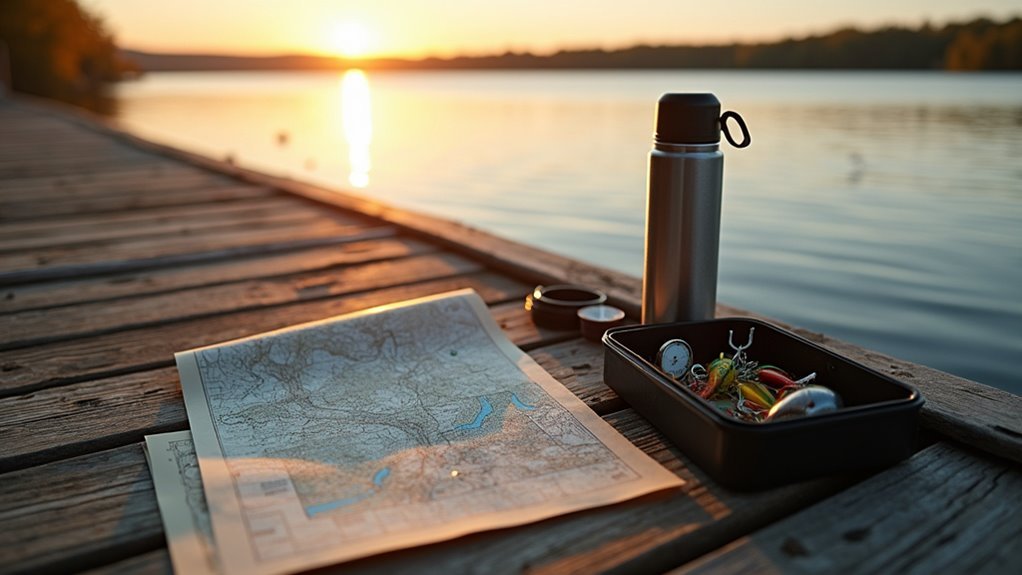
You’ll get more bites as you match the season to the species you’re after, so check spawning times and warm water preferences before you go.
For coastal fishing pay attention to tide charts and plan around incoming or outgoing tides that concentrate baitfish, and for inland waters pick cooler mornings or evenings during fish feed.
Reflecting about season, tide, and time together will help you choose the right gear and enhance your confidence on the water.
Best Season For Species
At what point’s the best time to target a specific species, and how do season, tide, and time of day fit together to improve your chances? You want to belong to a group that reads water and seasons.
Consider life cycles like spring spawning when fish move shallow and feed hard, or winter hibernation when they hide deep and slow down. Match species habits to seasonal food and cover.
Learn local migration windows, insect hatches, and baitfish runs. Use reports and talk with locals so you feel included and confident.
Plan gear for cooler or warmer water, adjust bait size, and be ready to change spots as conditions shift. That teamwork between you, the season, and the fish pays off.
Optimal Tide And Time
As tides change the shoreline and light shifts through the day, you can tune your timing to match fish behavior and catch more, so consider season, tide, and time of day as parts of the same rhythm rather than separate choices.
You’ll watch moon phases to predict stronger tidal currents and plan beach, estuary, or pier trips around moving water. In spring and fall you’ll find active feeding windows at dawn and dusk. During summer, aim for morning hours or late evening to avoid heat stress on fish and yourself.
Mid-tide often stirs prey without washing everything away, while slack tide can let you sight fish in clear water. Trust local reports, ask other anglers, and adapt with patience so you feel part of the community.
Read Wind, Clouds, and Water Signs to Find Fish
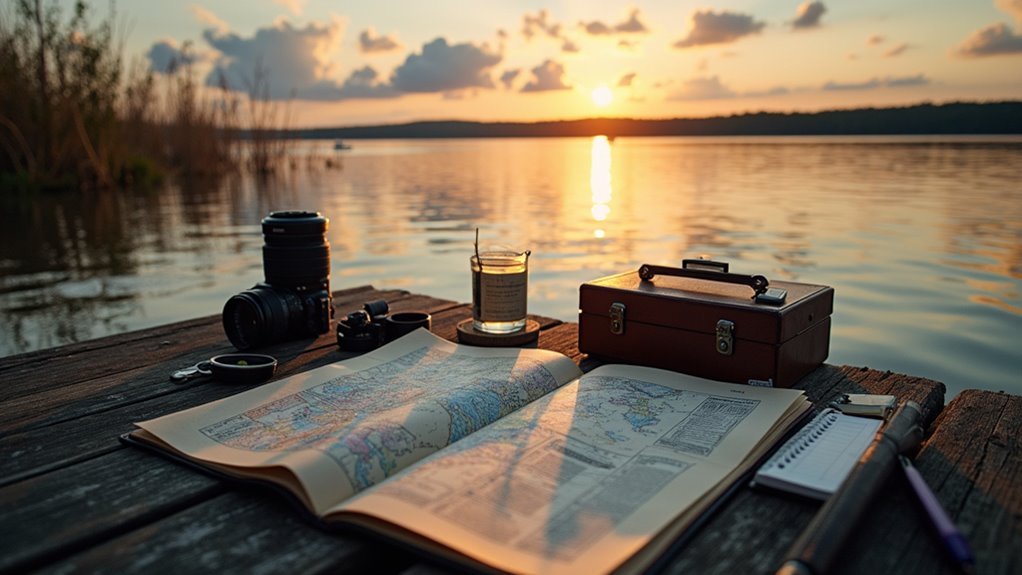
At the time you watch wind direction you can pick spots where bait and oxygen rich water pile up, so fish are more likely to feed.
Pay attention to cloud cover because it changes light and temperature and can make fish move shallower or stay deep.
Together these water and sky signs give you clear clues about where to cast next.
Wind Direction Clues
Ever questioned how wind can point you straight to the fish? Whenever you read wind direction and wind speed, you learn where bait and oxygen move. Fish follow food and cover, so a steady onshore breeze can push bait into shallow edges where you can cast.
A light breeze stirs the surface without spooking wary fish, while stronger wind speed forces them to deeper or sheltered spots near structure. Watch where ripples and current converge. Team with friends or local anglers to confirm patterns and swap spots. Adjust lures, cast angle, and retrieval to match the push.
Wear layers and check forecasts so you stay comfortable while you assess direction clues. You belong here, learning and sharing each small win.
Cloud Cover Effects
In case skies are thick with clouds, you’ll find fish behavior can change fast and in ways that actually help you, so learning to read cloud cover pays off every trip. Whenever clouds reduce bright glare, fish move from deep cover to feed nearer the surface because their light sensitivity drops and they feel safer.
You can cast shallower lures, use slower retrieves, and try natural colors that match dim light. Clouds also ease temperature regulation in shallow water, so target flats and edges where warmth accumulates after overcast mornings.
Watch for patchy clouds that shift shade and trigger feeding bursts. Talk with your group about what you see, adjust baits together, and celebrate small successes to build confidence and belonging on the water.
Pack a Minimalist Tackle Kit for Short Trips
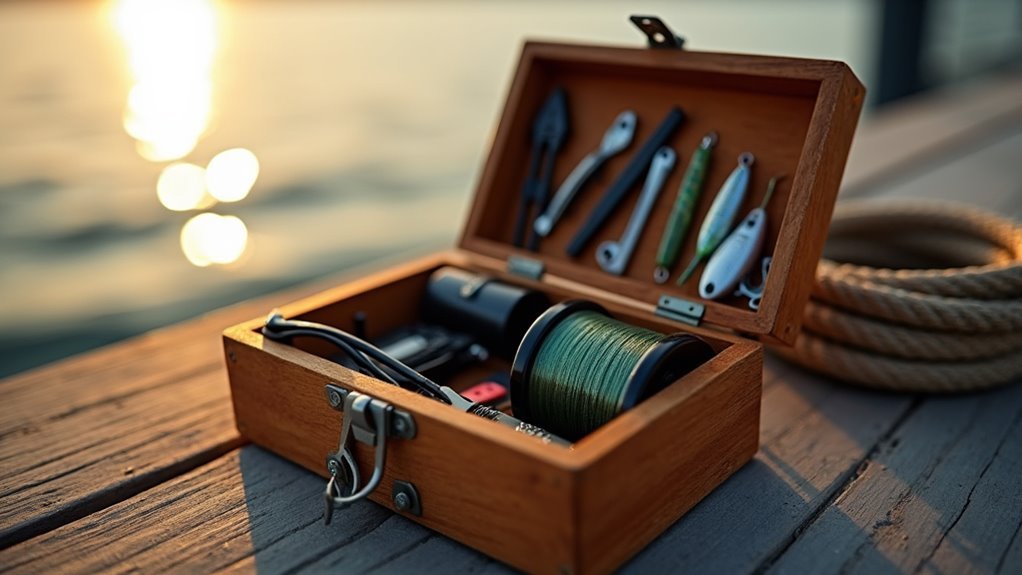
Packing light can make a short fishing trip feel effortless and fun, and you’ll appreciate having only what truly matters. You want a minimalist tackle kit that fits in one small bag and invites others to join without fuss.
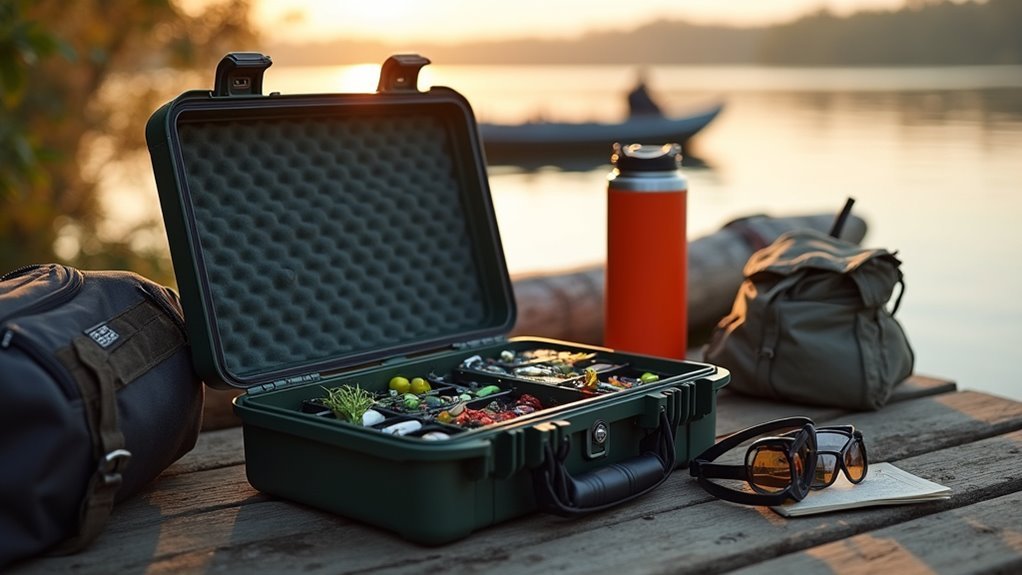
Choose line selection suited to your target fish, then pack a few versatile lures, soft baits, and hooks in labeled compartments. Add a compact storage box for leaders, swivels, and weights so things stay tidy.
Bring pliers, a small multi-tool, a spare spool, and a lightweight net. Include bobbers and a couple of sinkers for simple rigs.
Share gear with friends to reduce duplicates and build fellowship. This approach keeps you ready, nimble, and connected on the water.
Plan Safety, Permits, and Backup Plans
Because unexpected things happen on the water, you’ll want a clear safety and permit plan before you leave the dock. You should check local licenses and permits so you fit in with fellow anglers and avoid fines. Pack life jackets, a waterproof initial aid kit, and a charged phone in a dry bag. Share emergency contacts with your group and a trusted shore friend, and set check-in times.
Think about contingency planning for bad weather, equipment failure, or a missed tide. Bring spare lines, backup rod, basic repair tools, extra food, and warm layers. Practice basic boat repairs and understand nearby launch points.
Being aware of rules, staying prepared, and leaning on your crew builds confidence and keeps everyone included and safe.
Build a Simple On‑Water Game Plan
Upon stepping onto the water, a calm, simple game plan will keep stress low and fun high, so start with picking two clear goals for the day such as finding active fish and staying safe.
Decide where you’ll fish initially, at which point you’ll switch spots, and which lures you’ll try. Pair that with practical emergency protocols and agreed communication methods so everyone feels secure.
Talk about roles on the boat, who watches weather, who handles course plotting, and who carries first aid. Keep plans flexible and check in often.
Share simple signals for wind changes, contact loss, or injury. That way you belong to a thoughtful crew, you trust each other, and you can relax into the rhythm of casting, learning, and laughing together.
Frequently Asked Questions
Can I Keep and Cook My Catch at the Campsite Safely?
Yes - 70% of anglers say they cook fish at camp; you’ll want to keep a clean fish, chill it on ice promptly, use safe campsite cooking practices, share tasks, and follow hygiene rules so everyone feels included.
How Do I Transport Live Bait Across State Lines?
You should check legal restrictions initially, pack bait in secure bait containment like sealed, aerated containers, and carry permits in case required; don’t transport invasive species, ask locals for rules, and you’ll stay compliant and welcome.
What Are Best Practices for Storing Batteries and Electronics?
Visualize your gear snug in a dry crate; you’ll keep battery temperature moderate, store batteries separately, remove them from devices, use silica packs, seal gear for electronics waterproofing, and share tips with fellow anglers for safety and trust.
Can I Fly With Fishing Gear and Where to Check Airline Rules?
Yes - you can fly with fishing gear, but you’ll need to follow airline policies and expect baggage fees; check your carrier’s website, TSA rules, and call customer service or your travel community for advice and shared experiences.
How Do I Document Catches for Competitions or Permits?
You’ll document catches through recording photos, measurements, GPS, and timestamps in catch logs or digital apps, sharing entries with your team for verification, keeping backup copies, and following competition or permit rules so everyone feels supported and included.