Book Appointment Now

Fishing Travel : Explore New Fishing Destinations

A well-worn map on the dash promises new waters and quiet mornings. Plan with simple checklists and species targets, pick seasons and tides that match feeding windows, and sort permits and local rules to stay legal and safe. Choose the right style and launch spots, pack weather gear and backups, and book lodging near prime times. Learn conservation-friendly tactics that keep fish and memories alive.
Start Here: 5-Step Fishing Trip Checklist
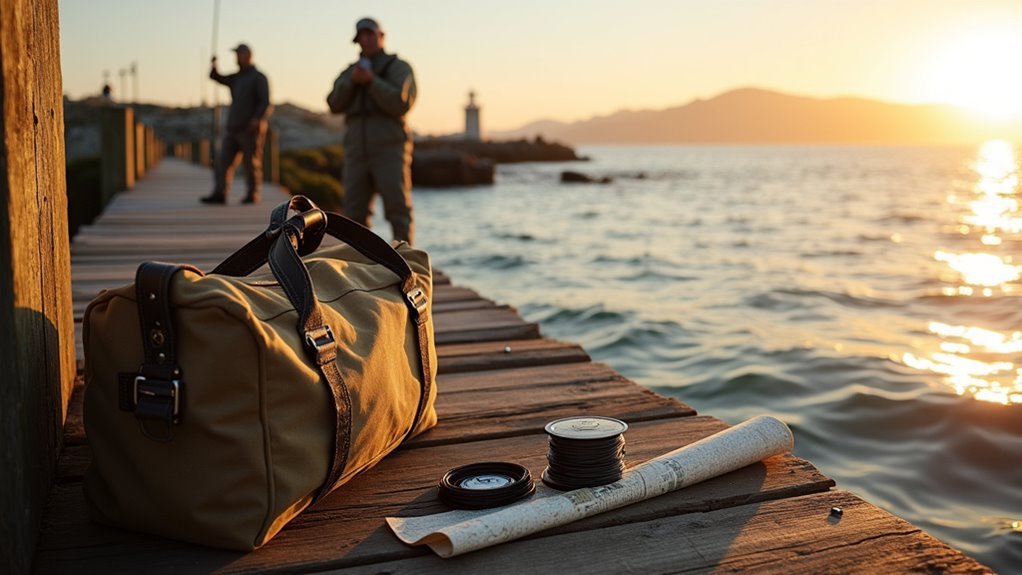
Ready to plan your best fishing trip yet? You’ll start with five clear steps that keep you safe and connected to your crew.
Initially, check weather preparation for your destination and pack layered clothing so everyone stays warm and dry. Next, confirm permits and local rules so you belong to the fishing community and respect spots. Then, organize gear and backups so rods, lines, and lures are ready.
Also assemble emergency kits with first aid, signaling tools, and spare phone power to protect the group. Coordinate transportation and lodging to match fishing times and group needs.
Finally, share plans with your partners, set expectations, and build excitement so everyone feels included and ready to fish together.
Choose a Fishing Destination by Target Species
Which species do you dream of landing initially, and how far are you willing to travel to get it? You want to belong to a community of anglers chasing exotic species or a local group after a trophy fish, and that choice shapes your trip.
Reflect on habitat, gear, and local guides who make you feel welcome. Pick destinations that match your skill and values, like conservation-minded lodges.
- Choose species: match saltwater or freshwater, such as marlin, peacock bass, or trout.
- Match gear and guide: make certain they focus on target species and inclusive learning.
- Consider access and culture: ease of travel, community warmth, and local norms.
These steps help you join trips that fit your heart and skill.
Time Your Fishing Trip: Seasons, Tides & Feeding Windows
You picked the species and the spot, and now you need to time your trip so the fish are where you want them to be. Plan around seasons that increase local activity, like spring runs for trout or summer peacock bass in warm rivers.
Check tides for coastal outings since incoming water brings bait and feeding windows widen. Use moon phases to predict stronger night bites and higher tides.
Watch water temperature and weather shifts because feeding patterns change fast after storms. Talk with locals and guides to learn subtle timing cues they trust.
Pack flexible plans so you can move days with the best windows. Whenever you belong to a community that shares timing tips, you feel safer and catch more.
Research Local Regulations & Licensing
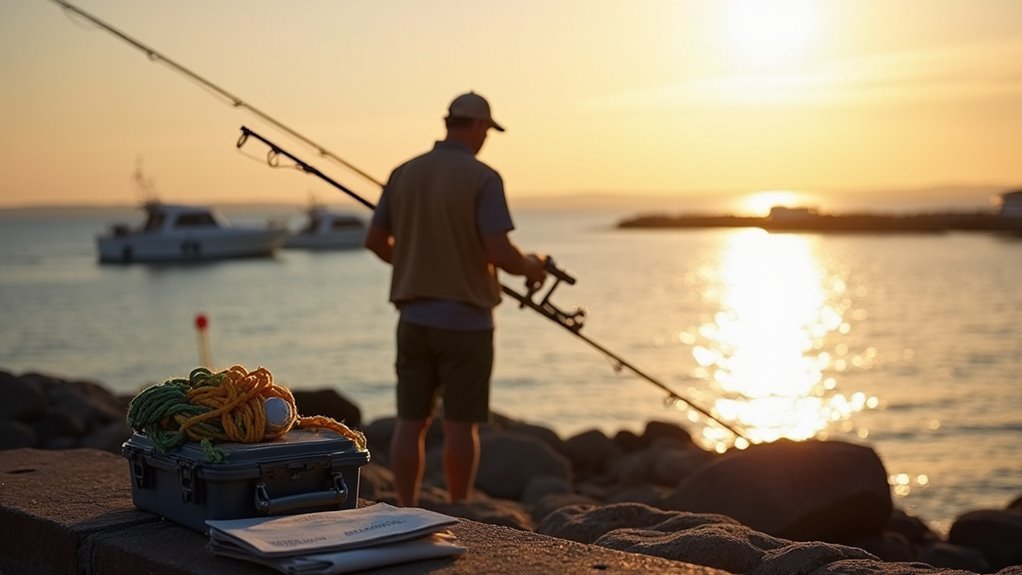
Laws and licenses matter more than you could conceive during planning a fishing trip, because they protect fish, keep you safe, and keep your trip drama-free. You want to belong to local angler communities, so check regulation updates and expected license costs before you go.
Know size limits, seasonal closures, catch and release rules, and protected species in the area you love.
- Check official sites for real time regulation updates
- Compare license costs and multi day or combo permits
- Ask local guides or shops for on the ground tips
These steps connect you to local practices, help you avoid fines, and show respect for waters and people who share them.
Pick the Right Fishing Style and Habitat (Fly, Bait, Fresh vs Salt)
After you’ve checked licenses and local rules, picking the right fishing style and habitat becomes much easier because you’ll know what’s allowed and at what time.
You’ll want to match technique to place and to the people you fish with. Should you crave calm rivers and stealth, fly fishing and dry fly work in Patagonia or Kushiro can bond your group through shared skills.
Provided you like simple bait rigs, family trips to Lake Titicaca or the Pantanal welcome all levels and teach basic casting techniques together.
Saltwater trips like Key West or the Bahamas invite deep sea gear, boat teamwork, and different tackle choices.
Consider habitat diversity when choosing destination and method so everyone feels confident, included, and excited to learn.
Pack Gear by Destination
Before you pack for a fishing trip you’ll initially consider the climate so your clothing, rain gear, and sun protection match the weather of places like Patagonia, the Amazon, or Key West.
Next you’ll match tackle and rigs to local species so you’ve got streamers for trout, heavy gear for marlin, or light flats setups for bonefish.
Finally plan transport and storage so rods, reels, baits, and permits travel safely and meet airline or charter rules.
Pack For Climate
Want to pack smart for the climate at your fishing destination? You’ll feel welcome whenever your bag reflects the season and eases climate challenges. Consider seasonal clothing that layers, breathes, and shields you so you can connect with locals and fellow anglers.
- Base layers and moisture wicking shirts to stay dry and comfortable in humid tropics or cool mountains.
- Insulating mid layers plus a lightweight waterproof shell for sudden rain, wind, or cold snaps.
- Sun protection hat, UV shirt, and polarized sunglasses for bright saltwater or high altitude glare.
Pack flexible footwear for wet shores and sturdy boots for rivers. Add compact rain gear, warm gloves, and insect protection. These choices help you belong, fish longer, and enjoy the place with confidence.
Match Local Species
Should you’re heading somewhere new, match your tackle to the local species so you won’t face surprises on the water; this makes fishing smoother and more fun. You’ll feel welcome once your gear respects species habitat and local conservation, and you’ll catch more. Learn target sizes, preferred baits, line strength, and typical water depth before you pack. Talk to guides so you’ll bring the right rods and lures that fit local rules and habitats. Share gear choices with fellow anglers to build fellowship and support conservation.
| Species Type | Typical Gear |
|---|---|
| Freshwater trout | Light rod, small flies, 4-6 lb line |
| Saltwater billfish | Heavy rod, braid, 30-80 lb leader |
| Tropical bass | Medium rod, topwater lures, 10-20 lb line |
Transport And Storage
Because packing for a fishing trip changes with each destination, you’ll want to plan your transport and storage so gear arrives safe, legal, and ready to use. You belong to a group that cares for gear and each other, so pack like you share trips.
Consider tackle maintenance before travel and choose a cooler selection that fits local needs. Store rods in tube cases and reels in padded bags. Check airline rules and local limits to avoid fines and stress.
- Inspect gear, clean salt and grit, oil reels, and secure hooks.
- Use labeled, lockable cases, dry bags, and a trusted cooler selection.
- Carry spares, photos of permits, and trusted contacts for help.
Vet Local Guides, Charters & Outfitters
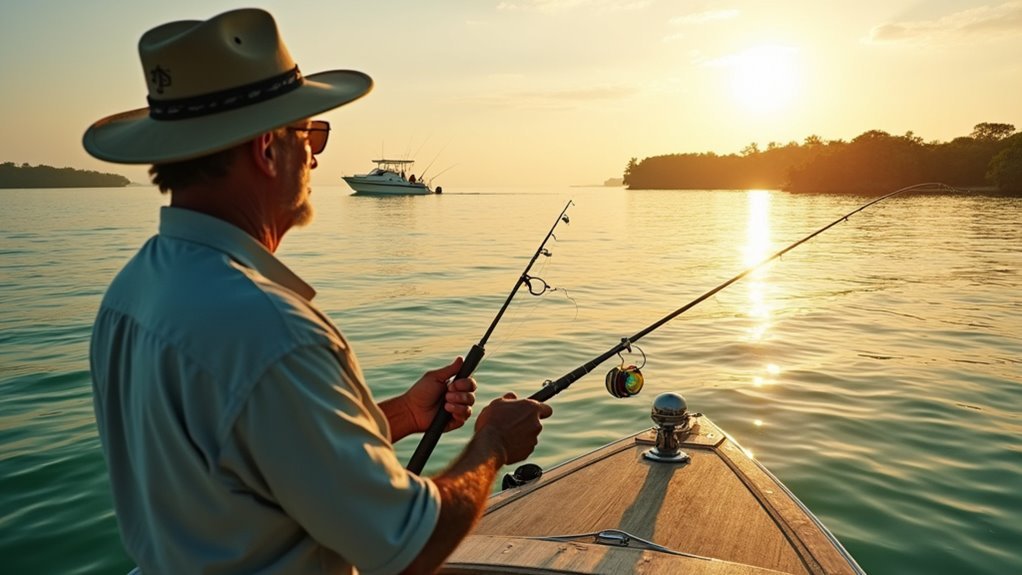
At the start of planning a fishing trip, vetting local guides, charters and outfitters ahead of time will save you headaches and make the whole trip feel safer and more fun. You’ll want to check guide certifications so you know they follow safety and conservation rules. Read charter reviews to see real experiences from people like you. Look for photos, recent trip logs, and clear pricing.
Ask questions about gear, limits, and weather plans. Call or message to judge responsiveness and friendliness. Join local angling forums or social groups to get referrals from members who care about responsible fishing. Trust builds once guides answer openly and show local knowledge. That connection makes the trip feel welcoming and secure.
Plan Access: Launches & Remote Transport
Once you plan access, consider launch site options like public ramps, private marinas, and dockside charters so you can match your boat size and comfort level.
You’ll also want to sort remote access logistics such as floatplane schedules, river guides, and off-road transfers because some prime spots in Patagonia, the Amazon, or the Zambezi need special transport.
These choices affect your timing, gear limits, and cost, so plan ahead and ask local operators for clear pickup and drop off details.
Launch Site Options
Curious how you’ll actually reach that perfect fishing spot? You want options that feel welcoming and easy. Check launch permits and boat rentals ahead of time so you won’t feel stressed upon your arrival.
- Reserve local boat rentals for guided trips or solo days. They often include safety gear and local tips that make you feel part of the community.
- Use public ramps and marinas whenever you want freedom. They need launch permits in some regions, so print permits and follow rules to keep access open for everyone.
- Try private lodges or charters for remote lakes and rivers. They handle transport and permits, and they’ll welcome you into local rhythms with friendly advice.
These choices link directly to remote access planning, so pick what fits your comfort.
Remote Access Logistics
How will you actually get to that perfect fishing hole without stress or surprise? You’ll plan launches and remote transport with care, and you’ll include clear steps so everyone feels welcome and safe.
Start through asking locals about road conditions and small airstrips. Expect communication challenges and bring backup options like satellite messengers and offline maps. Coordinate pick up times and load limits, and confirm boats, floatplanes, or remote launches in writing.
Share emergency protocols with your group, including nearest clinic and evacuation plan. Pack gear in waterproof cases and label items for team trust. Practice radio calls before you go.
Through planning logistics together, you’ll build confidence, reduce anxiety, and enjoy time on the water with friends.
Read Local Conditions: Weather, Water Levels & Hazards
Because weather and water can change fast, you’ll want to check local conditions before you ever load your gear into the truck. You belong here, and caring for safety keeps everyone fishing together.
Monitor forecasts for wind, rain, and seasonal hazards like flash floods or ice. Check water clarity and recent level reports so you pick the right lures and access points. Talk with local guides or bait shops for timely understanding and hazards map.
- Check weather forecasts and river or tide gauges daily.
- Ask locals about seasonal hazards, boating notices, and closed areas.
- Inspect launch sites for debris, rips, and visibility issues.
These steps link safety to success and build trust with the fishing community.
Book Lodging to Match Your Fishing Schedule
After checking weather and water, you’ll want to match where you sleep to the time and how you’ll fish. You belong with guides who get your rhythm, so pick lodging with prompt check in or flexible wake calls.
Choose places with lodging amenities that support your plan like breakfast to-go, gear storage, and easy dock access. Consider travel time between nights and launch points, and ask about shuttle or boat rides. Check seasonal availability before you book so you don’t arrive to closed services. Share your schedule with hosts so they can help.
Pick spots where other anglers gather should you want company, or quiet cabins in case you need rest. Small details change your days, so plan them together.
Fish Responsibly: Conservation & Catch Limits
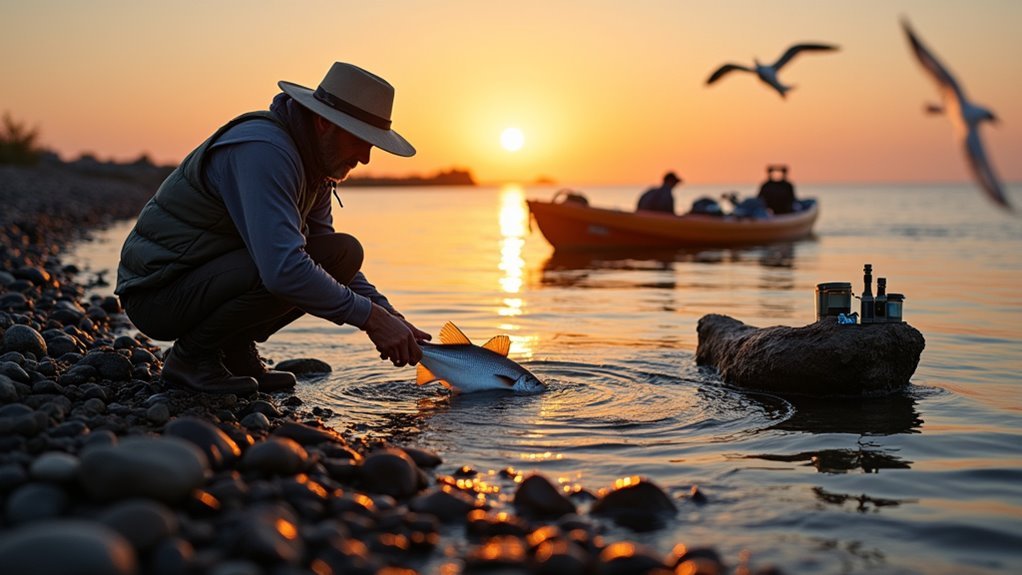
In case you want to leave fishing spots healthier than you found them, start through comprehension of the rules and respecting limits for the water you’re on. You belong to a caring group of anglers who protect places you love.
Learn local bag limits, size rules, and seasonal closures. Join habitat restoration days and support community education to help fish and shorelines heal.
- Check local regulations before you cast.
- Practice safe handling and quick release for vulnerable species.
- Volunteer with restoration projects and teach new anglers.
Troubleshoot: Cancellations, Gear Failures & Backup Plans
Whenever plans get upended and your trip is canceled or your gear fails, stay calm and reason like a problem solver, not a panic miner. You belong to a community that fixes things together.
Initially, set up emergency communication with your guide, lodge, or charter. Text, call, or use apps to confirm cancellations and next steps. Check your insurance claims rules right away so you know deadlines and documentation. Pack spare essentials, from leader tippets to a backup reel, and store receipts for claims.
Ask locals for trusted repair shops or rental gear. Provided weather or closures hit, pivot to nearby spots or a different technique. Stay kind, share updates, and lean on others who’ve faced the same hiccups.
Frequently Asked Questions
Can I Ship Caught Fish Internationally or Across Borders?
You can, but you’ll face strict customs regulations and transport restrictions - you’ll need permits, health certificates, proper packaging, and carrier approval; check both countries’ rules and connect with local fishing communities for guidance and support.
What Travel Insurance Covers Lost Fishing Gear or Charter Cancellations?
You’ll want travel insurance with gear protection and a clear cancellation policy: look for trip cancellation/interruption, baggage/equipment coverage, and optional rental/charter protection so you’ll feel supported whenever gear’s lost or trips get canceled.
Are There Cultural Customs or Taboos Around Fishing Locally?
A sunrise knot tied on your rod symbolizes respect; yes, you’ll find fishing rituals and local taboos-so listen, follow elders’ rules, avoid sacred spots, and you’ll be welcomed into the community’s circle.
How Do I Handle Medical Emergencies in Remote Fishing Areas?
You should carry thorough emergency kits and outline clear evacuation plans with your group, share medical info, learn basic initial aid, keep satellite comms, and agree on rendezvous points so everyone feels prepared and supported in remote areas.
Can I Bring/Transport Live Bait Between Countries or States?
No - you can’t generally transport live bait across borders or states; regulations vary and often forbid it. You’ll need to check bait regulations and secure transport permits where allowed, so your angling community stays responsible.