Book Appointment Now

8 Best Fishing Reels for 2026
ByBEGUM
Choosing a fishing reel matters more than the glossy label on the sideplate. I compare drag behavior, retrieve speed, weight, environmental resistance, and handling across fly, spinning, and conventional designs, because trout water, saltwater, and inshore fishing create very different demands. The shortlist includes a purpose-built fly reel, lightweight spinning models, a castable conventional reel, a high-speed spinner, a compact baitcaster, and a matching rod. One entry is a line upgrade and another is a rod, so I also explain exactly where each belongs in a complete setup.
The Shortlist At A Glance
PickWhy We Picked ItBest ForAction

Design Standout
Ross Reels Animas Fly Fishing Reel
Machined fly reel construction
Classic fly fishing

Travel Ready
Okuma Helios Lightweight Spinning Reel
Lightweight carbon-assisted construction
Travel and trout fishing
Heavy Duty Pick
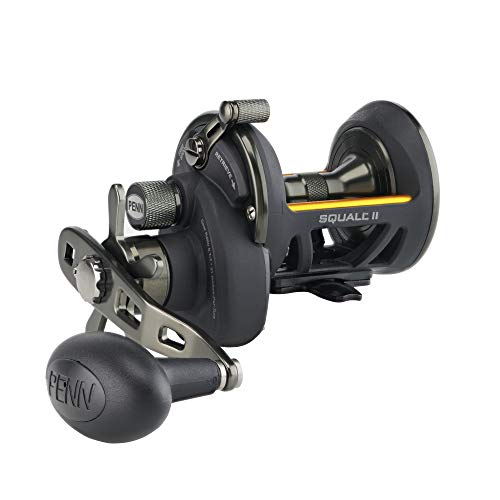
PENN Squall II Star Drag Conventional Reel
Live spindle casting performance
Surf and light offshore fishing

Frequent-Use Pick
Beyond Braid Super Strong Abrasion Resistant No Stretch Fishing Line
Smooth coated braided construction
Tight-line sensitivity

Performance Leader
Abu Garcia Revo Rocket Spinning Reel
Rapid 7.6:1 retrieve
Fast techniques and lures

Feature Rich
KastKing Spartacus II Spinning Fishing Reel
Reinforced graphite body and rotor
Freshwater and saltwater spinning

Compact Choice
KastKing Spartacus II Baitcasting Reel 7.2:1
Low-profile rapid-ratio baitcasting
Finesse fishing and travel

Comfort Choice
KastKing Spartacus II Twin-Tip Fishing Rods
Grippy cork and sensitive graphite
Long days spinning or casting
More Details On Our Top Picks
Fewer loose parts make the Ross Reels Animas an intriguing choice for anglers learning fly fishing without sacrificing machined construction. Its fully machined body and ported structure serve the direct purpose of managing a fly line cleanly, which matters across trout streams and open water.
That machining makes this a more deliberate fly-fishing choice than the broader spinners later in my shortlist. Depending on the lure, it may feel less familiar than a beginner kit, but dedicated fly anglers should appreciate the Colorado-made construction and compact presentation.
Why It Works Well
- Fully machined construction supports a refined mechanical feel
- Porting creates a lighter, more open reel profile
- A dedicated fly design keeps line handling simple
- The mountain silhouette adds recognizable visual character
Small Caveats
- The narrow fly-fishing format does not suit conventional lures
- Rinsing and drying after stream use remains important for long-term care
Key Specs
Who It Suits Best
It suits dedicated fly anglers who appreciate compact machining, distinctive detailing, and a reel made specifically for controlled fly-line presentation.
Where Another Pick Suits Better
The Okuma Helios Lightweight Spinning Reel is the better fit for anglers using conventional lures in lighter spinning applications.
Long walks across a riverbank favor a reel that disappears in the hand, and the Okuma Helios Lightweight Spinning Reel centers on that kind of portability. Its rotor, which rotates around the spool during winding, uses C-40X carbon fiber and a reduced body design to manage weight.
Unlike the Ross Reels Animas, this model handles spinning lures rather than fly line. The corrosion-conscious airflow design seems sensible for wet grass, splashy wading, and travel days, although reel size and line capacity still need to match the target species.
Standout Benefits
- Carbon fiber supports a noticeably light carry weight
- Ported rotor airflow helps wet reels dry more quickly
- Compact architecture suits streams and packed gear bags
- Faster corrosion control matters during frequent wading
- Spinning setup remains approachable for new anglers
Honest Caveats
- Lightweight construction may give less support under heavy loads
- Freshwater rinse and dry are still needed after accidental immersion
Technical Highlights
Made For
It fits trout anglers, wading anglers, and travelers who carry a complete spinning setup over long distances.
A Better Fit Elsewhere
The Abu Garcia Revo Rocket Spinning Fishing Reel suits anglers who favor faster retrieval and lure-changing techniques.
Surf fish demand a reel that can launch past breaking water and retrieve steadily back to shore. The PENN Squall II Star Drag Conventional Reel is oriented toward that task, with a star drag that lets the angler tune resistance as the line comes under load.
Its Live Spindle design supports smooth starting and stopping, while a fast-access sideplate simplifies servicing. Five size options extend from surf applications to light offshore work, making this broader than the single-purpose Ross Reels Animas, though it remains less compact than a travel spinner.
Practical Advantages
- Live spindle supports controlled starts and stops
- Star drag offers clear adjustment under changing loads
- Fast-access sideplate streamlines routine servicing
- Multiple sizes support surf and light offshore use
Trade Offs
- Conventional reels add more complexity than spinning designs
- Spool size must match the rod and intended species
- Salt exposure calls for deliberate rinsing and lubrication
Feature Snapshot
Right Fit For
It fits surf and light offshore anglers who want stronger casting control than a typical spinning reel provides.
Consider Something Else When
The Okuma Helios Lightweight Spinning Reel is the better option for trout streams, backcountry water, and setups that favor low weight.
This entry broadens the roundup because line affects reel performance as much as the housing does. Beyond Braid uses a smooth coating and thin braid profile, helping line travel through guides with less friction while increasing the amount that fits on a reel.
The low-stretch construction gives anglers a more immediate connection between lure movement and rod tip, which can be useful around structure. Compared with the PENN Squall II, it has no drag or retrieve system of its own, so selecting the correct strength and capacity remains essential.
Everyday Perks
- Smooth coating supports clean, efficient casting
- Thin braid profile increases available line capacity
- Low stretch improves sensitivity around cover
- Abrasion resistance suits snag-prone water
- Multiple color choices ease visual organization
Worth Bearing In Mind
- Braid has little natural stretch compared with mono
- Sharp structures can still damage coated fibers
- Line strength must be matched to reel capacity and target fish
Built With In Mind
It fits anglers using low-stretch braid to detect subtle movement around weeds, rocks, and submerged structure.
Where A Sibling Pick Shines
The PENN Squall II Star Drag Conventional Reel is the better choice for complete surf tackle requiring a built-in drag and spool system.
Fast lure retrieval is the central reason to choose the Abu Garcia Revo Rocket Spinning Fishing Reel. Its 7.6:1 gear ratio, meaning the spool turns 7.6 times for each handle rotation, favors techniques that require quick hookups and rapid line retrieval.
The A-SYM body reduces bulk while managing balance, and the machined gear assembly supports consistent cranking under load. Compared with the lighter Okuma Helios, this model trades some portability for speed and power-oriented gearing, which may feel better during repeated lure changes.
Reasons It Performs
- Rapid 7.6:1 ratio suits lure-focused techniques
- Compact body reduces bulk and improves balance
- Machined gears support smooth cranking and power
- High retrieve speed reduces slack after a strike
Less-Strong Areas
- High speed can create backlash with novice casting form
- Not as light-oriented as a travel-focused spinner
- Rinse and dry are necessary after coastal use
The Numbers That Matter
Who Will Love This
It suits anglers using fast lures who value immediate hook-setting response and high line retrieval.
Reach For A Different Pick When
The Okuma Helios Lightweight Spinning Reel suits anglers who place greater value on low carry weight than maximum retrieve speed.
Anglers moving between lakes, rivers, and inshore water need more environmental flexibility than a narrowly specialized trout reel can offer. The KastKing Spartacus II Spinning Fishing Reel uses a reinforced graphite body and rotor to create a platform intended for both freshwater and saltwater spinning duties.
That broad positioning is useful, but no spool size or sealed component list appears in the available data, so matching capacity remains a real ownership task. Compared with the PENN Squall II, it may feel less specialized, while the lower learning curve of a spinning layout makes it attractive to newer anglers.
Strengths Worth Knowing
- Graphite body supports a lightweight profile
- Reinforced rotor targets demanding use conditions
- Spinning layout suits conventional lures
- Freshwater and saltwater positioning broadens versatility
Points To Note
- Model size and line capacity are not identified in the source data
- Cross-use still requires rinsing after saltwater exposure
- Environmental labels do not remove the need for routine care
The Right Fit
It fits adaptable anglers who want one spinning-platform concept for both freshwater lakes and inshore water.
Skip It When
The Ross Reels Animas Fly Fishing Reel is a better fit for anglers using actual fly line rather than spinning lures.
The KastKing Spartacus II Baitcasting Reel 7.2:1 brings a deliberately low profile to tackle boxes and long days on the water. Its 39 mm height sits about 10 percent below the earlier generation, and its six-ounce weight keeps bulk under control without straying into the travel-spinner category.
A baitcaster retrieves from a level-wind spool, which helps organize line and reduces twisting compared with a conventional reel. The 7.2:1 ratio still demands controlled spool handling, especially for lighter presentations, but experienced anglers gain finer lure placement than a spinning reel usually provides.
Everyday Advantages
- Low 39 mm profile reduces bulk under the rod
- Six-ounce body supports comfortable carry weight
- 7.2:1 ratio provides a brisk, controlled retrieve
- Level-wind design keeps line organized
Potential Compromises
- Spool control takes practice with lighter lures
- Line capacity and construction details are not provided
- Routine cleaning is important after repeated use
Made For
It suits intermediate anglers targeting precise presentations with a compact, fast-retrieving baitcasting setup.
Swap It Out When
The Okuma Helios Lightweight Spinning Reel is a better match for beginners who need easier lure control and a simpler starting point.
A reel can perform well and still feel awkward when paired with an unsuitable rod. The KastKing Spartacus II Twin-Tip Fishing Rods provide a complementary option for spinning and casting use, with a grippy cork handle intended to remain comfortable during long sessions.
The blank combines 24-ton carbon fiber with IM6 graphite, a layering approach intended to balance strength and sensitivity. Compared with the low-profile KastKing Spartacus II Baitcasting Reel 7.2:1, this is the rod half of the setup, and exact weight, length, and lure ratings are not supplied here.
What Earns Its Place
- Slip-resistant cork supports long-session grip
- 24-ton carbon fiber contributes structural strength
- IM6 graphite aids bite and lure sensitivity
- Twin-tip format suits spinning and casting
- Green finish gives the blank a distinctive profile
Details To Watch
- Rod length and power ratings are not identified
- Reel pairing depends on rod weight and handle balance
- Inspect guides and blank after severe transport damage
Core Details
Whose Shelf It Belongs On
It belongs with anglers who value grip and sensitivity across repeated spinning or casting sessions.
Another Choice May Suit
The PENN Squall II Star Drag Conventional Reel is a better fit for anglers who need a self-contained surf and light offshore reel rather than a rod component.
Match The Reel To The Water And Technique
A reel should match the water before its appearance enters the decision. Start with the target species, typical lure, rod power, and line choice, then confirm that the reel’s capacity and drag support the resulting combination.
Drag And Retrieval Must Work Together
Drag applies controlled resistance to line leaving the spool. Higher-retrieval ratios shorten the distance needed to bring a lure back, but they can also amplify slack line and spool overrun, especially for beginners.
Weight Becomes Critical During Long Trips
A lightweight reel reduces fatigue on a long wading trip or repeated shoreline walk. Material choice matters, but balance against the rod is equally important because a mismatched pairing can feel awkward even when each component is individually well made.
Size And Capacity Control Casting Distance
Spool size determines available line and influences casting control. Larger spools may improve line management on heavier presentations, while compact spools can suit light lures and sensitive rods.
Choosing Between Everyday And Specialized Designs
Specialized designs earn their place when the fishing environment is consistent. A fly reel serves a different line system from a spinning reel, and a conventional reel handles heavier presentations through its fixed spool and external drag.
Mistakes Worth Avoiding
Ignoring rod balance is a common trap, especially with a lightweight reel. Choosing from a broad list of sizes instead of confirming the intended lure and species is another. I also look for stated capacity and maintenance needs rather than assuming that similar-looking reels handle the same load.
What The Higher Tier Buys
Costlier designs often improve material layout, machining, drag adjustment, and environmental sealing. Those additions matter most for heavy presentations, repeated saltwater exposure, and anglers who expect smoother operation over many sessions, while simpler designs remain sensible for occasional use.
Frequently Asked Questions
What type of fishing reel is easiest for beginners?
A spinning reel is usually easiest because the spool remains fixed while the rotor folds line onto it. That reduces the learning curve compared with fly, baitcasting, and conventional designs.
How much fishing line capacity is needed?
Capacity depends on the rod, target species, fishing depth, and expected line diameter. A deeper lake or heavier bottom-fishing setup needs more reserve than a short freshwater cast.
Does reel weight matter more than retrieve speed?
Weight matters during long trips, while retrieve speed matters for active lure techniques. Balanced setups favor a reel that matches both the fishing style and the rod’s physical response.
Should saltwater reels be rinsed after use?
Fresh water helps remove salt residue that can accelerate corrosion. Reels should also be dried carefully before storage, following the manufacturer’s care guidance.
Can a fly reel be used with regular fishing line?
Fly reels are designed to hold and manage fly line, often alongside a running line. Conventional spinning reels are better suited to monofilament, fluorocarbon, and standard braided line.
Final Verdict
The Ross Reels Animas and PENN Squall II suit distinct traditional roles, while the Okuma Helios and Abu Garcia Revo Rocket cover very different spinning priorities. The KastKing baitcaster and twin-tip rod add useful low-profile options, and Beyond Braid supports both with sensitive line. Match the reel to the technique first, then let capacity, weight, and maintenance demands narrow the field.
