Book Appointment Now

6 Best Bootfoot Fishing Waders Anglers Trust in Any Weather

Bootfoot fishing waders are a great pick for staying dry and comfortable in rough weather. They help you move through cold water, mud, and rain without much hassle.
Good pairs also add warmth, traction, and durability for long days outside. This guide covers six trusted options and what sets each one apart.
| FROGG TOGGS Waterproof Fishing Chest Wader |
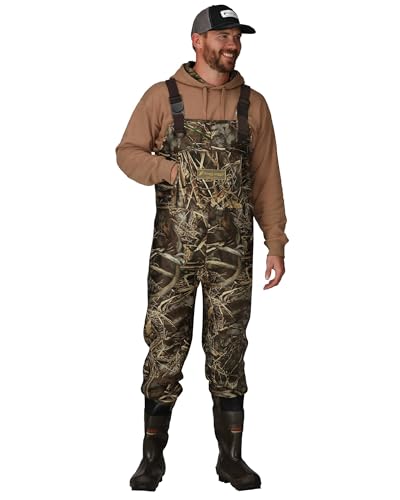
| Best Insulated | Bootfoot Style: Integrated bootfoot | Waterproofing: Waterproof | Insulated Boots: 600g Thinsulate | VIEW LATEST PRICE | Read Our Analysis |
| FROGG TOGGS Waterproof Camo Fishing Chest Wader |
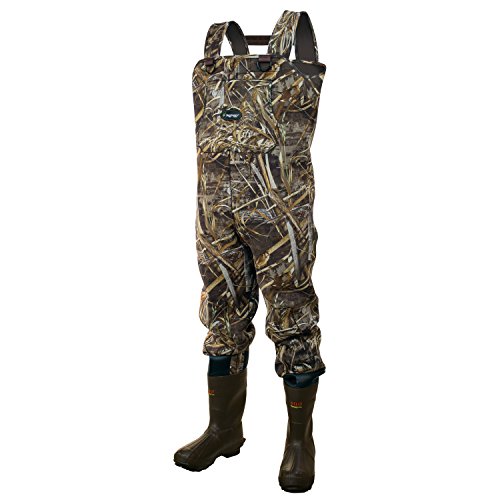
| All-Weather Choice | Bootfoot Style: Bootfoot | Waterproofing: Waterproof | Insulated Boots: 600g Thinsulate | VIEW LATEST PRICE | Read Our Analysis |
| FROGG TOGGS Amphib Neoprene Waterproof Fishing Wader |

| Best Camo Pick | Bootfoot Style: Bootfoot | Waterproofing: Waterproof | Insulated Boots: 600g Thinsulate | VIEW LATEST PRICE | Read Our Analysis |
| HISEA Insulated Waterproof Chest Waders with Boots |

| Best Heavy-Duty | Bootfoot Style: Integrated bootfoot | Waterproofing: 100% waterproof | Insulated Boots: 200g Thinsulate | VIEW LATEST PRICE | Read Our Analysis |
| Gonex Waterproof Chest Waders for Hunting Fishing |

| Best Lightweight | Bootfoot Style: PVC boots | Waterproofing: 100% waterproof | Insulated Boots: PVC boots | VIEW LATEST PRICE | Read Our Analysis |
| HISEA Womens Neoprene Chest Waders with Insulated Boots |

| Best for Women | Bootfoot Style: Rubber bootfoot | Waterproofing: 100% waterproof | Insulated Boots: 400g Thinsulate | VIEW LATEST PRICE | Read Our Analysis |
More Details on Our Top Picks
FROGG TOGGS Waterproof Fishing Chest Wader
Should you fish cold water, FROGG TOGGS’ 3.5 mm neoprene wader keeps you insulated longer. You get 100% neoprene with triple-stitched, glued, and taped seams for dependable waterproofing. The integrated bootfoot design adds 600-gram Thinsulate insulation, plus a wool felt midsole and cleated outsole for steady traction. You’ll appreciate the high-back cut for deeper wading, along with adjustable suspenders and low-profile locking buckles for a secure fit. Use the zippered flip-out security pocket and quick-drain chest hand-warmer pockets. Hand-wash it, and choose camouflage patterns to suit your hunting setup.
- Bootfoot Style:Integrated bootfoot
- Waterproofing:Waterproof
- Insulated Boots:600g Thinsulate
- Chest High:High-back
- Adjustable Fit:Adjustable suspenders
- Outdoor Use:Fishing/hunting
- Additional Feature:Triple-stitched seams
- Additional Feature:Zippered security pocket
- Additional Feature:Quick-drain hand-warmer pockets
FROGG TOGGS Waterproof Camo Fishing Chest Wader
FROGG TOGGS Amphib neoprene bootfoot chest waders keep you ready for all-weather choice fishing and hunting. You get 3.5 mm premium neoprene for warmth, plus triple-stitched, glued, and taped seams that help keep water out. The high-back design supports deep wading, while adjustable suspenders and low-profile locking buckles let you dial in the fit. You can store essentials in the zippered flip-out pocket and warm your hands in quick-drain chest pockets. The 600-gram Thinsulate boots, wool-felt midsole, and cleated outsole give you insulation and traction.
- Bootfoot Style:Bootfoot
- Waterproofing:Waterproof
- Insulated Boots:600g Thinsulate
- Chest High:High-back
- Adjustable Fit:Adjustable suspenders
- Outdoor Use:Fishing/hunting
- Additional Feature:Triple-stitched seams
- Additional Feature:Zippered security pocket
- Additional Feature:Quick-drain hand-warmer pockets
FROGG TOGGS Amphib Neoprene Waterproof Fishing Wader
Built for cold, deep-water anglers, this camo chest wader stands out as a smart pick. You get 3.5 mm premium neoprene, triple-stitched seams, and glued-taped construction that help keep water out. The 600-gram Thinsulate boot, wool felt midsole, and cleated outsole give you warmth and grip. Adjustable suspenders with low-profile locking buckles improve fit, while the high-back cut supports deeper wading. You can stash gear in the zippered flip-out pocket and warm your hands in quick-drain chest pockets. Dual D-rings add utility, and you’ve got several camo options.
- Bootfoot Style:Bootfoot
- Waterproofing:Waterproof
- Insulated Boots:600g Thinsulate
- Chest High:High-back
- Adjustable Fit:Adjustable suspenders
- Outdoor Use:Fishing/hunting
- Additional Feature:Triple-stitched seams
- Additional Feature:Zippered security pocket
- Additional Feature:Quick-drain hand-warmer pockets
HISEA Insulated Waterproof Chest Waders with Boots
HISEA Chest Waders for Men with 200G Boots tackle cold, wet conditions with heavy-duty confidence. You’ll stay dry and warm in 4.5 mm neoprene laminated to nylon jersey and a stretch liner, while armor-weld double-stitched seams and taped bonding block water and dirt. The integrated bootfoot design uses rubber boots with 200g 3M Thinsulate Ultra insulation for added warmth. Reinforced knees, a rugged textured sole, and adjustable neoprene suspenders help you move steadily and securely. A zippered pocket and eight shell holders add useful storage for fishing, duck hunting, and muddy outdoor trips.
- Bootfoot Style:Integrated bootfoot
- Waterproofing:100% waterproof
- Insulated Boots:200g Thinsulate
- Chest High:Chest waders
- Adjustable Fit:Adjustable suspenders
- Outdoor Use:Fishing/hunting/camping
- Additional Feature:Reinforced knees
- Additional Feature:8-shell holders
- Additional Feature:Rugged textured sole
Gonex Waterproof Chest Waders for Hunting Fishing
Gonex Waterproof Chest Waders suit anglers and hunters who want a lighter, reliable bootfoot option. You get dual-layer 70D nylon, PVC boots, and welded seams that keep you dry, while reinforced stitching adds toughness. They’re 35% lighter than traditional waders, so you can move easier on long days. The adjustable waist belt, chest drawstring, and H-shaped shoulder straps help you dial in the fit. A front pocket keeps essentials close, and the thick soles resist sharp rocks. They’re machine washable too.
- Bootfoot Style:PVC boots
- Waterproofing:100% waterproof
- Insulated Boots:PVC boots
- Chest High:Chest waders
- Adjustable Fit:Adjustable waist/chest
- Outdoor Use:Fishing/hunting/farm work
- Additional Feature:35% lighter
- Additional Feature:Welded seams
- Additional Feature:Wear-resistant PVC boots
HISEA Womens Neoprene Chest Waders with Insulated Boots
Stay warm and dry in HISEA’s women’s chest waders, designed for cold-water fishing and hunting. You get 4.5mm neoprene with a medium-stretch fit that moves with you, plus rubber bootfoot boots lined with 400-gram Thinsulate Ultra insulation. The cleated soles help you grip slick banks, while reinforced knees add durability for rough use. Adjustable neoprene suspenders and quick-release buckles make them easy to wear. HISEA leak-tests each pair, so you can trust the waterproof build. Their leopard pattern adds style, and the fit runs true to size for adult anglers, campers, and hunters.
- Bootfoot Style:Rubber bootfoot
- Waterproofing:100% waterproof
- Insulated Boots:400g Thinsulate
- Chest High:Chest waders
- Adjustable Fit:Adjustable suspenders
- Outdoor Use:Hunting/fishing/camping
- Additional Feature:400g Thinsulate insulation
- Additional Feature:Cleated soles
- Additional Feature:Leopard animal print
Factors to Consider When Choosing Bootfoot Fishing Waders
Whenever you choose bootfoot fishing waders, you’ll want to balance boot insulation, neoprene thickness, and seam waterproofing for the water and weather you face. You should also check the boot traction design so you can stay steady on slick banks and river bottoms. A good fit with enough adjustability will keep you comfortable and let you move freely all day.
Boot Insulation Level
Boot insulation is usually rated in grams, and higher numbers mean more warmth for colder water and air. You’ll often see 200g, 400g, or 600g labels, and those numbers help you match warmth to conditions. For mild weather, 200g or less usually keeps you comfortable without excess bulk. Should you be wading below freezing or staying out for hours, 400–600g gives you better thermal retention. Synthetic fills like Thinsulate trap heat well, stay lighter, and resist water better than wool felt. Make sure the boot fits snugly, because compression, moisture, or gaps at the seal can cut insulation fast. Keep in mind that heavier insulation adds weight, so you might lose some mobility and packability when you choose extra warmth.
Neoprene Thickness
Neoprene thickness plays a big role in how warm and manageable your bootfoot waders feel on the water. Whenever you choose thicker neoprene, usually 3.5 to 4.5 mm, you trap more body heat and stay more comfortable in cold water. In case you fish in winter or stay out for long sessions, 4 to 5 mm offers better insulation. For milder conditions, 2 to 3.5 mm keeps you lighter and more flexible. Thicker material also adds durability and helps resist punctures, but it can feel bulkier and weigh more, which limits movement. You should also pair thickness with boot insulation, since 200 to 600 g Thinsulate changes how warm your feet and lower legs stay.
Seam Waterproofing
Seam waterproofing matters just as much as the fabric itself, because weak seams can let water in even while the material looks solid. You should favor bootfoot waders with triple-stitched, glued, and taped seams, since that layering adds strength and seals needle holes. Welded or fully taped seams usually keep out water better than simple stitching, especially whenever you’re kneeling, bending, or moving through cold water. Check whether the seams were factory leak-tested or pressure-tested, because that tells you the waterproofing was verified, not just claimed. Pay attention to reinforced seams at the knees, crotch, and boot junction, where stress hits hardest. To keep seams reliable, avoid harsh laundering, and re-tape or re-glue any compromised areas. Follow drying instructions so the seal lasts longer.
Boot Traction Design
Choose traction initially, because the outsole can make or break your footing in bootfoot fishing waders. Should you fish mud, gravel, or wet grass, look for cleated or lugged rubber soles that shed water and dig in better than flat bottoms. On algae-coated rocks, felt offers great bite because it molds to uneven surfaces, but it stays damp longer and can carry invasive species if you do not clean it. In fast current or on angled banks, aggressive multidirectional tread helps you move sideways without skidding. You should also match lug depth to the bottom you face: deeper lugs suit soft mud, while slick rock often favors softer, high-contact designs. Thicker, stiffer soles add puncture resistance and durability.
Fit And Adjustability
Fit matters as much as traction, because bootfoot fishing waders that are too loose or too tight will slow you down and wear you out. You should pick chest waders with adjustable suspenders, ideally quick-release or low-profile locking buckles, so you can set shoulder height and stop sagging on long days. H-back or Y-back straps help spread weight and reduce slipping while you move. Make sure the waist and chest fit snugly, but still let you bend your knees and wear insulation underneath. Check for waist belts or drawcords that cinch the torso and help keep water from pooling in the legs whenever you kneel or climb. Finally, verify bootfoot size and footbed volume so thick socks fit, circulation stays strong, and blisters keep away.
Pocket Storage Features
A few well-placed pockets can make bootfoot fishing waders far more efficient on the water. You should look for zippered security pockets that fit your phone or wallet, so they won’t slide out whenever you lean or move. Chest hand-warmer pockets with quick-drain ports let you warm your hands and shed water fast, which helps keep stored items drier. Multiple exterior pockets or shell holders on the front panel give you organized space for lures, tools, and small tackle you need in reach. Pay attention to placement, too: high-back chest pockets are easier to access while standing, whilst lower pockets can conflict with a fishing belt or pack. Waterproof materials and sealed seams also help protect electronics and dry goods from moisture intrusion.
Intended Water Conditions
As you’re choosing bootfoot fishing waders, match them to the water you’ll actually fish: chest waders give you better protection in deeper water and around submerged obstacles, while hip or waist styles work fine for shallow streams. In cold water, pick thicker neoprene or insulated boot linings so you stay warmer and keep moving comfortably. Should you fish fast current or rocky bottoms, look for stiff soles and a secure bootfoot fit that helps prevent ankle roll and improves traction. In weedy, muddy, or icy areas, choose reinforced materials that can handle abrasion and seam stress. In case you fish saltwater, select corrosion-resistant parts and rinse your gear after each trip. Freshwater still benefits from regular cleaning and drying.
Frequently Asked Questions
How Do Bootfoot Waders Affect Casting Mobility?
Bootfoot waders add bulk around your legs and feet, so your casting stance may feel less fluid and your steps a bit shorter. You can still cover water and reach fish, but you give up some agility in exchange for better stability, warmth, and easier movement along the river.
Can Bootfoot Waders Be Repaired After a Puncture?
Yes, bootfoot waders can be repaired after a puncture using patch kits, seam sealant, or a repair shop. Clean the damaged spot, let it dry completely, and check the repair for leaks before using them again.
Are Bootfoot Waders Suitable for Saltwater Fishing?
Yes, bootfoot waders can work for saltwater fishing if you rinse them thoroughly after every trip. Salt can cause corrosion and buildup, which shortens their lifespan, so pick salt resistant materials and clean them carefully.
How Should Bootfoot Waders Be Dried After Use?
Rinse the waders first, then turn them inside out and hang them in a shaded place with good airflow. Keep them out of direct sun and away from heat. If you can, dry the boots separately so moisture does not stay trapped inside.
Do Bootfoot Waders Work Well for Fly Fishing?
Yes, bootfoot waders can work for fly fishing, but they usually feel heavier and less agile. They are convenient and easy to use, though many anglers choose stockingfoot waders for a lighter fit and sharper control in the water.