Book Appointment Now

Fishing Reel Size Chart: Reel Sizes, Line Capacity
ByIMRAN
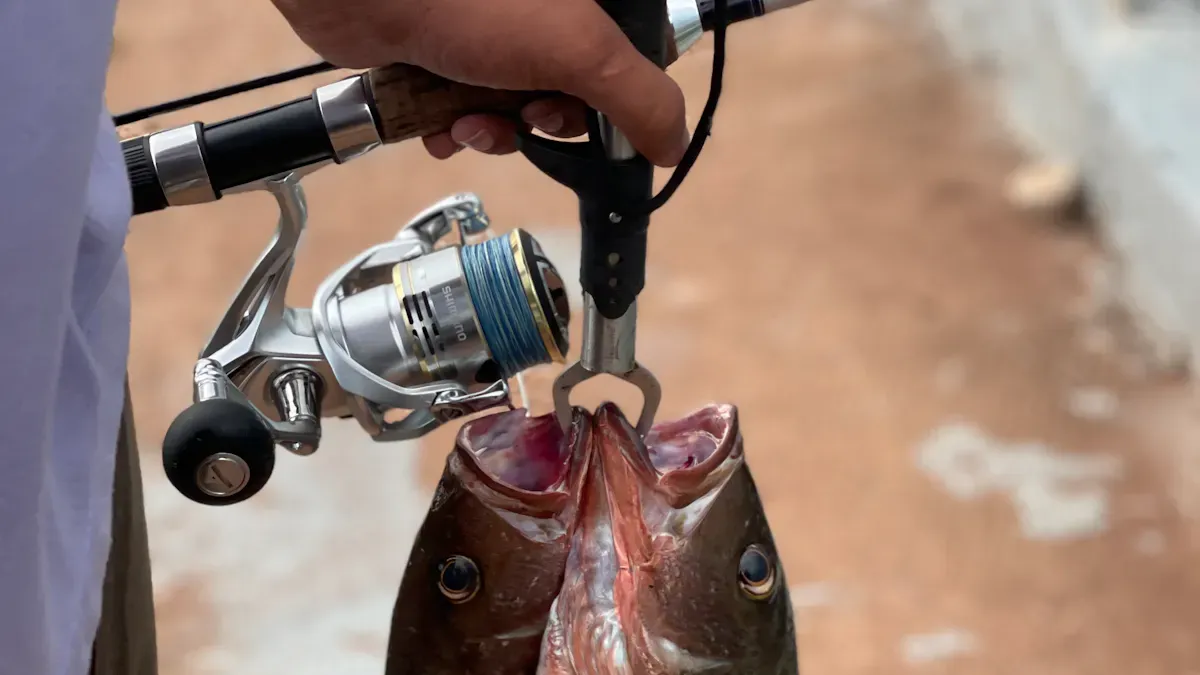
Selecting the right fishing reel size is crucial for a successful fishing experience, and referring to a Fishing Reel Size Chart can be incredibly helpful. The size of your reel directly affects its line capacity and casting distance. For example, larger reels can hold more line, which is essential for targeting bigger fish. You might wonder:
- How do I know what size reel I need?
- What factors determine the ideal reel size for my fishing style?
- How does my choice of line impact casting performance?
Understanding these aspects, along with consulting a Fishing Reel Size Chart, will help you make informed decisions when choosing your fishing gear.
Key Takeaways
- Select the right reel size based on the fish species you want to catch.
- Use a Fishing Reel Size Chart to understand line capacity and recommended line weights.
- Match your reel size to your rod for better balance and casting accuracy.
- Choose larger reels for deeper waters and stronger fish to ensure you have enough line capacity.
- Opt for smaller reels for light tackle fishing in small streams for better sensitivity.
- Consider the drag strength of your reel to handle the size and fighting style of your target fish.
- For beginners, a spinning reel size between 2500 and 3000 offers versatility and ease of use.
- Always think about your fishing techniques and conditions when selecting your reel size.
Reel Sizes
Spinning Reel Sizes
Size Ranges
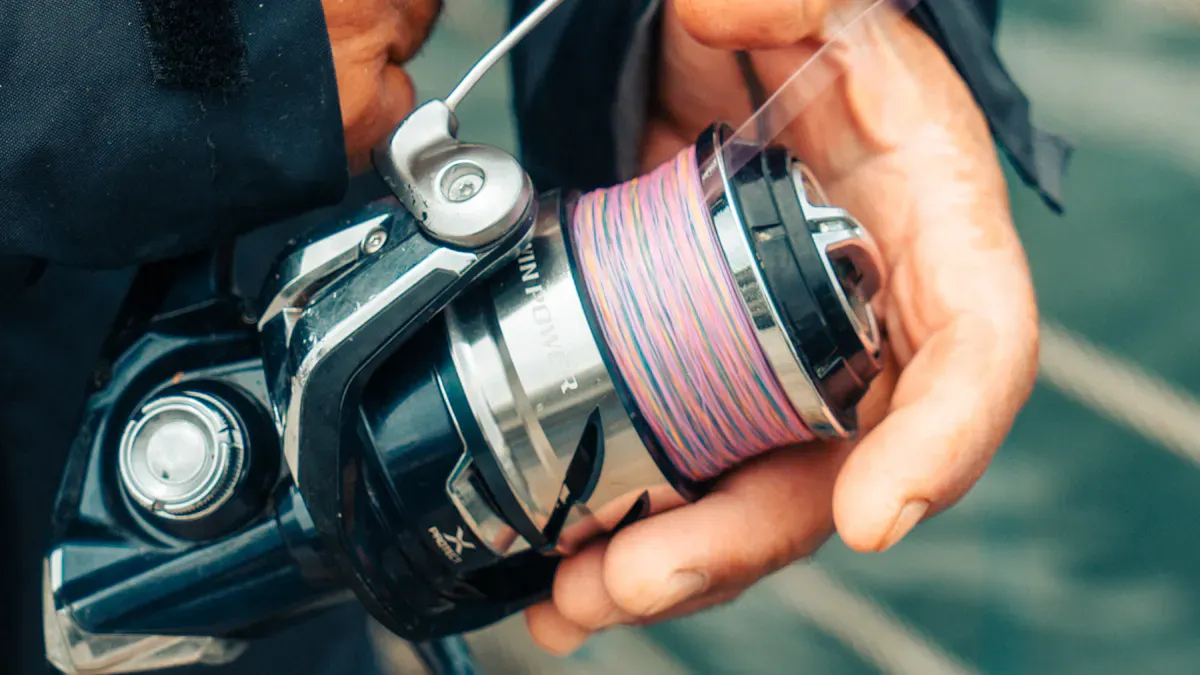
Spinning reels come in different sizes. They are usually small, medium, or large. The size of a spinning reel changes how much line it can hold and how well it works. Here’s a list of common spinning reel sizes:
| Reel Size Range | Target Species | Recommended Rod Length | Line Weight (Monofilament/Braid) |
|---|---|---|---|
| 1000-2500 | Small trout, panfish, crappie | 6-7 feet | 2-10lb / 4-14lb |
| 3000-4000 | Walleye, largemouth bass, redfish | 7-8.5 feet | 8-14lb / 8-25lb |
| 4500-5500 | Northern pike, catfish, snook | 8 feet | 12-30lb / 20-50lb |
| 6000 and above | Musky, tarpon, offshore game fish | 8 feet or longer | 20-50lb / 30-80lb |
When you pick a spinning reel, think about the size based on the fish you want to catch and the fishing methods you will use.
Ideal Sizes for Trout Fishing
For trout fishing, the best spinning reel size is usually between 1000 and 2500. These sizes give you the sensitivity and control needed for careful fishing. A reel in this range lets you use lighter lines, which is important for catching shy trout. You can use techniques like drop-shotting and light jigs with these reels.
Baitcasting Reel Sizes
Size Designations
Baitcasting reels also come in different sizes. Each size is made for specific uses. Here’s a quick look at common baitcasting reel sizes:
| Size | Model Examples | Applications |
|---|---|---|
| 100 | Tatula 100 | All-around performance |
| 150 | Tatula 150 | Heavier lines and techniques |
| 200 | Tatula 200 | All-around performance |
| 300 | Tatula 300 | Heavy-duty applications |
| 400 | Lexa 400 | Heavy-duty applications |
| 500 | Lexa 500 | Heavy-duty applications |
When you choose a baitcasting reel, knowing how to pick the right size is very important. The size should fit your fishing style and the fish you want to catch.
Best Uses for Baitcasting Reels
Baitcasting reels work well in many fishing situations. They are great for techniques that need accuracy, like flipping and pitching. The 200 size is often the best baitcaster reel size for general use. It balances power and comfort. For heavier tasks, consider sizes 300 and up, which have better drag systems and line capacity.
Choosing the right reel size makes your fishing better. Whether you like spinning or baitcasting, knowing about fishing reel sizes helps you make smart choices.
Fishing Reel Size Chart
Picking the right fishing reel size is very important for your fishing success. A fishing reel size chart can help you learn about different sizes and how much line they can hold. Below is a chart that shows various reel sizes, their line capacities, and the best line weights to use.
| Reel Type | Size Range | Line Capacity (lbs) | Recommended Line Weight (lbs) |
|---|---|---|---|
| Spinning Reels | 1000-2500 | 2-10 | 2-8 (mono/fluoro), 4-10 (braid) |
| 2500-3500 | 6-20 | 6-12 (mono/fluoro), 10-20 (braid) | |
| 3000-5000 | 10-40 | 10-20 (mono/fluoro), 20-40 (braid) | |
| Baitcasting Reels | 100/150 | 8-30 | 8-12 (mono/fluoro), 15-30 (braid) |
| 200 | 10-40 | 10-20 (mono/fluoro), 20-40 (braid) | |
| Fly Reels | 5-weight | N/A | N/A |
| 9-weight | N/A | N/A |
This chart gives you size suggestions for different fishing situations. For example, use a 1000-2500 size reel for light tackle when fishing for panfish and trout. If you want to fish in saltwater for bigger fish like striped bass or small tuna, think about using a 4000-6000+ size reel.
Factors for Reel Size Selection
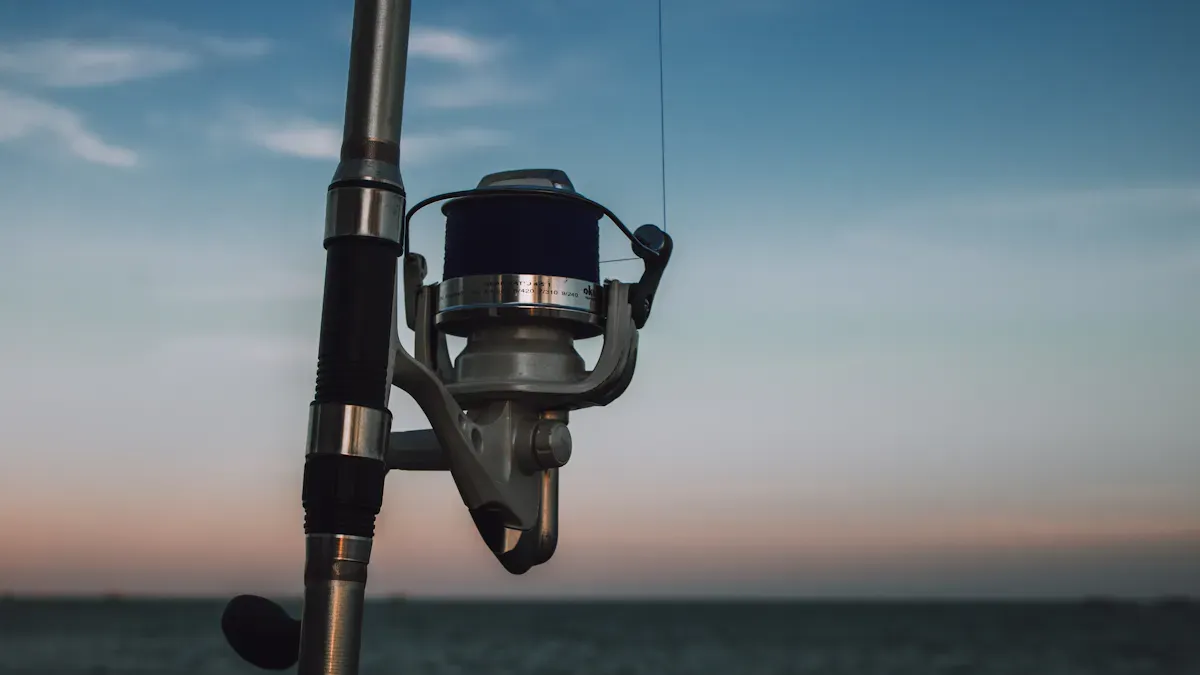
Choosing the right fishing reel size is very important. There are several key factors to think about. You need to look at rod compatibility, line capacity, and drag strength. Each of these parts is important for your fishing experience.
Rod Compatibility
Matching Reel to Rod Type
When you pick a reel, make sure it fits your fishing rod. The features of your rod, like power rating and length, decide the right reel size. A good match helps with balance, casting accuracy, and comfort. If your reel and rod don’t match, you might have less control and performance. This can make you tired during long fishing trips and even cause you to lose fish because of bad balance.
Importance of Balance
A balanced setup is key for good casting and control. Matching your rod’s power and action with the reel size helps you present lures better. This balance lets you fish comfortably and effectively, making your time on the water more fun.
Line Capacity
Types of Fishing Lines
Different fishing lines have special traits that affect how much line your reel can hold. For example, braided line is thinner than monofilament. This means you can fit more braided line on the same reel. Knowing the type of line you will use is important for picking the right reel size.
Performance Impact
The line capacity you need depends on a few things:
- Target species behavior: Fish that swim far need more line than those that fight close.
- Fishing depth: Deeper water needs more line to reach where the fish are.
- Typical casting distances: Fishing from shore usually needs longer casts than fishing from a boat.
A baitcasting reel of the same size won’t hold as much line as a spinning reel, showing the differences in line capacity between reel types.
Drag Strength
Understanding Drag Systems
Drag strength is another key factor when choosing a reel. Different drag systems have different uses:
- Star Drag Systems: Often found on baitcasting reels, allowing quick changes during a fight.
- Front Drag Systems: Usually used in spinning reels, giving smooth operation and easy adjustments.
- Lever Drag Systems: Mainly for big offshore reels, allowing smooth changes for larger fish.
Target Species Considerations
Bigger fish need stronger drag systems, which are usually in larger reels. When you target certain species, think about the drag strength needed to handle their size and fighting style. For example, if you want to catch larger game fish, choose a reel with a strong drag system.
Recommendations by Fishing Scenario
Freshwater Fishing
Sizes for Bass and Trout
If you want to catch bass and trout in freshwater, think about these reel sizes:
| Reel Size | Best for | Target Species | Techniques | Line Ratings | Advantages |
|---|---|---|---|---|---|
| 1000-2500 | Ultralight to light power rods | Panfish, trout, small stream bass | Drop-shotting, light jigs, small soft plastics | 2-8lb test (mono/fluoro) | Light weight for all-day casting |
| 2500-3500 | Medium-light to medium power rods | Bass, walleye, redfish, speckled trout | Texas rigs, ned rigs, medium crankbaits | 6-12lb test (mono/fluoro) | Good all-around size for most freshwater fishing |
These sizes give you the sensitivity and control needed for good fishing. The 1000-2500 size is great for light tackle. The 2500-3500 size is versatile for different techniques.
Sizes for Larger Species
For bigger fish like pike and catfish, choose a larger reel size:
| Reel Size | Best For | Target Species | Techniques | Line Ratings | Advantages |
|---|---|---|---|---|---|
| 3000-5000 | Medium-heavy to heavy power rods (6.5-7.5 feet) | Larger bass, pike, catfish, snook, redfish | Heavy jigs, large swimbaits, bottomfishing | 10-20lb test (mono/fluoro), 20-40lb test (braid) | Stronger drag systems, more line capacity for bigger fish |
These reels have the line capacity and drag strength needed to fight larger fish.
Saltwater Fishing
Sizes for Inshore Fishing
When fishing inshore for fish like redfish and snook, choose reel sizes between 3000 to 5000. This size range is best for medium-heavy to heavy power rods. These reels have enough line capacity and drag strength for these fish.
- Recommended Reel Sizes:
- 3000-5000: Great for inshore fishing, giving you the strength needed to catch these fish.
Sizes for Offshore Fishing
For offshore fishing, targeting big fish like tuna or marlin, you need larger reels:
- Large Reels (6000 and above): These reels can handle the strength and size of big fish like tuna and marlin. They have the line capacity and durability to withstand the fight.
Choosing the right reel size for your fishing situation is very important. It helps you have the right tools to enjoy your time fishing and catch your target species.
Picking the right fishing reel size is very important for your success while fishing. Here are some important points to remember:
- Match the reel size to your rod weight for balance.
- Choose a bigger reel for larger rivers or stronger fish.
- Pick a smaller reel for small streams or light setups.
- Make sure you have enough line capacity for deeper fishing.
Choosing the right reel helps you manage your line and catch fish better. This makes your fishing experience more enjoyable. Always think about the fish you want to catch and how you will fish when you decide. A good reel can really change your fishing adventures! 🎣
FAQ
What size fishing reel for first time fishing?
For first-time fishing, a spinning reel size between 2500 and 3000 is ideal. This size offers versatility for various species and techniques, making it easier for beginners to learn.
Does fishing reel size matter?
Yes, fishing reel size matters. It affects line capacity, casting distance, and the ability to handle different fish species. Choosing the right size enhances your overall fishing experience.
What size reel for my rod?
To match your rod, consider its power and action. A medium rod pairs well with a 2500-3000 size reel, while a heavy rod suits larger reels, like 4000 or above.
How do I choose the best fly reel size?
The best fly reel size depends on your target species and line weight. For trout, a 5-weight reel is suitable. For larger species, consider a 9-weight reel for better performance.
What is a fly reel size chart?
A fly reel size chart lists various reel sizes and their corresponding line weights. It helps you select the right reel for your fishing needs, ensuring optimal performance.
How do I know if my reel is compatible with my rod?
Check the rod’s specifications for power and action. Match these with your reel size to ensure balance and performance. A well-matched setup improves casting and control.
Can I use a spinning reel for fly fishing?
While you can use a spinning reel for fly fishing, it is not recommended. Fly fishing requires a specific fly fishing reel designed for casting lightweight flies effectively.
What are fishing reel size FAQs?
Fishing reel size FAQs address common questions about reel sizes, compatibility, and performance. They help anglers make informed decisions when selecting the right gear for their fishing adventures.