Book Appointment Now

Fishing Learning Curve: Improve Faster Than Average

Want to get better at fishing faster than most? Focus on a handful of core skills-casting, reading water, lure presentation, gear choice, and targeted practice-to speed progress. Pick equipment that gives quick gains and run simple drills to sharpen casting and lure control. Learn where fish hide, switch lures when they ignore you, and track progress with clear metrics and a 30-day plan to build momentum.
Focus First: 5 High-Impact Fishing Skills
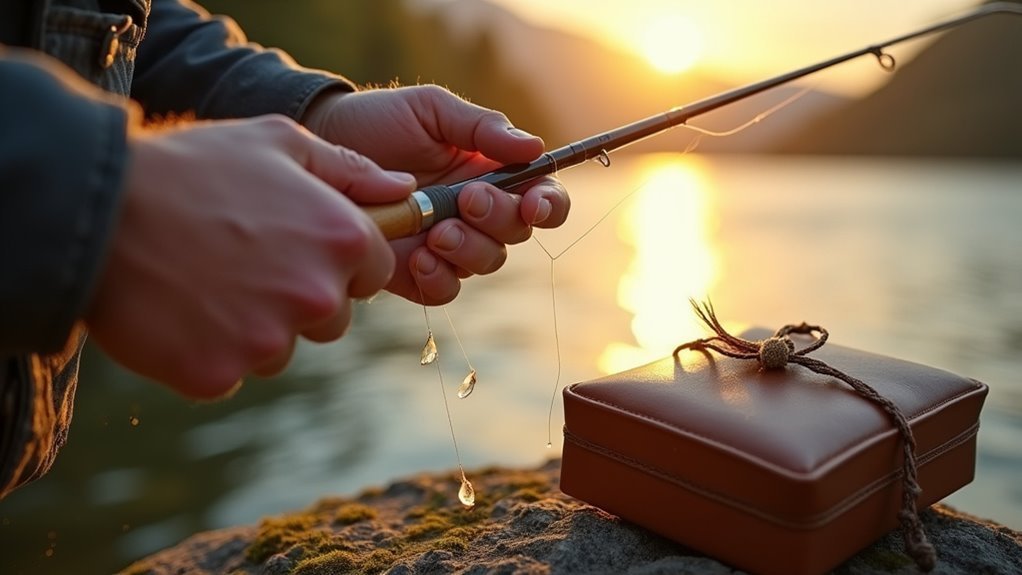
Start with five skills that matter most and you’ll cut years off your learning curve. You’ll focus on casting fundamentals initially because good casts let you reach fish and build confidence. Practice timing, line control, and touch so your presentations feel natural.
Pair that with reading water and learning where fish hide. Then adopt an angler mindset that welcomes mistakes and steady practice. Add knot tying, leader setup, and fly choice skills to round your toolkit.
These skills link tightly so progress in one helps the others, and you’ll see results faster. You belong with other learners who stumble and improve. Trust steady coaching or a guide whenever you need help.
You’ll enjoy the water more as skills stack and fears fade.
Quick Wins: Gear That Boosts Catch Rates
You’re closer to better fishing once you pick the right rod and reel for your target species and water type, because gear that matches the job makes every cast count.
Pair that with smart bait and lure selection and you’ll see more bites as you learn which profiles and colors trigger strikes in your local conditions.
Then add simple electronics and useful accessories to reduce guesswork and keep you confident on the water so practice actually turns into more fish.
Right Rod And Reel
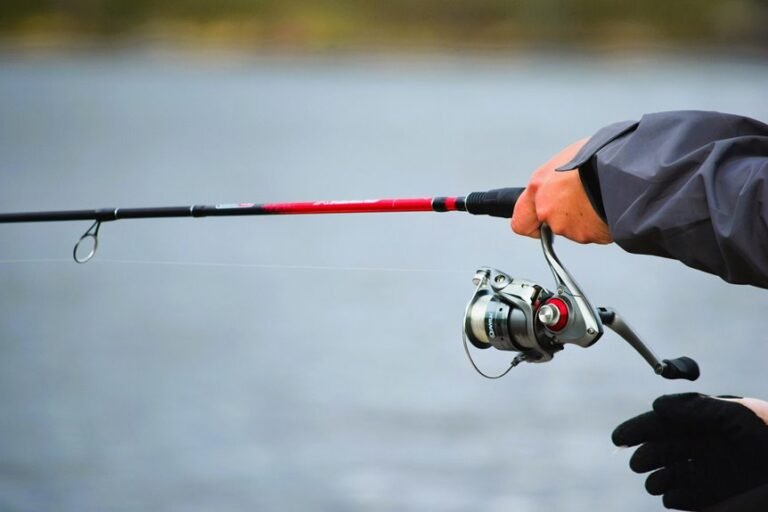
Once you pick the right rod and reel, you’ll feel a quiet confidence that turns awkward casts into solid presentations and missed chances into real hookups. Choose a rod that matches the fish you want and the water you share with friends. Pay attention to rod materials for feel and weight. Graphite is light and responsive, while composite blends give forgiving flex. Match reel size to line and keep balance so casting feels natural and belonging grows on the water.
Learn simple reel maintenance to avoid failures. Rinse after salt or grit, dry thoroughly, and oil moving parts sparingly. Practice with gear you trust. At the moment your equipment feels right, you relax, learn faster, and enjoy the company of other anglers.
Bait And Lure Selection
In case the water looks picky and your confidence feels shaky, choosing the right bait and lure can turn a frustrating day into one with steady action, so let’s make those choices simple and effective.
You belong here and you deserve gear that helps. Learn seasonal patterns and pick lures that match what fish want at the moment. Trust natural imitations provided that bugs or minnows rule the meal plan, and switch colors or sizes whenever fish seem shy.
- Match hatch with soft plastics or flies that mimic local prey
- Use small spoons and spinners for bright, active days
- Try subtle jigs or hair jigs when fish are pressured
- Keep one go-to bait for murky water and one for clear water
Stay curious and share wins with your fishing crew.
Electronics And Accessories
During the period you’re trying to shave time off the learning curve and catch more fish, a few smart electronics and accessories can make a big difference without stealing the joy of learning fundamentals.
You’ll want digital fishfinders that are simple to use and show structure, depth, and bait schools. Pair them with quality mounts so your view stays steady while you cast.
Add a reliable headlamp, polarized glasses, and a net that won’t harm fish.
Good battery management matters, so carry spare power banks and a charger that fits your trips.
A tackle tray with labeled compartments keeps your flies and lures ready.
These small upgrades help you learn faster, feel supported, and belong on the water.
Read Water: Where Fish Hide and Why
You’ll learn to read water through feeling how temperature and current shape fish behavior, and that makes finding them less guesswork and more skill.
Cold and warm pockets, seams and eddies all act like highways and hideouts, so you’ll scan for changes in color, ripple and flow to spot the best targets.
As you practice noticing structure and cover near those temperature zones, you’ll start picking casts that put your fly where fish actually want to be.
Water Temperature Zones
Because water temperature controls where fish feel comfortable, learning to read thermal zones lets you find them faster and waste less time.
You notice temperature effects quickly once fish move between warm shallows and cool depths. Thermal stratification creates layers you can read with a thermometer or your gut.
Whenever you get this, you belong to a group that fishes smarter.
- Check surface and bottom temps to spot the sweet spot where fish feed.
- Watch morning warming and evening cooling for bite windows.
- Use shaded edges and current seams where temps shift slowly.
- Match your depth and drift to the layer fish use that day.
You’ll gain confidence and catch more respecting these invisible lines.
Structure And Cover
Should you learn to read structure and cover, you’ll find more fish with less wandering and frustration. You’ll notice rocks, logs, seams, and drop offs become clues.
Start by matching learning stages to what you see. In initial stages you focus on identifying lies. Later you add presentation and depth.
Structure holds fish for warmth, current breaks, and food. Cover gives them safety and ambush points.
You’ll practice casting into pockets, along edges, and behind boulders. Welcome failure whenever you miss fish; each miss teaches a tweak.
Trust others on the bank and ask questions. You belong to a patient group.
Keep trying, stay curious, and let small wins build confidence as you read water and find more fish.
Improve Faster: Casting & Presentation Drills
Start with short, focused practice sessions that build muscle memory and confidence, not frustration. You’ll warm up through checking hand positioning and finding a steady casting rhythm before moving to targets.
Small wins create belonging and keep you coming back.
- Practice tight loops to targets at different distances to tune timing and feel.
- Do pause drills to control presentation and learn at what point to mend line.
- Work slow motion casts to groove body motion and refine hand positioning.
- Use short accuracy games with friends to share tips and encouragement.
These drills link casting mechanics to presentation so you see cause and effect.
You’ll improve faster whenever practice is social, measured, and kind to your progress.
Lures & Baits That Work : When and How to Use Them
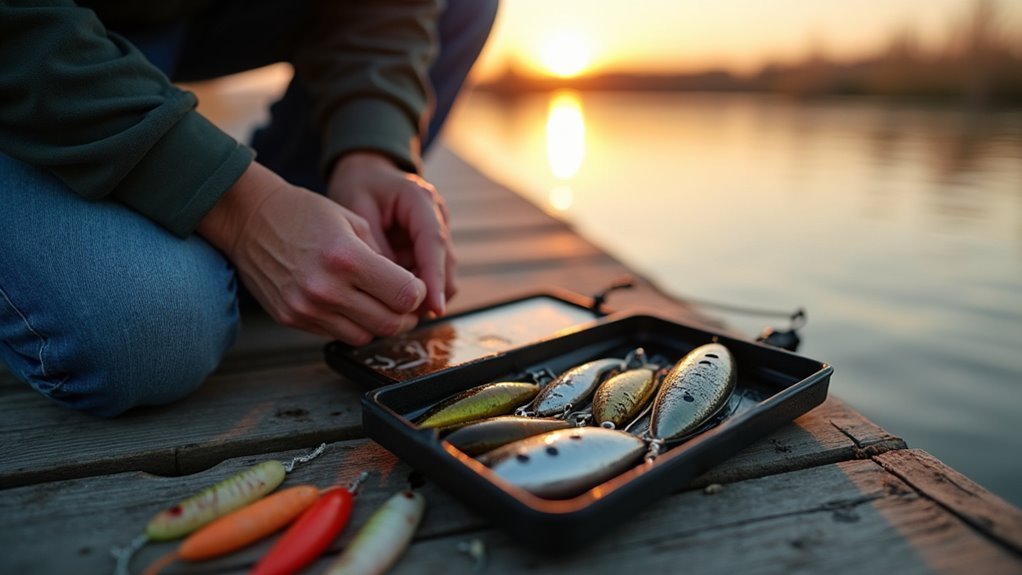
At what point do you reach for a streamer instead of a dry fly, and how do you know which bait will actually get attention? You watch water and reason like fish. Match hatch and seasonal patterns matter, but so do depth and flow.
In shallow riffles a dry fly or small nymph works. In deeper seams try streamers or larger nymphs that mimic baitfish. Learn habitat preferences for your river sections and keep a few reliable lures for each.
Try soft plastics, spoons, and small crankbaits where trout eat minnows. Change size, weight, and retrieval speed whenever fish ignore your offering. You’ll feel more confident when you align bait choice with water, time of year, and the way fish move.
Test & Adjust: 6 Troubleshooting Steps When Fish Don’t Bite
When fish go quiet and your heart sinks, don’t panic; treat it like a puzzle you can solve. You belong here with other anglers who experiment and tweak until things click.
Use environmental observation initially, noting water clarity, temperature, and insect activity. Keep your angler mindset calm and curious. Try these moves to spark bites.
- Change depth or retrieve speed to match prey behavior.
- Swap fly size or color after short trials and watch results.
- Shift casting angle and presentation to reach new water seams.
- Move location gently to evaluate current seams, structure, and cover.
Each step connects to the next, so experiment with one change at a time and adjust based on immediate feedback.
Track Progress: Metrics + 30-Day Practice Plan
In case you want to get better at fly fishing faster, tracking progress matters more than raw hours on the water; it gives you clear data, keeps you motivated, and points exactly where to focus next.
You’ll start with a simple skill assessment each week recording casting accuracy, line control, and fly presentation. Use progress tracking charts or a phone memo to record drills, successes, and problems.
Then follow a 30-day practice plan that mixes focused drills, guided outings, and solo reps. Week one builds casting basics, week two adds leader and fly choices, week three practices water reading and presentations, week four integrates all skills in short sessions.
You’ll feel supported, see measurable gains, and stay part of a learning community.
Stop Plateaus: Habits That Slow Your Progress
In case you keep doing the same drills, using the same gear, and expecting different results, you’ll stall fast and feel stuck, so let’s look at the habits that quietly build plateaus and how to break them.
You belong here and your progress matters. Plateaus often come from mindset barriers and distraction habits that chip away at practice quality and goals. You can change course with small, steady shifts that reconnect you to purpose and community.
- Rigid routines that ignore stages and feedback
- Gear obsession that replaces real casting time
- Skipping coaching which prolongs trial and error
- Multitasking on water that fragments focus
Try swapping one habit each week and watch momentum return.
Frequently Asked Questions
How Do I Choose a Guide Versus Group Lessons for Faster Progress?
Recall the time you learned to ride with one coach versus a whole class? You’ll progress faster with a guide: they give personalized feedback and tight skill focus, while group lessons offer community and shared pacing.
Can Fly Fishing Be Adapted for Limited Mobility Anglers?
Yes - you can. You’ll use adaptive equipment and seated casting, rely on guides or patient groups, adapt techniques to comfort, and find community support so you’re included, progressing confidently at your own pace.
What Mental Routines Reduce Anxiety Before Casting Sessions?
You’ll calm nerves with simple breathing exercises and visualization techniques: breathe slow, image smooth casts, see fish-free practice, remind yourself you belong with other anglers, set small goals, and celebrate tiny improvements before each session.
How Do Seasonal Insect Hatches Change Yearly Planning?
Seasonal insect hatches shift timing and intensity, so you’ll plan trips around insect emergence windows and local migratory patterns; you’ll adapt gear, practice presentations, and share forecasts with your community to stay confident and connected.
When Is It Worth Investing in Custom-Tied Flies?
Consider a tailor-made suit: it’s worth buying custom-tied flies if local hatches demand precise pattern effectiveness and unique material selection, you’re committed to improving, and you want gear that feels like it truly belongs to your kit.