Book Appointment Now

Fishing Adaptation: Adjust to Changing Conditions

Adapt to changing fishing conditions by adjusting gear, watching the water, and switching tactics to keep catching fish. Scan the sky, tide, and clarity, then match lures, retrieve speed, and rigging to those signals. Prep safety checks and use heavier leaders in strong current while using apps or sonar to find active fish. Talk with local guides and anglers for tips, notice new species, and practice careful catch-and-release to protect fish and preserve future trips. Keep adjusting as conditions shift to stay effective and responsible.
Quick Checklist: 5 Things to Check First
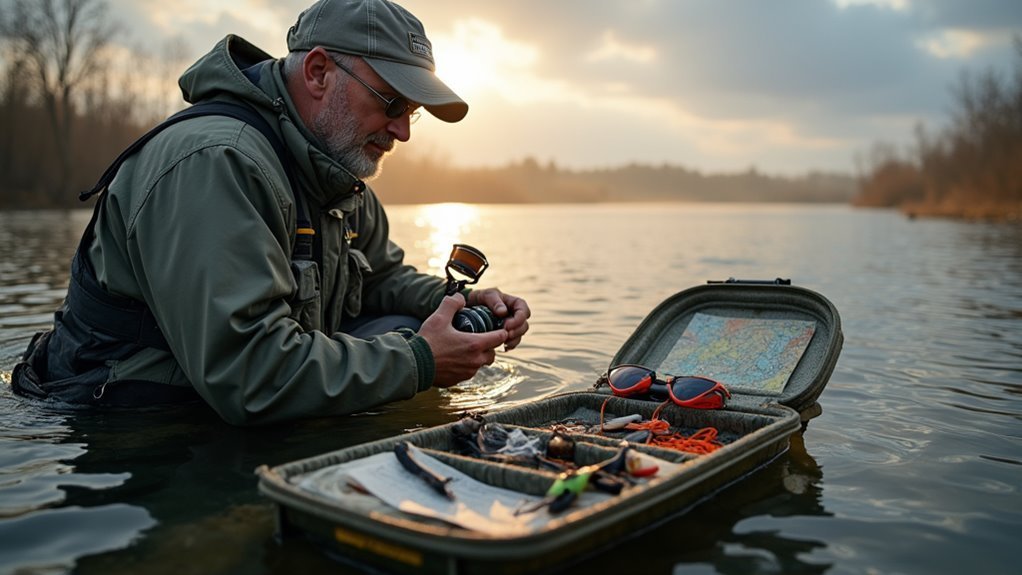
Want to know the five things you should check initially before you cast off? You’ll feel calmer once you do a quick gear inspection.
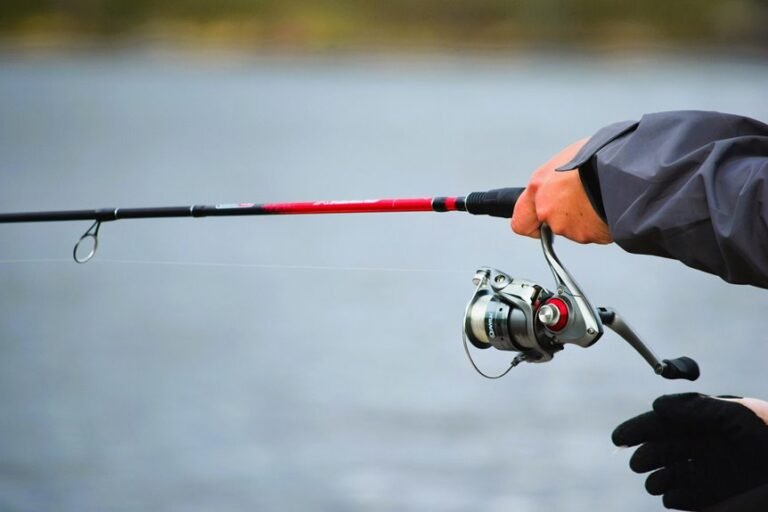
Look over rods, reels, lines, and lures. Check knot strength on every rig and retie any suspect knots. Next, scan your tackle for the right bait types so you can match local forage and water clarity. Then confirm terminal tackle like weights and snaps are smooth and rust free.
Inspect safety gear including life jackets, signaling devices, and a simple primary aid kit. Finally, verify boat systems such as bilge pumps, fuel level, and battery charge.
These checks connect practical prep with confidence, so you and your crew feel supported and ready.
Read the Day: 7 Weather & Water Signals
Reading the day starts with paying attention to seven simple weather and water signals that tell you where fish will be, how active they’ll be, and what bait will work best.
Watch barometric pressure trends, because rising pressure often brings steady bites and falling pressure can slow fish.
Observe cloud cover, wind direction, and temperature shifts since they change feeding windows.
Study wave patterns and current breaks to find seams where bait gathers and predators wait.
Check tide stage and recent rain for clarity and scent flow.
Listen to your crew and trust local signs; you’re part of a team learning together.
Keep a simple log each trip so patterns become familiar and your choices feel confident and shared.
Match Lures to Water Clarity
How do you pick the right lure as the water’s doing all the talking? You listen with your eyes and trust simple rules that connect you to the fish and to other anglers who care.
Start with this quick guide:
- In clear water choose natural profiles and subtle color contrast to mimic forage, and pick softer lure material for realistic movement.
- In lightly stained water use medium contrast and medium sized lures to balance visibility and realism.
- In murky water go bold with high contrast colors and larger lures that create vibration and flash to draw attention.
- In mixed clarity zones combine a natural profile with bright accents so you cover both stealth and attraction.
These choices help you belong to a thoughtful fishing community that adapts together.
Adjust Retrieve for Temperature Changes
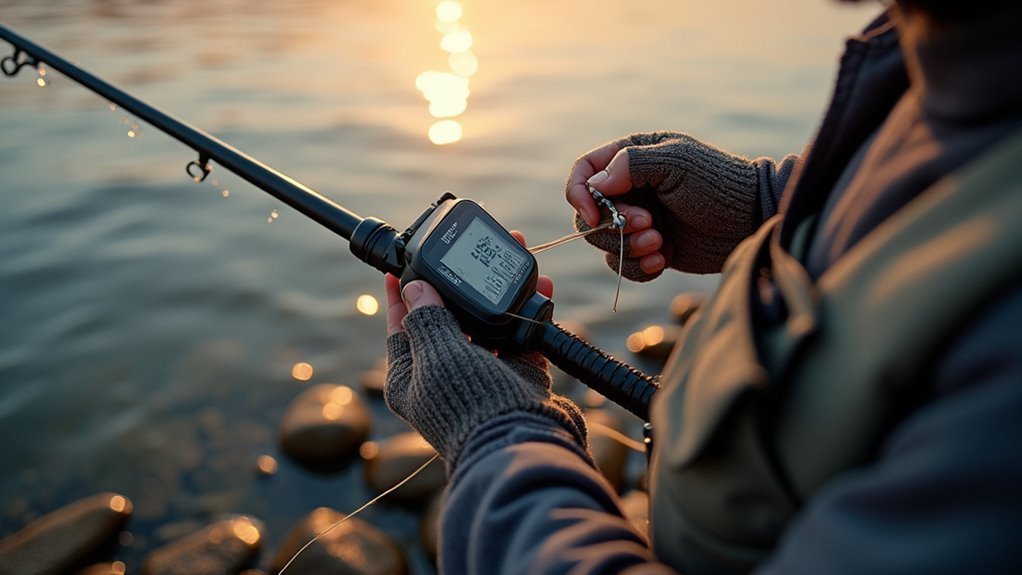
As water cools and fish slow down, you’ll want to slow your retrieve and make every few inches of lure movement count, because lethargic fish won’t chase fast presentations. You’ll feel more confident once you use a slow retrieval and pause often, letting the lure sit like an easy meal.
Combine that with deeper targeting to find fish in stable, colder layers where they hold. Try smaller twitches, longer pauses, and subtle rod tips so your bait looks natural.
Change retrieve cadence until bites come, and share the rhythm with your crew so everyone learns together. Stay patient, adjust weight or bait size for depth, and keep conversations encouraging. You belong here and you’ll find the fish provided you adapt.
Re-Rig for Strong Current and Wind
Slowing your retrieve and working deeper gives you a better feel for fish behavior in cold water, and you’ll need that same attention once the water starts pushing hard against your line. Re rigging for strong current and wind means you and your mates stick together and share simple, useful changes so everyone feels confident.
- Increase line strength to handle sudden runs and abrasion from current.
- Shorten leader length whenever wind tugs you, so your lure tracks truer and you feel bites sooner.
- Use heavier jig heads or sinkers to hold depth without big action loss.
- Swap to stronger knots and check terminal tackle often for wear.
These steps keep you connected to fish and to your crew, making tough conditions more welcoming.
Troubleshoot When Fish Stop Biting
Ever question why the bite suddenly stops and you feel like you’re the only one left trying? You’re not alone, and you can fix it.
Initially check presentation and try bait scenting to add attraction, or swap to natural colors in clear water. Then evaluate retrieve speed and depth, because fish change with temperature and tides.
Should one spot goes quiet, welcome location mobility and move to new structure, deeper holes, or edges where currents meet. Try different lure sizes, profiles, and sounds to match local forage.
Talk with peers, share observations, and stay flexible whenever conditions shift. Small adjustments build confidence, and being part of a group who adapts will keep you catching more often.
Use Apps, Sonar & Forecasts to Find Fish
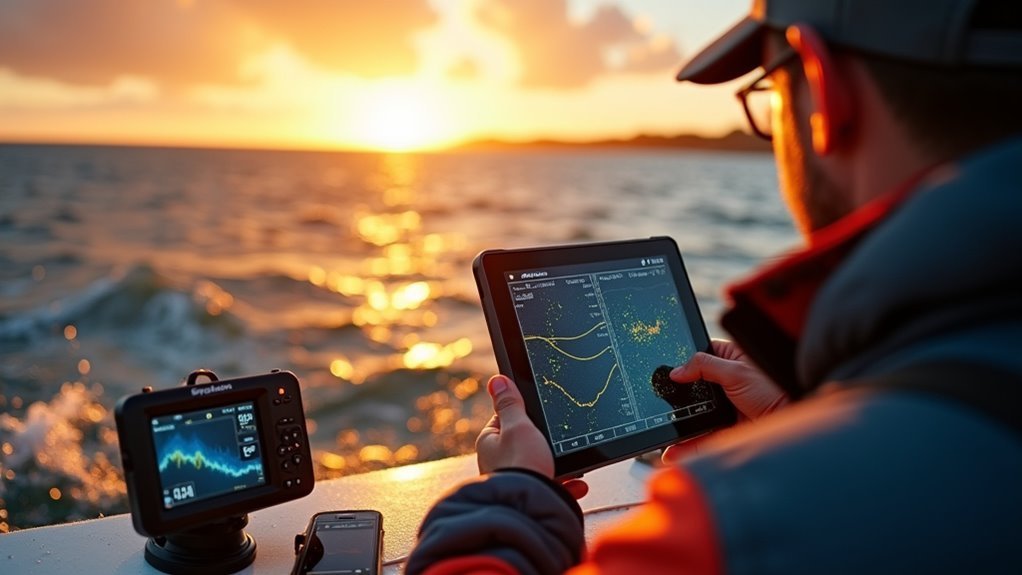
At the moment you want to spend more time catching fish and less time guessing, using apps, sonar, and forecasts together gives you a clear advantage.
You belong to a crew that trusts data and instincts, so pair depth mapping with bait tracking to find the right zone and stay confident on the water.
- Use apps for local wind, tide, and bite reports to plan your window.
- Scan with sonar to see structure, schools, and precise depth contours.
- Combine forecasts and live sonar to decide lure size and retrieve speed.
- Share screenshots with your group to build shared knowledge and trust.
That mix keeps you nimble, reinforces team learning, and gets more lines tight without losing the joy of fishing.
Verify Tips: Ask Guides and Local Anglers
Who do you ask once the bite pattern changes and your app, sonar, and forecasts disagree? You turn to people who fish these waters. Talk with guides and local anglers to tap local knowledge and community understandings that tech can miss.
Ask about recent bait choices, retrieval speeds, depth changes, and spots that suddenly worked or faded. Be open, listen, and share what you tried so they’ll share details back.
Visit tackle shops, docks, and online local groups to compare observations. Use tips to trial different lures, scents, or depths quickly.
Whenever you try suggestions, report results so the group learns. You’ll feel more connected, confident, and ready to adjust whenever conditions shift.
Identify New Species and How to Target Them
How do you know once a new species is moving into your fishing grounds, and what do you try initially to catch it? You watch catches, talk with neighbors, and record shifts in bait fish and depth.
Whenever species shifts arrive, you adapt your target selection with curiosity and shared confidence.
- Observe: track unusual bites, schooling patterns, and new prey.
- Match bait: change colors and sizes to local forage and water clarity.
- Shift depth: fish deeper or shallower as newcomers prefer different temperatures.
- Experiment with rigs: try lighter presentations, noise makers, or live baits to learn feed style.
You’ll feel supported trying small experiments, sharing results, and refining methods with your fishing community.
Practice Adaptive Catch-and-Release & Regs
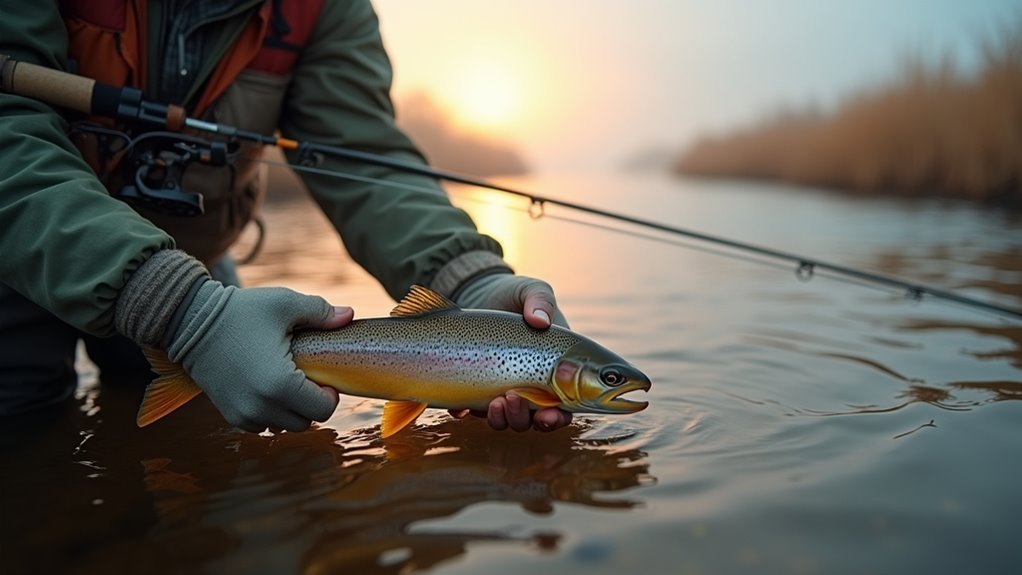
You’ll protect fish and future fishing trips through using gentle, informed handling techniques that cut stress and injury.
Always follow local regulations like size limits, seasonal closures, and gear rules so you’re doing the right thing for the fish and your community.
Through combining careful handling with the rules, you’ll increase survival rates and feel confident that your catch-and-release actually helps fish thrive.
Proper Handling Techniques
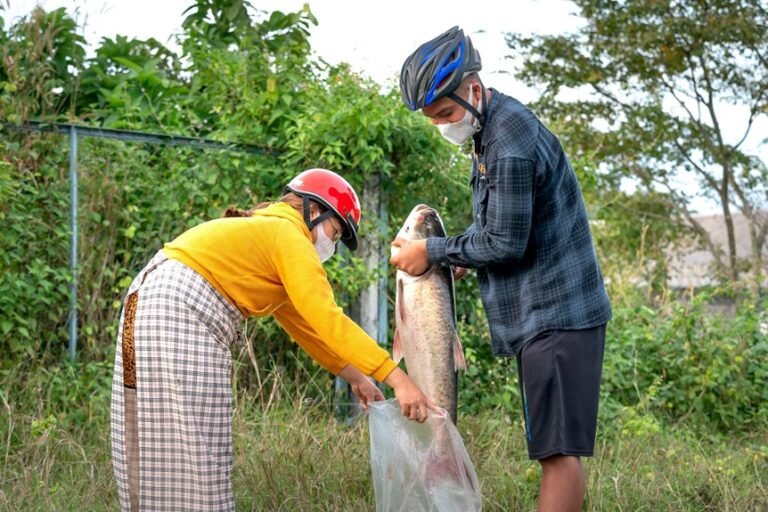
Even although the bite is fast, handling fish properly matters for their survival and for your peace of mind. You want fish to swim away strong, and you want to feel proud of your choices. Use handling gloves as needed to protect slime and your hands.
Keep fish in water as much as possible, support their belly and avoid squeezing. Quick, calm hook removal keeps stress low.
- Use wet hands or handling gloves to lift and cradle fish gently.
- Trim barb or pinch hook and do fast hook removal with pliers.
- Minimize air exposure; plan photos and gear before lifting.
- Revive fish through holding head into current until it swims off.
These steps make catch and release kinder and keep your group connected to stewardship.
Following Local Regulations
You handled that fish with care and honor, and now there’s another step that keeps both fish and future fishing trips healthy: following local regulations and practicing adaptive catch-and-release.
You belong to a community that protects shared waters. Check fishing zones before you go, learn seasonal closures, size limits, and bag limits that change with conditions. Keep your license renewal current so you fish legally and support habitat work.
Once rules shift, adapt your release practices to meet them, and share changes with friends so everyone stays informed. Talk with local rangers and anglers, ask questions, and pass along clear updates.
Through staying connected and compliant, you protect fish populations, reinforce trust in your group, and help future outings stay strong.
Minimizing Fish Stress
Once water temperatures change or rules shift, anglers who handle fish gently help keep both populations and future trips healthy, so learning how to minimize stress matters as much as grasping the regulations.
You care about fish and people who share the water, so you’ll use techniques that cut stress hormones and respect recovery periods. Try these practical steps to protect catches and community.
- Use barbless hooks and quick dehooking to shorten air exposure.
- Keep fish in water during unhooking and revive them facing current.
- Limit handling time and support fish horizontally to protect organs.
- Follow seasonal rules and release larger breeders to aid population resilience.
You’ll feel part of a caring group once you act with patience and respect.
Frequently Asked Questions
How Do I Scent Homemade Bait Without Harming Fish?
Consider your bait as a shared meal: mix natural essences like garlic or anise with fish safe flavorings (minimal amounts), soak briefly, rinse excess, and experiment gently so you’re caring for fish and community alike.
Can Shifting Moon Phases Affect Bite Timing Here?
Yes - lunar cycles and tide influence often sync, so you’ll see bite timing shift around new and full moons; you’ll feel more connected fishing those peaks, sharing tips and rhythms with your local angling community.
What’s the Best Way to Store Extra Rigs on Long Trips?
Store extra rigs in labeled rig organizers inside waterproof cases so you’ll feel prepared and part of the crew; keep rigs separated, dry, and tangle-free, rotate fresh leaders, and stash desiccant packs for long trips to reassure everyone.
How Do I Avoid Seabed Snagging With Soft Plastics?
You’ll avoid seabed snagging with soft plastics through matching line weight to bottom structure, using smaller hook size in weedless rigs or Texas-rig setups, keeping slight tension, and moving periodically to stay off snags together.
When Should I Switch Target Species Mid-Trip?
Switch mid-trip as weather changes or bites dry up; you’ll feel the shift like a tide. Trust bait selection failures, crowding, or sudden depth moves, and pivot together with your crew for better odds and shared wins.