Book Appointment Now

What Is Inshore Fishing

Inshore fishing means targeting species close to shore-think bays, marshes, and estuaries. Anglers use lighter rods, braided line, and live bait or soft plastics to catch redfish, trout, and striped bass. Success comes from reading tides, currents, and structure while practicing steady skills. Boats include flats skiffs, bay boats, or simply fishing from the shoreline, with safety and local rules guiding every trip.
What Is Inshore Fishing: and Who Is It For?
Curious what inshore fishing really is and whether it’s right for you? You’re stepping into salt or brackish water close to shorelines, where depths stay shallow and conditions feel calmer. You’ll fish bays, estuaries, rivers, and coastal edges, using lighter tackle that suits groups who want easy access and shared learning.
It’s great should you want to belong to a friendly crew or family outings, because it’s approachable and social. You’ll benefit from simple beginner equipment like a 7-foot rod, 3500 series reel, and braided line, plus small jigs and live bait.
Shoreline habitats give clear places to cast and learn structure reading. You’ll get confidence fast, connect with others, and enjoy steady success.
Key Inshore Species and Where to Find Them (Habitat & Tides)
Where do the fish you’re after actually hang out, and how do tides and habitat point you to them? You’ll find redfish and speckled trout near marsh edges, oyster beds, and shallow flats where bait gathers.
Striped bass and fluke move into estuaries and river mouths during seasonal migrations, following cooler water and food. On the west coast, calico bass and halibut use rocky structure and kelp for cover.
Pay attention to spawning grounds in protected coves and grassy shallows, because fish congregate there at certain times. Tides bring bait into channels and out onto flats, so time your outings with incoming or outgoing flows.
You’ll learn spots, trust local anglers, and belong to a guiding community.
Reading Tides, Currents and Structure for Inshore Success
As you learn to read tides, currents and structure, you’ll spend less time guessing and more time catching fish. You’ll notice tidal influence shaping where bait and predators gather.
Learn to read charts and watch water lines. Look for sandbars, channels and oyster beds because structure holds food and hides fish. Measure current speed through timing a drifting float between markers. Faster current speed pushes bait into eddies near structure where fish wait.
Combine tide stage with shoreline features to pick spots that match target species. Share observations with friends and other anglers so you all improve.
You’ll feel more confident once you predict feeding windows and choose spots that match tidal influence and current speed instead of just casting randomly.
Essential Tackle: Rods, Reels, Lines and Lures for Inshore Fishing
Picking the right tackle makes inshore fishing easier and more fun, and you’ll catch more fish provided your gear matches the water, species, and techniques you use. You want a setup that feels familiar and reliable, so you fish with friends and feel confident.
Start with a 7 foot medium rod paired with a 2500 to 3500 reel for most bays and flats. Use 10 to 15 pound braided mainline plus a 20 pound fluorocarbon leader. Bring a mix of lures and tools so you can adapt.
- Soft plastics and jig heads for shallow grass
- Topwater plugs for calm mornings
- Spoons and spoons that flash for moving water
- Custom lures matched to local forage
- Regular rod maintenance and reel care to keep gear ready
Inshore Boats and Platforms: Flats Skiffs, Bay Boats and Shore Options
In case you want to hit the flats, cruise bays, or fish from shore, choosing the right platform will make your day easier and more fun. You’ll find flats skiffs give you stability and a shallow draft so you can pole into skinny water together.
Bay boats offer a roomy deck, storage, and a center console for groups who like a bit more gear and comfort.
Should you prefer solitude or a low cost entry, kayak fishing opens access to narrow channels and quiet spots. Paddle platforms like sit-on-top kayaks or small paddlecraft bring you closer to nature and friends without loud engines.
Pick what fits your crew, the water you love, and the kind of day you want to share.
Basic Techniques: Sight Fishing, Drifting and Casting Tips
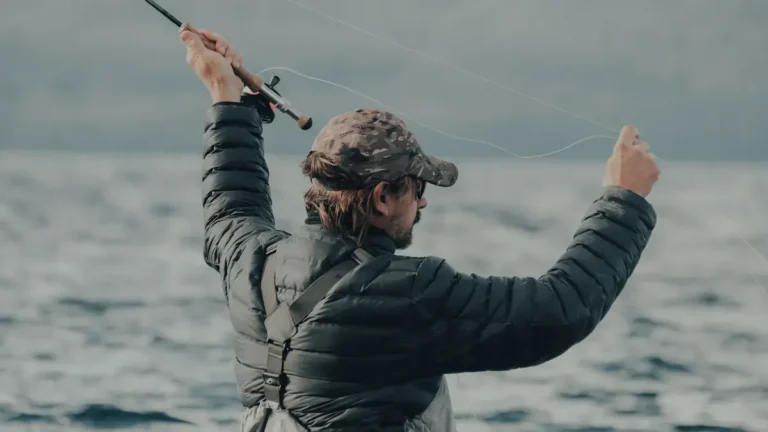
Should you learn to read water and move quietly, you’ll see more fish and catch more often during sight fishing, drifting, or casting in inshore waters. You belong with anglers who share tips, and you’ll feel welcome as you try fly fishing or jigging techniques in calm flats.
Move slowly, scan for tails, wakes, or dark shapes, and plan your drift to cross feeding lanes.
- Watch light, shadow, and structure to spot fish
- Position boat quietly and control drift with wind
- Cast beyond the school then retrieve with pauses
- Use fly fishing gear for delicate presentations in shallow water
- Apply jigging techniques near mangroves and edges to trigger strikes
Stay patient, learn from others, and trust small adjustments.
Staying Safe: Weather, Gear Checks and Local Regulations
Before you head out, check the weather forecast so you’re not surprised due to sudden squalls or heavy wind.
Inspect your safety gear, from life jackets to bilge pumps and radios, to make sure everything will work in case you need it.
Also know local regulations for size limits, seasons and restricted areas so you can fish responsibly and avoid fines.
Check Weather Forecasts
Before you plan an inshore trip, checking the weather is the single most vital habit you can build because conditions change fast near shore and your safety depends on it. You want to belong to a group that looks out for one another, so make checking weather patterns and storm warnings part of your routine.
Use trusted sources and compare radar, wind, tide, and marine forecasts. Bring a charged phone and a backup battery so you can get updates.
- Check hourly and 48 hour forecasts
- Monitor wind speed, gusts, and direction
- Watch tide charts and current flow
- Look for lightning, rain bands, storm warnings
- Verify visibility and sea state reports
These steps help you fish confidently and return together.
Inspect Safety Gear
Once you step onto the water, having your safety gear inspected isn’t optional if you wish everyone to get home safe, so take it seriously and make it quick and thorough. You belong here, and checking together builds trust. Feel the life jackets for tears, examine buckles, and make sure sizes fit everyone. Open emergency kits, replace expired supplies, and confirm lights and radios work. Share tasks so no one feels left out.
| Item | Checkpoint | Action |
|---|---|---|
| Life jackets | Fit and fabric | Try on, repair or replace |
| Emergency kits | Contents and dates | Restock and label |
| Lights | Batteries | Replace and examine |
| Radio | Signal | Charge and scan |
| Anchor | Rope and fit | Secure and stow |
Doing this keeps the group safe and calm.
Know Local Regulations
Why does grasping local fishing rules matter so much as you’re heading out inshore? You want to belong to a community that protects fish and keeps everyone safe, so recognizing license requirements and catch limits helps you fish responsibly and avoid fines.
Check rules before launch, and share what you learn with your crew.
- Confirm license requirements for everyone on board and carry proof
- Learn seasonal closures and protected areas near your favorite spots
- Follow catch limits and size rules to support healthy populations
- Understand gear restrictions like hook type and net limits to stay compliant
- Review reporting or tag rules for special species to help science
These steps connect you with local anglers and make your trips calm and welcome.
Plan Your Inshore Trip: Route, Bait and Timing
Once you plan an inshore trip, start with mapping a clear route that lets you hit structure like channels and flats while keeping safety and fuel in mind.
Then pick bait that local fish prefer and that matches water clarity, since the right bait often makes the difference between a slow day and steady action.
Finally, time your trip around tides and low light windows such as morning hours or late afternoon to stack the odds in your favor.
Route Planning Basics
In case you want your inshore trip to feel calm and successful, start with planning your route, bait, and timing together so each choice supports the others.
You’ll look at charts, seasonal patterns, and tide times, and you’ll mark steering hazards so your group feels safe and included. Pick waypoints near structure and shallow flats, and plan backup paths in case wind or traffic changes your plan.
- Check local charts and markers for shallow areas
- Record tide windows and moon phase for feeding times
- Flag steering hazards like shoals and submerged debris
- Choose routes with easy exits and safe anchor spots
- Plan time buffers for weather shifts and relaxed breaks
This approach keeps everyone comfortable and confident while you fish.
Bait Selection Tips
You’ve already mapped safe routes, marked hazards, and timed your trip around tides, so now you’ll want to match bait to those choices so everything works together. You’ll feel more confident whenever your bait fits water depth, structure, and the species you seek. Live bait draws natural strikes in calm, shallow estuaries, whilst artificial lures let you probe structure and cover more water. Trust local advice and bring both, so you belong to that boat of anglers who adapt.
| Situation | Best Choice |
|---|---|
| Shallow grass or mangroves | live bait |
| Rocky points or pilings | artificial lures |
| Open mudflats | live bait |
Rotate presentations, vary size, and keep gear ready.
Ideal Timing Windows
What time of day will give you the best chance to hook a keeper? You’ll find morning and evening hold the edge because feeding times peak then, and moon phases can enhance activity.
You’ll feel more confident planning around tides, light, and your group’s energy.
- Dawn calm: cooler water, active baitfish, easy casting
- Dusk warmth: predators hunt in low light, quieter crowds
- Incoming tide: brings food into flats and channels
- Full and new moon: stronger tides, predictable feeding times
- Slack tide pockets: concentrate bait and make strikes visible
Trust your local anglers and adjust routes to match timing. You belong here, and small timing shifts will bring clearer results and shared stories.
From Beginner to Confident Angler: Practice Tips and Progression
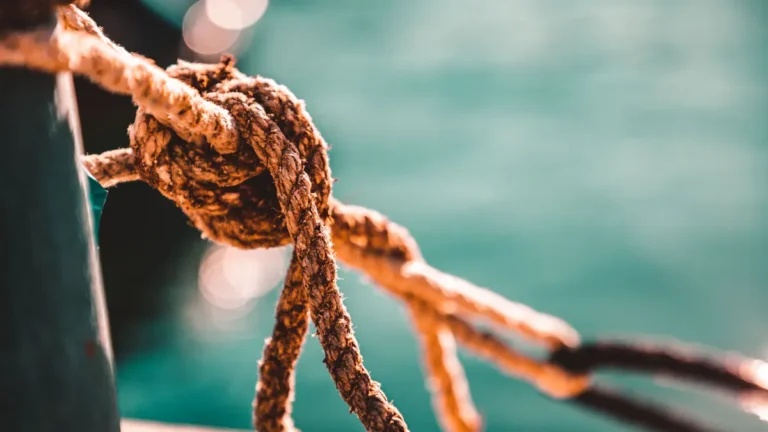
In case you’re just starting out, don’t worry-building confidence in inshore fishing is a step-by-step process that anyone can follow. Start through practicing casting accuracy on land, aiming for targets at different distances. Then work on knot tying until your knots are quick and secure. Join a local group or buddy up with someone who fishes nearby so you feel supported and learn local tricks.
Spend calm mornings on shallow water practicing lure control, drift techniques, and reading structure. Keep sessions short and focused, repeat one skill per outing, and track progress in a simple log. Celebrate small wins like cleaner casts or steady hookups.
Over time you’ll blend technique, local knowledge, and calm decision making into real confidence.
Frequently Asked Questions
How Do I Get Proper Fishing Licenses and Permits for Different Regions?
You check regional regulations online or at local fish and wildlife offices, follow the permit application steps, join community clubs for guidance, and keep licenses current - you’ll belong while staying legal and informed.
What Are Common Inshore Fish Diseases or Parasites to Watch For?
Watch for fin rot and marine ich, you’ll feel like the squad’s medic spotting them promptly; also observe fungal ulcers, parasitic worms, and bacterial infections - treat, report, and share tips so everyone’s catch stays healthy.
How Should I Store and Transport My Catch Safely After Fishing?
Keep your catch chilled immediately: you’ll ice fish in a cooler storage with layered ice and a drain plug, separate fish from bait preservation ice, gut quickly, rinse, and secure cooler during transport so everyone’s proud.
Which Smartphone Apps or Tech Help With Local Inshore Fishing Spots?
About 70% of anglers rely on apps-so you’ll fit right in. Use tide tracking apps and sonar mapping like Navionics, Fishbrain, and Garmin ActiveCaptain for local inshore spots, sharing catches and tips with friendly communities.
What Are Low-Cost Ways to Maintain and Repair Inshore Gear?
Use basic line cleaning, inspect guides, and re-tie frayed knots tying often; you’ll swap split rings, sharpen hooks, and fix drag with household tools. Join local groups for shared tips so you won’t feel alone.