Book Appointment Now

What to Look for When Buying a Fishing Reel
ByIMRAN
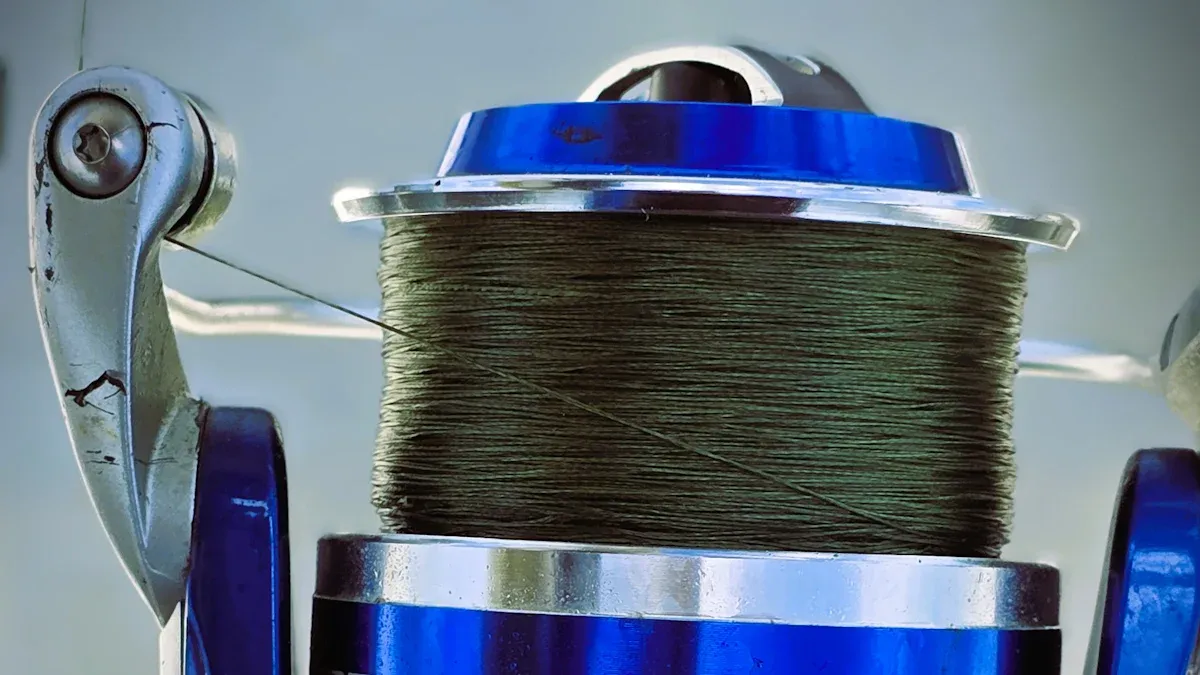
Choosing the right fishing reel is crucial when buying a fishing reel, and it matters more than you might think. It can significantly affect your experience and success while fishing. You want a reel that matches your fishing style and skill level. Key features, like drag systems and line capacity, can enhance your performance and overall enjoyment on the water when buying a fishing reel.
Key Takeaways
Choose a fishing reel that matches your skill level and fishing style. This ensures a better experience and increases your chances of success.
Pay attention to the drag system. A good drag system allows you to adjust tension, which is crucial for landing larger fish without breaking the line.
Consider the line capacity of the reel. Different fish and fishing environments require different amounts of line, so choose a reel that fits your needs.
Key Features for Buying a Fishing Reel
Drag System
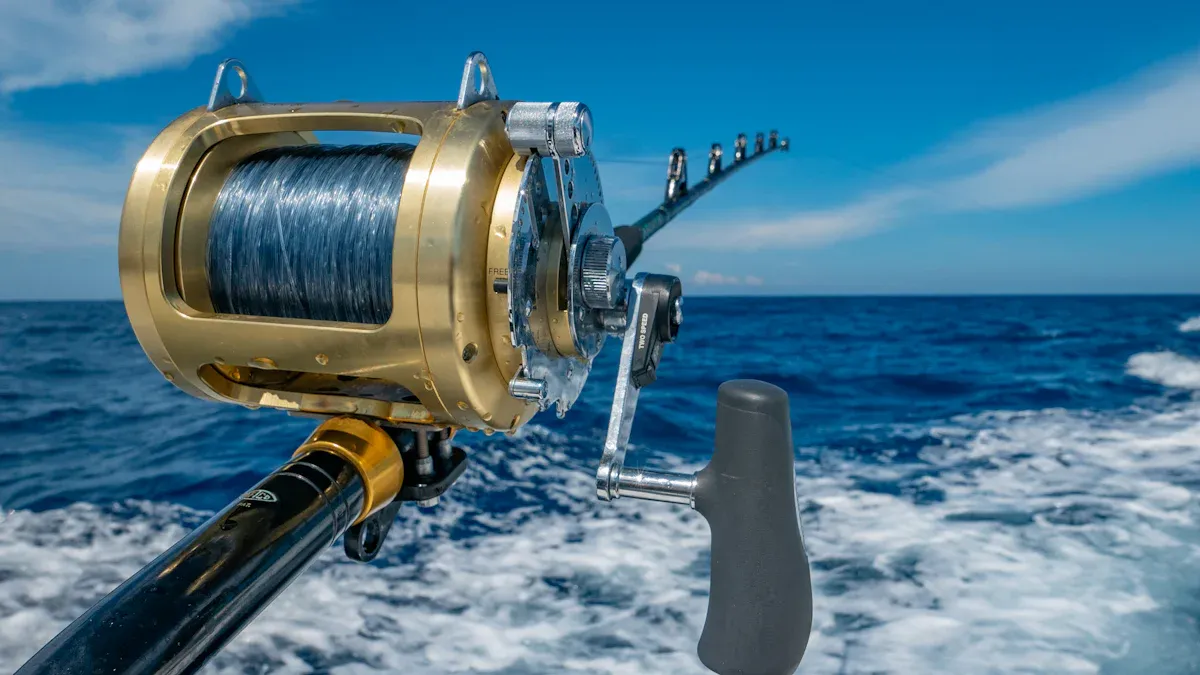
The drag system is one of the most critical features of a fishing reel. It controls how much resistance a fish feels when it pulls on the line. A good drag system allows you to adjust the tension, which is essential for landing larger fish. Here are some common types of drag systems you might encounter:
Friction Drag Systems: These are often found in spinning reels. They use friction discs or washers to create resistance. The materials used, like felt or carbon fiber, can significantly affect performance.
Centrifugal Drag Systems: Typically seen in baitcasting reels, these systems use centrifugal force to provide resistance. This feature enhances your casting experience and helps reduce backlash.
Magnetic Drag Systems: These systems utilize magnets for resistance. They offer easy adjustments and are ideal for beginners who are still learning the ropes.
Understanding how to set your drag properly can make a big difference. For instance, if you’re targeting larger species, you’ll want to ensure your maximum drag rating is high enough to handle the fight. This allows you to apply significant pressure without risking line breakage, increasing your chances of landing that trophy fish.
Line Capacity
Line capacity refers to how much line a reel can hold. This feature is crucial because it affects your ability to catch different types of fish in various environments. Here are some factors to consider regarding line capacity:
Target Species Behavior: Some fish make long runs, requiring more line than others that fight vertically.
Fishing Depth: If you’re fishing in deeper waters, you’ll need more line just to reach the strike zone.
Typical Casting Distances: Shore fishing often demands longer casts than boat fishing.
Using braided line can also influence your line capacity. Its smaller diameter allows for approximately double the yardage of monofilament for an equal pound-test rating. This means you can use the same physical size reel in vastly different fishing situations based on your choice of line.
Material and Construction
The materials used in a fishing reel’s construction play a significant role in its durability and weight. Here’s a quick overview of common materials and their pros and cons:
Material | Advantages | Disadvantages |
|---|---|---|
Machined Aluminum | Strong, rigid, good heat conduction | Heavier, more expensive to produce |
Die-Cast Aluminum | Lighter, corrosion-resistant | Less rigid under heavy pressure |
Graphite | Lightweight, good for light to moderate use | Less rigid, heat retention can affect performance |
Brass | Durable for gears | Heavier than alternatives |
Stainless Steel | Strong, resistant for gearing and shafts | Can add weight |
Titanium | Lightweight, strong | More expensive, less common in reels |
For saltwater fishing, corrosion resistance is vital. Anodized aluminum, for example, undergoes a process that creates a thick, ceramic-like oxide layer. This layer effectively blocks saltwater from reaching the base metal, significantly improving corrosion resistance. Marine-grade stainless steel is another excellent option, but it requires regular maintenance to prevent pitting.
When choosing a reel, consider how the material will hold up in your fishing environment. A durable reel can last for years, making it a worthwhile investment.
Types of Reels: How to Choose a Fishing Reel
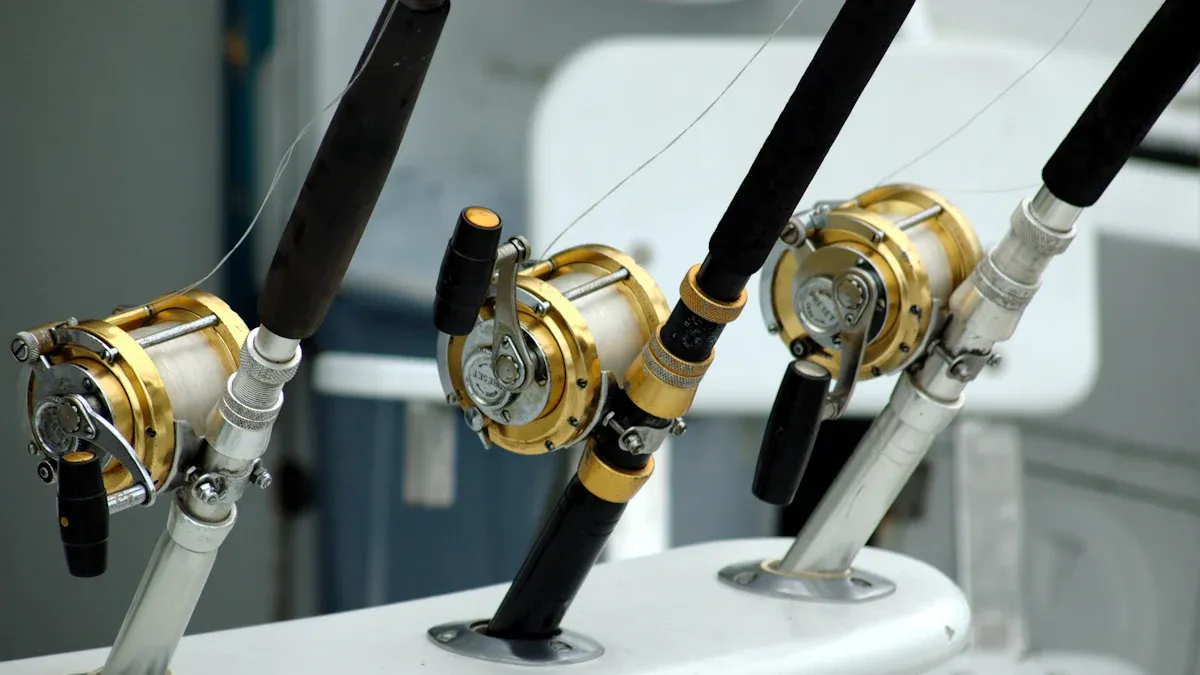
When it comes to fishing, choosing the right reel can make all the difference. Each type of fishing reel has its unique features, advantages, and disadvantages. Let’s dive into the four main types of fishing reels: spincasting, spinning, baitcasting, and conventional reels.
Spincasting Reels
Spincasting reels are often the go-to choice for beginners. They feature a closed design that helps prevent tangles, making them user-friendly. Here are some key points about spincasting reels:
Advantages:
Easy to use, perfect for beginners.
Durable and cost-effective.
Lightweight and compact, making them easy to handle.
Less vibration while reeling, which can enhance your experience.
Disadvantages:
A bit difficult to handle compared to other types.
Prone to line tangles, requiring proper winding.
Limited availability, which can make them more expensive.
Hard to control the drag setting.
Spincasting reels excel in freshwater fishing, especially for species like panfish, perch, trout, and bass. They are versatile enough for finesse fishing and topwater techniques. However, they may struggle with larger saltwater species.
Advantages | Disadvantages |
|---|---|
Easy to use. | A little difficult to handle compared to others. |
Durable. | Gets tangled easily and needs frequent maintenance. |
Cost-effective. | Infrequently available, making it more expensive. |
Lightweight and compact. | Line tangles easily, requiring proper winding. |
Variegated line weights available. | Line breakage is common and needs immediate repair. |
Less vibration while reeling. | Hard to control the drag setting. |
Less maintenance costs. | N/A |
Easy to handle. | N/A |
Spinning Reels
Spinning reels are another popular choice, especially for those who enjoy versatility. They work well in both freshwater and saltwater environments. Here’s what you need to know:
Pros:
Easy to use, making them suitable for all skill levels.
Versatile across various environments, from lakes to oceans.
Less prone to line twisting, which can save you time and frustration.
Excellent for lighter lures and baits.
Cons:
Less accurate than baitcasting reels.
May have less cranking power for larger fish.
Spinning reels shine in freshwater fishing, providing precision handling and high catch rates for species like bass and trout. In saltwater, they offer corrosion resistance and high line capacity, making them ideal for inshore fishing for species like redfish and snook.
Pros | Cons |
|---|---|
Easy to use | Less accurate than baitcasting reels |
Versatile across various environments | May have less cranking power for large fish |
Less prone to line twisting | N/A |
Excellent for lighter lures and baits | N/A |
Baitcasting Reels
Baitcasting reels are designed for experienced anglers who want more control and accuracy. They are perfect for heavier lures and larger fish. Here’s what makes them stand out:
Advantages:
Provide better control and accuracy, especially with heavier lures.
Allow for stronger line, beneficial when fighting larger fish.
Excel in heavy cover situations, giving you the power needed to pull fish out of obstacles.
Disadvantages:
Require more skill to use effectively.
Can be prone to backlash if not used correctly.
Baitcasting reels often have higher gear ratios, allowing for faster line speeds. This feature makes them efficient for casting and retrieval. They are ideal for techniques like flipping and pitching, especially in heavy cover.
Conventional Reels
Conventional reels are built for strength and line capacity, making them suitable for big game fishing. Here’s what you should know:
Advantages:
Higher drag strength, crucial for targeting larger species.
Typically have higher line capacity, allowing you to fish deeper waters.
Drag systems can be adjusted using star or lever drag mechanisms.
Disadvantages:
Heavier and bulkier than other types.
Require more maintenance to keep them in good condition.
Conventional reels are perfect for trolling, bottom fishing, and big game fishing. They excel in deep waters, targeting species like tuna, marlin, and sharks.
Feature | Conventional Reels | Other Reel Types |
|---|---|---|
Line Capacity | Typically higher, especially in larger models | Generally lower, varies by type |
Drag Strength | Higher drag strength, crucial for big game | Varies, often lower than conventional |
Drag Mechanism | Star or lever drag, with lever drag preferred for big-game fishing | Varies, often simpler mechanisms |
Choosing the right type of fishing reel depends on your experience level and the fishing techniques you plan to use. Each reel type has its strengths and weaknesses, so consider what fits your style best!
Considerations for Your First Fishing Reel
Choosing your first fishing reel can feel overwhelming, but it doesn’t have to be! Here are some tips to help you make the right choice:
Type of Waters: Think about where you’ll be fishing. Freshwater and saltwater reels differ in durability and design. If you’re fishing in saltwater, look for corrosion-resistant materials.
Target Species: Different fish require different gear. For example, if you’re after panfish, a lightweight reel will do. For larger species, you’ll need something stronger.
Budget: Prices can vary widely. Aim for a quality spinning reel that fits your budget. You don’t need to break the bank to get a good reel!
Comfort and Confidence: Pick a reel that feels good in your hand. You want something that fits well with your rod and gives you confidence while casting.
Matching your reel to your rod and technique is crucial. A well-balanced setup makes casting easier and reduces fatigue. This balance helps you stay focused during long fishing trips. If your reel is too heavy or mismatched, you might struggle with casting accuracy and sensitivity. You could miss out on bites simply because your gear isn’t right for you.
Avoid common mistakes like buying a reel that’s too big or ignoring drag quality. Remember, your first fishing reel should enhance your experience, not complicate it!
Buying a New Reel: What to Look For
When you’re buying a new reel, consider several key factors to ensure you make the right choice. First, think about drag performance. A good drag system helps manage line tension and prevents break-offs when you’re fighting a fish. Next, check the capacity of the reel. You want enough line to handle larger fish without spooling.
Here’s a quick overview of other important criteria:
Criteria | Description |
|---|---|
Gearing and Gear Ratios | Affects the speed of line retrieval; higher ratios mean faster reels, which can be beneficial in certain situations. |
Smooth Operation | A smooth reel enhances your experience and reduces fatigue during use. |
Bearings | Quality of bearings impacts friction and casting distance; more important than just the number of bearings. |
Weight and Size | Should match the rod and be lightweight to reduce fatigue, while still being capable of handling target fish. |
Your personal fishing needs play a huge role in your decision. Consider the type of fishing you do. Are you fishing in freshwater or saltwater? This choice affects the reel’s material and design. Also, think about the species you want to catch. Larger fish require stronger reels with greater line capacity. Lastly, comfort matters. You want a reel that feels good in your hand and matches your skill level.
Remember, the average price for quality fishing reels ranges from $50 to $225. Higher-priced reels often offer better materials and features, enhancing performance. So, take your time and choose wisely!
Choosing the right fishing reel is essential for your success and enjoyment. Consider factors like your fishing type, target species, and personal comfort. A well-matched reel enhances your experience, making it easier to land fish. Remember, your satisfaction depends on how well your gear fits your unique fishing needs! 🎣
FAQ
What is the best type of fishing reel for beginners?
Spinning reels are great for beginners. They are easy to use and versatile for various fishing situations.
How do I maintain my fishing reel?
Regularly clean your reel after use. Lubricate moving parts and check for any wear or damage.
What size reel should I choose?
Choose a reel size based on your target fish species. Smaller reels work for panfish, while larger reels suit bigger game.