Book Appointment Now

How to Start Fishing: Beginner Tips

Fishing is simple to start and instantly rewarding. Begin with a basic spinning rod, monofilament line, two handy knots, and a small tackle box stocked with hooks, sinkers, bobbers, soft baits, pliers, and a license. Choose shore, pier, or kayak, practice casting near structure, and try bobber and bottom rigs. Watch the line, celebrate small wins, and bring a friend for company and tips.
Quick Start: Catch Your First Fish Today
Get your gear together and let’s get you fishing today, even whether you’ve never held a rod before. You’ll feel welcome as you learn simple rigging knots and pick a few quick baits to start.
Use a pre-spooled spinning combo with monofilament line and attach a small hook, split shot, and a bobber. Tie improved clinch knots to secure hooks and a loop knot for lures. Choose quick baits like soft plastics, small spinners, or worms on a jig head.
Cast near structure where fish hang and let your bobber sit. You’ll watch it and feel the thrill once it dips. Bring someone experienced or join a local group to share tips and celebrate catches.
Choosing Your Fishing Style: Shore, Pier, Boat, or Kayak (Freshwater)
You’ll want to pick the fishing style that fits your comfort level and the water you’re near, since shore and pier fishing keep you stable while boat and kayak trips get you to quieter, more productive spots.
Shore and pier fishing are simple and gear-light, so you can focus on basics like rod length, line, and bobber setup.
Should you be ready to move, a boat or kayak changes your gear choices and techniques, so we’ll compare how stability, casting distance, and storage shape what you bring and how you fish.
Shore Fishing Basics
Along a quiet shoreline, you can learn the rhythms of fish and feel how simple gear and good timing make fishing rewarding. Whenever you fish from shore, you connect with nature and neighbors, and you focus on tide timing and shore access to find active water. Bring a 6 to 7 foot spinning combo, monofilament line, bobbers, weights, basic hooks, pliers, sunscreen, and a license. Cast near structure, deeper edges, and current seams. Practice gentle casts, read water, and adjust depth with slip bobbers. Keep gear tidy and share tips with nearby anglers to belong and learn together.
| Gear | Why it helps | Whenever to use |
|---|---|---|
| Spinning combo | Easy casting | All day |
| Monofilament | Forgiving | Beginners |
| Bobber | Depth control | Shallow |
| Weights | Reach depth | Windy |
| Pliers | Safety | Handling fish |
Boat And Kayak Differences
Decide how you want to feel on the water before you pick a boat or kayak, because comfort changes everything. You want belonging, so pick the platform that fits your pace and people. Boats offer roomy storage capacity and steady seats for longer trips. Kayaks give quiet access to tight spots and a closer feel to nature. Consider stability comparison and how that affects confidence as you cast and land fish.
- You feel safe in a wide boat with extra stability and room for friends
- You feel peaceful in a solo kayak gliding into a secluded bay
- You feel prepared with a boat that holds coolers and extra tackle
- You feel connected as a kayak brings you close to wildlife
Choose what matches your heart and fishing goals.
Gear Checklist: What You Actually Need to Start
You don’t need a lot to start catching fish, just the right rod and reel plus a small selection of basic tackle and terminal gear that match the water you’ll fish.
Pick a simple spinning combo in the 5.5 to 7 foot range with light to medium action, spool it with forgiving monofilament, and pack a tackle box with hooks, split shot, swivels, soft plastics, and a few bobbers.
Those essentials will get you on the water confidently, and next we’ll link them to the specific rigs and setups that work best for shore and pier fishing.
Essential Rod And Reel
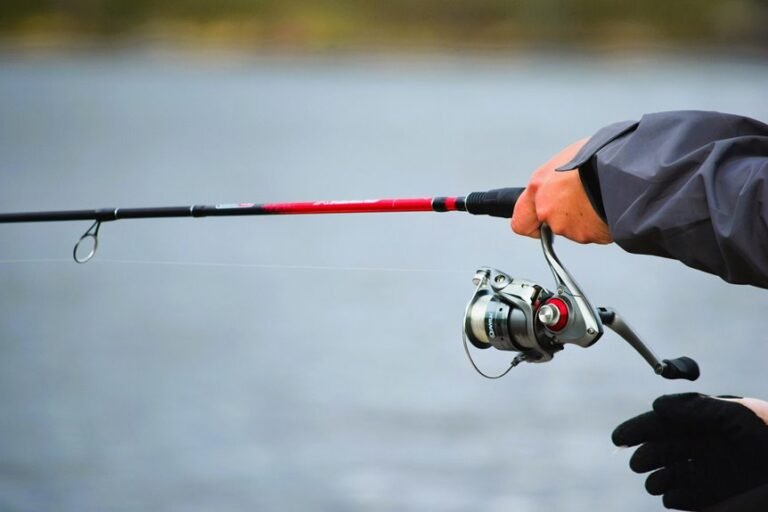
Start using a simple spinning rod and reel combo and you’ll cut most of the setup fuss right away. You want a 6 to 7 foot light to medium rod that feels like an extension of your arm. Pick a pre-assembled combo with monofilament line so you can fish with friends quickly. Learn basic rod maintenance and schedule reel lubrication after salty or muddy trips. That keeps gear smooth and ready.
- You belong to a group that shares tips and laughs at the water
- You’ll feel proud once your reel glides on the initial cast
- You’ll trust a combo that’s easy to hold and cast
- You’ll enjoy learning small repairs with buddies nearby
These choices build confidence and help you stay connected to other anglers.
Basic Tackle And Terminal
Gather a few simple items and you’ll have everything needed for a great initial day on the water. You’ll want a basic selection of terminal tackle: hooks in multiple sizes, split shot weights, small swivels, and a few bobbers.
Pack soft plastics, a couple of small jigs, and some live bait options for easy bait rigging. Learn simple knot tying like the improved clinch and Palomar. Those knots hold and are easy to practice together.
Keep a spool of monofilament and a backup leader for line maintenance. Use pliers and cutters to trim frays and swap terminal tackle quickly. A small tackle box keeps things tidy so you feel ready, confident, and part of the fishing community from your initial cast.
Beginner Rod & Reel: How to Choose
Choosing your initial rod and reel can feel a little overwhelming, but it doesn’t have to be-think of it as picking a reliable partner for your fishing outings. You want a spinning combo around 6 to 7 feet that fits your reach and the water you’ll fish. Consider rod materials like fiberglass for durability or graphite for lighter feel. Learn an action comparison: light to medium action gives sensitivity and forgiveness for small fish and learning casts. Pick an open face spinning or spincast reel for easy use and pre-spooled combos to join a welcoming fishing group.
- You’ll feel confident with gear that matches your growing skills
- You’ll belong with gear other beginners use
- You’ll laugh off initial mistakes together
- You’ll keep coming back for more escapade
Tackle 101: Line, Hooks, Sinkers, and Swivels
You’ll want to pick the right line type initially because monofilament, braided, and fluorocarbon each handle fish and water differently.
Then match simple hook sizes and styles to the bait and fish you’re after, and add sinkers and swivels to control depth and prevent line twists.
I’ll walk you through practical choices and easy setups so you feel confident on your initial trips.
Choosing Line Types
Ever contemplated why anglers swear upon certain lines for different trips? You want gear that fits the water and the people you fish with. Start by assessing monofilament benefits for forgiveness and stretch. Fluorocarbon invisibility helps when fish are wary in clear water. Braided line brings strength and sensitivity for long casts.
- You’ll feel confident choosing line that matches species and tackle
- You’ll share tips with friends and fit into the fishing community
- You’ll enjoy fewer lost fish with the right rating and leader
- You’ll relax aware your setup is sensible and forgiving
Pick rating strength based on rod and target fish. Use fluorocarbon leaders for clear water and braid for heavy cover. Match line to reel capacity and casting style.
Hook, Sinker, Swivel Basics
Start near learning the four small items that change your success on the water: hooks, sinkers, swivels, and how they connect to your line.
You’ll pick hook sizes according to target fish and bait. Use J-hooks for worms and small live bait, and choose barbed or barbless depending on local rules and care for fish.
Match sinker weight to depth and current so your bait sits naturally.
Swivels stop line twist and make rig changes quick.
Practice knot selection for secure ties; the improved clinch and Palomar are simple and strong.
Protect metal parts with corrosion protection like light oil and rinse after saltwater trips.
As you learn, you’ll feel part of a helpful fishing community that shares tips and gear.
Step-by-Step Rigs: Bobber, Bottom, and Carolina
Let’s rig your line the simple way so you feel confident on the water soon. You’ll learn three rigs: bobber, bottom, and Carolina. Start with knot selection that you trust and check rod placement so your setup casts and lands right. Tie a clinch or Palomar knot, slide on a bobber, add split shot and hook for shallow fish. For bottom rigs, place a weight above a swivel, tie leader and hook, and keep bait near the floor. Carolina rigs use a sliding sinker, swivel, leader, and hook for roaming fish and farther casts.
- You belong here learning one clear step at a time
- You’ll feel calm once each knot holds
- You’ll laugh at small mistakes together
- You’ll share success with new friends
Best Baits & Lures for Trout, Bass, Panfish, and Catfish
At the time you’re targeting trout, stick with natural, small presentations like worms, tiny spinners, and lightweight flies because trout often bite delicately.
For bass and catfish, pick bigger, noisier baits such as crankbaits, topwater plugs, and scented chunk baits to trigger aggressive strikes.
Panfish sit in the middle, so use small soft plastics, jigs, and live bait and adjust your presentation between subtle and a bit more active depending on what you see.
Trout: Natural, Small Offerings
You’ll often find trout favoring small, natural presentations, so choosing the right tiny baits can make your outings calm and rewarding. You’ll want to match local stream insects and the cover from native vegetation. Use light lines, short rods, and small hooks so your offering looks natural. Stay patient and watch current seams where food drifts.
- Tiny nymphs and emergers that mimic mayflies to make you feel connected to the stream
- Small spinners and spoons that flash like minnows and invite quiet excitement
- Live bait such as worms or maggots to give you steady confidence on slow days
- Soft micro plastics and tiny jigs that let you learn subtle strikes with friends
You’ll belong to a patient group who reads water, shares tips, and celebrates gentle success.
Bass & Catfish: Bigger, Noisy Options
Pick up a heavier rod and feel the pulse of the water change as bass and catfish move in deeper cover and murkier channels. You’ll want heavy tackle to land their power and to handle noisy bites that startle you at the rod tip. Night outings and floodlight fishing bring steady action, so pack sturdy hooks, swivels, and 12 to 17 pound line for confidence. Use soft plastics, big crankbaits, cut bait, and stinkbaits to match bold appetites. Fish close to structure and channel edges where noise attracts strikes. You belong to the crew that learns together, so share spots and tips. Practice knot tying and weight placement to control depth and improve hookups.
| Gear | Best Use |
|---|---|
| Heavy rod | Bass, catfish power |
| 12-17 lb line | Abrasion resistance |
| Soft plastics | Close cover fishing |
| Cut bait | Night outings, floodlight fishing |
Basic Casting Techniques Every Beginner Should Master
Learn a few simple casting moves and you’ll catch more fish while feeling confident on the water. You’ll start with proper stance and grip, keeping the rod tip low and relaxed.
Practice wrist flicking for short, gentle placements and use sidearm casts to slip lures under low branches. Both give you control and make you feel capable.
- You belong here; every cast brings you closer to the group that fishes together
- Small wins matter; celebrate tight casts and soft landings
- Shared patience; others will nod as you learn the rhythm
- Quiet satisfaction; mastering basics builds trust in yourself and your gear
Move slowly, focus on rhythm, and ask friends for tips while you practice.
Reading Water: Where Fish Hide in Lakes, Rivers, and Shorelines
You’ve practiced casts until they feel natural, and now it helps to read the water so you can put those casts where fish actually wait. You’ll look for current seams in rivers where slow water meets fast water, and for edges of submerged structure in lakes where fish ambush prey. Whenever you stand together on shore, you’ll point out drop offs, weedlines, and rock piles that hold life. Use your eyes and a sounder in case you have one. Cast along change zones and work baits slowly. Rely on teammates and share small wins so you all learn.
| Feature | What to look for |
|---|---|
| River seam | Line between fast and slow flow |
| Lake structure | Rock, wood, weed edges |
| Shoreline edge | Shallow to deep shifts |
Best Times to Fish & How Weather Affects Bites
Often the best bites happen at dawn or late in the day, and grasping how to be on the water can turn a slow outing into a great one.
You’ll join others who love morning calm and the burst of dawn feeding.
Fish often feed at low light, so plan to arrive ahead of time or stay late.
Weather matters too.
Falling barometric pressure before a storm can trigger active bites, while very high pressure can slow them.
Wind can push food toward shore making shallow spots live.
Cloud cover helps, and temperature shifts move fish vertically.
- You’ll feel connected as nets skim surface ripples
- You’ll delight in quiet initial casts
- You’ll rejoice as a wind gust brings action
- You’ll relax watching clouds turn into bites
Fish-Specific Tips: Trout, Bass, Panfish, and Catfish Basics
Targeting trout, bass, panfish, and catfish means adjusting your gear and approach so each species feels like a near-guaranteed fight. You’ll read water to find trout habitat and follow seasonal feeding patterns, using light line, small lures, and quick casts near riffles and cool springs.
For bass spawning, time matters; use heavier line, crankbaits or soft plastics, and focus shallow flats and cover.
Panfish want simplicity; use small hooks, live bait or tiny jigs, and fish around docks or weeds with a slip bobber.
Catfish respond to scent; use chunk baits, heavier rigs, and fish deeper holes or current seams at dusk. You belong here. Try different lure selection, observe bites, and share successes with friends.
Landing, Handling, and Releasing Fish Safely
Should you bring a fish to the boat or shore, slow down and stay calm so the fish, you, and your gear all stay safe. You’ll want to land fish quickly to reduce stress. Use a net or wet hands, cradle the fish, and remove hooks fast. Prefer barbless hooks to make releases easier. Practice gentle handling to protect slime coats and gills. Keep the fish low and supported while you work.
- You feel proud whenever you help a fish swim away strong
- You connect with others who fish responsibly and care
- You protect future catches by choosing care over photos
- You build confidence every time a release goes well
Use pliers for hooks, minimize air time, and revive fish before letting go.
Common Beginner Mistakes and How to Avoid Them
Landing and releasing fish safely helps you build good habits, and those same calm actions will keep small mistakes from turning into big problems as you’re learning. You’ll fumble knots, cast with slack, or hang lures in weeds. Notice these sooner and fix them with simple routines. Practice knot tying at home, check tackle maintenance before each trip, and warm up casting in the yard.
Patience building matters more than fancy gear. Wait through bites, watch your line, and learn fish behavior. Share mistakes with friends so you feel supported. Keep your tackle organized, clean reels, and replace frayed line. Ask questions at the bait shop, try different baits, and celebrate small wins as you grow into a confident angler.
Safety, Licenses, and Planning Your First Outing
Before you head out, contemplate through the basics of safety, licenses, and planning so your initial outing stays fun and stress free. You want to feel welcome and prepared, so begin with a simple safety checklist and confirm local license requirements before you leave. Pack sunscreen, insect repellent, a first aid kit, and a life vest in case you’ll be on a boat. Tell a friend your plan and expected return time.
- You belong here; bring a buddy to share laughs and calm nerves.
- Keep phone charged and waterproof case nearby for emergencies.
- Check weather and water conditions so you don’t get surprised.
- Respect rules and habitats to protect the community you’ll join.
Plan launch times, access points, and gear so your day flows.
Frequently Asked Questions
What Fishing Knots Should I Learn First and Why?
You should learn the Palomar knot and Improved clinch initially because they’re reliable, easy to perfect, and build confidence; you’ll feel welcome in the fishing community as you tie strong connections for hooks, lures, and leaders.
Can I Fish at Night With Basic Beginner Gear?
Yes - studies show about 40% of anglers fish after dark, and you can too with basic gear; follow night safety practices, bring glow lures, a headlamp, buddy up, and keep your kit simple and community-minded.
How Do I Maintain and Clean My Reel After Each Trip?
Wipe your reel after each trip, rinse briefly with fresh water, then dry; follow a lubrication schedule (light grease yearly, oil every few trips); check for damage and do line replacement once frayed so you’re ready together.
Are There Etiquette Rules When Fishing Near Others?
About 70% of anglers report conflicts over space, so you should respect boundaries, keep noise etiquette, cast safely, share popular spots, ask before joining, tidy your area, and offer help-everyone wants to belong and enjoy the water.
What Local Regulations Affect Bait Types and Catch Limits?
You must follow bait restrictions and catch limits set local agencies: they’ll specify allowed live or artificial baits, seasonal size and daily bag limits, and protected species; check regulations so you’ll fish responsibly with others.