Book Appointment Now

9 Fishing Discipline Tips: Stay Consistent

Want more reliable days on the water rather than random luck? Build simple, repeatable habits that keep you prepared and focused. Do a pre-trip gear check, standardize tackle to cut decision fatigue, and set clear, achievable goals for each outing. Keep a short post-trip log of spots, bait, and conditions, scout reliable locations, practice casting on a schedule, and put maintenance on a calendar. Review results monthly and change just one habit to improve steadily and stay motivated.
Why Discipline Beats Luck in Fishing
Once you show up to the water with a plan and steady habits, you’ll catch more than luck ever will. You’ll feel like you belong to a group that shows up, learns, and shares wins.
You build catch consistency through tracking spots, times, and bait choices. You practice behavioral adaptability as fish change with weather or tides, and you tweak tactics without losing your routine. You’ll lean on small rituals that keep anxiety low and focus high.
You’ll swap lures, vary retrieves, and assess depths while keeping your core plan intact. You’ll talk with others, borrow ideas, and give back what works. You’ll notice patterns faster and enjoy steady progress that feels earned.
Do a Pre-Trip Gear Check for Fishing Trips
You’ve built habits that beat luck, so let those routines include a solid pre-trip gear check that keeps the day calm and productive. You’ll feel part of a crew once you run a quick gear inspection, and you’ll ease anxiety for everyone aboard.
Check rods, reels, lines, and knots. Inspect hooks and swivels for rust or damage. Evaluate electronics and batteries so your finder won’t fail at the moment you need it. Lay out rigs and sort according to species and depth to improve tackle organization and speed choices.
Replenish bait and pack spare leaders, pliers, and initial aid. Ask a friend to help so you share knowledge, catch mistakes, and leave confident. Small checks save time and keep the trip joyful.
Standardize Tackle to Reduce Decision Fatigue
You’ll feel calmer on the water whenever you stick to one reliable reel setup that you know inside out. Pick a handful of go-to lure types that match your usual targets and conditions, and pack a spare rod so a snapped tip or tangled line won’t end your day.
This simple routine cuts decisions, keeps you fishing more, and helps you enjoy each trip without unnecessary stress.
One Reel Setup
A simple reel setup can change the way you fish through cutting down confusing choices and letting you focus on the water. You’ll feel part of a crew once you use one reliable reel for most trips.
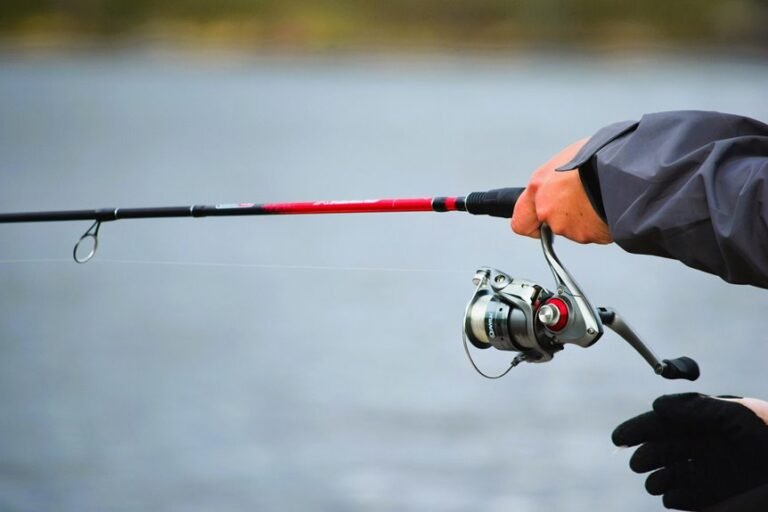
Pick a reel with the right line capacity for the species you chase and spool it with that line type only. Learn your drag adjustment so you can trust it under pressure. Label your reel with braid and leader specs and keep spare spools ready.
Practice casts, retrieves, and knots until they’re muscle memory. You’ll save time as conditions change and you’ll stay calmer during bites. Friends will notice your steady rhythm and want to fish the same way.
Go-To Lure Types
During the moment you’re trying to cut decision fatigue on the water, pick a small set of go-to lures that cover the behaviors and habitats of the fish you chase, and stick with them until you’ve learned how each performs in different conditions.
You’ll want a mix that balances lure effectiveness across depths and activity levels. Include a passive soft plastic for cautious fish, a flashy crankbait for active hunters, a jig for structure, and a topwater for calm mornings.
As you fish, observe fish behavior and water cues so you swap lures with purpose. Keep spare trebles and rigs tied so you don’t fumble. You’ll feel part of a community that values steady choices and shared learning on the water.
Pack A Spare Rod
- Pack a spare rig with your favorite line and lure types
- Keep tools and spare leaders where everyone can grab them
- Label rods so friends know which rod matches which bait
This simple habit reduces stress, keeps trips social, and helps you focus on the water instead of gear choices.
Set Specific, Achievable Fishing Goals
Because clear goals keep your time on the water rewarding, you’ll want to set specific, achievable fishing goals before you leave the dock. Choose targets that fit your skill and schedule, like landing three bass, learning one new lure, or practicing steady cast timing.
Break goals into goal milestones so you can celebrate small wins and stay motivated. Use simple progress tracking with a checklist or phone reminder to mark what you tried and what worked.
Share goals with your fishing group so you feel supported and accountable. Plan for flexibility whenever weather or fish behavior changes, and adjust milestones without guilt. That way you keep learning, enjoy company, and build steady habits that enhance confidence.
Keep a Simple Post-Trip Fishing Log
Want to recall what worked on your best days and avoid repeating mistakes next time out? Keep a simple post-trip fishing log you’ll actually use. It helps you and your crew feel part of a shared routine, and it’s quick to do.
- Date, location, and brief catch details so you track patterns
- Weather conditions, tide, and water notes to link success to the day
- Bait, lure, depth, and short lesson learned for next time
Write like a friend: jot one line right after the trip. Use a small notebook or phone note and keep entries consistent.
Over time you’ll see what methods fit your group and which spots could deserve a return. That steady habit builds confidence and belonging among your fishing mates.
Scout and Mark Reliable Spots (How to Record Them)
How do you turn a promising shoreline or mysterious current seam into a spot you can find again? You start through scouting with intention and recording details that matter to your crew. Use GPS tagging for precise waypoints and observe landmarks like trees, jetties, or unique rocks.
Pair that with informal underwater mapping notes from your fishfinder readings and water depth changes. Write date, tide, wind, bait used, and fish behavior in your log. Share spots with friends or keep private ones in a trusted app so you feel part of a small circle.
Upon your return, compare past readings to current conditions and tweak your markers. This keeps your spots reliable and builds confidence in your routine.
Schedule Regular Casting & Retrieval Practice
You’ve marked that seam and logged the tide, so now it’s time to make your casting and retrieval feel as reliable as the spot itself. You’ll build trust within your group through practicing regularly so everyone shares the same casting rhythm and retrieval timing.
Short focused drills keep things simple and friendly, and you’ll notice improvements together.
- Practice 10 short casts focusing on smooth casting rhythm and consistent anchor points
- Do 10 retrievals varying speed to train retrieval timing and feel for strikes
- Rotate partners and give kind feedback so everyone grows confident
You’ll keep sessions short, repeat weekly, and celebrate small wins. That steady practice locks muscle memory, builds belonging, and keeps your team fishing the same page.
Put Boat & Gear Maintenance on a Calendar
Mark a maintenance day on your calendar and you’ll stop equipment troubles from stealing your trips. Put routine seasonal upkeep and preventive inspection tasks into a shared calendar so your crew feels included and accountable. You’ll set prompts for engine checks, battery health, hull cleaning, line replacement, and lure care.
Schedule winter storage prep and spring launch tuning together to reduce surprises. Use simple checklists and invite a friend or mentor to help on maintenance days. That teamwork builds belonging and keeps skills fresh. Tie inspections to trip planning so you won’t skip them.
Whenever you keep maintenance visible and social, your boat and gear last longer, you fish more often, and you’ll enjoy smoother, safer outings with people who care.
Review Monthly and Change One Habit at a Time
After you’ve put maintenance on the calendar, take one monthly hour to review what’s working and change just one habit at a time. You’ll use habit tracking and monthly reflections to recognize small patterns without feeling swamped.
Start with what matters most to your crew and gear, and invite others to share wins and struggles so you feel connected.
- Pick one habit to tweak like gear layout, checklists, or tackle care
- Record progress in a simple habit tracking log and discuss it with your fishing group
- Use monthly reflections to decide whether the change helped or needs adjusting
This steady, social approach builds trust. You’ll keep momentum, avoid burnout, and make lasting improvements together.
Frequently Asked Questions
How Do I Adjust for Seasonal Fish Migrations?
Sure - you’ll magically predict fish: track migration patterns, shift to seasonal habitats, time trips with tides and temps, use local reports and effort-consistent logs, adapt gear and lures, share info with fellow anglers for reliable success.
Can Weather Forecasts Reliably Predict Bite Windows?
Yes-you can often use weather forecasts, barometric pressure trends, and tide cycles to predict bite windows, but you’ll blend those cues with local knowledge and consistency, trusting your fellow anglers’ observations to refine timing.
How Do I Choose Between Live Bait and Artificial Lures?
Choose live bait for scent and subtle motion, choose artificials for vivid lure action and flash-trust your feel, join others who adapt, match conditions, switch when fish ignore, and you’ll belong to consistent, confident anglers.
What Metrics Best Indicate Long-Term Skill Improvement?
Long-term skill improvement shows up in catch accuracy and consistent lure selection; you’ll see higher catch rates, reduced wasted casts, better species targeting, steadier effort metrics, and confidence in choices-so track results, not just technique.
How Do I Stay Motivated After Repeated Skunking?
Like a tide turning, you’ll build mental resilience through reframing skunks as data; set small goals, celebrate tiny wins, lean on fellow anglers, share stories, and keep practicing-you’re part of a crew chasing progress, not perfection.