Book Appointment Now

8 Best High Performance Coolers for Fishing for 2026: Ice Days
ByBEGUM
Fishing coolers must manage more than ice. I focus on capacity, portability, drainage, food separation, and how each model handles a wet boat deck or a crowded truck bed. A lightweight soft cooler works well for mobile anglers, while a rigid rotomolded chest makes more sense for fixed camps, tournament days, and groups carrying full meals.
How The Shortlist Stacks Up
PickWhy We Picked ItBest ForAction

Performance Leader
RTIC 32 QT Ultra-Light Cooler
Lightweight hard-cooler performance
Hiking and remote fishing trips

Travel Ready
YETI Hopper M Series Soft Cooler
Secure magnetic lid closure
Boats, kayaks, and truck beds

Heavy Duty Pick
Coleman Snap N Go 55qt Collapsible Cooler
Large capacity with compact storage
Camps, tournaments, and big groups
Design Standout
Hydro Flask Carryout Cooler 10 L
Recycled fabric and compact carry
Short outings and urban anglers

Built To Last
Coastland Delta Series Rotomolded Cooler
Rigid multi-day cold storage
Vehicle-based fishing camps

Balanced Choice
Coleman Snap N Go 35-Quart Cooler
Collapsible storage with a removable liner
Weekend fishing and family meals
Feature Rich
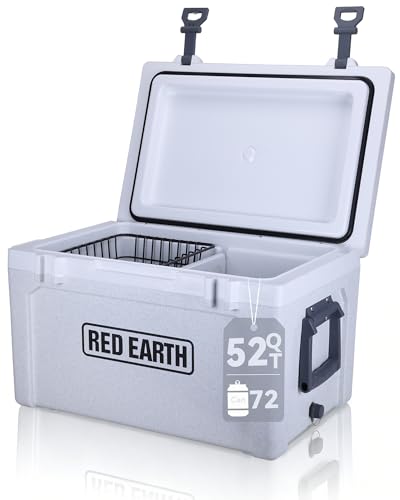
GiNT 52 Quart Hard Cooler
Organized storage with long retention
Boats, beaches, and road trips

Compact Choice
GINT 11 QT Small Hard Cooler
Tray-separated personal provisions
Solo trips and short sessions
Inside Each Recommended Option
Rigid construction usually adds weight, but the RTIC 32 QT Ultra-Light Cooler takes a different approach. I favor it for anglers moving between a shoreline trail and a bank setup because its listed body is more than 30% lighter than similarly sized rotomolded designs.
Closed-cell foam is a cellular insulation material that limits heat transfer, and RTIC places up to 2.5 inches of it inside the walls. That specification makes the 32-quart size useful for a day of drinks, bait, and food rather than a full camp.
A Strong Showing
- The reduced carrying weight benefits anglers carrying tackle over uneven ground.
- Rigid walls offer more impact resistance than a fabric-sided bag.
- The 32-quart capacity balances food storage and manageable bulk.
- Substantial foam insulation supports cold retention during warm fishing days.
Small Caveats
- Compared with the YETI Hopper M, the RTIC is less suitable for anglers who routinely move with a soft pack.
- Condensation around the gasket requires regular drying before storage.
Key Specs
Right Fit For
Solo anglers and pairs carrying supplies on foot to remote banks benefit most from the rigid, lighter format.
A Better Fit Elsewhere
The YETI Hopper M Series Soft Cooler suits mobile anglers who prioritize a flexible, magnetically secured body over a rigid shell.
The YETI Hopper M Series Soft Cooler makes sense where the cooler must move from a truck bed to a kayak or tournament berm. Unlike the rigid RTIC, its flexible construction fits into crowded vehicles and follows the body more easily during a long carry.
MagShield access refers to the magnetic strip that helps hold the lid closed, while quick-release buckles add mechanical security. For rough water or uneven roads, that combination looks more reassuring than a fabric closure alone.
Practical Advantages
- The wide opening simplifies access to drinks and bait.
- Magnetic retention supports quick closing during a moving trip.
- Buckles help prevent accidental opening on choppy water.
- The soft body is easier to fit beneath seats or into gear bags.
Things To Consider
- Soft walls may flex more during heavy hauling than the RTIC shell.
- Food and sharp tackle can distort the shape or puncture the outer fabric.
- The source cautions against leaving the cooler open, since that compromises cold retention.
Made For
Boat anglers, kayakers, and tournament participants who move frequently benefit from the flexible body and secure closure.
Another Choice May Suit
The RTIC 32 QT Ultra-Light Cooler better serves anglers who require rigid walls and substantial foam in one compact package.
The Coleman Snap N Go 55qt Collapsible Cooler targets anglers who need group capacity but limited storage space. It collapses to roughly one-third of its deployed size in about 10 seconds, which makes a closet, under-bed space, or cargo area more practical.
Its 55-quart capacity and stated can capacity suit weekend camps and tournament teams. The trade-off is weight: a container supporting up to 200 pounds is substantial, even before food and ice are loaded.
Why It Works Well
- Large internal volume supports group meals and long outings.
- The collapsible profile simplifies off-season storage.
- Fast setup avoids an extended assembly process.
- Rigid construction is more practical around tools and fishing gear.
- The listed 200-pound capacity indicates strong structural potential.
Worth Noting
- It remains a burden to carry from a vehicle to a distant bank.
- Owners should let trapped moisture dry before collapsing the rigid body.
Feature Snapshot
Built With In Mind
Weekend campers, tournament teams, and family fishing groups gain the most from the generous internal capacity.
Look Elsewhere When
The GINT 11 QT Small Hard Cooler suits solo anglers who need organized personal meals rather than a large group supply.
The Hydro Flask Carryout Cooler 10 L sits between a lunch tote and a fishing cooler. I see it as a practical choice for short park-and-wade sessions, where carrying comfort and a restrained appearance matter as much as cold storage.
Its main body uses 100% recycled polyester with a protective coating, according to the source context. That combination should handle ordinary abrasion better than an untreated cloth tote, while the soft structure remains easier to pack than a rigid chest.
Bright Spots
- The 10-liter capacity handles lunches, drinks, and compact bait supplies.
- Recycled polyester gives the exterior a practical, mobile profile.
- The coated fabric adds resistance to routine outdoor wear.
Possible Compromises
- It lacks the rigid impact resistance offered by the RTIC 32 QT Ultra-Light Cooler.
- Soft walls may crease during extended storage under heavy equipment.
- Moisture retained in the insulation can develop an odor unless the liner is dried thoroughly.
Core Details
The Right Fit
Urban anglers, solo shore fishermen, and short-trip anglers benefit from the compact soft-sided format.
Where A Sibling Pick Shines
The YETI Hopper M Series Soft Cooler offers a more visibly secure lid mechanism for anglers traveling through rough conditions.
Rotomolding forms a continuous plastic shell, reducing separate seams that can split during transport. The Coastland Delta Series Rotomolded Cooler brings that durable format to anglers who keep equipment in a truck, camper, or tournament staging area.
The source highlights a 125-quart version designed to limit airflow, but the listing covers several capacities and colors. That range supports everything from a compact vehicle setup to a large group camp, although weight will rise with capacity.
Practical Pluses
- The molded shell suits repeated transport and rugged storage.
- Multiple capacities make family and group needs easier to match.
- Airtight construction helps limit warm-air exchange around the contents.
- The large version handles float trips and multi-day camp meals.
- Rigid walls are easier to wipe clean than fabric coolers.
Room For Improvement
- Large configurations remain awkward for anglers carrying gear long distances.
- Flexible dividers and soft packing cubes are easier to organize inside a soft cooler.
Who Should Grab It
Vehicle-based campers, tournament teams, and anglers preparing several days of provisions benefit from the rigid molded construction.
Reach For A Different Pick When
The Hydro Flask Carryout Cooler 10 L serves anglers who place a higher value on compact carry weight than group capacity.
The Coleman Snap N Go 35-Quart Cooler occupies the practical middle ground between the compact RTIC and the much larger 55-quart Coleman. I favor it for couples and families that need more cold storage than a day bag without carrying full group capacity.
This model reduces to roughly half its expanded size in about 10 seconds. A waterproof removable liner also makes cleaning easier, since liners can be lifted out after a wet weekend rather than wiping the entire rigid body.
Where It Excels
- The removable liner simplifies draining and routine cleaning.
- Collapsible storage works well in closets and cargo areas.
- Fast setup keeps packing time down.
- The 35-quart size balances drinks, bait, and meals.
Details To Watch
- It remains heavier and bulkier than a fabric cooler.
- Repeated compression can stress the collapsible frame during long-term storage.
- The listed 48-hour retention remains sensitive to ice quantity and outside temperatures.
Quick Facts
Who It Suits Best
Weekend anglers, couples, and families with limited storage space benefit from the collapsible mid-size format.
Swap It Out When
The GINT 11 QT Small Hard Cooler is the leaner choice for solo sessions and personal meal organization.
The GiNT 52 Quart Hard Cooler combines useful capacity with internal organization, a combination I notice rarely receives as much attention as raw cold retention. Its basket and divider can separate food, tools, and smaller provisions instead of turning the entire compartment into one storage cavity.
Two-inch closed-cell foam and a silicone seal form the thermal barrier. The listed five-day retention may suit multi-day camp setups, but warm weather, frequent opening, and the amount of pre-chilling will shape the actual result.
Useful Touches
- The divider helps prevent food from mixing with small gear.
- A removable basket makes it easier to locate buried items.
- The 52-quart volume serves pairs and moderate groups.
- Two-inch foam supports multi-day cold storage.
- The silicone seal adds another barrier around the lid.
A Few Limitations
- Loaded weight can become substantial on long shore carries.
- Open baskets may need a liner for small, loose tackle.
- The gasket needs regular cleaning to resist trapped odors.
Made For
Boat anglers, campers, and weekend groups that value internal organization benefit most from the basket-and-divider layout.
Not Your Match When
The RTIC 32 QT Ultra-Light Cooler better serves solo anglers who need to carry a rigid cooler over rough ground.
The GINT 11 QT Small Hard Cooler shifts attention from group volume to personal meal control. I see it as a useful companion for solo bank sessions, short boat trips, and anglers carrying lunch without occupying an entire vehicle cargo area.
Removing the food tray creates room for up to 12 350-milliliter cans, while the tray itself separates food from drinks. A reusable ice pack adds cooling, although the manufacturer recommends roughly two parts ice to one part contents for stronger cold retention.
The Upside
- The 11-quart size stays manageable on a solo outing.
- The tray keeps sandwiches, snacks, and drinks separated.
- Removing the tray increases beverage capacity.
- The reusable ice pack supports repeat trips.
Some Limits To Know
- Eleven quarts is too compact for large fishing groups.
- The listed 48-hour retention depends heavily on pre-chilling and the ice ratio.
- Loose tackle needs separate protection to prevent punctures.
Product Snapshot
Whose Shelf It Belongs On
Solo anglers, couples sharing provisions, and short-trip campers benefit from the compact meal-organizing layout.
Another Choice May Suit
The GiNT 52 Quart Hard Cooler serves anglers who need greater internal volume and a removable organizer for larger outings.
What Counts Before Loading a Fishing Cooler
Capacity is only the first decision. I match the internal volume to the trip length, number of anglers, and whether the cooler carries food, drinks, bait, or all three. Overpacking reduces room for air and ice, while excessive capacity adds weight without a practical return.
Portability depends on where the fishing happens. A soft cooler fits a kayak or crowded truck more readily, while a rigid chest protects contents and organizes gear. Carrying weight, loaded handles, balance, and the distance from the vehicle matter more than appearance during a long approach.
Insulation, Seals, and Realistic Timing
Closed-cell foam resists heat transfer better than open-cell padding, and a close-fitting gasket limits warm airflow. Listed retention figures offer useful direction, but opening frequency, outside temperature, pre-chilling, and ice quantity can substantially change the result.
Organization and Long-Term Care
Dividers, baskets, trays, and removable liners keep food separate from tools and make cleaning easier. I also leave the gasket and liner dry before closing a cooler, since trapped moisture can develop odors and encourage corrosion around metal hardware.
Keeping the Right Cold-Holding Features
Mistakes Worth Dodging
Ignoring loaded weight can spoil an otherwise effective cooler. I compare capacity with ice before deciding which model is manageable, and I account for walking distance rather than measuring convenience from the vehicle alone.
What Separates Premium From Basic
Higher-tier designs often add thicker insulation, stronger closures, better hardware, and removable internal parts. Those improvements matter most for repeated travel, longer outings, and rough transport, while short local sessions may need little beyond a clean seal and manageable size.
Frequently Asked Questions
How much capacity does a fishing cooler need?
A solo angler can manage with 10 to 20 quarts, while couples typically need 25 to 40 quarts. Groups and meal-carrying trips may require 50 quarts or more.
Are soft coolers suitable for fishing trips?
Soft coolers work well for mobile anglers because they fit into kayaks, truck beds, and gear bags. Rigid models provide greater impact resistance and easier organization for equipment.
How much ice should go inside?
More usable ice generally means stronger cold retention and more room for air circulation. The GINT 11 QT Small Hard Cooler recommends a ratio of roughly two parts ice to one part contents.
How should a cooler be stored?
I clean and dry the liner, gasket, and removable parts before closing it. Keeping the cooler out of prolonged sunlight also reduces the strain placed on its insulation.
What matters more for a fishing cooler?
Portability matters most for shore anglers carrying gear over rough ground, while capacity and organization dominate for vehicle-based camps. I prioritize ice retention only after matching size and weight to the actual trip.
Final Verdict
The RTIC 32 QT Ultra-Light Cooler fits mobile shore anglers, while the YETI Hopper M Series Soft Cooler serves boat and kayak movement. Larger groups benefit from the Coastland Delta Series Rotomolded Cooler or GiNT 52 Quart Hard Cooler, and solo anglers get cleaner personal storage from the GINT 11 QT Small Hard Cooler. Matching capacity, loaded weight, and closure design to the fishing environment matters more than chasing a single retention claim.
