Book Appointment Now

8 Best Waterproof Fishing Boots for 2026
ByBEGUM
Waterproof fishing boots need to handle more than a wet shoreline. They also face cold water, mud, slippery docks, and long hours outdoors, so the right choice depends on insulation, ankle coverage, traction, and fit. I focus on practical differences for anglers, boaters, hunters, and anyone working around water in 2026.
The Main Contenders
PickWhy We Picked ItBest ForAction
Heavy Duty Pick
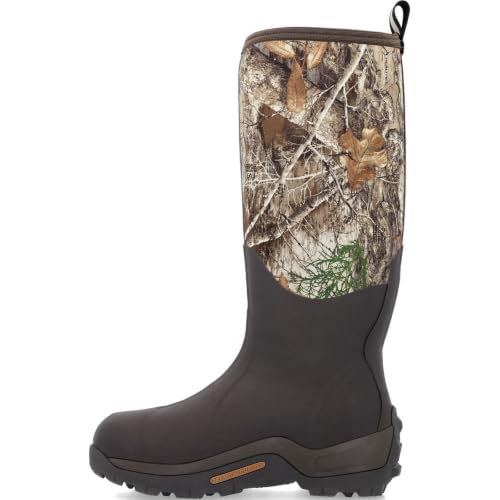
MUCK Mossy Oak Woody Max Boot
Cold-weather insulation
Hunting and cold water

Everyday Favorite
Grundéns Men’s Deviation 6 Inch Ankle Boot
Six-inch ankle coverage
Dockside fishing and rain
Workshop Pick
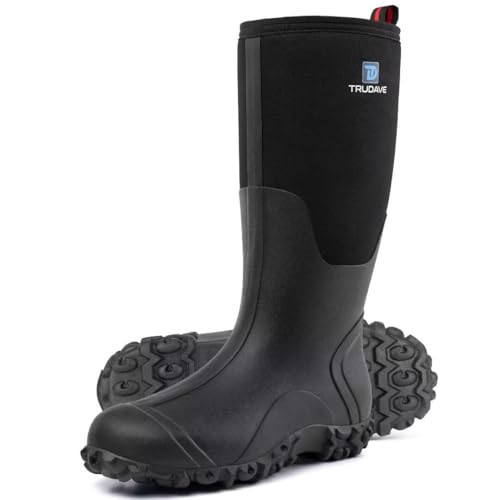
Trudave Rubber Boots with Steel Shank
Steel-shank support
Outdoor work and mud

Value Pick
Furuian Men’s Waterproof Ankle Rain Fishing Boots
Simple ankle-height coverage
Fishing in changing weather
Professional Pick
Grundéns Men’s Deck-Boss Waterproof Ankle Boot
Deck-focused construction
Boating and wet work
Family Friendly
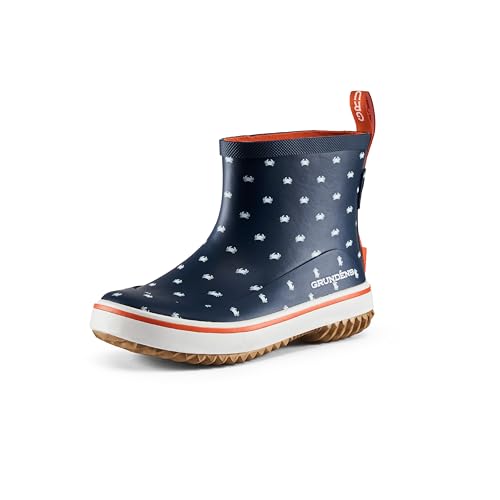
Grundéns Kid’s Guppy Rain Boots
Footwear for young anglers
Family fishing trips

Frequent-Use Pick
SUREWAY Men’s Non-Slip Fishing and Ankle Boating Boots
Slip-resistant deck use
Boating and rainy commutes

Specialty Choice
Trudave 2-Ply Nylon and PVC Chest Waders
Chest-high water coverage
Wading and stream fishing
More On The Choices That Made The List
The MUCK Woody Max is built for cold, wet ground rather than a casual walk around the dock. Its rubber exterior, fleece lining, and internal neoprene create a layered barrier for hunting seasons and icy access routes. Compared with the shorter Grundéns models later in this list, it gives serious coverage where the foot stays outside in changing conditions.
That insulation makes it a sensible fit for anglers who launch before sunrise or work near marshy water. The bulky shape may feel excessive beneath waders, though, and the warm construction can be more than a casual angler needs.
What Helps Most
- Fleece and neoprene layers help retain warmth during cold-water launches.
- Rubber construction sheds mud and standing water better than ordinary footwear.
- Stretch-fit topline can reduce loose material around the lower leg.
- Thermal foam under the footbed adds separation from cold ground.
Points To Note
- The insulated design may feel overly warm during mild weather.
- Rubum creases and scuffs can appear after repeated outdoor use.
Who It Suits Best
Cold-weather anglers, hunters, and early-morning access crews benefit most from the layered insulation.
Another Choice May Suit
Grundéns Men’s Deviation 6 Inch Ankle Boot is a lighter-looking alternative for anglers who want less insulation around a dock or boat.
The Deviation’s six-inch shaft gives the foot more protection than a low deck shoe without reaching the heavier profile of the MUCK. That middle ground works well for anglers moving between a wet launch, gravel bank, and boat deck. It feels more practical for routine fishing trips than for deep winter hunting.
I would expect this shape to be easier to pair with casual clothing, although the available material details are limited. In a boat, the ankle coverage helps keep spray away from the shoe, but dedicated waders offer a different level of immersion coverage.
Features That Help
- Six-inch height covers the ankle and lower leg during wet access.
- Ankle shape suits stable dock and boat movement.
- The design bridges casual rain footwear and taller outdoor boots.
Trade Offs
- Less insulation than the MUCK Woody Max makes it a weaker cold-weather choice.
- Deck slip resistance and waterproof performance cannot be confirmed from the supplied details.
The Right Fit
Dock anglers and boaters who want ankle coverage without a heavily insulated hunting boot will find this shape easy to consider.
Look Elsewhere When
SUREWAY Men’s Non-Slip Fishing and Ankle Boating Boots may suit people whose priority is a listed slip-resistant deck focus.
The Trudave boot shifts the emphasis from cold weather to support underfoot. A steel shank is a rigid internal support piece that helps the foot resist flexing over uneven ground, which can be useful on muddy banks and work sites. The 5 mm neoprene adds insulation, while the listed size range covers several men’s fits.
For outdoor work or hunting near water, that support profile makes more sense than a soft casual deck shoe. The tradeoff is bulk, and the steel component may make the boot feel less comfortable during a long stationary fishing session.
What Works In Its Favor
- Steel shank supports the foot on rough, uneven ground.
- 5 mm neoprene provides a moderate thermal layer in wet conditions.
- Rubber construction is practical for mud, rain, and outdoor work.
- Men’s sizing from 5 to 14 broadens the fit options.
Small Caveats
- The steel shank may feel stiff during long periods of standing.
- Deep mud can enter around the lower opening during extended use.
- Cleaning trapped dirt from textured rubber requires attention.
Built With In Mind
Outdoor workers, hunters, and anglers crossing rough ground benefit from the shank-supported structure.
Reach For A Different Pick When
Furuian Men’s Waterproof Ankle Rain Fishing Boots is a simpler ankle-height option for people prioritizing a lighter-feeling fishing profile.
The Furuian option is a straightforward ankle boot for anglers who need rain protection without the height of a hunting boot. Its lower profile can make it easier to wear from a small boat or across a wet parking area. The supplied information does not describe insulation, tread, or internal support, so the case rests on its declared waterproof fishing and ankle-rain purpose.
That makes it a sensible starting point for mild weather and occasional shore fishing. For freezing water, heavy mud, or an entire workday on rough ground, the MUCK and Trudave models have more clearly defined protective features.
Real Benefits
- Ankle-height coverage helps protect against rain and spray.
- The fishing-oriented design suits shoreline and boat-side use.
- A lower profile may be easier to move in than a tall insulated boot.
Points To Note
- The listed details do not confirm cold-weather insulation.
- Deck traction and long-term support remain unspecified.
- Allow time to rinse and dry the boot after muddy use.
Who Will Love This
Occasional shore anglers and boaters in mild climates may prefer this simpler ankle-height format.
Where Another Pick Shines
MUCK Mossy Oak Woody Max Boot is the stronger fit for hunters and anglers working in genuinely cold conditions.
Deck-Boss is framed around the wet, confined spaces that come with boating and outdoor work. Its ankle cut keeps the profile closer to a working deck shoe than the taller Trudave rubber boot. For people moving between a wet dock and a boat, that balance can be useful, although the supplied data gives few construction details beyond the waterproof designation.
I would consider it a focused choice rather than a cold-weather option. Anyone needing thermal protection or wading depth should move toward the MUCK or Trudave chest-wader selection instead.
Key Advantages
- Waterproof labeling targets wet dock and boat environments.
- Ankle height offers coverage without a tall shaft.
- The deck-oriented profile fits routine marine work.
Honest Caveats
- Insulation is not specified in the available source information.
- Traction and outsole construction are not detailed here.
- Saltwater and mud should be rinsed from the upper after use.
Best Suited To
Boaters, dock crews, and anglers working around marine equipment benefit from the focused ankle profile.
Consider Something Else When
SUREWAY Men’s Non-Slip Fishing and Ankle Boating Boots may be a more direct fit for people focused on slip-resistant boating footwear.
The Guppy rain boots serve a different role from the adult models here: keeping young anglers comfortable during family trips, puddle play, and simple shoreline outings. The shorter, child-oriented format is easier to introduce than a technical fishing or hunting boot. The source does not specify waterproof rating, insulation, tread, or sizing, so those details deserve a closer look before a family commits.
For a child who mainly needs rain protection near camp, this is a more relevant choice than a steel-shank work boot. An older child fishing in cold water would need much more specific technical details.
Notable Gains
- Kid-focused design suits family outdoor routines.
- Rain-boot format is easy to match with wet-weather clothing.
- Simpler footwear may be more approachable for young anglers.
Small Caveats
- Technical fishing and wading features are not specified.
- Fit and outsole grip need checking for the child’s usual terrain.
- Wet boots should be air-dried before storage.
Made For
Families introducing children to fishing, camping, and rainy outdoor play will find this more relevant than a tall adult boot.
Another Choice May Suit
Furuian Men’s Waterproof Ankle Rain Fishing Boots may fit an adult angler who wants a comparable ankle-height rain profile.
SUREWAY puts slip resistance at the center of this ankle-height fishing and boating boot. That focus makes sense for anglers standing on wet fiberglass, slick docks, and rain-darkened launch ramps. Compared with the MUCK Woody Max, the profile appears less oriented toward deep cold and more toward repeatable deck use, although the supplied details remain limited.
For a person who fishes from a boat several times a week, a dedicated non-slip deck profile may be more useful than extra insulation. The care question is simple: rinse salt and mud from the outsole after each outing so trapped grit does not wear down the tread.
Where It Delivers
- Slip resistance targets wet boating surfaces.
- Ankle height supports routine fishing and boating use.
- The focused design suits people who spend time on decks.
Things To Consider
- Insulation details are not provided in the source information.
- Deck traction still depends on the condition of the surface.
- Saltwater residue should be rinsed and the boot dried fully.
Who Should Grab It
Frequent boaters and dock anglers who prioritize traction over heavy winter protection should give this model a close look.
Not Your Match When
Trudave 2-Ply Nylon and PVC Chest Waders are a more natural fit for people standing in deeper water.
Chest waders solve a different problem from every boot in this roundup. Instead of stopping at the ankle or shin, the Trudave design rises to the chest and combines nylon and PVC layers for fishing and hunting in wet environments. That coverage is useful for stream work, muddy banks, and places where water may rise above the knee.
The trade-off is a full-body garment that can be harder to put on and dry than a conventional boot. Compared with the SUREWAY deck model, this is the stronger choice for immersion, but not necessarily for a day spent standing in a boat.
Reasons It Performs
- Chest coverage protects more of the body during wading.
- Nylon and PVC construction targets wet fishing and hunting conditions.
- The integrated boot design removes the need to coordinate separate footwear.
Practical Considerations
- The full wader profile is less convenient for walking long distances.
- Material seams and boot areas need careful drying after use.
- Cold water may still make prolonged immersion uncomfortable.
Who It Suits Best
Stream anglers, hunters, and field workers who regularly wade through shallow water will benefit most from the chest coverage.
Skip It When
Boaters who need a simple ankle boot should compare SUREWAY Men’s Non-Slip Fishing and Ankle Boating Boots instead.
Finding The Right Level Of Water Coverage
Boots and waders should be chosen by the depth and duration of expected water exposure. A deck boot works for spray and puddles, an ankle model handles more shoreline movement, and chest waders address repeated wading. The more coverage a model adds, the more material and bulk it may bring.
Match Height To The Activity
Dockside anglers often have more use for ankle boots than tall insulated models. Hunters moving through cold ground may prefer the MUCK’s neoprene and fleece layers. Stream fishing calls for the greater coverage of the Trudave chest waders.
Think About The Ground Beneath You
A steel shank supports the foot over uneven ground, while a slip-resistant outsole focuses on wet decks. Neither detail replaces good fit, and both should be considered alongside the terrain. A smooth dock also needs regular cleaning because dirt and algae can change traction.
Insulation Has A Cost
Fleece and neoprene help in cold conditions, but they add bulk and can feel warm during mild weather. Waterproof construction protects the foot, yet it does not replace a warm sock or careful drying after a long outing. Choose insulation based on actual water temperature and season.
Common Mistakes In Boot Selection
Common Shopping Slip Ups
A waterproof label does not tell the whole story about height, traction, or insulation. Many anglers also select a narrow ankle shape without considering the volume of a thicker sock. Checking the intended terrain and wearing the boot with normal fishing layers helps narrow the decision.
What The Higher Tier Buys
Higher-cost models may add thermal layers, structured support, specialized materials, or a taller waterproof profile. The extra spending is more useful for cold water, demanding terrain, or frequent use than for occasional puddle protection. Basic ankle coverage remains a practical choice for moderate conditions.
Frequently Asked Questions
Are waterproof fishing boots suitable for cold water?
Insulated models are more practical for cold water than uninsulated rain boots. The MUCK Woody Max and Trudave models include thermal features that can improve comfort in chilly conditions.
Are ankle boots better than chest waders?
Ankle boots suit docks, boats, and shallow shoreline work. Chest waders provide more coverage for streams and repeated wading, but they are bulkier and take longer to put on.
How should waterproof boots be maintained?
Rinse away mud and salt after each outing, then clean the upper gently and allow the footwear to air-dry. Keeping the outsole free of grit helps preserve its tread and reduces trapped moisture.
Do waterproof fishing boots need a non-slip outsole?
Wet decks and rocks can become slippery quickly. A non-slip outsole is valuable for boating, while a steel shank is more relevant when the main concern is uneven ground support.
Can waterproof fishing boots be worn with waders?
Ankle boots can work beneath some waders, depending on the wader design and available room. Chest waders with attached boots avoid this fit issue and provide greater water coverage.
Closing Remarks
The right waterproof fishing boot depends on whether the day involves cold hunting, wet docks, muddy work, or deeper wading. I would choose the MUCK for cold-weather insulation, the Trudave steel-shank model for rough ground, and the chest waders for stream immersion. For lighter boat use, the Grundéns and SUREWAY ankle options deserve a close fit comparison.
