Book Appointment Now

8 Best Fishing Deck Boots for 2026: Built for Wet Weather Comfort
ByBEGUM
Fishing deck boots must handle soaked launch ramps, slippery docks, mud, and long hours without letting cold water reach the feet. I choose for anglers who stand in wet launch ramps, wade through shoreline shallows, or work from a rain-darkened dock. Waterproof construction matters, but so do grip, insulation, calf coverage, and a shape that remains comfortable through a full day on the water. The differences between ankle, mid-calf, and youth designs are practical rather than cosmetic.
The Essentials At A Glance
PickWhy We Picked ItBest ForAction

Editor’s Choice
Gator Waders Blacktip Deck Boots 12
Insulated, reinforced construction
Cold-weather fishing

Space Saver
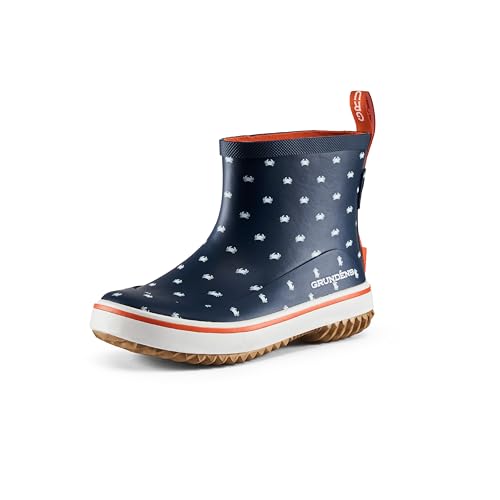
Grundéns Deviation 6 Inch Ankle Boot
Low-profile six-inch coverage
Fishing from fixed docks

Heavy Duty Pick
HISEA Mid Calf Waterproof Rubber Deck Boots
Extended mid-calf coverage
Deep puddles and soft shorelines

On-The-Go Choice
HUK Rogue Wave Waterproof Fishing Shoes
Low-volume fishing shoe format
Shoreline fishing and travel

Comfort Choice
HISEA Ankle Rubber Neoprene Deck Shoes
Flexible neoprene ankle construction
Long days on wet docks
Well Rounded Pick
Grundéns Deck-Boss Waterproof Ankle Boot
Purpose-built waterproof ankle cut
General fishing and wet work
Family Friendly
Grundéns Guppy Kids Rain Boots
Dedicated younger angler sizing
Family fishing outings
Travel Ready
HISEA Foldable Heel Neoprene Deck Shoes
Foldable heel lowers packed size
Boat trips and compact storage
Why These Options Stand Out
The Blacktip pairs a 12-inch shaft with a neoprene lining, giving cold-water anglers more coverage than the ankle designs that follow. That added height matters around deep puddles and steep launch ramps, where water often reaches well above the shoe line.
I favor it for early launches and cool days because the waterproof rubber shell handles frequent wet contact without requiring a separate boot. The reinforced heel and toe areas are sensible additions for anglers who walk across abrasive concrete rather than remaining on soft ground.
Notable Upsides
- The waterproof construction keeps spray and saturated ground from reaching the feet.
- Neoprene lining adds softness and warmth for colder fishing conditions.
- Reinforced heels and toes provide added protection in high-wear contact zones.
- The 12-inch shaft offers substantially more coverage than an ankle boot.
- A grosgrain pull loop simplifies putting the boot on with wet hands.
Trade Offs
- The taller shaft takes more space in a gear bag and may feel excessive on a fixed dock.
- Owners should rinse mud from the tread and let the neoprene lining dry before storage.
Core Details
Built With In Mind
Cold-water anglers working from rough launch ramps receive the strongest combination of coverage, warmth, and reinforced protection here.
Another Choice May Suit
HUK Rogue Wave Waterproof Fishing Shoes suit anglers who pack light and prefer a lower-profile shoe.
A six-inch shaft makes the Deviation less bulky than the Gator Waders Blacktip while still extending above the ankle. That balance fits anglers working from a covered dock, where deep-water protection matters less than keeping the lower leg relatively free.
The available source is sparse, so I keep the recommendation narrow: compact coverage is the only confirmed design advantage. Depending on the season, a shorter boot may be easier in a boat locker, but it offers less protection from spray than taller models.
The Case For It
- The six-inch height reduces bulk compared with mid-calf and tall waterproof boots.
- The low-profile shape should be easier to store in a crowded boat or vehicle.
Honest Caveats
- No material, lining, outsole, or insulation details are confirmed in the supplied listing data.
- Owners cannot judge weather performance or cleaning needs without checking the current product information.
Quick Facts
Right Fit
Fixed-dock anglers who prefer compact footwear benefit more from the six-inch profile than from a mid-calf design.
A Better Fit Elsewhere
Grundéns Deck-Boss Ankle Boot may suit anglers seeking a product name more explicitly centered on waterproof fishing use.
Coverage drives this pick. The mid-calf rubber construction reaches farther above the ankle than the Deviation and Guppy, making it more practical for saturated shorelines where spray repeatedly strikes the lower leg.
That broader barrier is useful around a muddy boat ramp, but the bulkier profile can complicate storage. Compared with the Gator Waders Blacktip, this model may be less protective in very deep water, though its focus remains substantial coverage without the tallest shaft.
The Value In It
- Waterproof rubber targets repeated exposure from puddles, spray, and wet ground.
- Mid-calf coverage protects more of the lower leg than an ankle shoe.
- The simpler rubber design should be straightforward to wipe down after use.
- Its height suits anglers who regularly step through shoreline mud.
Trade-Offs To Consider
- The mid-calf shape occupies more room than the six-inch Deviation.
- The supplied data does not confirm traction, insulation, reinforcement, or sizing details.
Feature Snapshot
Made For
Anglers crossing muddy banks and fishing through persistent spray benefit from the added lower-calf coverage.
Consider Something Else When
Gator Waders Blacktip Deck Boots 12 suit cold-water anglers who also value neoprene lining and reinforced contact areas.
The Rogue Wave takes the low-volume approach a step further by using a fishing-shoe format rather than a conventional boot shaft. I see the strongest fit among anglers who move between a shoreline, a shallow creek, and a compact tackle bag.
Waterproofing is confirmed, but the source does not identify the shell material, waterproof membrane, traction pattern, or lining. Those omissions matter, particularly for anglers who wade deeper than the shoe’s visible coverage or walk on smooth rock.
Notable Gains
- The shoe format reduces visual and physical bulk around the ankle.
- Waterproof construction supports use around wet launch areas and shallow water.
- The low profile fits more naturally into a daypack or small boat compartment.
Points To Note
- The listed data does not confirm insulation, reinforced toe protection, or outsole grip.
- No dimensional details are available, so narrow or wide fits require careful checking.
Who Will Love This
Traveling shore anglers who move frequently and prefer footwear that folds or fits into a small gear bag benefit most.
Where A Sibling Pick Shines
HISEA Foldable Heel Neoprene Deck Shoes may make more sense for compact packing because the heel folds down.
Neoprene, a flexible synthetic rubber commonly used in water footwear, gives this ankle design a softer starting feel than a rigid boot. That matters for anglers standing on a dock for several hours without needing substantial calf coverage.
The rubber exterior and neoprene component work together to serve wet-weather fishing, though the source does not confirm the exact waterproof assembly. I would not assume full-depth wading capability from that construction alone; shallow water and surface splash are the more defensible use case.
What Pays Off
- Neoprene adds flexibility around the ankle for less rigid movement.
- Waterproof rubber targets splash, wet grass, and light shoreline exposure.
- The ankle profile stays compact during long periods on a fixed dock.
- Flexible materials may be easier to bend during kneeling and frequent steps.
Worth Bearing In Mind
- Waterproof membrane details and outsole traction are not confirmed.
- Ankles remain exposed compared with the HISEA mid-calf model.
Technical Highlights
The Right Fit
Anglers who favor softer movement and spend most of their time on docks or shallow banks suit this ankle profile.
Reach For A Different Pick When
HISEA Mid Calf Waterproof Rubber Deck Boots suit anglers needing more lower-calf protection in deep puddles.
Deck-Boss sits between low-profile shoes and taller rubber boots, giving anglers practical coverage without extending into the calf. Its stated waterproof purpose makes it relevant for launch ramps, wet grass, and fishing in light rain.
Compared with the Rogue Wave, this appears more boot-like, while the Deviation emphasizes a six-inch height. Because the source confirms only ankle positioning and waterproofing, comfort and traction should be judged from the current listing rather than assumed.
Real Benefits
- Waterproof construction supports use in wet fishing environments.
- The ankle cut controls bulk without leaving the entire lower leg exposed.
- The familiar Deck-Boss design may appeal to anglers seeking a conventional boot shape.
- The profile should work for both shoreline travel and fixed-dock fishing.
Small Limitations
- No shell material, lining, insulation, or traction information is supplied.
- Deeper water may require the coverage found in a mid-calf or 12-inch model.
Who Should Grab It
Anglers moving between shore launches and fixed docks benefit from a balanced ankle-height waterproof design.
Swap It Out When
Gator Waders Blacktip Deck Boots 12 suit cold-water anglers who value neoprene warmth and reinforced contact areas.
The Guppy is the only dedicated youth option in this group, making it relevant for families introducing children to fishing. Rain-boot construction fits ordinary wet grass, puddles, and splashy shore access without presenting the item as a technical wading boot.
I would treat it as a family outing choice rather than a match for serious cold-water fishing. The source gives no confirmed waterproof rating, material, traction pattern, or size range, so those details need careful verification before use around deep water.
Practical Pluses
- The youth sizing concept supports a separate fit for younger family members.
- Rain-boot coverage suits wet grass, shallow puddles, and fishing-line splashes.
Practical Considerations
- Technical waterproofing and traction specifications are not provided.
- Adult models are more appropriate for serious wading and extended shoreline coverage.
Who It Suits Best
Families taking younger children on calm, casual fishing outings benefit from dedicated youth footwear.
Look Elsewhere When
HISEA Mid Calf Waterproof Rubber Deck Boots suit adults who need substantially more lower-leg coverage.
A foldable heel distinguishes this shoe from fixed-sole deck footwear and reduces the space required inside a boat locker. The waterproof ankle design remains more protective than a conventional low shoe, while neoprene adds a flexible component around the foot.
For traveling anglers, that packing advantage may outweigh the lower profile. In rough conditions, I would prefer the Blacktip’s reinforced heel and toe areas, but the fold-down construction looks useful for moving between water bodies and carrying compact gear.
Everyday Advantages
- The folding heel reduces packed height for easier boat-locker storage.
- Neoprene contributes flexibility around the foot and ankle.
- Waterproof construction suits splash, wet ground, and light rain.
- The ankle profile protects more of the foot than a low-cut shoe.
Details To Watch
- The source does not confirm outsole grip, waterproof membrane type, or reinforcement.
- Frequent folding may be less suitable for anglers seeking a rigid full-height boot.
The Main Details
Whose Shelf It Belongs On
Boat-based anglers with limited locker space benefit from a foldable heel and compact deck-shoe profile.
Not Your Match When
Gator Waders Blacktip Deck Boots 12 suit anglers who prioritize reinforced heels, toes, warmth, and taller coverage.
What Matters Before Choosing Fishing Deck Boots
Height and water depth
Boot height should match the deepest water likely to reach the lower leg. Ankle and six-inch designs suit fixed docks and shallow shorelines, while mid-calf or 12-inch boots provide more protection around deep puddles and rough launches.
Waterproofing and lining
Waterproof construction limits entry from puddles and spray, while neoprene or another confirmed lining can add comfort and warmth. The outer waterproof layer and internal lining serve different purposes, so both deserve separate attention.
Grip and terrain
Slip resistance matters on wet docks, algae-covered rocks, muddy ramps, and smooth boat surfaces. Outsole design cannot be inferred from a waterproof label, so confirmed traction details deserve close attention before a slippery shoreline trip.
Fit and storage
Rubber and neoprene can feel stiff before repeated use, making sizing and gradual wear-in important. Foldable heels, ankle profiles, and taller shafts also determine whether the footwear fits neatly in a boat locker or gear bag.
Practical Traps in Wet Footwear Choices
Mistakes Worth Dodging
Choosing by waterproof wording alone can leave traction, lining, and fit unresolved. I compare the declared height with the deepest expected water and verify the outsole and sizing information before relying on a pair for slippery terrain.
Why Top Tier Costs More
Additional spending may support taller coverage, neoprene lining, reinforced contact zones, or established traction details. The upgrade pays off for frequent cold-water anglers, while occasional shore fishers can often manage with a simpler ankle design.
Frequently Asked Questions
Are fishing deck boots suitable for cold water?
Models with neoprene lining and taller shafts offer greater warmth and coverage, though actual comfort depends on climate, activity, and fit. Shorter waterproof designs remain more practical for mild conditions.
Are deck boots better than ordinary rain boots?
Purpose-built deck boots prioritize traction, water resistance, and support around wet outdoor surfaces. Ordinary rain boots can work for casual use but may lack confirmed fishing-specific features.
Should deck boots be worn over socks?
Thin or moisture-managing socks can help manage internal condensation, but the best choice depends on lining material and boot volume. Thick socks may reduce circulation in a close-fitting design.
Can fishing shoes handle wading?
A waterproof shoe is best for splashes and shallow water unless the manufacturer specifies deeper protection. Coverage, sole design, and the confirmed waterproof construction determine suitability.
How should wet deck boots be cleaned?
I rinse away mud, wipe the exterior, and allow the footwear to dry fully before storage. Keeping moisture trapped inside can create odors and weaken comfort over time.
Final Thoughts
The strongest choice depends on coverage, not just waterproof wording. Gator Waders offers the most complete cold-weather specification, HISEA provides several rubber and neoprene options, and Grundéns covers compact adult, deck, and youth designs. Match the height to the water, confirm sizing and traction, then choose the pair that fits the actual shoreline and storage conditions.
