Book Appointment Now

8 Best Boots for Fly Fishing for 2026: Traction, Comfort, and Fit
ByBEGUM
Fly-fishing footwear has to handle wet banks, slippery rock, changing water temperatures, and long hours on uneven ground. I focus on the details that shape daily comfort: outsole traction, upper construction, drainage, storage, and the difference between ankle footwear, neoprene socks, and chest waders. The right choice depends less on the label than on the water, weather, and duration of each outing.
A Snapshot Of The Selections
PickWhy We Picked ItBest ForAction

Outdoor Ready
Korkers Men’s Chrome Lite Wading Boot
Lightweight rock-sole approach
Bank and water crossings
Compact Choice
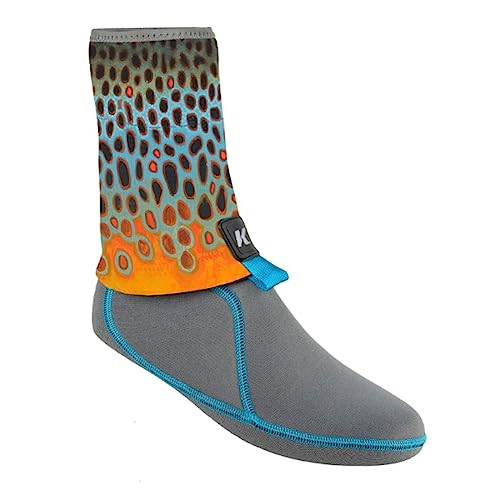
Korkers I-drain Neoprenesock
Low-profile neoprene coverage
Warm-water sock protection

Well Rounded Pick
Wasserflux 4mm Neoprene Chest Waders
Integrated boots and coverage
Cold-water wading

Comfort Choice
FROGG TOGGS Women’s Hellbender Wading Boot
Drainage, cushioning, quick lacing
Long days on the river

Feature Rich
Lekesky Fly Fishing Chest Waders 2-Ply
Expanded knees and drying accessories
Active anglers and hunters

Storage Saver
HUNTSEN Chest Waders with Storage
Pockets, attachment points, quick buckles
Anglers carrying stream gear

Flexible Favorite
Trudave 2-Ply Nylon/PVC Chest Waders
Two-layer fabric with attached boots
Fishing and field use

Travel Ready
Korkers Men’s Stealth Sneaker Wading Boot
Sneaker profile with fixed sole
Light pack weight
A Deeper Look At The Lineup
The Chrome Lite takes a focused approach to wading footwear: a men’s hiking-style boot paired with a fixed Kling-On rock sole. Fixed soles matter because the entire outsole stays attached to the upper, a simple design for anglers crossing loose banks and hard riverbed surfaces.
Compared with the chest waders later in this list, this pair avoids bulky leg coverage and works best for streams where the feet and ankles need protection without full submersion. In my view, it is a sensible match for anglers carrying light equipment, though a long day in cold water may call for more insulation.
Positive Takeaways
- The fixed rock sole is designed for stable contact on uneven ground.
- The hiking-boot format supports mobility better than a high wader leg.
- Its lower profile makes transport easier on creek hikes.
- The design suits anglers moving between the bank and shallow water.
Points To Note
- No waterproof rating or upper material is provided, so wet-bank conditions warrant caution.
- Limited specification makes an exact fit comparison difficult before purchase.
Quick Facts
Who It Suits Best
Rocky-bank anglers who favor compact footwear over full chest coverage will find this design relevant.
A Better Fit Elsewhere
Anglers entering colder, deeper water gain more coverage from the Wasserflux 4mm Neoprene Chest Waders.
The I-drain Neoprenesock fills a narrower role than the Chrome Lite: lightweight coverage for the lower leg and foot. Neoprene is a flexible synthetic rubber material that adds a thin insulating layer, while the 3.5 mm version described in the product context sits between a thin liner and a full wader boot.
For wading through warm streams, that low profile can reduce bulk and preserve easier movement. It doesn’t replace a boot with a structured rock sole, so I wouldn’t treat it as the answer for anglers repeatedly crossing exposed, jagged ground.
What It Does Well
- The 3.5 mm neoprene construction adds useful thermal separation in mild water.
- The sock format fits beneath compatible wading boots without a tall upper.
- Its compact shape keeps pack weight and bulk down on creek outings.
- The unisex design broadens its use across different sizing needs.
Small Caveats
- The listing does not specify fixed traction hardware, so slippery rock requires careful placement.
- Owners should allow neoprene to air-dry after use and avoid leaving it compressed in a damp bag.
Feature Snapshot
Built With In Mind
Warm-water anglers who prefer a sock layer over a structured boot will appreciate this compact approach.
Where Another Pick Shines
Anglers prioritizing rock traction will find the fixed Kling-On sole on Korkers Men’s Chrome Lite Wading Boot more relevant.
Four-millimeter neoprene gives these chest waders a more substantial thermal layer than the Korkers I-drain Neoprenesock. The attached boots shift the design from sock-level insulation to a complete lower-body system, which matters on long wades through cold water and uneven channels.
The men’s specification narrows the stated fit, while the chest construction offers more coverage for deeper water. In my view, the main tradeoff is bulk: anglers carrying waders for long distances may prefer the Chrome Lite’s conventional boot profile.
Bright Spots
- The 4 mm neoprene offers more warmth than the Korkers sock option.
- Attached boots simplify dressing for anglers who regularly enter the water.
- Chest coverage provides a practical barrier in deeper streams.
- The all-in-one design reduces the need to coordinate socks, boots, and upper wader legs.
What To Weigh
- No seam construction, closure system, or boot-sole specification is provided.
- Full neoprene can feel restrictive during long hikes, so mobility depends on the fit.
- Users need to inspect the seams and drain accumulated water after outings.
Right Fit For
Men fishing cold streams who favor one-piece coverage and attached footwear will find the concept well matched to their needs.
Reach For A Different Pick When
Anglers focused on compact transport will prefer the low-profile Korkers Men’s Stealth Sneaker Wading Boot.
The Hellbender places more emphasis on repeat-day comfort than minimalist bulk. A water-draining upper helps manage moisture after splashes, while a padded collar softens contact around the ankle during hours of casting and walking.
Its felt or cleated sole choices deserve attention because stream beds differ. Felt commonly suits smooth submerged surfaces, while a studded or cleated outsole targets loose gravel; the listing phrase combines both options, so the actual outsole configuration should be confirmed on the product page.
A Few Strong Suits
- The draining upper limits trapped water after repeated crossings.
- Cushioned polyurethane midsole adds support underfoot for long sessions.
- Speed laces and pull tabs streamline dressing and removal.
- Felt and cleated choices accommodate different riverbed conditions.
Practical Considerations
- Studs can snag on soft ground, while felt can perform poorly on slime-covered rock.
- Water-draining construction does not replace a full wader in deep or cold water.
The Details
Made For
Women who spend full days wading varied banks and riverbeds will appreciate the drainage and cushioning details.
Swap It Out When
Full-body users moving through cold water gain more coverage from the Wasserflux 4mm Neoprene Chest Waders.
The Lekesky design focuses on movement and organization, not merely waterproof coverage. Its expanded knee zones are intended to permit squatting, kneeling, and walking without the stiffness commonly associated with less flexible fabric panels.
The two-ply nylon/PVC construction serves fishing and hunting use, and the stated size range covers US 5 through 14. A boot hanger and waterproof phone case add useful field support, though the absence of detailed closure and seam information makes careful listing review sensible.
Real Benefits
- Expanded knees support crouching, kneeling, and active movement.
- Integrated boots simplify repeated entries into the water.
- The broad size range offers more choice for varied body proportions.
- The included hanger supports drip drying after use.
- The waterproof phone case protects a small essential from splashes.
Factors To Consider
- Nylon/PVC can feel less flexible than heavier neoprene, so movement expectations matter.
- The product should be hung open to dry before packing, especially at seams and boot connections.
Key Product Details
Who Will Love This
Active anglers and hunters who need combined lower-body coverage, mobility, and drying accessories will find this practical.
Another Choice May Suit
People prioritizing neoprene warmth will find the Wasserflux 4mm Neoprene Chest Waders more directly aligned.
Storage is the HUNTSEN model’s defining practical feature, with an external zip pocket, internal waterproof pocket, and fleece-lined chest pocket. Anglers who carry flies, small tools, and personal items can keep each category separated rather than relying on a single catch-all compartment.
Adjustable H-back straps and quick-release buckles support repeated dressing, while four D-rings create attachment points for compatible gear. Size 10 corresponds to men’s 10 or women’s 11, and owners with wider feet or thick socks may need to account for the sizing notice.
Advantages To Know
- Three chest-area storage zones organize small fishing essentials.
- The waterproof internal pocket separates moisture-sensitive items.
- Quick-release buckles reduce dressing and removal friction.
- Four D-rings support compatible accessory attachment.
- The included hanger helps waders dry after use.
Things That May Matter
- Wide feet and thicker socks can change the effective fit around the attached boots.
- Adding pocket contents to the wading belt can affect comfort over long walks.
Product Snapshot
The Right Fit
Anglers carrying small tools, waterproof gear, and frequently used accessories will get practical value from the pocket layout.
Where Another Pick Shines
People focused on a compact neoprene layer may prefer the Korkers I-drain Neoprenesock over full wader storage.
The Trudave option combines chest coverage with a two-ply nylon/PVC shell and integrated boots, placing it between light sock footwear and neoprene-heavy waders. Two-ply fabric is typically used as a layered barrier, though actual warmth depends on weather, movement, and personal tolerance.
Its stated use spans fishing and hunting, making it relevant for anglers who also spend time in wet field environments. Compared with the Wasserflux model, the main distinction is the fabric system rather than neoprene thickness, while HUNTSEN offers a more clearly documented storage layout.
Everyday Advantages
- Chest coverage supports wet-weather access across deeper terrain.
- Attached boots remove one layer from the dressing process.
- The two-ply shell provides an alternative to neoprene construction.
- The unisex positioning supports a wider mix of outdoor users.
Honest Caveats
- No material weight, closure design, or pocket details are provided.
- Two-ply fabric may offer less warmth than 4 mm neoprene in cold conditions.
- Owners should fully dry the wader and boots before storage.
Technical Notes
Best Suited To
Fishing and hunting participants who want nylon/PVC coverage and attached boots will find this configuration relevant.
A Better Fit Elsewhere
Cold-water anglers who prioritize neoprene warmth will gain more from the Wasserflux 4mm Neoprene Chest Waders.
The Stealth sneaker profile brings a different priorities to wading footwear: a casual silhouette paired with fixed Kling-On rock soles. It looks more naturally at home with travel clothing than a technical chest wader, which can be useful for anglers moving from a stream to town without changing footwear.
Compared with Korkers Men’s Chrome Lite Wading Boot, the shared fixed sole suggests a similar focus on rocky ground, while the sneaker styling favors lighter, more flexible packing. Exact insulation, waterproofing, and closure details aren’t supplied, so the listing should be treated as a footwear option rather than full water protection.
What Stands Out
- The sneaker-shaped upper suits travel and casual field use.
- Fixed Kling-On rock soles target traction on hard surfaces.
- The compact boot design is easier to pack than chest waders.
- Its men’s styling fits naturally into an everyday footwear rotation.
Possible Compromises
- No insulation or waterproof specification is available.
- A casual upper may not provide the same support as a full wading boot in deep or uneven channels.
Whose Shelf It Belongs On
Travel-oriented anglers who want rock traction without the appearance of full wading gear will find this format convenient.
Not Your Match When
People needing deep water coverage will prefer the Trudave 2-Ply Nylon/PVC Chest Waders.
What Matters Before Choosing Boots For Fly Fishing
Traction and Outsole Choice
Felt, cleats, and fixed rock soles serve different riverbeds. Felt commonly makes sense on smooth submerged rock, while studs or cleats add bite on loose gravel and mud. The outsole should match the water and bank conditions rather than a general fishing style.
Coverage and Temperature
Neoprene socks add a light layer, while wading boots protect the foot and ankle. Chest waders extend coverage higher for colder or deeper water, but they also add weight and bulk. Consider the water temperature and the distance to the bank before choosing a heavier setup.
Comfort and Storage
Padded collars, cushioned midsoles, adjustable straps, and pockets improve long outings in different ways. A close fit prevents movement inside the footwear, while storage keeps frequently used gear accessible. Check sizing guidance, especially with attached boots, thick socks, or unusual foot width.
Common Mistakes Worth Avoiding
Choosing traction by appearance alone can leave a boot mismatched with the riverbed. Insulated, waterproof designs also suit different water temperatures, so I compare the actual outing conditions before selecting coverage. A snug fit and the correct size matter just as much as the construction.
What The Higher Tier Buys
Higher-tier models often add more refined cushioning, drainage, articulated panels, storage, or integrated drying accessories. The extra construction may help with long sessions, but it is not automatically better for every stream. I favor the item that matches the terrain, water temperature, and amount of gear being carried.
Frequently Asked Questions
Are wading boots better than neoprene socks for fly fishing?
Wading boots provide more structured foot and ankle coverage. Neoprene socks are lighter and better suited to mild water, especially beneath compatible boots.
Are felt soles suitable for rocky riverbeds?
Felt can work well on smooth, submerged rock. Loose gravel, mud, and algae-covered surfaces usually call for more aggressive traction.
Are chest waders necessary for fly fishing?
Chest waders add coverage for colder or deeper water. Shallow streams may be manageable with a good boot and neoprene sock combination.
How should I dry neoprene wading footwear?
Allow neoprene to air-dry away from direct heat. Hanging the footwear open helps trapped water escape from the foot and ankle areas.
What should I wear under wading boots?
Thin-to-medium socks preserve easier movement, while neoprene socks add insulation. Thick socks can improve warmth but may affect the fit and boot selection.
Final Thoughts
Korkers models suit anglers who want a focused boot approach, while the neoprene and chest-wader options cover more water temperature and depth needs. Felt or cleated soles suit varied banks, and added storage or articulation benefits anglers carrying more gear. I’d match the footwear to the riverbed, water temperature, and distance carried before choosing.
