Book Appointment Now

8 Best Bass Fishing Spinning Reels for 2026
ByBEGUM
Bass fishing rewards a reel that stays composed when the line is under sudden pressure. I focus on drag control, gear ratio, spool behavior, construction, and the way each reel handles casts around cover, from banks to boat decks. The list includes several spinning models alongside three baitcasting options, so the right fit depends on technique, target water, and experience.
The Main Contenders
PickWhy We Picked ItBest ForAction

Balanced Choice
DAIWA 23 Ninja LT Front Drag Reel
Balanced bass fishing control
Everyday freshwater anglers

Heavy Duty Pick
Penn Battle IV Spinning Fishing Reel
Durable sealed construction
Anglers chasing larger fish

Smooth Operation Pick
Sedona FJ Spinning Reel
Quiet, controlled line management
Technical spinning anglers
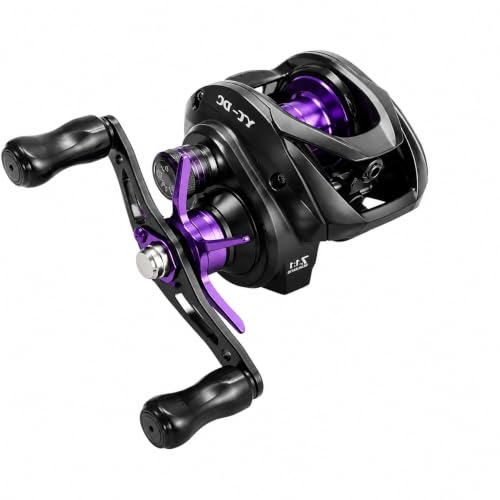
Beginner Friendly
KITHWILD DC Baitcasting Reel 7.1:1
Automatic braking for cleaner casts
New baitcasting anglers

Everyday Favorite
OKUMA Ceymar A Spinning Reel
Smooth gearing and secure grip
Versatile freshwater fishing

Performance Pick
KITHWILD DC Baitcasting Reel 18.5LB Drag
High stopping power and control
Anglers targeting hard-fighting fish
Smart Upgrade
KITHWILD Smart Digital Brake 7.1:1 Reel
Sensor-assisted braking control
Beginners refining baitcasting technique

Outdoor Ready
Penn Spinnfisher VI Spinning Fishing Reel
Sealed durability for mixed water
Bank and saltwater fishing
A Breakdown Of The Leading Choices
The DAIWA 23 Ninja LT brings a useful middle ground to bass fishing, with a front-drag layout, a 5.2:1 ratio, and a listed 11-pound maximum drag. That combination should feel familiar to anglers who want a compact spinning setup for casting toward banks, grass, and short structure. Compared with the heavier-duty Penn models, it favors portability and straightforward handling.
Its 7.23-ounce weight is easier on a long day of casting, while the 4-bearing layout supports a smooth-feeling retrieve. The honest read is that it suits freshwater anglers who want a manageable reel without giving up meaningful stopping power. A larger reel may feel steadier around heavy cover.
Bright Spots
- Light 7.23-ounce construction helps reduce fatigue during repeated casts.
- Front drag gives anglers direct access during a fight.
- 5.2:1 ratio balances speed with manageable spool rotation.
- The 11-pound drag rating suits ordinary bass and panfish combinations.
Trade Offs
- Some anglers may prefer a larger spool for longer casts and heavier line.
- Drag settings still need regular adjustment as weather and water conditions change.
Key Specs
Made For
Freshwater anglers who want a light spinning reel for everyday casting and moderate cover.
A Better Fit Elsewhere
Penn Spinnfisher VI may suit anglers fishing from mixed-water shorelines where sealed construction matters.
Penn positions the Battle IV around anglers who expect a spinning reel to handle more than delicate panfish presentations. Its full-metal body, sealed component protection, and carbon-fiber drag system give it a sturdier profile than the DAIWA 23 Ninja LT. That makes sense for fishing heavy cover, switching between species, or spending long days on a boat.
The reel spans multiple sizes, so the exact feel and line capacity depend on the model selected. That is the main detail to check before committing. The construction should appeal to practical anglers, while the sealed drag and metal frame may feel unnecessary for a light lure-only setup.
The Case For It
- Full-metal construction adds rigidity around powerful fish.
- Hydro Armor sealing helps protect internal components from water and debris.
- HT-100 carbon-fiber drag provides a firm foundation for heavier presentations.
- Multiple size options make it easier to match a reel to the target species.
Honest Caveats
- The full-metal body can feel less portable than the lighter DAIWA model.
- Size selection affects spool capacity, weight, and drag performance.
- Saltwater exposure still calls for sensible rinsing after use.
Built With In Mind
Anglers targeting largemouth bass, northern pike, or saltwater species that demand a sturdier spinning platform.
Another Choice May Suit
DAIWA 23 Ninja LT fits anglers prioritizing low weight over heavy-duty construction.
The Sedona FJ is built around smooth line handling, which makes it appealing for anglers who retrieve finesse presentations or cast repeatedly from a shaded bank. Its Propulsion Line Management System helps keep line movement orderly during the cast, while the G-Free body is intended to resist corrosion. Compared with the Penn Battle IV, the emphasis appears less on sheer size and more on refined operation.
The supplied model designation points to the C3000HG configuration, so spool and line capacity deserve a careful look before use. Some anglers may find this approach particularly useful in calm water, where subtle lure movement matters. In rough conditions, a larger sealed body can still be worthwhile.
What Earns Its Place
- Line-management design helps reduce tangles and uneven line flow.
- G-Free body construction supports use around moisture and freshwater conditions.
- Compact presentation fits anglers who value retrieve smoothness over maximum bulk.
Small Caveats
- Specific line capacity is not supplied for this configuration, so spool sizing requires attention.
- The reel may feel less substantial when casting heavy swimbaits or covering long distances.
Key Attributes
Right Fit For
Finesse-focused freshwater anglers who value smooth retrieval and controlled line movement.
Look Elsewhere When
Penn Spinnfisher VI is a stronger fit for mixed-water conditions and anglers seeking sealed spool construction.
This KITHWILD DC Baitcasting Reel is not a spinning reel, but it belongs in a serious bass roundup because it targets a different casting style. Its digital braking system is designed to adjust braking as the spool changes speed, giving new anglers a steadier path toward accurate casts. Compared with a spinning reel, the baitcaster offers more direct control over lure placement around tight cover.
The 7.1:1 ratio retrieves line quickly, and the listed 4+1 bearing arrangement supports smooth operation. The ultralight emphasis may help during long practice sessions. Its electronics also require attention to care, so keeping the reel dry and following the maker’s setup guidance matters.
Benefits That Matter
- Digital braking helps reduce overruns during early casting practice.
- Fast 7.1:1 retrieval supports quick hook sets and line recovery.
- Lightweight design is easier on the wrist during repeated casts.
Where It May Fall Short
- Digital controls need occasional care to avoid dirt and moisture entering the mechanism.
- Spool capacity is not provided, so line choice must be matched carefully.
Best Suited To
New bass anglers who want to learn baitcasting with automatic braking assistance.
Consider Something Else
DAIWA 23 Ninja LT suits people who prefer the simpler learning curve of a spinning reel.
The OKUMA Ceymar A is a practical all-around spinning reel for bass anglers who want smooth casting without a highly specialized setup. Its Flite shaft system supports smoother starts and retrieves, while the multi-disc oiled felt drag gives the angler a gradual adjustment range. The handle knobs also add grip during casting and retrieval.
A 7BB+1RB bearing system and brass pinion gear support the reel’s smooth-operation focus. Compared with the Penn Battle IV, this model looks more balanced toward everyday freshwater use than maximum metal rigidity. The exact model size and line capacity should be confirmed for the chosen listing, since those figures can vary.
What Helps Most
- Flite shaft design supports smoother casting and winding action.
- Multi-disc oiled felt drag allows gradual drag tuning.
- Brass pinion gear provides a durable gear foundation.
- I-shaped and T-shaped knobs improve hand control.
Points To Keep In Mind
- Drag and spool maintenance remain important after wet-weather use.
- The smooth-operation focus may not satisfy anglers wanting a heavy full-metal body.
Feature Snapshot
Who Will Love This
Freshwater anglers who want a comfortable, smooth-handling spinning reel for regular bass use.
Swap It Out When
Penn Spinnfisher VI is the better choice for anglers who need stronger saltwater-oriented sealing.
This KITHWILD DC Baitcasting Reel brings a more substantial drag proposition to the list, with a listed maximum of 18.5 pounds. That makes it relevant for anglers targeting larger bass, pike, or other hard-fighting freshwater fish while using a baitcasting setup. Its digital braking is intended to keep spool speed more stable as a cast develops.
The 7.1:1 ratio retrieves line quickly, and the 5+1 bearing layout is designed for smooth movement. Compared with the lighter KITHWILD 4+1 model, this version offers more stopping power but may feel less suited to very light presentations. Drag pressure still needs tuning for the species and line selected.
Everyday Advantages
- 18.5-pound maximum drag gives more resistance for powerful fish.
- Digital braking helps control spool speed during long casts.
- Metal star drag provides precise adjustment and durable construction.
Possible Compromises
- High drag capacity is unnecessary for anglers using light finesse tackle.
- The digital mechanism needs careful cleaning and dry storage.
Technical Notes
Built For
Anglers pursuing powerful freshwater fish who prefer a controlled baitcasting setup.
Where Another Pick Shines
Penn Battle IV may serve anglers better who want a sealed spinning reel for mixed environments.
The KITHWILD Smart Digital Brake reel focuses on cast consistency through sensor-assisted braking. Its system monitors spool speed and adjusts braking force during the cast, which can help reduce overruns for anglers still learning baitcasting. Compared with the simpler DAIWA 23 Ninja LT, it asks for a different technique and offers more active control.
The 7.1:1 ratio is useful for quick retrieves, while the digital design gives the reel a more technical feel. Anglers who enjoy tuning equipment may appreciate the added feedback, though beginners still need to set the reel correctly before expecting consistent results. Sound and electronic settings may also require occasional cleaning.
The Good Stuff
- Sensor-based braking adjusts to changing spool speed.
- Digital control is aimed at smoother, more predictable casts.
- 7.1:1 ratio supports quick retrieval after the hookup.
Details To Watch
- Electronic components deserve more attention during storage than a basic mechanical reel.
- Advanced settings may take time for new anglers to understand.
Made For
Bass anglers who want assisted cast control while learning baitcasting technique.
Not Your Match When
DAIWA 23 Ninja LT is more approachable for anglers who want a straightforward spinning setup.
Penn Spinnfisher VI is built for anglers who may move between freshwater and saltwater shorelines. Its IPX5 sealing helps keep water away from the gearbox and drag, while the fully sealed spool and HT-100 drag washers support dependable resistance under load. Compared with the OKUMA Ceymar A, it offers stronger emphasis on exposed-water protection.
The full-metal body and sideplate should feel substantial during heavy retrieves, particularly for anglers targeting larger fish. Standard, live-liner, and long-line variants are mentioned, so choosing the right version matters. Rinsing with fresh water and allowing the reel to dry remains important after each trip.
What Makes Sense
- IPX5 sealing helps protect internal parts from spray and immersion exposure.
- Fully sealed spool supports use around mixed water and large fish.
- Full-metal body adds strength when the reel is under heavy load.
Worth Bearing In Mind
- Its larger construction may feel heavy for very light spinning presentations.
- Different variants serve different line-handling needs.
Feature Facts
Whose Shelf It Belongs On
Anglers fishing shorelines, marshes, or mixed water who value sealed construction and durable handling.
Reach For A Different Pick
DAIWA 23 Ninja LT may suit anglers who want a lighter spinning reel for freshwater use.
What Matters Before Choosing A Bass Reel
Size And Line Capacity
The reel size should match the lure, line, and water. Small spinning models suit light presentations, while larger bodies provide more line reserve and stopping power. For baitcasting, spool capacity and braking behavior are just as important as the gear ratio.
Drag And Retrieval
Drag resistance needs to be set for the fish and the strength of the line. A 5.2:1 ratio offers a slower, more controlled retrieve, while 7.1:1 systems recover line quickly. Neither ratio alone determines casting accuracy; spool balance and technique remain central.
Sealing And Care
Sealed construction matters for rain, spray, and mixed water. After each outing, rinse the reel with fresh water, remove sand carefully, and let it air-dry before storage. Digital baitcasting reels deserve extra attention around their electronic components.
Common Mistakes And Costly Missteps
Where Shoppers Go Wrong
Many anglers choose by gear ratio alone, yet a fast ratio does not automatically create accurate casts. Others ignore drag capacity, line strength, and spool size until a heavy lure or a hard fish exposes the mismatch. Confirming the reel variant and intended line before purchase keeps the setup realistic.
What The Higher Tier Buys
Added cost often brings stronger sealing, more rigid components, refined gearing, or smoother drag control. Those upgrades matter most around rocks, saltwater, and powerful fish. For light freshwater spinning, a simpler model may provide more value than extra bulk.
Frequently Asked Questions
Are spinning reels suitable for bass fishing?
Yes. Spinning reels work well for light lures, finesse presentations, and anglers who want a simple casting setup.
What gear ratio is best for bass?
A moderate spinning ratio near 5.2:1 gives a manageable retrieve, while 7.1:1 baitcasting reels favor fast line recovery.
How much drag does a bass reel need?
Drag should match the line, lure, and target species. More capacity is useful for larger fish but can create poor control with light tackle.
Should a bass reel be waterproof?
Sealed or water-resistant construction helps in rain and spray, though freshwater rinsing and proper storage remain important.
Is a digital baitcasting reel easier to cast?
Digital braking can reduce overruns, but setup, spool tension, and practice still determine casting consistency.
Final Thoughts
The DAIWA 23 Ninja LT is a convenient lightweight spinning choice, while the Penn Battle IV and Penn Spinnfisher VI lean toward stronger sealed platforms. The KITHWILD models serve people who want assisted baitcasting control, and the Sedona FJ and OKUMA Ceymar A focus on smoother spinning operation. Match the reel to the lure, water, and level of casting experience rather than relying on one specification alone.
