Book Appointment Now

8 Best Affordable Fishing Gears for 2026
ByBEGUM
Fishing gear should make the trip easier without creating a closet full of specialized equipment. I focus on practical pieces for organizing tackle, handling fish, carrying rods, dressing for the weather, and rigging terminal tackle. The list covers freshwater and saltwater needs, from compact fly-fishing leaders to a substantial tackle bag, while clear trade-offs help me match each item to a specific fishing style.
An Overview Of The Picks
PickWhy We Picked ItBest ForAction
Heavy Duty Pick
KastKing Bait Boss Tackle Bag
High-capacity tackle organization
Bait and terminal tackle

Specialty Choice
UCEC Saltwater Circle Hooks
Offset point for serious rigs
Catfish and octopus fishing
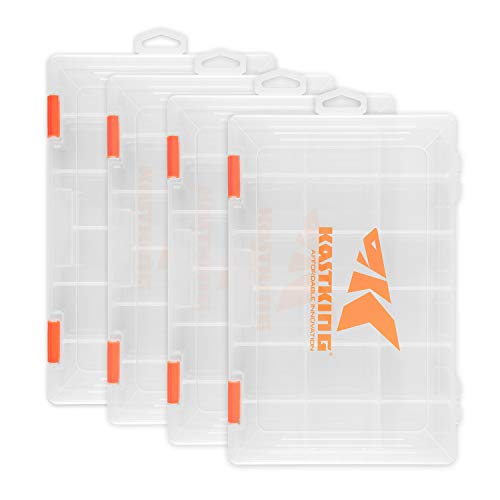
Space Saver
KastKing Utility Tackle Boxes
Adjustable internal organization
Compact tackle storage

Refined Pick
SF Tapered Fly Leader
Controlled fly-line presentation
Wind and flats fishing

Travel Ready
KastKing Blowbak Sling Bag
Rod and gear portability
Hiking and paddle access

Multi-Use Pick
Grundéns Full Share Bib
Lower-body fishing coverage
Cool and wet conditions
Outdoor Ready
Grundéns Full Share Jacket
Upper-body weather coverage
Boats and changing weather

Feature Rich
Mossy Oak Fishing Tools Kit
Combined rigging and fillet tools
Boat and bank fishing
A Breakdown Of The Leading Choices
The Bait Boss handles the volume that a small tray cannot. Its capacity for seven 3600-size lure boxes, 12 internal and external pockets, and water-resistant 420D ripstop nylon construction suit anglers carrying terminal tackle, lures, and small tools. The molded base adds stability on a wet boat deck, where a soft bag would otherwise compress or slide.
Compared with the KastKing Utility Tackle Boxes, this bag trades compact organization for broader carrying capacity. That difference makes it more useful for a full day of bait fishing or shoreline work, although the larger structure may feel excessive on a solo paddle trip.
Bright Spots
- Seven standard 3600 trays keep small lures separated.
- Twelve pockets provide places for tools and frequently used pieces.
- Water-resistant ripstop nylon suits damp launch areas.
- The compression-molded base resists slipping on wet surfaces.
Worth Noting
- The larger body takes more space than a basic tackle tray.
- Owners commonly leave residue in narrow pockets, so periodic wiping is useful.
Technical Highlights
Who It Suits Best
Anglers carrying multiple lure boxes and accessories by boat or across a long shoreline stretch gain the most from its capacity.
A Better Fit Elsewhere
The KastKing Utility Tackle Boxes suit anglers who value compact, adjustable compartments more than shoulder-bag portability.
Circle hooks give a rig a distinct purpose: the curved point and offset tip are positioned to settle around the corner of a fish’s mouth. UCEC builds these from high-carbon steel in a 2X Strong format, with an intended role in saltwater fishing for catfish, octopus, and similar hard-fought targets. The supplied options span several common hook sizes and pack quantities.
This is terminal tackle rather than general-purpose tackle, so it complements the Bait Boss instead of competing with it. I would pair the hooks with a suitable bag or box because their high-carbon construction calls for organized storage and regular inspection before each trip.
Points In Its Favor
- The offset point suits rigs designed for stronger saltwater fish.
- High-carbon steel supports demanding fishing applications.
- Multiple sizes accommodate different target species and bait sizes.
- Large pack options reduce frequent replenishment.
Small Caveats
- Circle hooks are specialized and may suit standard freshwater jigging less well.
- Fishing hooks commonly develop surface corrosion, so rinsing and drying them after saltwater use matters.
Key Product Details
Made For
Anglers building saltwater rigs for catfish, octopus, and similarly strong targets will find the specialized geometry relevant.
Consider Something Else When
The KastKing Utility Tackle Boxes offer a better fit for anglers who need organized storage rather than a large quantity of hooks.
Compact organization is the central attraction here. Each 3600 tray has pre-cut dividers that can create three through 18 compartments, allowing hooks, sinkers, beads, and terminal pieces to remain separated without requiring a larger bag. The two-pack format also makes it practical to stage gear at home and keep another box in a vehicle.
Unlike the Bait Boss, these trays don’t appear designed to carry over an angler’s shoulder. Their lower profile works better in a boat, a locker, or a shared tackle system where space discipline matters more than standalone transport.
Reasons It Performs
- Adjustable dividers accommodate changing tackle layouts.
- Two trays support home and travel organization.
- The 3600 footprint fits familiar fishing storage systems.
- Open trays make small pieces easy to locate quickly.
Practical Considerations
- Small terminal pieces need careful handling because open trays can spill during transport.
- Loose line and damp bait commonly leave the dividers needing regular cleaning.
Right Fit For
Anglers building compact tackle systems for a boat, kayak, or vehicle will appreciate the adjustable internal layout.
Where Another Pick Shines
The KastKing Bait Boss Tackle Bag suits anglers carrying larger quantities of gear without unpacking everything at the bank.
A leader connects the fly line to the fly, and its taper influences how that line turns over onto the target. This nylon option is built as a tapered 10-foot leader offered in 20-pound material, with three leaders per package. Its listed strengths include abrasion resistance and low visibility, useful around fish that scrutinize their surroundings.
The source also identifies flats fishing as a suitable setting, along with streamers, poppers, and general big-game applications. Compared with the heavier UCEC hooks, this is presentation tackle rather than terminal hardware, so I would keep it paired with fly-fishing tools and small leaders organized in the Utility Tackle Boxes.
Useful Highlights
- The taper supports more controlled line turnover.
- Nylon construction offers a familiar fly-fishing material.
- Low visibility suits presentation-focused fishing.
- Three leaders provide a practical backup supply.
Trade Offs
- Flats fishing and wind require careful control of leader length and casting technique.
- Fly leaders commonly pick up grit and should be inspected for abrasion after rough trips.
Quick Facts
Who Will Love This
Fly anglers presenting streamers, poppers, or flats-fishing patterns in breezy conditions will value the taper and abrasion resistance.
Another Choice May Suit
The KastKing Utility Tackle Boxes are a better fit for organizing leaders, hooks, and small accessories than storing this focused fly-fishing component.
The Blowbak is built around access to a fishing spot without a long carry. Its sling format, lightweight construction, and rod holder keep essential equipment close while leaving the angler’s hands available for balance. That makes it relevant for a hike to a river bank, a canoe launch, a kayak paddle, or a paddleboard crossing where a full backpack would feel cumbersome.
Compared with the Bait Boss, this bag is more about mobility than maximum tackle capacity. The rod holder distinguishes it from the KastKing Utility Tackle Boxes, which organize smaller items but don’t address transport of a fishing rod.
What Pays Off
- The rod holder keeps a rod carried during movement.
- Sling construction supports relatively quick access.
- Lightweight design suits short approaches to remote water.
- Storage for a reel, lures, tools, and tackle reduces equipment spread.
Less-Strong Areas
- It may offer less capacity than a full tackle bag for large bait inventories.
- Sling bags commonly collect mud and line debris during wooded approaches, so wiping the fabric is useful.
Feature Snapshot
Built With In Mind
Hikers, paddlers, and shore anglers carrying compact gear toward less accessible fishing spots will find the format useful.
Swap It Out When
The KastKing Bait Boss Tackle Bag offers a better fit for anglers whose priority is carrying multiple lure boxes rather than keeping a rod attached during movement.
The Full Share Bib is the lower-body option in Grundéns’ fishing clothing line, covering a different part of the body than the Full Share Fishing Jacket. That distinction makes a two-piece approach logical for anglers moving between cool mornings, exposed water, and changing conditions. It can also stand independently when the jacket is unnecessary.
The supplied listing identifies the item as men’s fishing pants, but it doesn’t disclose the fabric, closure layout, pocket arrangement, or sizing details. I wouldn’t make a material or weather-performance judgment from that omission; I would treat the bib as a category-focused choice whose fit should be checked against the retailer’s available sizing information.
Everyday Advantages
- Bib styling suits lower-body fishing coverage.
- The design can complement the Grundéns Full Share Jacket.
- It serves as a focused alternative to a complete outerwear set.
Points To Keep In Mind
- Fabric and construction details are absent from the supplied information.
- Bibs commonly need a proper fit check around the torso and legs before a long trip.
Made For
Anglers seeking dedicated lower-body fishing clothing alongside a separate jacket may find the bib format useful.
A Better Fit Elsewhere
The Grundéns Full Share Fishing Jacket better suits anglers whose main clothing need is upper-body coverage.
Upper-body coverage is the Full Share Jacket’s straightforward role. It belongs in a fishing kit alongside the Grundéns Full Share Bib, giving an angler separate options as temperatures and exposure change during a day outdoors. That modular approach is more useful than treating one garment as suitable for every season, though the actual weather performance needs support from the missing material details.
Unlike the other selections, this is apparel rather than equipment for carrying tackle or handling fish. Its value therefore depends heavily on fit, layering room, and the construction information shown by the retailer. Those details deserve more attention than a broad claim about being ready for bad weather.
The Practical Payoff
- Jacket styling focuses on upper-body coverage.
- It pairs by format with the Grundéns Full Share Bib.
- Separate layering supports changing outdoor conditions.
Potential Compromises
- Material, pocket, and closure details are not supplied.
- Jackets commonly restrict arm movement or bunch while casting, so fit matters.
Best Suited To
Anglers building a layered fishing outfit around a jacket and bib will find the Full Share format relevant.
Where A Sibling Pick Shines
The Grundéns Full Share Bib is the better fit for an angler seeking lower-body coverage instead of a jacket-focused layer.
Combining rigging and fish-handling tools removes the need to sort through several small cases before and after a trip. The nine-inch pistol-grip pliers cover split rings, hook removal, wire stripping, crimping, and cutting, while the 10.5-inch fillet knife includes a sheath. That combination is especially relevant to anglers moving between a tackle area and a cleaning station.
The three crimping slots accommodate different fishing leads, and the spring handle is designed to resist slipping during rigging work. Compared with the KastKing tackle storage, this kit doesn’t organize loose components; it provides active tools for assembling, adjusting, and processing the catch.
Notable Upsides
- Pliers combine several common rigging functions.
- The knife and sheath support fish processing at the bank or boat.
- Three crimping slots handle different lead sizes.
- The spring grip reduces slipping during precise work.
Details To Watch
- The 9-inch pliers and 10.5-inch knife add bulk to a compact tackle kit.
- Knives and cutting heads commonly need cleaning and drying after contact with fish.
Essential Details
The Right Fit
Anglers who rig leaders, manage hooks, and clean fish at a boat or shoreline station will use most of the kit’s functions.
Not Your Match When
The KastKing Utility Tackle Boxes suit anglers who need compact storage more than a combined pliers and knife set.
What To Consider Before Buying Fishing Gear
Start with the fishing method. A boat angler may need a rod holder, a tackle tray, and a tool set, while a fly angler may prioritize leader material and compact storage. Matching each item to a real trip prevents a pile of general-purpose equipment from becoming clutter in a vehicle or at home.
Capacity matters next. The KastKing Bait Boss Tackle Bag holds multiple 3600 trays, while the Utility Tackle Boxes focus on adjustable internal divisions. A larger bag is convenient for a full day of terminal tackle; a smaller tray is easier to organize and carry in a kayak or boat compartment.
Material and construction deserve careful attention. Ripstop nylon, molded base panels, high-carbon steel, nylon leader material, and plated or coated tool surfaces serve different purposes. I also compare closures, pockets, and carrying methods with the actual trip: a shoulder strap, sling layout, or fixed storage tray each creates a different packing routine.
Common Shopping Slip Ups
The most common mistake is buying capacity before choosing a use. A large tackle bag can be inconvenient on a short hike, while a compact tray can become insufficient for a full day of bait and terminal tackle. I would map the gear first, then select the bag or box that fits it.
Another trap is assuming every tool belongs in one pouch. Keep sharp items separate from loose hooks, and give leaders their own compartment so they don’t tangle with line or hooks. The listed tool functions also deserve attention; a crimper, wire cutter, and split-ring tool are not interchangeable.
Where The Extra Money Goes
Higher-tier fishing gear commonly adds capacity, more specialized materials, stronger hardware, and more refined storage or wearing systems. Those improvements matter most for frequent trips, demanding saltwater conditions, and anglers carrying equipment over rough access routes.
For occasional outings, a simple tray, basic tool set, or focused leader can be enough. The extra spend is more defensible when a specific limitation affects daily use, not simply because a garment or bag carries a more technical label.
Frequently Asked Questions
What is the most useful affordable fishing gear for a beginner?
A compact tackle tray, a reliable tool set, and a bag suited to the fishing location form a practical foundation. These basics cover storage, rigging, and transport without requiring specialized equipment for every possible technique.
How much tackle storage do I need?
A small tray works for a short outing, while multiple trays help separate terminal tackle, hooks, weights, and spare lures. The KastKing Utility Tackle Boxes suit anglers who prefer adjustable compartments and compact organization.
Are circle hooks suitable for freshwater fishing?
Circle hooks work best when the rig and bait are designed around their curved point and offset geometry. They are especially relevant to the saltwater applications listed for the UCEC hooks, rather than serving as universal replacements for standard hooks.
How should I maintain fishing tools after use?
Rinse and dry tools after contact with saltwater or fish, then remove dirt from moving joints and cutting areas. Leaders also benefit from a close abrasion check after fishing near rocks, vegetation, or rough structure.
Which fishing bag works best for hiking to a remote spot?
A sling bag with rod support and a lightweight design can be convenient for a short approach. The KastKing Blowbak Sling Bag is relevant for anglers carrying a rod and compact gear on foot, by canoe, or by paddle.
Final Verdict
I find that affordable fishing gear works best when each piece answers a specific need: storage, transport, terminal tackle, presentation, clothing, or fish handling. The KastKing options cover several sides of that equation, while the UCEC, SF, Grundéns, and Mossy Oak picks fill more focused gaps. Start with the trip and the fish, then add equipment that removes a real inconvenience.
