Book Appointment Now

How to Choose the Right Fishing Lure for the Season
ByIMRAN
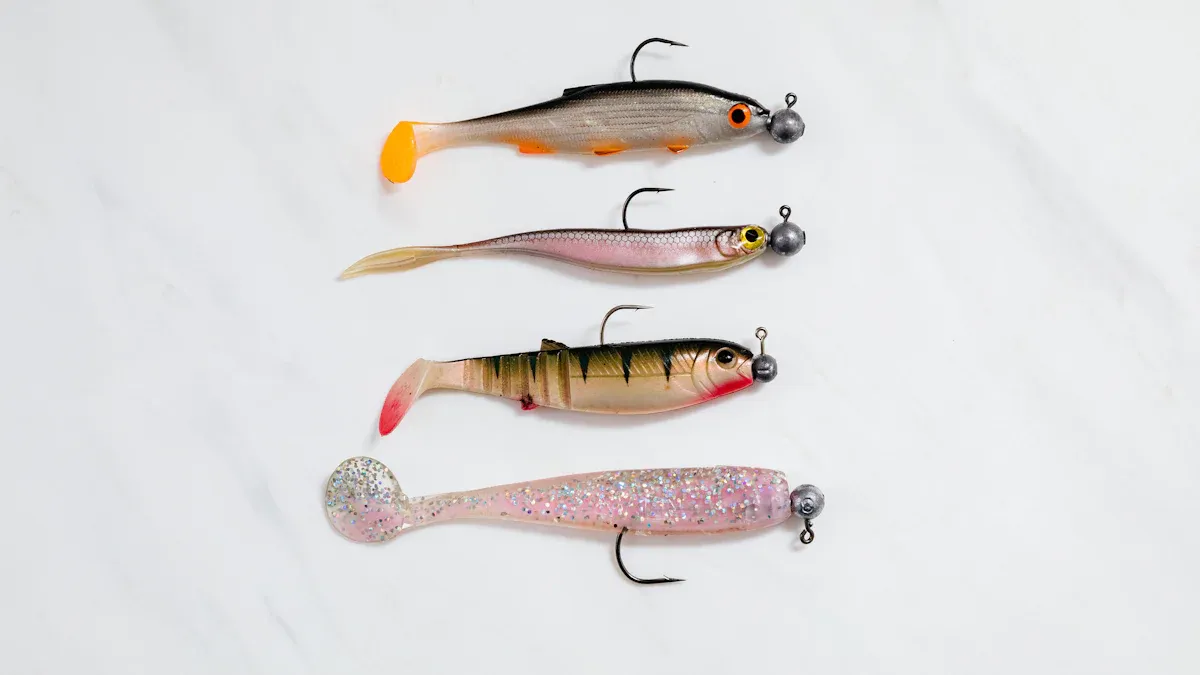
Choosing the right fishing lure is crucial, especially as seasons change. Fish behave differently depending on the time of year, which affects their feeding habits. For instance, during autumn, their appetite decreases, while in late winter, it spikes. Understanding these patterns helps you choose the right fishing lure to select the most effective options. 🌊 So, when you’re out fishing, consider environmental factors and your personal preferences. This approach will enhance your chances of success on the water!
Season | Feeding Behavior Change |
|---|---|
Autumn | Decrease in appetite |
Winter | Continued low appetite |
Late Winter | Rapid increase in appetite |
Spring | Increased appetite continues |
Key Takeaways
Choose lures based on seasonal fish behavior to increase your chances of success.
Experiment with different lure types and colors to find what attracts fish best.
Match your lure selection to water conditions like clarity and temperature for optimal results.
Avoid common mistakes like sticking to the same spot or using outdated lures.
Keep a fishing log to track which lures work best in various conditions.
Seasonal Fish Behavior
Spring Patterns
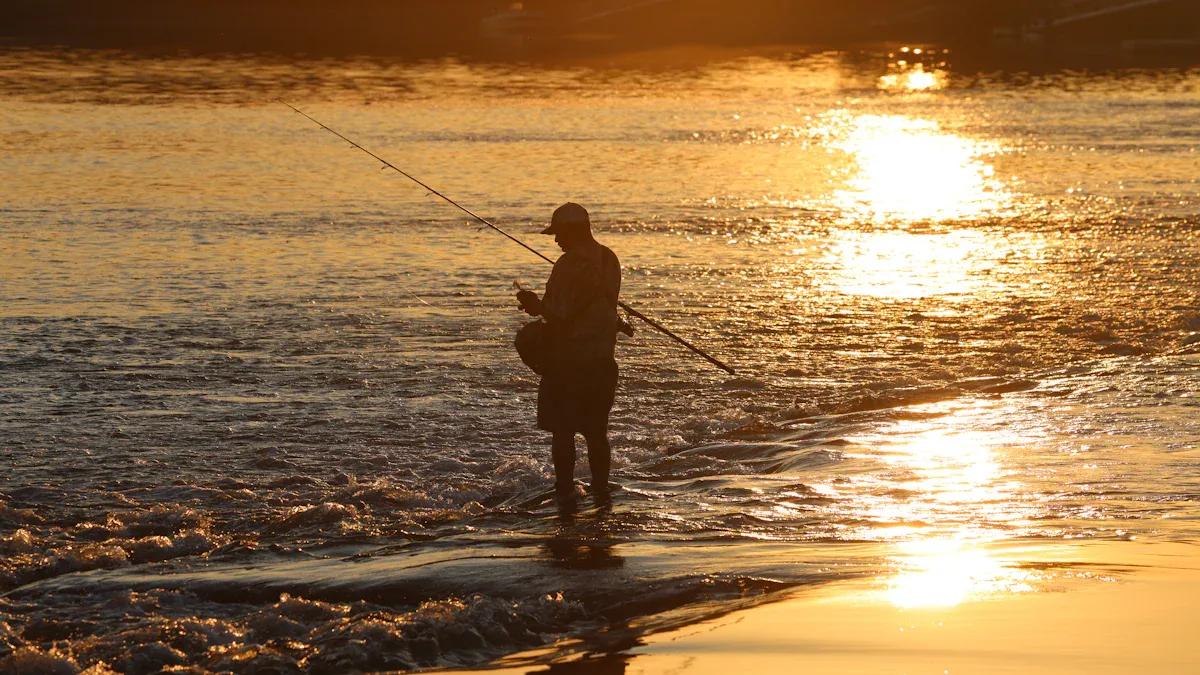
As temperatures rise in spring, fish become more active. Freshwater species like bass, pike, walleye, and panfish migrate from deeper waters to shallower areas. They seek warmer waters near the shore for spawning. You might notice them moving into rivers, lakes, or smaller streams to lay eggs in sandy or gravelly beds. This behavior enhances egg survival and makes spring a prime time for fishing.
Fish actively feed during this season.
Look for lures that mimic baitfish or insects to attract them.
Summer Patterns
Summer brings warmer water, which ramps up fish metabolism. This increase leads to more activity and feeding. However, extreme temperatures can stress fish, causing them to reduce their feeding. Different species thrive in specific temperature ranges, so pay attention to the conditions.
Fish often seek cooler, deeper waters during the hottest parts of the day.
Use lures that can withstand warmer temperatures and mimic the local forage.
Fall Patterns
In fall, fish behavior shifts again. Baitfish migrate toward warmer southern waters, prompting predators to follow. Gamefish like cobia and Spanish mackerel actively hunt these baitfish during their migration. Tidal movements also influence feeding dynamics, creating optimal conditions for predators to gather at choke points where baitfish are concentrated.
Look for lures that resemble fleeing baitfish.
This is a great time to use larger lures to attract bigger fish.
Winter Patterns
Winter brings cold water, which slows everything down. Fish metabolism drops, meaning they burn less energy and move less frequently. Instead of roaming, they hunker down and wait for opportunities. As Wheeler explains, “They slow down. Their metabolism slows down. So what they will do is minimize their daily movements, which increases opportunistic behaviors.”
During frigid periods, baitfish school tightly, and predator fish do the same.
For lure choice, opt for subtle baits that can dart and suspend naturally, like Slick Jrs or MirrOlures.
By understanding these seasonal patterns, you can choose the right lures to enhance your fishing experience throughout the year!
Choosing the Right Fishing Lure
Lures for Spring Bass Fishing
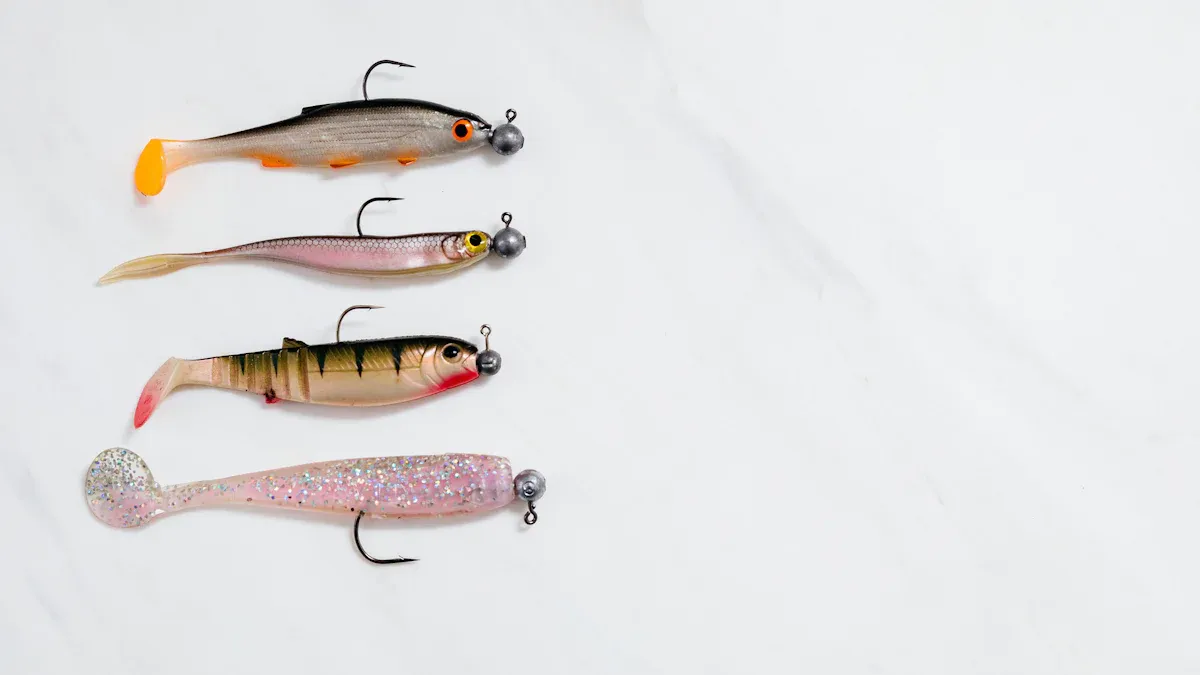
Spring is an exciting time for bass fishing. As the water warms, bass become more active and start their spawn. To choose the right fishing lure during this season, consider using:
Jerkbaits: These lures mimic injured baitfish, making them irresistible to hungry bass.
Lipless Crankbaits: They cover large areas quickly and create vibrations that attract bass.
Spinnerbaits: Perfect for murky waters, they create flashes and vibrations that grab attention.
Soft Plastic Baits: These mimic threats to nests, making them effective for flipping or pitching near bedding areas.
Jigs: A slow presentation can tempt bass into striking out of aggression.
Topwater Baits: Use these in the early morning or late evening when bass are hunting aggressively.
When selecting your lures, remember that smaller sizes work best as bass target young baitfish and insects during the pre-spawn phase.
Lures for Summer
Summer fishing can be a bit tricky due to the heat. Bass often seek cooler, deeper waters during the hottest parts of the day. Here are some of the best bass lures for summer:
Lure Type | Description | Expert Recommendation |
|---|---|---|
Floating Plastics | Mimic natural prey and navigate through dense cover. | Shaw Grigsby recommends using buzz frogs in thick vegetation for their effectiveness in enticing bass. |
Jigs and Worms | Effective for reaching bass hiding below the surface. | Mike Wurm suggests using heavy jigs to provoke aggressive strikes from bass in grassy areas. |
Spinnerbaits | Can be used over or through patchy grass and open seams. | Gerald Swindle prefers half-ounce spinnerbaits for their ability to create noise and flash in the grass. |
When choosing lures, consider the water temperature and clarity. Fish are more active in warmer waters (65-80°F), so adjust your lure colors accordingly. Bright colors work well in murky water, while natural colors shine in clear conditions.
Lures for Fall
As fall approaches, fish behavior changes again. Baitfish migrate, and predators follow. Here are some top-performing lures for fall fishing:
Rank | Angler | Lure Description | Technique Used |
|---|---|---|---|
1 | Will Harkins | Strike King KVD 1.5 Silent Crankbait (red color) | Fished on a 7’2” medium action rod with 15-pound monofilament line. |
Legacy Tackle Company Custom 3/8 ounce Finesse Jig | Fished on a 7’ medium-heavy action rod. | ||
2 | Brock Bila | Megabass Vision 110+1 Wakin Reaction Jerkbait | Fished on a 6’9” medium-fast action casting rod with 12-pound fluorocarbon line. |
Damiki Rig with Buckeye Lures Scope Head and Scope Shad (white color) | Spooled with 10-pound braided line and 6-pound fluorocarbon line. | ||
3 | Jesse Millsaps | Berkley Frittside 5 Crankbait | Fished on a 7’ medium-action casting rod with 12-pound fluorocarbon line. |
In fall, bass seek larger baitfish, so opt for lures that mimic these bigger profiles. A mix of topwater and subsurface lures works well as fish become more active.
Lures for Winter
Winter fishing can be challenging. Fish slow down and become less active, so you need to adjust your lure choices accordingly. Here are some effective lures for winter:
Slow-moving Lures: These are crucial as fish are less inclined to chase fast-moving baits. For example, using a slow-sinking lure can yield better results than a fast-moving one.
Jigs: These are particularly effective in deeper waters. A slow presentation can entice bass to strike even in cold conditions.
Soft Plastics: Opt for subtle baits that can dart and suspend naturally.
Remember, during winter, fish often feed near the bottom. So, focus on slow-moving lures that mimic the natural behavior of baitfish in cold water.
By understanding seasonal lure selection, you can significantly improve your fishing success throughout the year!
Matching Lures to Water Conditions
Water Clarity
Water clarity plays a significant role in how fish perceive lures. When you’re out fishing, consider the visibility of the water. Different clarity levels call for different lure colors to maximize your chances of success. Here’s a quick guide to help you choose the right colors based on water clarity:
Water Clarity | Effective Lure Colors | Description |
|---|---|---|
Clear Water | Silver, Light Blue, Natural Green, Transparent, Subtle Shad Patterns | Natural colors that mimic local prey for optimal visibility. |
Stained Water | Chartreuse, White, Yellow, Gold, Pearl | Slightly brighter colors that stand out while appearing natural. |
Muddy Water | Black, Dark Purple, Bright Orange, Fire Tiger | Bold, highly visible colors that create strong silhouettes. |
When fishing in clear water, opt for subtle colors that blend in with the natural environment. In stained water, brighter colors can help your lure stand out without looking unnatural. For muddy conditions, go for bold colors that create a strong silhouette, making it easier for fish to spot your lure.
Water Temperature
Water temperature significantly influences fish behavior, which in turn affects your lure selection. Fish are ectothermic, meaning their activity levels depend on the surrounding temperature. For example, walleye thrive in water temperatures between 50°F and 65°F. During this time, using natural-colored lures that mimic local baitfish can be very effective. On the other hand, cold-water species like cod prefer temperatures below 50°F, where bright-colored lures work better due to low visibility conditions.
Understanding these temperature-related behaviors helps you select the appropriate lures. If the water is warm, fish tend to be more active, so you can use faster-moving lures. In colder water, slow-moving lures that mimic the natural behavior of baitfish can yield better results.
Vegetation and Structure
Fishing in areas with heavy vegetation or structures requires specific lures designed to navigate these environments effectively. Here are some effective lure types for such conditions:
Weedless Lures: These lures are designed to prevent snagging in dense vegetation, making them ideal for bass fishing in such environments.
Fluke Rigs: Specifically modified to avoid getting caught in weeds, enhancing fishing success in heavily vegetated areas.
Spinnerbait Lures: Proven effective for targeting bass in structured water bodies, particularly where vegetation is thick.
When you’re fishing around structures like rocks, fallen trees, or thick weeds, using the right lures can make all the difference. They help you present your bait effectively while minimizing the risk of snagging.
By matching your lures to water conditions, you can significantly improve your fishing success. Remember to consider clarity, temperature, and the surrounding environment when making your selections!
Tips for Choosing the Right Bass Bait
Understanding Fish Preferences
When you’re out fishing, knowing what bass prefer can make a big difference. Bass feeding behavior changes with the seasons and water temperature. For example, in spring and fall, even a small temperature shift can lead to rapid changes in their activity. Here’s a quick breakdown of how bass behave throughout the day:
Morning: As water temperatures rise, bass become more active and feed aggressively.
Midday: During peak heat, bass retreat to cooler areas and reduce feeding activity.
Evening: As temperatures drop, bass return to shallower waters and resume feeding.
Understanding these patterns helps you choose the right bass bait for the time of day and season.
Experimenting with Lures
Don’t be afraid to mix things up! Experimenting with different lures can lead to surprising results. Try various colors, sizes, and types of lures until you find what works best. Remember, bass can get bored too! Switching up your lures or retrieval techniques throughout the day keeps things interesting for both you and the fish.
Tip: Keep a log of what lures work best in different conditions. This way, you can refine your approach over time.
Common Mistakes to Avoid
Even seasoned anglers make mistakes when selecting bass lures. Here are some common pitfalls to watch out for:
Mistake | Description |
|---|---|
Lucky Spot Syndrome | Sticking to the same spot where you caught fish before, even if conditions have changed. |
Lure Lock | Not switching up your lures or retrieval techniques throughout the day. Bass get bored too! |
Living in the Past | Relying solely on what worked in previous outings, ignoring current and upcoming conditions. |
Also, don’t overlook water conditions. Failing to match lures to current conditions can lead to poor results. Adjusting your retrieval speed can also trigger strikes when bass are less active.
By keeping these tips in mind, you’ll be better equipped to choose the right bass bait and improve your fishing success!
Choosing the right fishing lure is essential for a successful outing. Remember, understanding seasonal changes and fish behavior can significantly impact your success. Here are some key takeaways:
Adapting your lure selection aligns with the natural feeding behavior of bass.
Each season presents unique challenges and opportunities that require strategic lure choices.
Experimenting with different lures can help you discover what works best for you.
So, get out there, apply these tips, and don’t hesitate to try new lures. You might just find your next favorite fishing spot!
