Book Appointment Now

8 Best Bass Fishing Spinning Rods for 2026: Built to Fish
ByBEGUM
A bass rod needs to fit the line, lure, water, and casting style, not merely look impressive on a rack. Compact lake anglers, bank fishers, and trophy hunters face very different handling demands. I narrowed these eight options by rod purpose, construction, transportability, and fit for bass fishing.
A Side-By-Side Look
PickWhy We Picked ItBest ForAction
Travel Ready
Tenkara USA Amago Tenkara Rod 13.5 ft
Long reach in a compact rod
Travel anglers needing reach
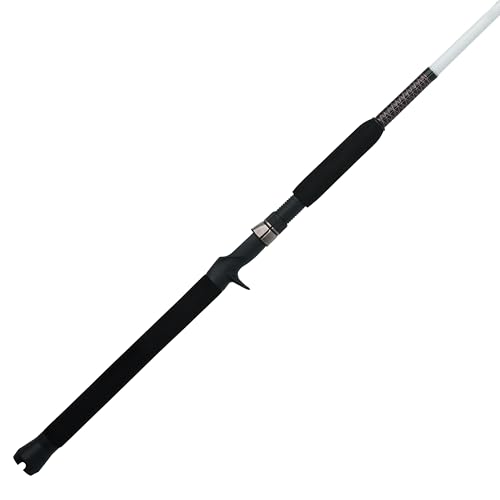
Durable Option
Ugly Stik 5’6 Medium Spinning Rod
Compact steel-guide construction
Close-range light tackle

Traveler’s Choice
Tenkara USA Ukiyo Fly Fishing Rod 9 ft 10 in
Featherweight packable reach
Small streams and backpacking

Flexible Favorite
Tenkara USA SATOKI Adjustable Fly Rod
Three usable rod lengths
Anglers moving across varied water

Performance Leader
KastKing Verus Technique Twin-Tip Bass Rod
Graphite sensitivity and backup tip
Dedicated bass anglers

Heavy Duty Pick
KastKing Megatron 100 and 200 Baitcasting Reels
High line capacity for large lures
Heavy baitcasting setups

Balanced Choice
Daiwa Ninja X SF 3-Part Spinning Rod
Portable three-section balance
Travel and moderate lure use

Everyday Favorite
KastKing Perigee II Spinning and Casting Rods
Accessible two-piece versatility
New anglers and everyday fishing
The Details Behind The Selections
Reaching farther from shore matters on open water, and the Amago extends to 13.5 feet while packing into ten sections measuring 21.124 inches. That makes it a travel-led choice rather than a conventional bass spinning rod. Anglers chasing trout in remote water may appreciate its reach and reduced glare finish.
The medium action and grip-shaped handle point toward delicate presentations rather than heavy bass coverts. Compared with the shorter Tenkara USA Ukiyo, this model trades compactness for much more casting reach. It suits anglers willing to change fishing methods.
A Strong Showing
- Ten sections collapse to a packable 21.124 inches.
- Its 13.5-foot extension improves line control at distance.
- The matte finish reduces reflected light on the water.
- The extended handle adds balance and grip leverage.
Small Caveats
- Tenkara construction targets light fish rather than heavy bass lures.
- Segment joints need careful drying and storage to prevent trapped moisture.
Quick Facts
Built With In Mind
Long-distance trout anglers, backpackers, and lightweight-tenkara fans benefit most from the high reach and compact storage.
Another Choice May Suit
KastKing Verus Technique Twin-Tip Bass Rod is a better fit for anglers casting heavier bass lures near structure.
A 5-foot, 6-inch rod is easy to control under a dock, around a boat, or beside close shoreline cover. The Ugly Stik source information points to a medium-power setup with stainless steel guides, EVA grips, and a rubber gimbal. Those details favor durability and secure handling over long casting distance.
For small bass and light lures, that compact profile may feel natural. The listing is less clearly dedicated to modern bass fishing, and its listed 6- to 15-pound rating may exceed the comfortable range for the lightest tackle. Compared with the Daiwa Ninja X SF, it offers less reach but a simpler close-range setup.
Real Benefits
- The 5-foot, 6-inch length simplifies casts around structure.
- Stainless steel guides add a durable contact point for line.
- EVA grips and a rubber gimbal improve control during active fishing.
Details To Watch
- The medium-power action may feel heavier than needed for tiny swimbaits.
- The 6- to 15-pound rating requires careful line pairing to avoid an overly stiff setup.
Essential Details
The Right Fit
Close-range anglers fishing docks, brush piles, and small pockets benefit from its short profile and medium action.
Reach For A Different Pick When
Daiwa Ninja X SF 3-Part Spinning Rod is a better fit for open-water anglers who need more casting reach and lighter transport weight.
The Ukiyo is built around the opposite problem from a full-size bass rod: carrying useful reach into places where every inch matters. It extends to 9 feet 10 inches and collapses to 14.5 inches, making it a compact option for backpacking and travel. Its stated weight of 2 ounces helps keep a pack light.
That makes it a strong fit for small streams and trout, not heavy bass presentations. Compared with the Tenkara USA Amago, the Ukiyo is shorter and lighter at extension, but it sacrifices reach for easier packing. For a dedicated bass setup, the KastKing Verus Technique offers a much more relevant starting point.
Positive Points
- The 14.5-inch packed length fits easily into travel gear.
- A 9-foot, 10-inch extension provides useful reach without a full-size rod footprint.
- The stated 2-ounce weight keeps it practical for hiking and backpacking.
Honest Caveats
- Its tenkara and fly-fishing purpose is not a close match for heavy bass tackle.
- Extended sections need careful handling and drying before storage.
Made For
Backpackers and small-stream trout anglers who value low packed weight over bass-lure capacity benefit most.
Look Elsewhere When
KastKing Perigee II Spinning and Casting Rods is a better fit for anglers beginning a dedicated bass setup.
The SATOKI changes length across 10 feet 8 inches, 12 feet 2 inches, and 13 feet 7 inches, giving one rod three working positions. That flexibility helps an angler move from a small bend to a larger stream or stronger fish. The shorter setting also improves maneuverability in confined water.
Compared with the Ukiyo, this rod offers greater length and strength but is less naturally compact. Its adjustable construction remains more aligned with tenkara and fly fishing than with bass spinning tackle. Anglers chasing larger fish in open water may find the three-length design useful, provided the terminal tackle matches the intended method.
Noteworthy Benefits
- Three lengths handle different casting and maneuvering needs.
- The 10-foot, 8-inch setting stays manageable in tighter water.
- The 13-foot, 7-inch setting adds reach for larger fish and wider water.
Trade-Offs
- Multiple joints create more connection points to inspect and dry.
- Its primary design is not a heavy-lure bass spinning setup.
Who It Suits Best
Tenkara anglers moving between small streams and larger waters benefit from the adjustable reach.
A Better Fit Elsewhere
KastKing Verus Technique Twin-Tip Bass Rod is a stronger match for anglers targeting bass around cover with artificial lures.
The Verus Technique is the most directly aligned with bass fishing in this group. Its 36-ton IM7 graphite blank is designed for a lightweight rod that can still handle power, while reinforced sections support sensitivity and strength. The twin-tip arrangement includes an interchangeable tip, giving anglers a backup when a delicate presentation needs a different balance.
Compared with the Daiwa Ninja X SF, this model focuses more directly on bass applications and heavier lure control. The trade-off is less travel economy, especially where a three-piece layout is easier to pack. It is a stronger choice for an angler who wants one rod to handle finesse plastics and power retrieves around structure.
The Value In It
- High-modulus graphite helps transmit subtle movement from the line and lure.
- The backup tip allows setup changes without replacing the entire rod.
- Twin-tip design suits both spinning and casting-oriented bass setups.
- Graphite construction supports a light feel during long casting sessions.
Less-Strong Areas
- Specific lure ratings and piece count are not supplied in the provided data.
- Twin-tip joints require careful alignment and dry storage.
Technical Highlights
Who Will Love This
Anglers fishing bass around rocks, timber, and heavy cover benefit from its sensitive graphite platform and twin-tip flexibility.
Swap It Out When
Daiwa Ninja X SF 3-Part Spinning Rod is a better fit for anglers who prioritize three-section transport and a listed 8.04-foot length.
These are reels, not spinning rods, so their place in a spinning-rod roundup is limited. The Megatron 200 is aimed at larger swimbaits, deep crankbaits, and other demanding retrieves, with a stated capacity of 130 yards of 17-pound monofilament. That capacity matters when an angler needs control without stopping frequently to refill the spool.
Compared with the lightweight Daiwa Ninja X SF, this setup is built for a different casting style and much heavier presentations. It is a useful companion for a power rod, not a substitute for one. The 100 and 200 versions also differ in size, so matching the reel to the rod’s lure rating remains essential.
Useful Highlights
- The 200 model offers substantial line capacity for long retrieves.
- The wider frame and larger spool suit demanding baitcasting applications.
- Low-profile construction keeps the reel closer to the rod handle.
Practical Considerations
- It does not provide a rod and therefore cannot replace a bass spinning rod.
- Baitcasting reels require spool-level control and regular line inspection.
Built With In Mind
Anglers casting large swimbaits and deep crankbaits benefit from the 200 model’s line capacity and heavier retrieve focus.
A Better Fit Elsewhere
KastKing Verus Technique Twin-Tip Bass Rod is the better rod choice for bass anglers who need a dedicated spinning or casting blank.
The Ninja X SF combines a full 8.04-foot casting length with a packed length of 41.7 inches, making it easier to carry than a two-piece rod of similar length. Its three sections and 150-gram weight give it a practical balance for travel and long days on the water. The listed casting range of 15 to 50 grams is the most important fit detail here.
That range covers lighter lures and moderate presentations rather than heavy swimbait work. Compared with the Ugly Stik 5’6, it offers more reach and a clearer three-section travel format. Compared with the Verus Technique, it is more explicitly transportable, though the available data does not establish the same bass-specific tip system.
A Few Strong Suits
- The 2.45-meter length provides useful reach for open water.
- Three sections reduce the packed length to 106 centimeters.
- The 15- to 50-gram range fits many light and moderate bass lures.
Things That May Matter
- Its listed power may feel light for heavy brush-penetration lures.
- Section joints should be checked for alignment after transport.
At A Glance
Right Fit For
Travel-oriented anglers casting lighter bass lures benefit from its three-section format and measured power range.
Where A Sibling Pick Shines
KastKing Verus Technique Twin-Tip Bass Rod suits anglers prioritizing bass-specific tip flexibility and heavier lure applications.
The Perigee II is positioned as an accessible two-piece option for anglers building a first bass setup or keeping the rod list simple. Its spinning and casting versions give users a choice of tackle style without chasing highly specialized equipment. For a weekend lake or a local pond, that straightforward approach can be more useful than carrying several specialized rods.
Compared with the Daiwa Ninja X SF, the two-piece layout may be simpler to assemble but less convenient to transport. Compared with the Verus Technique, this model appears aimed at accessibility rather than premium tip versatility. Specific length, power, and material details are not included here, so lure pairing should be checked on the listing before committing.
The Upside
- Spinning and casting options support different tackle preferences.
- Two-piece construction suits anglers who value a simple setup.
- The accessible positioning fits beginner and everyday fishing plans.
Points To Note
- Two-piece rods are less compact than three-section travel models.
- Missing length and power details make lure matching less certain.
Feature Snapshot
Whose Shelf It Belongs On
New anglers and weekend anglers need a straightforward first rod rather than a highly specialized backup setup.
Skip It When
Daiwa Ninja X SF 3-Part Spinning Rod is a better fit for anglers who regularly travel and need a shorter packed length.
What Matters Before Choosing a Bass Rod
A bass rod’s power should match the lure. A light rod feels more delicate with smaller plastics, while a heavier blank helps control swimbaits and worms pulled through timber. The rod’s listed casting range gives a clearer starting point than broad terms such as “fast” or “heavy.”
Length changes the work between the angler and the fish. A compact rod offers control near docks and vegetation, while a longer rod improves casting distance and line control. Three-piece models also reduce packed length, which matters for anglers moving between lakes.
Handle balance deserves attention during long sessions. A balanced rod reduces wrist fatigue and makes it easier to react to a bite without forcing the tip into the blank. Grip material and reel-seat fit should feel secure in wet conditions.
The reel still matters. A spinning reel pairs naturally with a spinning rod, while a baitcasting reel needs a compatible rod and careful spool control. Matching these components prevents an otherwise capable rod from handling poorly.
Avoiding Common Rod Mistakes
A rod that feels too stiff can make subtle strikes difficult to feel, especially with light line. A rod that feels too light may load poorly under a heavy lure. Match the listed lure range to the tackle instead of relying on a rod’s general reputation.
Where The Extra Money Goes
Higher-tier rods often use more advanced graphite, refined guides, and multi-piece construction. Those features can improve sensitivity, portability, and durability, but they matter most to anglers who fish often or use demanding tackle. A simpler two-piece rod remains sensible for occasional weekend fishing.
Frequently Asked Questions
What length bass rod is easiest to control?
A shorter rod generally offers better control around docks, trees, and other cover. A longer rod provides more reach and casting distance, so the best length depends on water access and lure weight.
Should a beginner choose a medium-power bass rod?
A medium-power rod offers a practical middle ground for many common bass lures. Light-plastic anglers may prefer a faster-feeling rod, while heavy swimbait fishing calls for more strength.
Are three-piece bass rods easier to transport?
Three-piece rods collapse into a shorter package, which helps with travel and storage. More sections also mean more joints to inspect, align, and keep dry between trips.
Is a casting reel compatible with a spinning rod?
No. A casting reel belongs on a casting rod, while a spinning reel requires a spinning rod. The reel seat, handle position, guides, and rod balance are designed for different tackle systems.
What matters most in a bass spinning rod?
Lure compatibility comes first, followed by length, balance, and sensitivity. A rod that suits the lure and remains comfortable during repeated casts is usually more useful than one built around a single impressive-sounding feature.
Closing Remarks
The most relevant choices here are the KastKing Verus Technique for bass-focused casting and the Daiwa Ninja X SF for lighter lure use with three-section transport. The Tenkara models and Megatron reel have different fishing purposes, so I would treat them as specialized companions rather than direct spinning-rod substitutes. Match the rod to the lure, then choose the length that fits the water and the travel plan.
