Book Appointment Now

8 Best Bass Fishing Flies for 2026
ByBEGUM
Choosing the wrong fly can turn a productive day on the lake into a quiet one, especially for anglers matching a bass’s preferred depth, current, and surface activity. I favor compact assortments that cover multiple presentations without requiring a deep understanding of every pattern. The eight choices below span dry flies, wet flies, nymphs, streamers, and surface lures for anglers targeting bass, trout, panfish, and other freshwater species.
The Choices Worth Comparing
PickWhy I Picked ItBest ForAction
Flexible Favorite
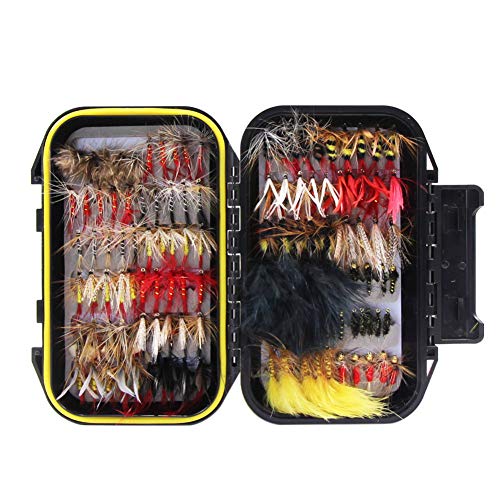
Croch 120-Piece Dry and Wet Fly Set
Broad pattern and size coverage
Anglers building a full fly box

Classic Pattern Pick
The Fly Fishing Place Royal Wulff Set of 6
Recognizable floating attractor pattern
Trout, bass, and panfish

Streamline Favorite
Feeder Creek 12-Piece Woolly Bugger Set
Sinker coverage for moving water
Trout and bass anglers

Surface Action Pick
TRUSCEND Topwater Fishing Lure Kit
Rotating-tail surface disturbance
Bass and other surface feeders

Surface Action Pick
SAFETAO Topwater Crawler Dragonfly Lure
Erratic insect-style surface action
Shallow-water bass fishing

Nymph Selection Pick
The Fly Fishing Place Bead Head Pheasant Tail Set
Three practical nymph sizes
Trout, bass, and panfish anglers
Baitfish Imitation Pick
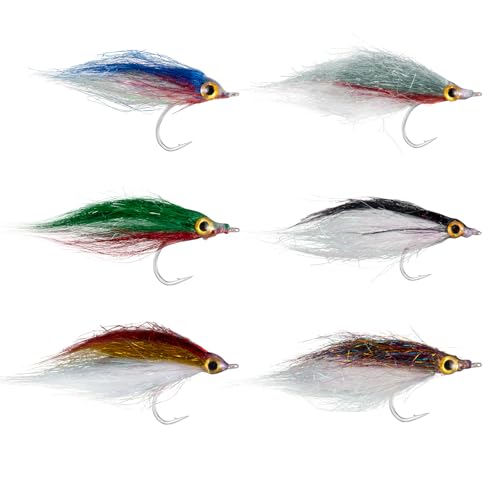
Dr.Fish 6-Pack Wounded Minnow Flies
Slow-sinking wounded-baitfish profile
Trout, bass, and salmon fishing

Dry-Fly Variety Pick
Feeder Creek 12-Piece Black Gnat Set
Versatile floating insect patterns
Freshwater trout and bass fishing
The Details Behind The Selections
Croch packs considerable variety into one fly box, with 120 pieces spanning 21 styles and six hook sizes. For a new angler building a first box, that range reduces the need to assemble every pattern separately. The included dry and wet assortment also makes sense for trips where water depth and fish activity may change quickly.
The five file groups indicate multiple ways the flies are organized, while sizes #6 through #16 cover finer dry-fly work and larger wet patterns. The aquatic-insect themes resemble mayfly, caddisfly, and stonefly material, making the box more versatile than a single-purpose attractor assortment.
Key Advantages
- Twenty-one designs provide choices across varied water conditions.
- Six hook sizes support different fish and presentation demands.
- The 120-piece count offers a substantial starting inventory.
- Dry and wet formats cover both surface and subsurface fishing.
Trade Offs
- The broad assortment may contain more patterns than a focused trip requires.
- Loose hooks can tangle, so a compartmented waterproof fly box remains useful.
Quick Facts
Built With In Mind
This box suits beginners and traveling anglers who want numerous bass and trout options in one place.
A Better Fit Elsewhere
Anglers seeking one dependable dry pattern may prefer The Fly Fishing Place Royal Wulff Set of 6.
A Royal Wulff concentrates on a recognizable floating profile rather than attempting to imitate one exact insect. I find that useful around pocket water, broken currents, and mixed hatches, where a highly visible attractor can be easier to follow than a delicate imitation. It remains a practical dry fly for bass, trout, and panfish.
Each fly uses a size 14 hook, and the six-piece count is easy to carry in a compact box. Unlike the Croch 120-Piece Dry and Wet Fly Set, this option keeps the selection focused, which may suit an angler who already owns a full assortment and needs a dependable surface pattern.
Real-World Strengths
- The floating attractor profile remains visible in moving water.
- Hairwing construction gives the fly a substantial surface presence.
- Six size 14 flies offer a simple, repeatable presentation.
- The same pattern works across three stated fish groups.
Small Caveats
- It does not reproduce the depth range of a wet fly or nymph.
- Repeated use can compress or wet the hair, so drying after outings helps preserve its shape.
At A Glance
Who It Suits Best
This set favors anglers fishing pocket water, mixed hatches, and places where surface visibility matters.
Another Choice May Suit
Anglers targeting fish below the surface may prefer Feeder Creek’s 12-Piece Woolly Bugger Set.
Woolly Buggers serve as wet streamers, weighted flies that sink below the surface and move with current and retrieve. Feeder Creek’s 12-piece assortment includes black and brown bead-head examples, giving anglers two dependable color families for stained water, shaded banks, and fish feeding below the film. The bead head helps the fly enter the water column without demanding an extremely fast strip.
Compared with The Fly Fishing Place Royal Wulff Set of 6, this is the more effective choice for pockets, seams, and submerged structure. I would keep this assortment separate from delicate dry flies in the box, since loose fibers and hooks can tangle with more fragile patterns.
Where It Excels
- Black and brown bodies cover common low-light choices.
- Bead heads add weight for controlled subsurface presentation.
- Twelve flies provide a useful mix for repeated fishing days.
- The streamer profile reaches depths that surface flies cannot.
Practical Considerations
- Wet flies are more likely to tangle after long submerged retrieves.
- Pattern range is narrower than the larger Croch assortment.
Made For
This assortment is well suited to trout and bass anglers fishing streams, rivers, and shadowed lake edges.
Where A Sibling Pick Shines
Anglers fishing calm surface films may find Feeder Creek’s 12-Piece Black Gnat Set more suitable.
TRUSCEND’s kit belongs in the surface-lure category rather than the fly-only group, but that distinction makes it useful during a bass trip when fish are visibly working the top. A rotating tail and plopper-style body create surface vibration, while the treble hooks are positioned to engage during a strike or side swipe. Depending on the water, a steady stop-and-go retrieve may produce more disturbance than a continuous pull.
The stated use spans freshwater and saltwater, with bass, pike, and catfish listed as targets. Anglers focused on delicate insect imitation should choose one of the fly sets instead, since the hard-bodied lure creates a very different signal than a floating fly.
Reasons It Performs
- The rotating tail resists rolling during surface movement.
- A double-loop head connection supports the lure’s working movement.
- High-contrast patterns remain noticeable from a typical shoreline position.
- The floating presentation covers bass and other surface-oriented fish.
Things To Consider
- Treble hooks demand careful handling around fingers and clothing.
- Surface lures can lose their action around heavy vegetation.
- This choice does not imitate a natural fly as closely as the fly-focused sets.
Who Will Love This
This kit suits bass anglers fishing calm water during periods of visible surface feeding.
Swap It Out When
Anglers who only carry fly patterns will find The Fly Fishing Place Basics Bead Head Pheasant Tail Set more coherent.
The SAFETAO Topwater Crawler is built around a walking presentation that resembles a dragonfly moving over the surface. Its stated length is 3.2 inches and its weight is 0.3 ounces, giving it enough body to be visible without moving like a much larger lure. I can see the appeal during early mornings, calm shorelines, and places where bass feed on insects above the water.
This is another surface-lure option rather than a conventional fly. Compared with TRUSCEND’s plopper-style kit, it offers a more insect-shaped silhouette, which may be preferable around pressured fish that ignore louder surface disturbance. The walking action still depends on a clean path and a steady retrieve.
Good Reasons To Consider
- The walking profile creates surface movement without constant noise.
- Dragonfly styling fits ponds and quiet lake margins.
- The 3.2-inch size works around light surface cover.
- The lure can be retrieved with pauses and small surface steps.
Possible Compromises
- Walking lures are difficult to use consistently in strong wind.
- The insect appearance is less useful in heavy surface chop.
- Anglers seeking a boxed fly assortment should look elsewhere.
Best Suited To
This lure favors anglers targeting bass in calm, shallow water during quiet surface conditions.
Reach For A Different Pick When
Anglers fishing pocket water may prefer The Fly Fishing Place Royal Wulff Set of 6.
These bead-head Pheasant Tail nymphs give the angler three hook sizes for matching fish across different water conditions. A nymph is a subsurface imitation, and the bead helps move it below the surface rather than leaving it in the top layer. Hooks 14, 16, and 18 provide a useful progression from larger food imitations to finer presentations for trout, bass, and panfish.
The assortment includes standard Pheasant Tail, Flashback Pheasant Tail, and Soft Hackle Pheasant Tail versions. That gives it more purpose than a single-pattern pack, while the focused count of 10 remains easier to organize than the Croch 120-Piece Dry and Wet Fly Set.
What It Does Well
- Three hook sizes allow presentation changes without switching pattern families.
- Bead heads help the nymphs sink into productive water.
- Three related patterns support varied retrieves and conditions.
- The ten-fly count works well for building a compact nymph box.
Points To Note
- Small hooks can be harder to see during long drifts.
- Wet nymphs need careful storage because moisture can damage feather and thread materials.
Feature Snapshot
The Right Fit
This set suits trout and panfish anglers who fish subsurface drifts and want several sizes of a proven nymph family.
Consider Something Else When
Anglers seeking a large all-pattern collection may prefer Croch’s 120-Piece Dry and Wet Fly Set.
Wounded-minnow patterns use a slowly sinking baitfish profile to imitate a small fish that has been injured or is no longer swimming normally. The ice-dub body adds translucent texture, while the offset hook and three-dimensional eyes give the fly a fishlike outline. That combination may appeal during cool-water periods or whenever bass focus on small forage fish rather than insects.
The set contains six flies, so it is a focused supplement rather than a complete fly box. Compared with the 12-piece Feeder Creek Woolly Bugger assortment, Dr.Fish offers a more specific baitfish imitation and a different sinking profile. The black-nickel coating on the high-carbon steel hooks is also listed as corrosion resistant, which matters during repeated wet use.
Useful Strengths
- Slow sinking suits forage presentations below the surface.
- Three-dimensional eyes improve the baitfish outline.
- Ice-dub material gives the body a textured, translucent appearance.
- The six-fly pack is easy to carry for a focused baitfish trip.
Less Ideal Details
- The small count limits pattern variety.
- Offset hooks can catch clothing or brush while the angler is changing flies.
Who Should Grab It
These flies suit anglers targeting trout, bass, steelhead, or salmon in water where small baitfish are active.
Where Another Pick Suits Better
Anglers fishing aquatic insects beneath the surface may prefer The Fly Fishing Place Bead Head Pheasant Tail Set.
Black Gnat patterns imitate a small dark insect on the surface, making them a practical choice for anglers moving between trout streams and bass water. The dry presentation creates a visible target during calm periods, while a deliberate drift can place the fly near pockets and feeding lanes. The listed sizes span 10 through 20, which gives the assortment a broad selection for different fish and water conditions.
The flies are described as hand-tied with feathers and thread, and the set contains 12 patterns. Compared with the six Royal Wulff flies, this package offers more quantity and a wider stated size range, though its black-gnat silhouette is less broadly attractive than a bright hairwing pattern.
The Helpful Details
- Twelve flies provide more quantity than a small focused set.
- Sizes 10 through 20 cover a wide range of presentation scales.
- The dark insect profile works well against light water and foam.
- Dry construction gives anglers a surface-based alternative to nymphs and streamers.
Worth Bearing In Mind
- Dry flies need reliable flotation, so damaged or waterlogged feathers can reduce performance.
- The small insect profile may be less visible than a larger attractor in chop.
Core Details
Whose Shelf It Belongs On
This assortment fits freshwater anglers who want a compact dry-fly box for trout, bass, salmon, and similar fish.
Look Elsewhere When
Anglers seeking multiple weighted patterns will find Feeder Creek’s 12-Piece Woolly Bugger Set more useful.
Matching Flies to Water and Fish Behavior
Match the fly to the water column
A dry fly stays at or near the surface, while a wet fly or nymph works below it. Bass often move between those zones during a single outing, so a compact assortment that covers both ends of the water column can be more useful than a collection of similar surface patterns.
Choose patterns by conditions
Moving water calls for flies that can be drifted naturally, whereas still water benefits from patterns with a visible silhouette or a sinking profile. Dark flies can be easier to see against foam and pale water, while bead-head patterns add weight for faster sinking. I also match hook size to the fish and the apparent size of the food in the water.
Account for storage and maintenance
Wet flies and nymphs should be separated from dry patterns in a compartmented box so moisture does not soften delicate materials. Loose hooks need a firm closure and enough empty space to avoid tangling. After a fishing trip, I let wet flies air-dry before reorganizing the box, since trapped moisture can affect feather shape and thread condition.
Match the presentation to the target
An attractor fly is designed to be seen, while an imitation tries to resemble a specific insect, nymph, or baitfish. Largemouth bass in clear water may respond better to a natural profile, while fish in stained water may respond to contrast and movement. A surface walker or topwater lure belongs in the same outing when fish are visibly active, even though it is not technically a fly.
Choosing a Flies Box That Fits the Trip
Common Shopping Slip Ups
A large assortment can look appealing but still leave important water zones uncovered. I compare the count with the range of sizes and patterns, then check that the box actually suits the intended stream, pond, or lake. Loose storage and wet-dry mixing can ruin an otherwise sensible selection.
What Separates Premium From Basic
Higher-priced fly sets may provide more consistent tying, finer materials, better hooks, or a more focused pattern selection. The extra value is strongest for frequent anglers who replace damaged flies and recognize which patterns fit their water. A beginner may gain more from a balanced low-cost assortment than from a premium box of one favorite pattern.
Frequently Asked Questions
Are bass fishing flies different from trout flies?
Many patterns work for both fish because bass and trout share similar prey. Bass often respond well to larger streamers, surface lures, and baitfish imitations, while trout commonly take dry flies and nymphs.
What is the best fly type for bass?
The best type depends on water depth and activity. Surface patterns fit visible feeding, wet flies reach submerged forage, and baitfish imitations suit cooler conditions or active predatory fishing.
How many flies should a beginner carry?
A compact assortment with several sizes and water-column options is generally more useful than a large group of nearly identical flies. Ten to twenty well-chosen patterns provide room to adapt without creating an unmanageable box.
Are dry flies effective for bass?
Dry flies can produce fish during periods when bass feed on insects at the surface. Their success depends heavily on calm water, visible surface activity, and a clean presentation.
How should wet flies be stored?
Wet flies belong in a divided fly box away from dry patterns. Allowing them to dry after use helps preserve feather shape and reduces moisture transfer between compartments.
Final Thoughts
For bass, a dependable fly box needs more than one attractive pattern. I favor a mix of dry, wet, nymph, streamer, and baitfish options, then add a surface lure for active shallow water. The Croch set offers the broadest starting inventory, while the focused Royal Wulff, Woolly Bugger, Pheasant Tail, Wounded Minnow, and Black Gnat sets serve more particular conditions. Choose the pattern that matches the water column, then adjust size, drift, and retrieve to the fish in front of me.
