Book Appointment Now

Top 10 Safety Tips for Kayak Fishing
ByIMRAN
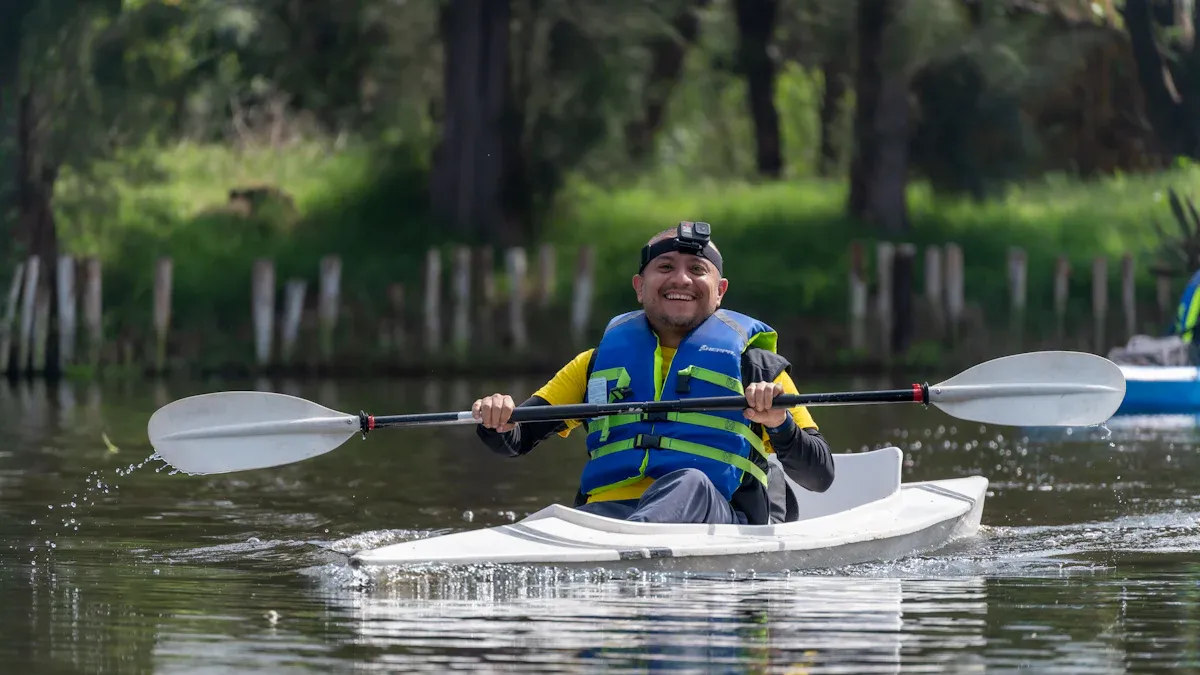
Kayak fishing can be an enjoyable adventure, but safety must come first. Many people participate in paddlesports, with hazardous water conditions being the leading cause of accidents. To enhance your experience, you should prepare and stay aware of your surroundings. Here are some essential safety tips to remember as you embark on your next fishing trip.
Key Takeaways
Always wear a properly fitted personal flotation device (PFD) to stay safe in case of capsizing.
Check weather conditions before heading out. Avoid fishing if storms are expected or visibility is low.
Carry a well-stocked first aid kit to handle minor injuries and emergencies while on the water.
Safety Gear
Personal Flotation Devices (PFDs)
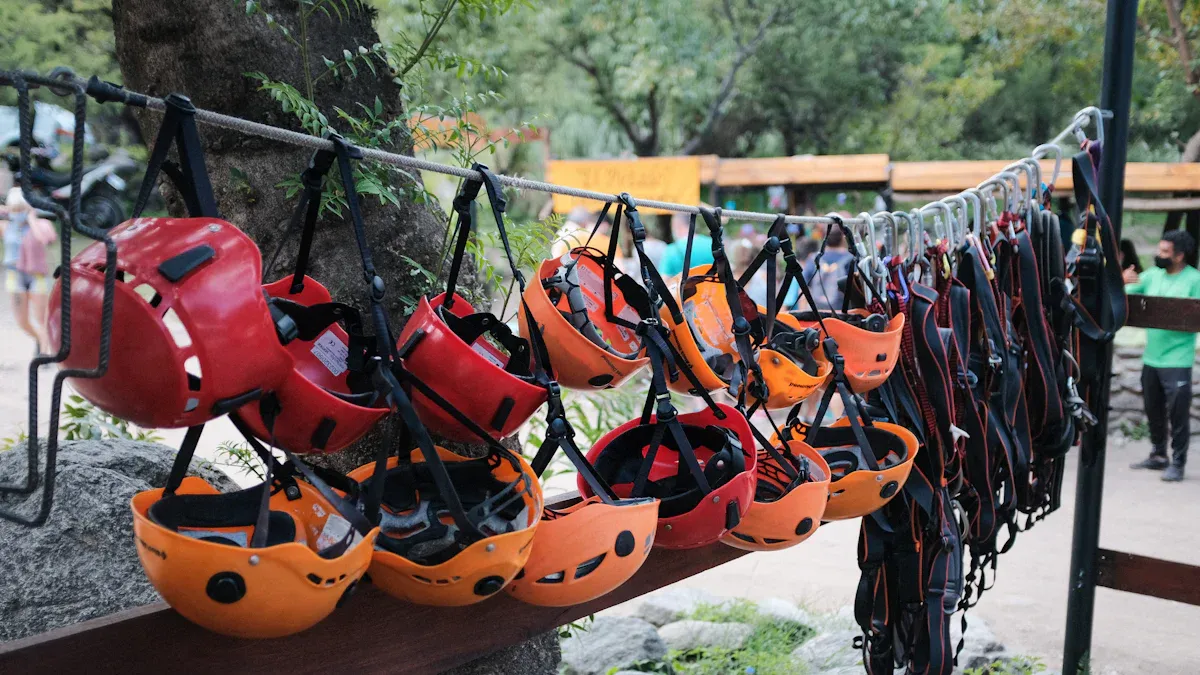
Wearing a PFD is one of the most crucial safety tips for kayak fishing. A PFD keeps you afloat if you capsize or fall into the water. It is essential to choose the right type of PFD based on your kayaking environment. Here’s a breakdown of recommended PFD types:
PFD Type | Intended Use | Features |
|---|---|---|
Level 50 PFDs | For competent swimmers in specific water sports like kayaking | Designed for mobility with quick rescue expected. |
Level 70 PFDs | For calm, inland waters where fast rescue is likely | Offers freedom of movement and comfort, can help keep wearers face-up in water. |
Level 100 PFDs | For rough or remote waters where rescue may take longer | Provides the most buoyancy, can turn unconscious individuals face-up. |
Throwable PFDs | Emergency flotation devices meant to be thrown to conscious individuals | Not meant to be worn, examples include life rings and buoyant cushions. |
Special Use PFDs | Intended for specific activities like kayaking, must be worn at all times | Includes varieties like kayaking and windsurfing vests, must be used as specified on the label. |
Always check local regulations regarding PFDs. Many regions require each person on board to wear a properly sized and approved PFD. This requirement ensures your safety while enjoying kayak fishing.
First Aid Kits
Accidents can happen, even during a fun day of fishing. Having a well-stocked first aid kit is essential for addressing minor injuries or emergencies. Here are some essential items to include in your first aid kit for kayak fishing:
Assorted size bandages
Butterfly wound closure strips
Steri-strips
Sterile gauze pads
Q-tip
New-skin liquid bandage
Alcohol prep pad
Medical tape/dermabond/topical skin adhesive
Small tweezers
Razor blade
Safety pins
Ibuprofen/OTC pain reliever
Benadryl/antihistamine
Insect sting relief
Neosporin
Additionally, consider including items like electrical tape, sunscreen, and allergy tablets. These can help you manage various situations that may arise while out on the water. Always check your first aid kit before heading out to ensure you have everything you need.
By prioritizing safety gear like PFDs and first aid kits, you can enjoy your kayak fishing trips with peace of mind. Remember, preparation is key to a safe and enjoyable experience on the water.
Weather Awareness
Checking Weather Conditions
Before you head out for kayak fishing, always check the weather. Understanding the forecast can help you avoid dangerous situations. Here are some best practices to follow:
Always check the weather forecast, including wind conditions.
If the weather looks nasty, consider skipping your trip or plan to return before any storms arrive.
If you’re in doubt, don’t go out.
Weather-related hazards can affect your safety on the water. For example:
Rain can create slippery surfaces and reduce visibility.
Wind can make your kayak unstable, increasing the risk of capsizing.
Visibility conditions like fog can obscure your view, making navigation difficult.
Understanding Water Currents
Understanding water currents is vital for your safety while kayak fishing. Here are some methods to help you navigate currents effectively:
Reading the River: Analyze the current for obstacles and hazards to find the safest path.
Ferrying: Cross the current at an angle to maintain control.
Edging and Leaning: Tilt your kayak for better maneuverability and stability.
Using Eddies: Enter calm water areas to rest and change direction.
Bracing for Stability: Use your paddle to prevent capsizing in rough conditions.
Strong currents can increase the risk of capsizing. Foot entrapment in swift currents poses a significant danger, as it can lead to drowning if you become pinned underwater. Always be aware of your surroundings and the conditions of the water.
To help monitor weather conditions, consider using these apps:
App Name | Features |
|---|---|
FishWeather | Offers data from 50,000 weather stations, including wind direction and water conditions. |
FishTrack | Provides satellite imagery, water temperature charts, currents, tides, and marine forecasts. |
Windy.app | Specializes in wind and water sports, includes wave direction, height, and detailed forecasts. |
By staying informed about weather conditions and understanding water currents, you can enhance your safety while enjoying kayak fishing.
Visibility and Communication
Bright Colors and Reflective Gear
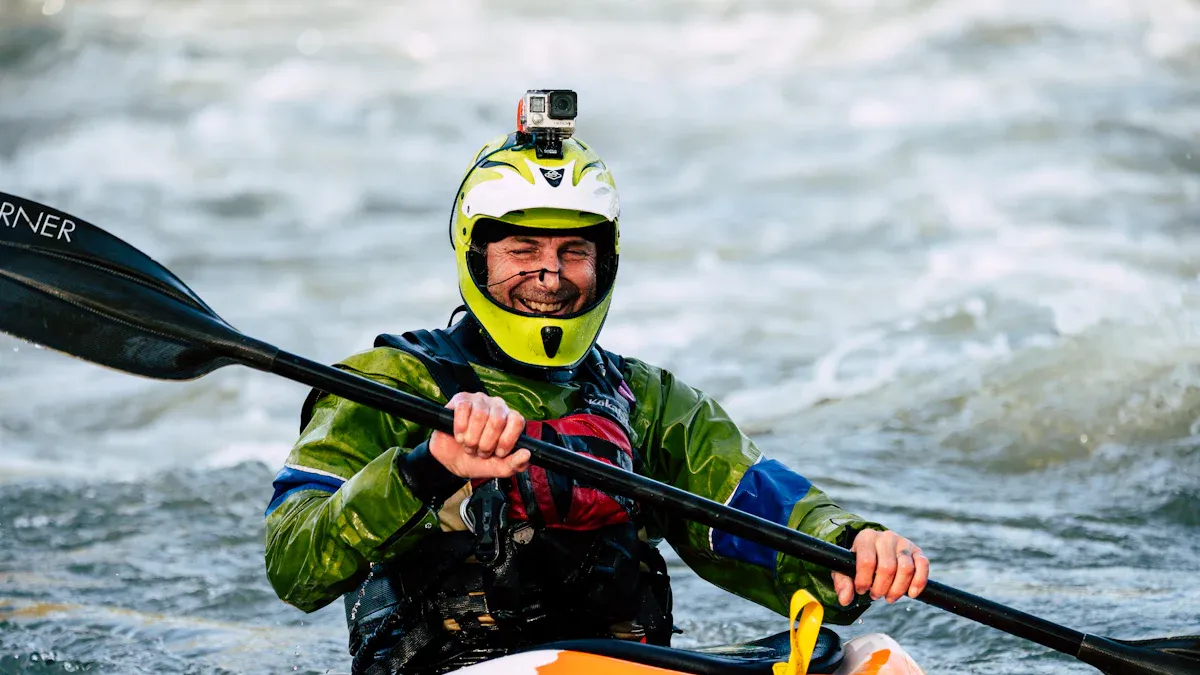
Visibility plays a crucial role in ensuring your safety while kayak fishing. Other boaters need to see you clearly to avoid accidents. Wearing bright colors and reflective gear can significantly enhance your visibility on the water. Here are some effective options:
Recommended Colors | Conditions for Use |
|---|---|
Safety Yellow | Low-light conditions, winter fishing |
Orange | Low-light conditions, winter fishing |
Bright Red | Low-light conditions, winter fishing |
In addition to color, consider the placement of reflective gear. Here are some tips for maximizing your visibility:
Place reflective stripes on your shoulders, chest, and back for 360-degree visibility.
Use SOLAS-grade reflective materials that meet international safety standards.
Choose durable applications, like heat-sealed reflective elements, which outlast adhesive patches.
By following these tips, you can reduce the likelihood of collisions with other boats. For example, you should wear fluorescent attire to enhance visibility. Maintain a visible presence by using a paddle flash or paddles with light-colored blades, such as yellow. Understanding traffic patterns and positioning yourself in less congested areas also helps keep you safe.
Emergency Communication Devices
In case of emergencies, having reliable communication devices is essential. Here are some recommended devices for kayak fishing:
Motorola Defy Satellite Link: This device is waterproof (IP68), compact, and rugged, making it ideal for emergency satellite messaging.
SPOT Gen4: This device offers one-way check-ins and distress signaling without needing a smartphone.
Rescue times can vary significantly based on the device used. Local Search and Rescue (SAR) response times depend on terrain, weather, and other factors. The SOS button on these devices is protected by an orange flap to prevent accidental activation.
For group safety, establish communication protocols. Here’s a table summarizing key devices and their features:
Communication Device | Key Features | Importance |
|---|---|---|
VHF Radio | Tethered, GPS, waterproof, built-in DSC emergency key | Immediate help, weather updates, group communication |
Cell Phone | Backup for VHF, waterproof bag recommended | Quick access to emergency services, but limited range |
Satellite Communicator | Ability to send/receive messages, tracking features | Essential in remote areas beyond VHF range |
In scenarios where visibility is compromised, such as during winter fishing or in low-light conditions, rescue teams may struggle to locate individuals in distress. This delay can increase response times, emphasizing the need for bright clothing to enhance visibility.
By prioritizing visibility and effective communication, you can significantly improve your safety while kayak fishing. These safety tips will help you enjoy your time on the water with greater peace of mind.
Self-Rescue Techniques
Self-Rescue Skills
Knowing how to perform self-rescue techniques is vital for your safety during kayak fishing. Here are some effective methods to practice:
Preparation: Keep one side of your kayak clear for easy reboarding. Have a tie-down strap handy.
Reboarding Drill: Practice intentionally capsizing in deep water. Locate your paddle and avoid dangerous positions.
Righting the Kayak: Use the tie-down strap to flip your kayak upright.
Reboarding: Use a powerful kick and the tie-down strap as a stirrup to help you get back on your kayak.
You can also learn techniques like the T-rescue, which involves two kayaks in a T formation to assist a capsized kayaker. The paddle float rescue is another solo method that uses a paddle float for support while reboarding.
Dressing for Immersion
Dressing appropriately for immersion can significantly impact your survival in cold water. Always dress for immersion. For colder weather, a one-piece dry suit is the safest option. This suit keeps your body dry and minimizes water contact. Here are some tips for dressing:
In warm waters, consider sleeveless ‘farmer john’ style wetsuits for insulation and arm movement.
In cold conditions, wear a breathable drysuit to prevent hypothermia.
Remember, cold shock can occur in water temperatures below 70°F. Proper clothing reduces exposure to cold water, lowering the risk of cold shock and hypothermia. The right attire can be life-saving during unexpected capsizes.
By mastering self-rescue skills and dressing for immersion, you enhance your safety while enjoying kayak fishing.
Safety tips are essential for a successful kayak fishing experience. Always prioritize preparation and awareness. Check weather conditions and understand local environmental factors. Carry the right safety gear, like a PFD, to stay afloat. Following these guidelines enhances your enjoyment and keeps you safe on the water.
FAQ
What should I wear for kayak fishing?
Wear a personal flotation device (PFD) and dress for immersion. Choose clothing suitable for water temperatures to ensure safety during unexpected situations.
How can I improve my kayak’s stability?
To enhance stability, distribute your weight evenly and keep your center of gravity low. Practice bracing techniques to maintain balance in rough waters.
What are some essential safety tips for beginners?
Beginners should always wear a PFD, check weather conditions, and practice self-rescue techniques. Stay aware of your surroundings while kayak fishing.