Book Appointment Now

Top 10 Fishing Seasons and What to Expect
ByIMRAN
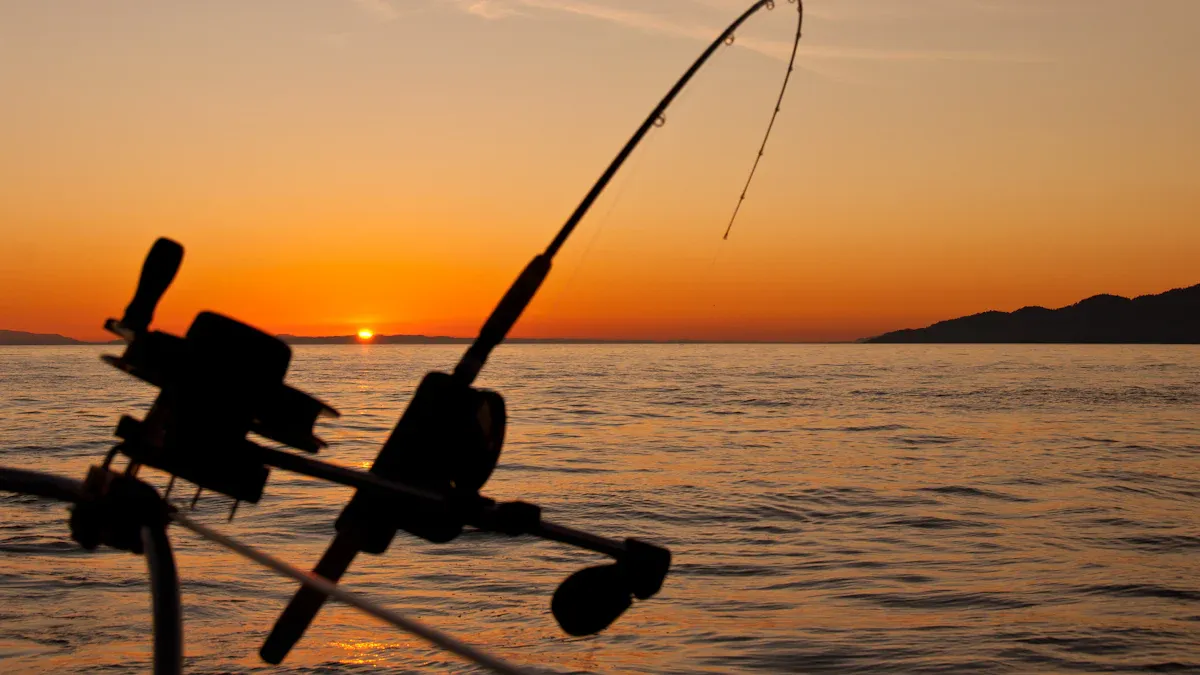
Understanding fishing seasons can significantly boost your fishing success. When you know which species are most active at different times of the year, you can plan your trips more effectively. Here are some key benefits of knowing the best fishing days:
Target species that are most active during that time
Use appropriate baits and lures for the season
Adjust your fishing techniques to match fish behavior
Comply with local regulations and avoid fines
By being aware of these factors, you not only increase your chances of a great catch but also contribute to the local economy. In fact, peak fishing seasons lead to a shift to higher income levels for 47% of communities and help 51.2% of people engage in supplementary income-generating activities.
Key Takeaways
Understanding fishing seasons boosts your chances of a successful catch. Plan trips around peak activity times for different species.
Adjust your fishing techniques and bait according to the season. This increases your effectiveness and helps you target the right fish.
Pay attention to weather patterns. Fish often feed more actively before and after storms, making these times ideal for fishing.
Practice responsible fishing. Use catch-and-release techniques and stay informed about local regulations to protect fish populations.
Each season offers unique opportunities. From aggressive feeding in fall to peaceful winter fishing, adapt your approach for the best results.
Spring Fishing Season
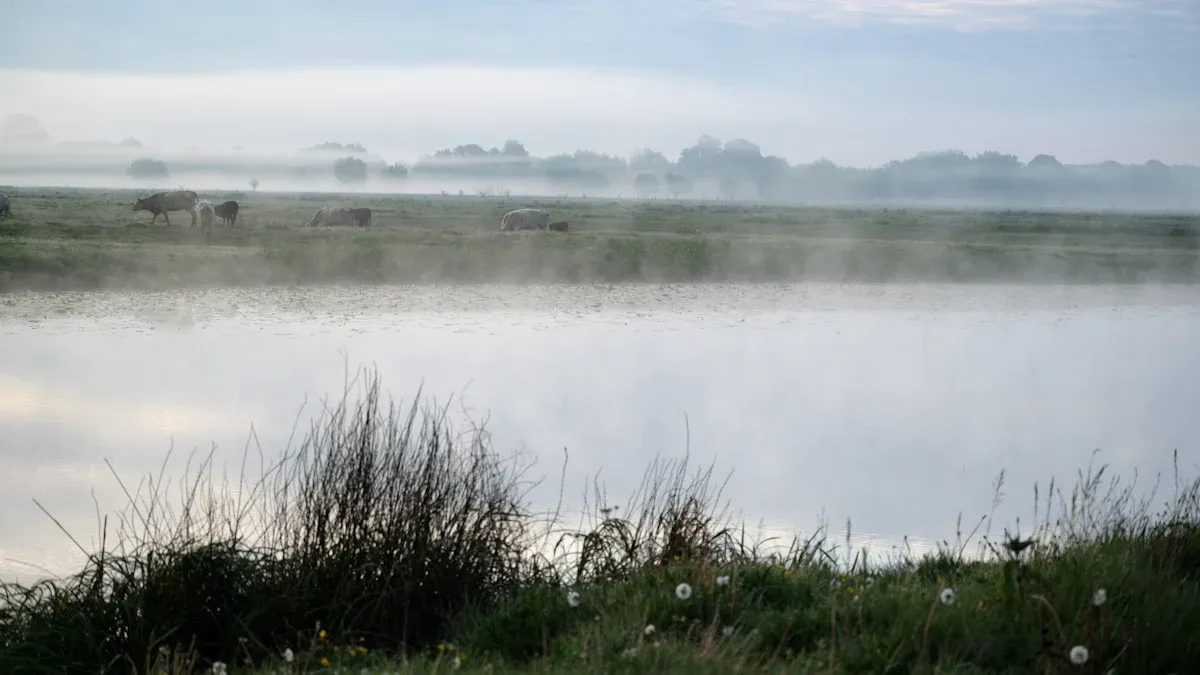
Spring is an exciting time for fishing enthusiasts. As the weather warms up, fish become more active, making this season one of the best for anglers. You can expect to see species like bass, walleye, and pike moving into shallower waters to spawn. This increased activity means you have a higher chance of landing a great catch.
Top Species
During spring, several species stand out due to their spawning behaviors. Here are some of the top ones to target:
Bass: They typically spawn when water temperatures reach between 55-70°F, with peak activity occurring at 62-72°F. Look for them in shallow areas with structure, like vegetation or rocks.
Walleye: These fish often spawn in rivers and lakes, making them a popular target during this season.
Pike: They also move into shallow waters to spawn, providing excellent fishing opportunities.
As you plan your trips, remember that the best fishing days often align with warmer weather and stable conditions. Fish tend to feed heavily as they prepare to spawn, leading to more consistent catches.
Regional Variations
Fishing conditions can vary significantly between northern and southern regions. Here’s what you should know:
Northern bass are more lunar-sensitive in spring due to peak water clarity and temperature transitions.
Southern bass experience exceptional summer lunar fishing, feeding at night during full moons, while winter fishing remains more predictable.
Weather patterns also play a crucial role in determining the best fishing days. Changes in temperature and barometric pressure can influence fish behavior. For instance, fish often feed more actively before and after storms.
Summer Fishing Season
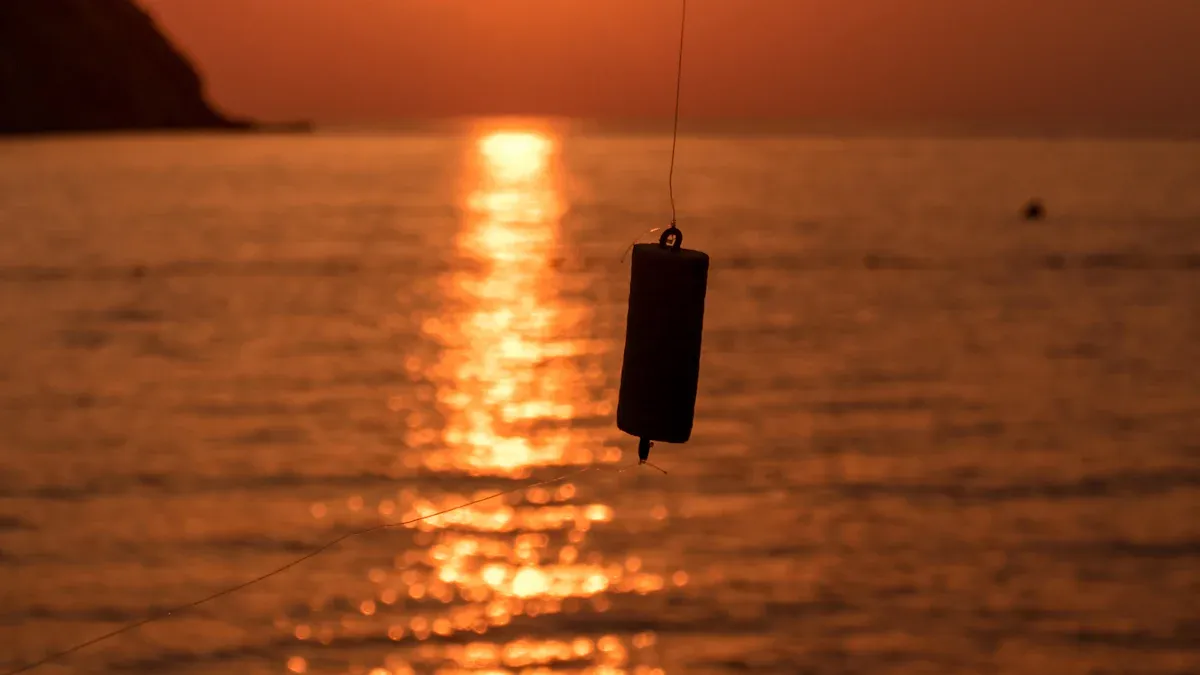
Summer brings some of the best fishing opportunities of the year. As water temperatures rise, fish become more active, making it a prime time for anglers. You can expect to catch a variety of species, especially during the warmer months. Here’s what you need to know about summer fishing.
Top Species
During summer, several species are at their peak. Here’s a quick look at the best ones to target:
Species | Peak Fishing Times |
|---|---|
Bass | June and July |
Catfish | Summer months |
Striped Bass | Summer (coastal areas) |
Bluefish | Summer (coastal areas) |
These species are often more aggressive in their feeding habits, especially during the early morning and late evening when temperatures are cooler.
Regional Variations
Fishing conditions can vary widely depending on where you are. Here are some key factors to consider:
Extended Daylight: Longer days mean more time for fishing as fish become more active with rising water temperatures.
Changes in Fish Behavior: Fish may feed more aggressively or change their locations based on temperature shifts.
Temperature Changes: Warmer water often pushes fish into shallower areas, affecting their feeding and spawning habits.
Spawn Timing: The summer solstice can coincide with critical spawning times for species like bass and panfish.
For example, largemouth bass typically spawn when water temperatures reach between 62°F to 68°F. In contrast, smallmouth bass prefer slightly cooler waters, spawning between 58°F to 64°F. Understanding these patterns can help you maximize your fishing potential.
As you plan your summer fishing trips, keep an eye on the weather. Fish often feed more actively before and after storms, making those days some of the best fishing days of the season.
Fall Fishing Season
As summer fades, fall fishing brings exciting changes. Fish behavior shifts significantly during this season. You’ll notice that fish become more aggressive as they prepare for winter. They start to chase smaller bait fish, which means you should adjust your lures accordingly.
Fall isn’t just one short window. It’s a season broken into three distinct stages, each with its own movement patterns and key baits.
Top Species
Here are some of the top species to target during the fall:
Bass: They become more active as they feed heavily before winter. Look for them near structures like rocks and vegetation.
Walleye: These fish are on the hunt for food, making them a great target in both lakes and rivers.
Pike: They also feed aggressively, so don’t miss the chance to catch them as they prepare for colder months.
To maximize your success, consider the following stages of fall fishing:
Early Fall: Fish leave summer homes and chase forage.
Fall Feed: Fish are aggressive and feed heavily.
Late Fall: Fish move back to wintering areas, following the same routes.
Regional Variations
Fishing conditions can differ greatly between coastal and inland waters. Here’s a quick comparison:
Aspect | Coastal Fishing | Inland Fishing |
|---|---|---|
Fishing Techniques | Trolling with herring, spinners, or hoochies | Drift fishing, back bouncing, bobber setups |
Accessibility | Requires boats for deeper waters | Accessible from banks and drift boats |
Fish Condition | Ocean-bright salmon, fresh from the sea | Fish may lose brightness and firmness |
Crowds | Can be crowded at popular spots | More solitude in lesser-known stretches |
Weather Conditions | Affected by wind, fog, and rough seas | Generally more stable, but varies by river |
Adventure Level | Grand adventure with ocean views | Relaxed experience in scenic wilderness |
As you plan your trips, keep an eye on the weather. The best fishing days often occur before and after storms, when fish are most active.
Winter Fishing Season
Winter fishing can be a rewarding experience, but it comes with its own set of challenges. As temperatures drop, fish behavior changes significantly. You’ll find that fish slow down and gather in deeper waters, making them less active. This means you need to adjust your techniques and lures to match their new habits. Here are some unique challenges you might face:
Selecting effective winter lures is crucial. Fish often prefer baits that mimic their natural prey.
Understanding fish behavior in cold water is essential. They become more selective about their meals, so patience is key.
Prioritizing safety during winter fishing is a must. Dress appropriately and always monitor ice conditions.
Despite these challenges, winter fishing offers some fantastic opportunities. With fewer anglers on the water, fish are less educated and easier to catch. You can enjoy a peaceful fishing experience without the usual crowds. Plus, cold water leads to predictable fish behavior, allowing you to target specific locations where fish hold.
Top Species
During winter, you can target several species that thrive in colder conditions. Here are some of the top ones to look for:
Walleye: These fish remain active in winter and can be found in deeper waters.
Pike: They also continue to feed during the colder months, making them a great target.
Bass: While they slow down, you can still catch them if you know where to look.
Regional Variations
Fishing conditions can vary greatly between ice-covered and open water regions. Here’s what to keep in mind:
In ice-covered areas, access to certain species may be limited. The lack of ice can impact fish nutritional quality.
Open water conditions can lead to increased lake-effect snow, altering local weather patterns and affecting fishing success.
To maximize your chances, pay attention to the weather. The best fishing days often occur during specific conditions. For example, overcast days during a new moon can yield excellent results for all species.
Weather Condition | Moon Phase | Fish Species Targeted |
|---|---|---|
Overcast + Major Period | New Moon | All species |
Light Snow + Major Period | New Moon | Walleye and Crappie |
Clear Sky + Major Period | New Moon | Panfish and Pike in shallow |
Incoming Storm + Major Period | New Moon | Exceptional fishing |
With the right preparation and knowledge, winter fishing can be an enjoyable and successful adventure!
Understanding fishing seasons can truly enhance your experience on the water. By planning your trips around peak times, you can increase your chances of a successful catch. Remember, seasons dictate fish activity, so knowing when they feed helps you target the right species.
Here are some responsible fishing practices to keep in mind:
Use ethical catch-and-release techniques to help fish survive.
Clean your gear to prevent spreading invasive species.
Stay informed about local regulations, as they can impact your fishing opportunities.
With these tips, you can enjoy fishing while also protecting our precious ecosystems. Happy fishing!
FAQ
What are the best times to fish during each season?
The best times to fish vary by season. In spring, fish are active during warmer days. Summer mornings and evenings are ideal. Fall brings aggressive feeding, while winter fishing is best during overcast days.
How do I choose the right bait?
Select bait based on the fish species and their spawning cycles. For example, use lures that mimic local forage during spring and fall. In summer, live bait works well for bass and catfish.
Can I fish year-round?
Yes, you can fish year-round, but conditions change. Each season offers unique challenges and opportunities. Winter fishing requires special gear, while summer fishing is more accessible.
What should I wear for fishing in different seasons?
Dress in layers for spring and fall. In summer, wear light clothing and sunscreen. For winter, insulated gear and waterproof boots are essential to stay warm and dry.
Are there fishing regulations I should know?
Yes, always check local regulations. They include size limits, catch limits, and specific fishing seasons for certain species. Following these rules helps protect fish populations.