Book Appointment Now

How to Navigate Rivers for Kayak Fishing
ByIMRAN
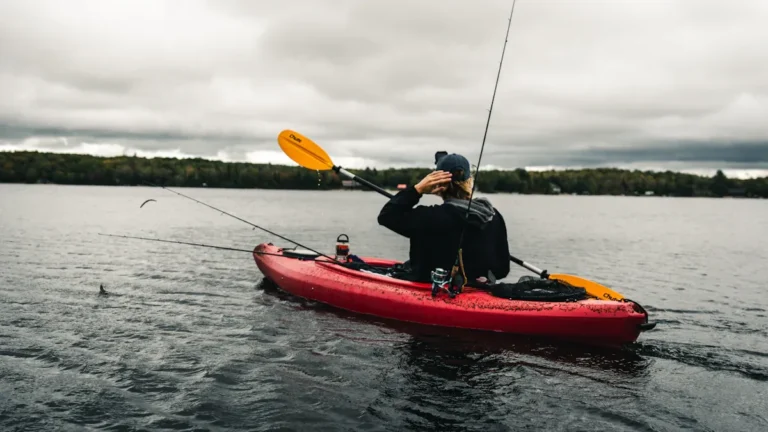
Navigating rivers is crucial for successful kayak fishing. The flow of water presents unique challenges, but the rewards can be immense. Picture yourself gliding through serene waters, only to find the perfect fishing spot. However, you’ll need to master effective boat control to navigate rivers and position yourself well in flowing waters. Proper positioning boosts your casting accuracy, enhancing your chances of landing that big catch. Plus, you might find that one-handed paddling and casting becomes second nature as you adapt to the space constraints of your kayak.
Embrace the adventure, and let’s dive into some essential tips for kayak fishing!
Key Takeaways
Understand river currents to improve your fishing success. Stay updated on flow conditions to position yourself effectively.
Choose the right kayak for stability and comfort. A well-suited kayak enhances your navigation and fishing experience.
Master paddling techniques to navigate safely. Use short strokes and engage your core for better control in fast-moving water.
Identify key river features like eddies and riffles. These spots can provide safe resting areas and prime fishing locations.
Always prioritize safety by wearing a PFD and carrying essential gear. Being prepared can prevent accidents and ensure a successful trip.
River Dynamics
Understanding Currents
Understanding river flow is essential for successful kayak fishing. River currents can change quickly, affecting your paddling and fishing experience. Here are some key points to keep in mind:
Flow Variability: River currents vary based on rainfall, snowmelt, and seasonal changes. You need to stay updated on these conditions to ensure a safe and productive fishing trip.
Fish Behavior: Fish respond differently to river flows. Studies show that disturbances in flow can significantly alter fish populations and their health. For instance:
Fish condition responses to river flows vary based on the scale of evaluation.
Increased flow velocity can heighten fish responsiveness and alter their behavioral states.
Environmental flows enhance the movement of medium and large-bodied native fish species.
By understanding how river currents affect fish behavior, you can position yourself better for a successful catch.
Recognizing River Features
Recognizing river features is just as important as understanding currents. Different features can help you navigate safely and find the best fishing spots. Here are some common features to look for:
Eddies: These calm areas form behind obstacles in the river. They provide a safe spot to rest or change direction, especially when navigating through rapids.
Riffles: Riffles create small waves and are part of the river’s flow. They can facilitate easier navigation, which is particularly beneficial for novice kayakers.
Pools: While not specifically detailed in studies, pools are typically calmer sections of the river. They serve as safe resting areas for kayakers and can also be great fishing spots.
To ensure your safety while kayaking, it’s crucial to recognize safe water levels. Here’s how you can monitor them:
Monitoring Method | What it does | How often |
|---|---|---|
Water Level Gauges | Provide near-real-time readings of river levels | At least once daily; more often during weather events |
Weather Monitoring | Track weather patterns that affect river safety | Continuous |
Local Reports | Coordinate with authorities and locals for updates | As needed |
By keeping an eye on these features and conditions, you can navigate flowing rivers more effectively and enhance your kayak fishing experience.
Kayak Fishing Gear
Choosing the Right Kayak
When it comes to kayak fishing, selecting the right kayak can make all the difference. You want a stable and sturdy craft that can handle river conditions. Here are some popular options:
Ocean Kayak Malibu 11.5: This kayak is highly recommended for its comfort and performance. It’s easy to use, making it a great choice for river fishing.
Short, Stable Kayaks: Look for recreational sit-in or sit-on-top kayaks. They offer excellent stability and maneuverability.
Crossover Boats: These kayaks come with a skeg, making them suitable for both flowing and still waters.
Choosing the right kayak ensures you can navigate rivers safely while enjoying your fishing experience.
Essential Fishing Equipment
Now that you have your kayak, let’s talk about the essential fishing gear you’ll need for river conditions. Here’s a list of must-haves:
Personal Floatation Device (PFD): Safety first! Always wear a PFD while kayaking.
Multitool: This handy tool can help with various tasks, from fixing gear to preparing bait.
Net: A good net makes it easier to land your catch without losing it.
Avoid common mistakes when selecting your fishing gear. For instance, using the wrong rod or reel can affect your fishing productivity. Make sure your equipment matches the type of fish you’re targeting and the water conditions. Also, don’t reuse old hooks; sharp and appropriate hooks are crucial for successful fishing.
By equipping yourself with the right kayak and essential fishing gear, you’ll set yourself up for a successful day on the water. Happy fishing!
Navigating Currents
Paddling Techniques
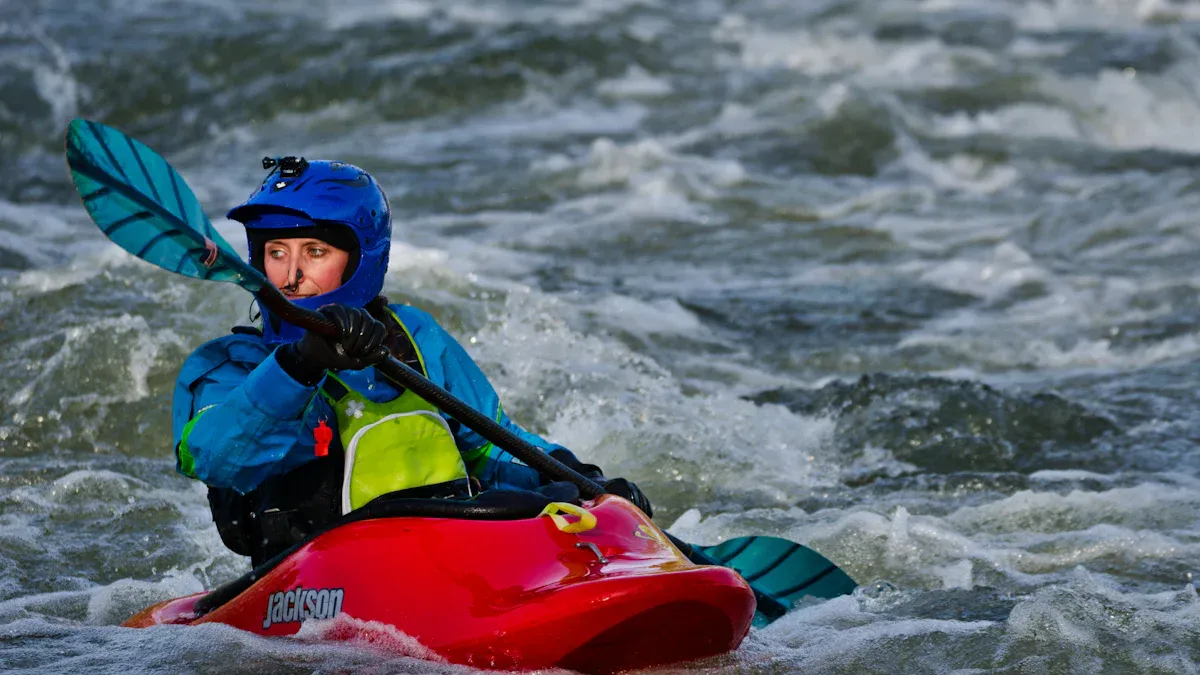
When you’re out on the river, mastering your paddling techniques is key to navigating currents safely. Here are some effective techniques to help you maintain control in fast-moving water:
Lower Your Stance: Bend your knees slightly. This position improves your stability and helps you generate more power.
Short, Quick Strokes: Use short, powerful strokes. They keep your energy efficient and help you maneuver better.
Keep the Paddle Vertical: This maximizes your forward drive and minimizes wobble, making your paddling smoother.
Engage Your Core: Use your torso and larger muscles for power instead of just your arms. This technique helps you paddle longer without tiring quickly.
Hug the Shoreline: Stay close to the shore. You’ll find slower currents and safe spots to rest, which can be a lifesaver.
These techniques will help you paddle safely and confidently, even in challenging conditions.
Using River Features
Using river features can significantly enhance your navigation skills. Here are some strategies to make the most of what the river offers:
Utilize Eddies: Eddies are calm areas behind obstacles. They allow you to pause and assess the river ahead, giving you a tactical advantage.
Maintain a Straight Course: When navigating wave trains, keep a steady paddling rhythm. This helps prevent capsizing and keeps you on track.
Avoid Turbulent Holes: If you find yourself caught in a turbulent hole, use forceful paddling to escape. Always scout the river for obstacles like strainers and lowhead dams, and approach them at an angle to avoid collisions.
Seek the Tongue of a Rapid: This is often the smoothest passage. However, assess each rapid individually for safety before proceeding.
Scout Horizon Lines: These lines can hide hazards. By scouting them, you can plan your navigation strategies effectively.
Develop Depth Perception: Learn to distinguish between deep and shallow waters. This skill helps you avoid hazards and navigate more confidently.
By applying these strategies, you can navigate rivers more effectively and enjoy your kayak fishing experience to the fullest.
Finding Fishing Spots
Identifying Habitats
Finding the right fishing spots in flowing rivers can make or break your kayak fishing experience. Here are some tips to help you identify good habitats:
Look for Structure: Fish love to hang around structures like rocks, fallen trees, and vegetation. These areas provide shelter and attract baitfish, making them prime spots for anglers.
Observe Water Flow: Fast-moving water often pushes fish into slower currents. Look for eddies and pools where fish can rest and ambush prey.
Check Water Temperature: Fish like the Athabasca Rainbow Trout thrive in cooler waters. As temperatures rise, they tend to move to deeper, cooler areas. Here’s a quick look at how temperature and flow rates influence fish location:
Evidence Type | Description |
|---|---|
Streamflow Impact | Decreases in streamflow reduce flow velocities, making habitats less ideal. |
Temperature Impact | Warmer water leads to habitat contraction, pushing fish to upper headwaters. |
Habitat Reduction | Increased water temperatures can reduce available habitat, especially in summer. |
Seasonal Fishing Tips
Understanding seasonal changes can significantly improve your fishing success. Here’s what you should know:
Spring: As water temperatures rise, fish become more active. They move to shallow areas for spawning and feeding. This is a great time to target species like bass and pike.
Summer: Fish seek cooler, deeper waters. They tend to be more active during early morning and late evening. Use worms, plastics, and topwaters for better results.
Fall: As temperatures drop, fish increase their feeding activity to prepare for winter. This often leads to excellent fishing conditions. Look for fish in deeper waters as they migrate.
Winter: Cold water slows fish metabolism, reducing movement. Fishing can be challenging, but targeting deeper areas with jigs or crankbaits can yield results.
By keeping these tips in mind, you can enhance your chances of finding the best fishing spots while navigating rivers in your kayak. Happy fishing!
Safety Considerations
Essential Safety Gear
When you head out for kayak fishing, safety should always be your top priority. Having the right gear can make a big difference in keeping you safe on the water. Here’s a list of essential safety gear you should consider:
Personal Flotation Devices (PFDs): Always wear a PFD. It’s your best defense against drowning.
First-Aid Kits: Accidents can happen, so be prepared with a well-stocked first-aid kit.
Paddle Floats: These help you re-enter your kayak if you capsize.
Tow Lines: Useful for assisting others or being towed back to safety.
Paddle Leashes: Keep your paddle secure to avoid losing it in the water.
Knives: A multi-tool or knife can be handy for emergencies.
Communication Equipment: A whistle or a waterproof phone can help you signal for help.
Signaling Devices: Flares or reflective gear can alert others to your presence.
Statistics show that in 2020, there were 331 accidents and 202 fatalities in paddlesports. Over 26% of all boating fatalities that year involved paddlers without proper safety gear. Many of those who died had less than 100 hours of experience. This highlights the importance of being prepared.
Navigating Hazards
Rivers can be unpredictable, and knowing how to navigate hazards is crucial for your safety. Here are some common hazards you might encounter:
Current: The flow of water can vary from slow to fast.
Rapids: Water flowing over obstructions can create turbulence.
Holes: Areas where water flows over a ledge can trap kayakers.
Strainers: Obstacles that allow water to pass but can trap paddlers.
Eddies: Water circulating around obstacles can create reverse currents.
To navigate these hazards safely, follow these strategies:
Choose a straight, wide, shallow, or smooth-surfaced section for crossing.
Avoid narrow sections, river bends, and rocky areas.
Cross above large boulders to prevent getting caught in eddies.
Use waterproof gear and minimize drag by wearing appropriate clothing.
By staying aware of your surroundings and using these tips, you can enjoy a safer kayak fishing experience.
Navigating rivers for kayak fishing can be an exciting adventure. Remember, preparation is key! Here are some important takeaways:
Do your research: Know your fishing location and the migratory patterns of fish.
Pack essentials: Bring safety gear, food, and fishing equipment to ensure a successful trip.
Adapt your techniques: Adjust your casting methods to suit the kayak’s position and stability.
By applying these tips, you can enhance your fishing experiences and stay safe on the water. So, gear up, hit the river, and enjoy the thrill of kayak fishing!
FAQ
What should I wear for kayak fishing?
Wear quick-drying clothes and a personal flotation device (PFD). Consider water shoes for grip and comfort. Dress in layers to adapt to changing weather conditions.
How do I stay safe while kayak fishing?
Always wear a PFD, carry a first-aid kit, and have a whistle for emergencies. Stay aware of your surroundings and avoid paddling alone.
Can I fish in any river?
Not all rivers are suitable for fishing. Check local regulations and conditions. Some rivers may have restrictions or be too dangerous for kayaking.
What type of bait works best in rivers?
Live bait like worms or minnows often works well. Artificial lures like spinners and jigs can also attract fish. Match your bait to the species you’re targeting.
How do I transport my kayak?
Use a roof rack or trailer designed for kayaks. Secure it properly to prevent damage during transport. Always check local laws regarding kayak transport.