Book Appointment Now

How to Maintain Your Fishing Gear for Longevity
ByIMRAN
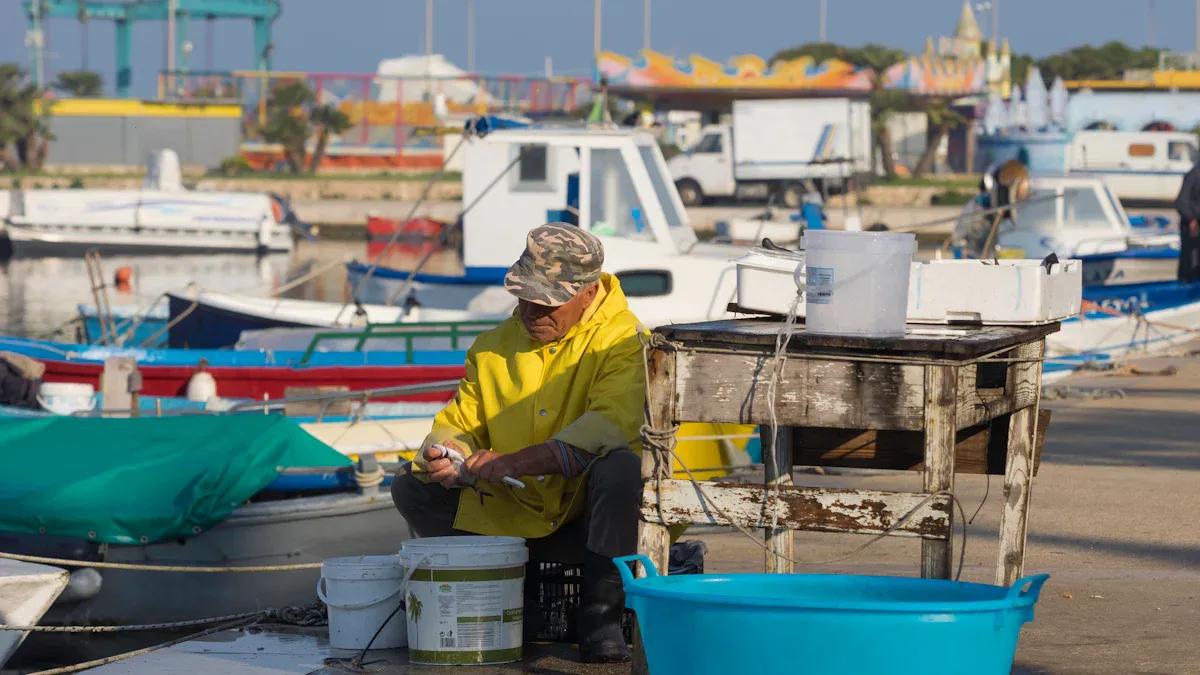
Maintaining your fishing gear is crucial for ensuring its longevity and performance. Regular care can significantly reduce repair costs and enhance your fishing experience. By focusing on cleaning, proper storage, and maintenance techniques, you can protect your investment.
Did you know?
Regular maintenance can reduce repair costs by up to 50%.
Neglecting gear upkeep can lead to issues like snagging nets (78%) or gear conflicts (19%).
Taking the time to maintain your fishing gear pays off in the long run.
Key Takeaways
Rinse your rod and reel with freshwater after each fishing trip to remove dirt and salt.
Store your fishing gear in a cool, dry place away from direct sunlight to prevent damage.
Organize your tackle box to keep everything accessible and in good condition, enhancing your fishing experience.
Regularly check your gear for signs of wear and perform maintenance to extend its lifespan.
Make maintenance a habit; simple tasks can significantly improve your fishing gear’s performance.
Rod Maintenance
Cleaning Techniques
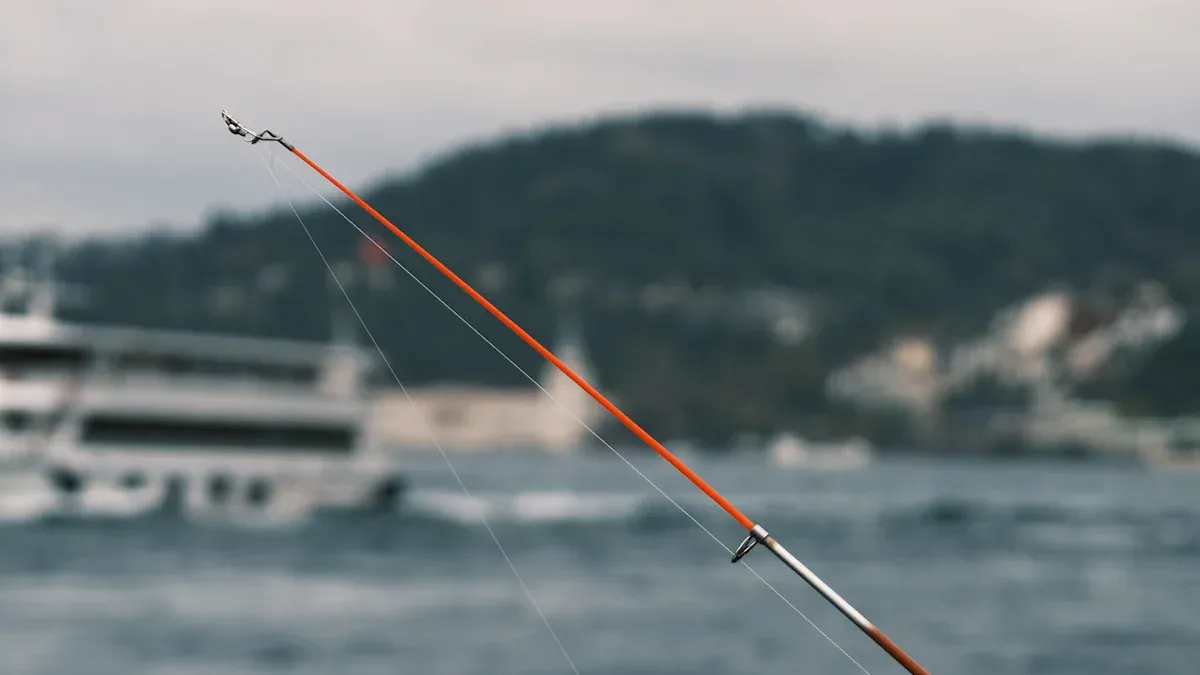
To maintain your fishing gear, start with proper cleaning techniques for your rods. After each fishing trip, rinse your rod thoroughly with freshwater. This step removes salt, dirt, and grime that can cause damage over time. You can jump in the shower with your rod or use tap water for a thorough rinse. After rinsing, let the rod dry outside.
Here are some effective cleaning tips:
Use a damp microfiber cloth to wipe down the rod.
Inspect the rod guides for debris. A soft-bristled brush can help clean them gently.
Wipe the reel seat area to remove any dirt.
Ensure the rod is completely dry before storage. Use a soft cloth and allow it to air dry.
Optionally, apply ferrule wax to prevent sticking.
Additionally, consider using food-grade silicone spray on a rag to protect the guides from rust and corrosion. This simple step can significantly enhance the longevity of your rod.
Storage Tips
Proper storage is essential for preventing damage to your rods. Store them in a location with controlled temperature and humidity levels between 30-50%. Good ventilation is necessary to prevent moisture accumulation, and protection from direct sunlight is crucial to avoid material degradation.
Here are some effective storage tips:
Store rods upright and untangled. Wall-mounted rod racks work well, especially if you have limited floor space. Elevating the rods allows for better airflow, which helps prevent corrosion and warping.
Ensure the storage area is dry and well-ventilated to prevent mildew or mold growth. Proper shelving and support systems are crucial to prevent bending or warping of the rods.
Consider both store-bought and DIY rod holders. Store-bought racks can store rods vertically or horizontally, but many only accommodate a limited number of rods. DIY racks can be customized to fit your needs.
Regular Checks
Regular checks on your rods help you identify early signs of damage or wear. Here’s a checklist to follow:
Check the guides for wear, cracks, or damage.
Inspect the blank for cracks or dents.
Assess the reel seat to ensure it is secure and free of corrosion.
Evaluate the handle for wear or loose parts.
In addition to these checks, regularly lubricate the guides and reel seat to prevent rust. Inspect the fishing line for fraying or damage. After each fishing trip, wipe the rod and line guides with a wet rag, then dry them with a cloth. This practice helps maintain your fishing gear and ensures a better fishing experience.
By following these rod maintenance tips, you can keep your fishing gear in top condition for years to come.
Reel Care: Maintain Your Fishing Gear
Cleaning Methods
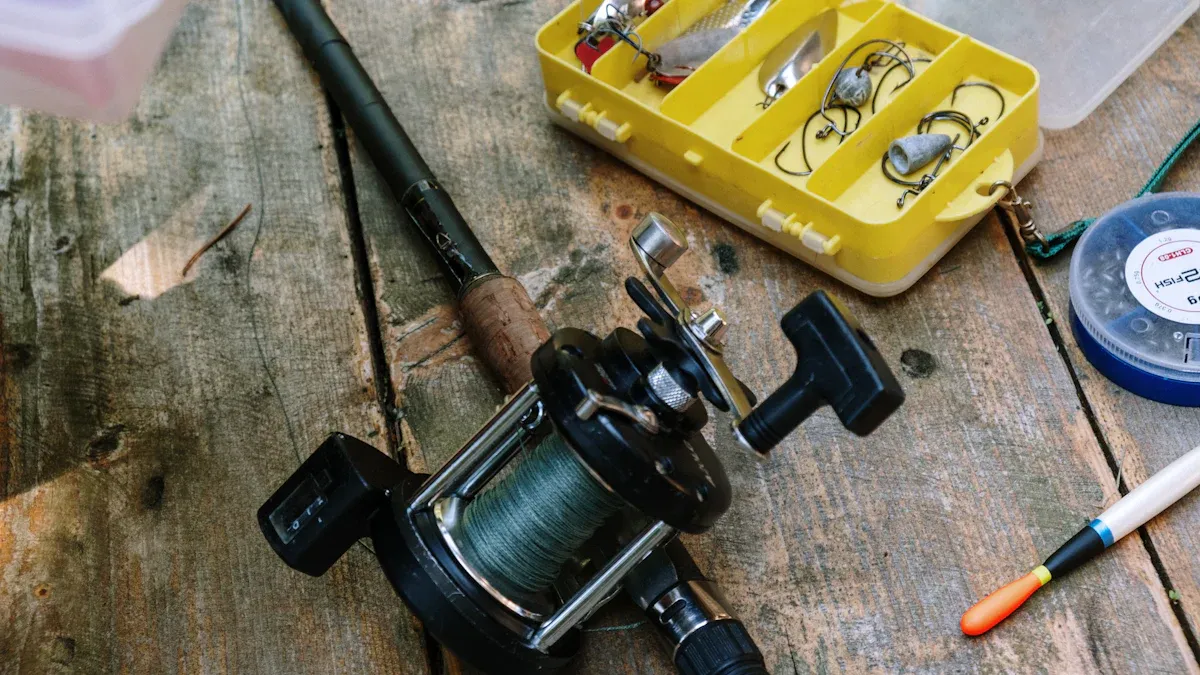
To keep your reel in top shape, you must clean it regularly. Start by rinsing the reel thoroughly with freshwater. This step removes salt, sand, and debris that can cause damage. Follow these effective cleaning methods:
Rinse the reel with freshwater to eliminate salt and dirt.
Use a clean, soft microfiber cloth to dry all external surfaces.
For saltwater use, consider a product like Salt-Away to neutralize salt residue.
Pay extra attention to areas where salt crystals might form.
Soak the reel in distilled water after an initial rinse to help dissolve salt deposits.
Using safe cleaning products is essential. Fresh water and a clean rag work well for regular maintenance. For deeper cleaning, Clenzoil’s oil and grease are recommended for reel maintenance.
Storage Practices
Proper storage practices can prevent rust and mechanical failure. Here are some tips to ensure your reel stays in great condition:
Storage Practice | Description |
|---|---|
Loosen the Drag Completely | Reduces tension on drag washers to prevent deformation and ensures optimal performance. |
Choose a Dry, Cool Storage Location | Prevents rust and corrosion by avoiding moisture and direct sunlight. A stable environment is crucial for maintaining mechanical integrity. |
Lubricate Moving Parts | Proper lubrication prevents wear and corrosion, ensuring smooth operation when the reel is next used. |
Store Reels in Upright Position | Prevents strain on internal gears and bearings, extending the life of the reel. |
Cover or Protect the Reel | Shields reels from dust and debris, which can affect performance. Regular maintenance of protective covers is recommended. |
Improper storage can lead to several issues. For example, failing to loosen the drag can compress drag washers, affecting performance. Storing reels in a dry environment is crucial, as moisture can cause corrosion on screws and bearings. Always avoid storing line under tension, as this can weaken it over time.
Lubrication Tips
Lubrication is vital for smooth operation. Here are some best practices for lubricating your reel:
Gather Your Supplies: Ensure you have specialized reel oil, grease, a clean cloth, a small screwdriver, and optionally some fresh water.
Clean the Reel First: Rinse your reel with fresh water to remove dirt and salt, and dry it completely.
Disassemble the Reel: Carefully unscrew and remove the spool, keeping track of the parts.
Grease the Gears and Bearings: Apply a few drops of oil to the bearings and grease the larger moving parts lightly.
Pay Attention to the Bail and Line Roller: Apply oil to the bail and line roller to keep them functioning smoothly.
Reassemble the Reel: Put the reel back together, ensuring everything is snug but not overly tight.
Final Test and Cleanup: Spin the reel to check for smooth operation and wipe down any excess grease.
You should lubricate your reel based on how often you fish. For infrequent fishers, service your reel at least once a year. If you fish regularly, aim for more frequent servicing. For saltwater fishing, consider lubricating at least four times a year.
By following these reel maintenance tips, you can ensure your fishing gear remains reliable and ready for your next adventure.
Tackle Box Maintenance
Cleaning Your Tackle
Keeping your tackle box clean is essential for preventing mold and corrosion. Follow these steps to maintain your tackle box:
Rinse the tackle box with freshwater to remove any soap residue.
Dry the box thoroughly using a towel, then let it air-dry in direct sunlight or a well-ventilated area.
Check the seals and latches for any damage that could compromise waterproofing.
After fishing, open the box fully to allow air circulation and prevent moisture buildup.
Store the tackle box in a cool, dry place, avoiding extreme temperatures.
Clean and dry the tackle box thoroughly after every fishing trip, especially after saltwater trips.
Using safe cleaning agents is also important. Consider using Star Brite Sea Safe Phosphate-Free Boat Wash. This biodegradable product effectively removes tough stains like fish blood and gas stains from plastic and metal surfaces.
Organizing for Longevity
Proper organization of your tackle box can significantly extend the lifespan of your fishing gear. Here are some tips to help you organize and store properly:
Regularly clean your tackle box, especially after saltwater fishing, to remove salt and grime. This practice prevents corrosion and keeps your gear looking new.
Use fishing bag organizers to keep tackle tidy and easily accessible.
Utilize tackle storage compartments to designate spaces for smaller items, preventing loss or damage.
An organized tackle box not only saves you time but also protects your lures and accessories from wear. Quickly finding what you need enhances your fishing experience and reduces the risk of damage during transport.
Accessory Care
Maintaining your fishing accessories is just as important as caring for your tackle. Here are some essential tips:
Use a sharpening stone to maintain the sharpness of hooks, knives, and scissors. A dual-sided sharpening stone features different grits for coarse sharpening and fine finishing.
Choose quality materials and corrosion-resistant finishes for tools like pliers and knives. Regular maintenance ensures longevity and performance.
For fillet knives, opt for stainless-steel blades and keep them sharp and rust-free.
By following these accessory care tips, you can ensure your tools remain in top condition, ready for your next fishing adventure.
Maintaining your fishing gear is essential for enhancing its lifespan and performance. Regular maintenance practices can prevent major issues and ensure your gear operates smoothly. Here are some key takeaways:
Rinse your rod and reel with clean water after each use.
Store your gear in a cool, dry place away from direct sunlight.
Organize your tackle box to keep everything accessible and in good condition.
By adopting these practices, you can enjoy a more reliable fishing experience. Remember, simple tasks like cleaning and proper storage can significantly extend the life of your fishing gear. Make maintenance a habit, and you will reap the rewards on your next fishing trip! 🎣
FAQ
What is the best way to clean my fishing gear after a trip?
Rinse your gear with freshwater immediately after use. Use a soft cloth to wipe down rods and reels. For tackle boxes, empty and clean them thoroughly to remove any residue.
How often should I lubricate my reel?
You should lubricate your reel at least once a year if you fish infrequently. For regular fishers, aim for every few months. If you fish in saltwater, lubricate every few trips.
Can I store my fishing gear in a garage?
Storing your gear in a garage is acceptable if the environment is dry and temperature-controlled. Avoid areas with high humidity or extreme temperatures to prevent damage.
How do I prevent rust on my fishing gear?
To prevent rust, clean your gear after each use and store it in a dry place. Use silicone spray on metal parts for added protection against moisture.
What should I do if my fishing line gets tangled?
If your fishing line tangles, carefully unwind it without pulling too hard. If necessary, cut the line and re-tie it. Regularly check your line for wear to avoid tangles.