Book Appointment Now

How to Use a Fishing Net for Safe Catch and Release
ByIMRAN
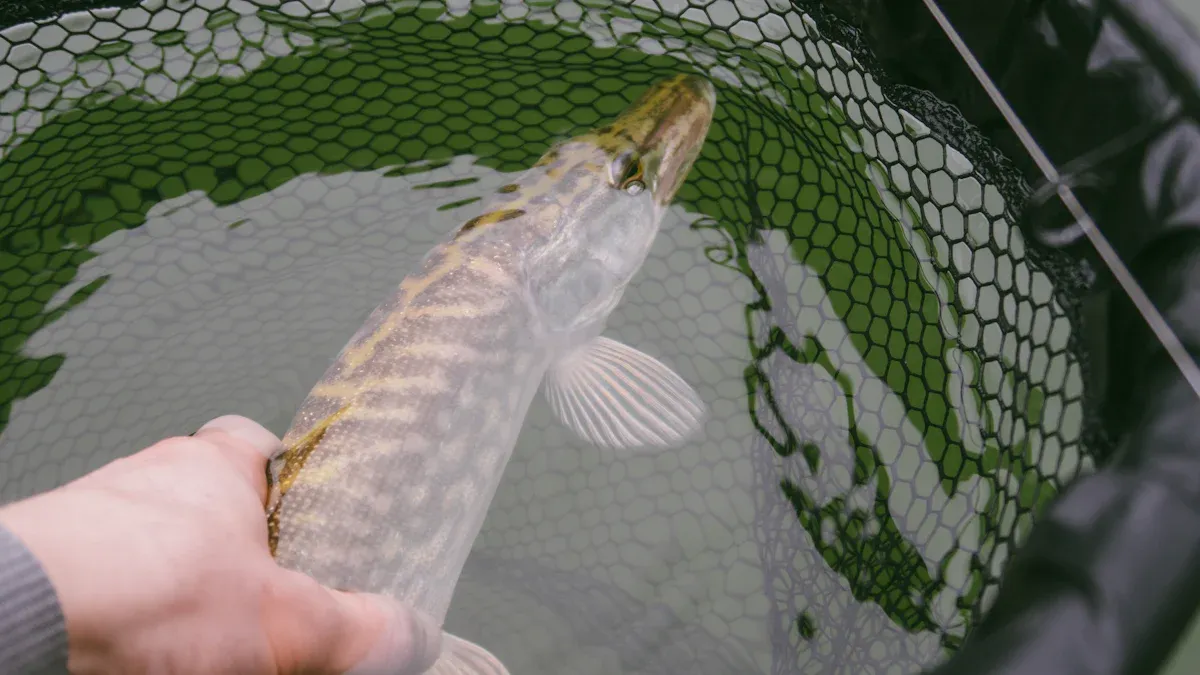
Fishing is more than just a hobby; it connects you with nature and promotes conservation. Many anglers recognize this, as 66% support releasing fish back into the water. This practice helps maintain healthy fish populations and ecosystems. Using the right fishing net is crucial for ensuring safe catch and release. With the right techniques, you can minimize stress on the fish and increase its chances of survival after release. Understanding how to use a fishing net effectively enhances your fishing experience while protecting aquatic life.
Key Takeaways
Choose a large rubber mesh net for catch and release. It minimizes harm to fish and promotes better survival rates.
Always wet your hands before handling fish. This protects their slime coat, which is vital for their health.
Limit the time fish spend out of water to no more than 10 seconds. This reduces stress and increases their chances of survival.
Use gentle techniques when removing hooks. Avoid jerking the hook out to prevent injury to the fish.
Revive fish by moving them back and forth in the water before release. This helps them recover and swim away safely.
Selecting a Fishing Net
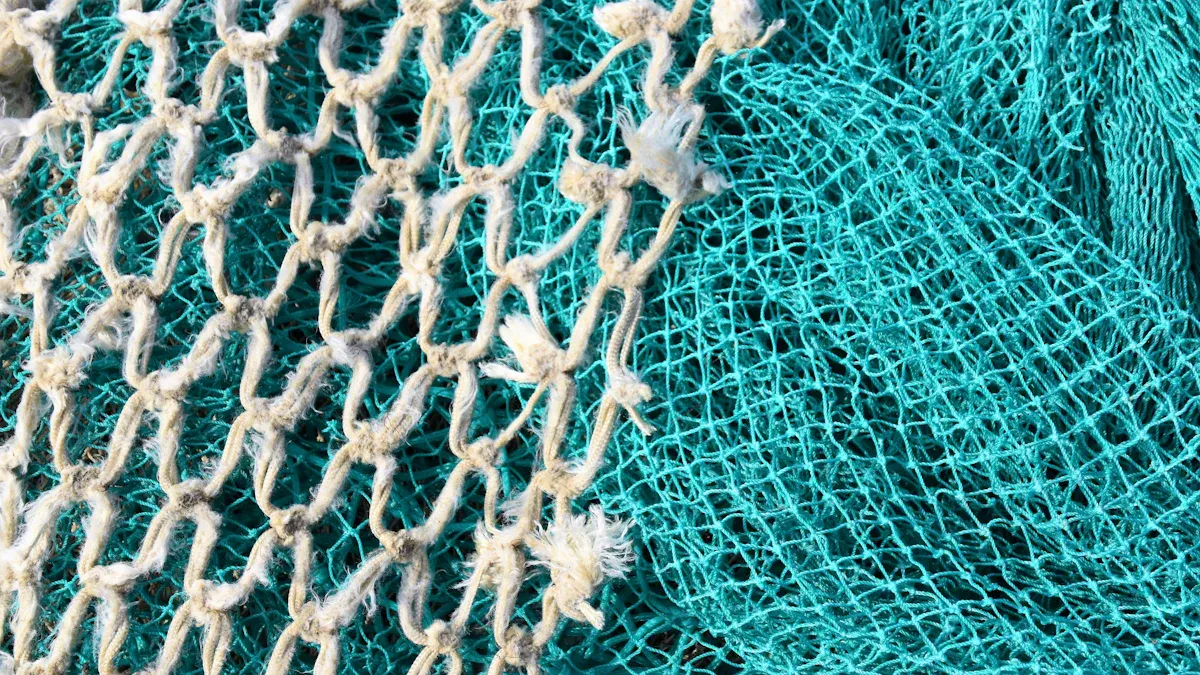
Choosing the right fishing net is essential for a successful catch and release. Different types of nets serve various purposes, and understanding these can help you make an informed decision.
Types of Nets
Several net types are suitable for catch and release. Here are some popular options:
Large Rubber Mesh: This type minimizes scale loss and mucous damage, making it ideal for delicate fish like brook trout.
Rubber Coated Nylon Mesh: This net offers moderate protection, reducing injuries while still being durable.
Knotless Nylon Mesh: While it provides a smooth surface, it can lead to higher mucous loss and fin fraying.
Knotted Polypropylene Mesh: This type can cause significant damage, so it’s best to avoid it for catch and release.
Bare Wet Hands: Using your hands can be effective but may still cause some damage.
Tip: Always choose a net that minimizes harm to the fish. Large rubber mesh nets are often recommended by conservation organizations for their low impact on fish health.
Material and Size
The material of your fishing net plays a crucial role in fish safety. For example, knotless rubber nets cause the least damage to fins and scales. They allow for smooth handling, which is vital during catch and release. In contrast, knotted nylon nets can cause more injuries due to their abrasive nature.
When it comes to size, consider the following:
Mesh Size: A larger mesh size allows smaller, non-targeted fish to escape. For larger game fish, a mesh size of 4 inches or more is recommended.
Target Species: Use a 1-inch mesh for smaller bait fish to prevent their escape while allowing larger fish to pass.
Choosing the right fishing net ensures a safer experience for both you and the fish. By selecting a net that minimizes injury, you contribute to the health of aquatic ecosystems.
How to Use a Fishing Net Effectively

Proper Netting Techniques
Using the right techniques when netting fish can significantly improve their chances of survival after release. Follow these step-by-step techniques to ensure a safe catch:
Keep the Fish in the Water: Always keep the fish in the water while you prepare to net it. This minimizes damage and keeps the fish calm.
Wet Your Hands: Wet your hands before handling the fish. This prevents stripping the fish’s protective slime coat, which is vital for its health.
Support the Fish: Use both hands to support the fish gently. Avoid squeezing it, as this can cause injury.
Limit Exposure: Keep the fish out of the water for no more than 10 seconds if you want to take a photo. Prolonged exposure can lead to stress and harm.
Assess the Hook’s Position: Check if the hook is easily removable or if it’s deeper in the fish’s mouth.
Use Hook Removers or Pliers: If the hook is deep, gently back it out or cut the line if necessary.
Avoid “Jerking” the Hook Out: Use a gentle twisting motion to free the hook without causing injury.
Swallowed? Just Cut the Line: If the hook is swallowed, cut the line and let the fish go. This minimizes stress.
Hold the Fish Upright in the Water: Cradle the fish in the water until it swims away on its own. This helps it recover from the stress of being caught.
Revive the Fish if Necessary: Move the fish back and forth in the water to help it recover before release.
Release in Safe Water: Let the fish swim away in calm water to ensure it can escape easily.
Handling Fish in the Net
Proper handling of fish in the net is crucial for reducing stress and injury. Here are some best practices:
Keep Fish Wet: Always keep the fish wet to maintain its oxygen supply. This is essential for its survival.
Avoid Dry Surfaces: Never expose fish to dry surfaces. This protects their slime layer, which is vital for their health.
Use Rubber Nets: Opt for rubber nets to reduce stress and injury during handling. They are gentler on the fish compared to traditional nets.
Limit Handling Time: Handle fish as little as possible. Use wet hands to protect their slime and minimize stress.
Support the Fish Properly: When handling, avoid compressing the fish’s abdomen. Cradle it gently to support its body weight.
Remove Hooks Carefully: Always remove hooks while the fish is still in the water. This minimizes stress and injury.
Release Head First: Always release fish head first into the water. This helps them recover and swim away more easily.
By following these techniques, you can ensure that your fishing experience is not only enjoyable but also responsible. Remember, the goal is to minimize stress on the fish and increase its chances of survival after release.
Effective Catch and Release Techniques
Reviving the Fish
Reviving fish before release is crucial for their survival. When you catch a fish, it experiences stress, which can affect its ability to swim and find food after being released. Here are some effective methods to help revive fish:
Revival Method | Effectiveness |
|---|---|
Fraser box | Achieved short-term revival of Pacific salmon after capture stressor with extended air exposure. |
Recovery bag | Enabled revival and reduced reflex impairment within 15 minutes. |
Assisted ventilation | Did not significantly improve survival rates post-release. |
Immediate release | Minimizing holding time is crucial for increasing post-release survival. |
Using these methods can significantly increase the chances of survival for the fish you catch. Studies show that when you properly revive and release fish, the mortality rate can be as low as 5% to 30%. This means that most fish can thrive again if you handle them with care.
Timing and Conditions for Release
The timing and conditions for releasing fish also play a vital role in their survival. Here are some key factors to consider:
Condition | Effect on Survival |
|---|---|
Injuries | Increased release mortality (RM) |
Low oxygen conditions | Increased RM |
Water temperature > 18°C | Increased RM |
Estuarine/lower river areas | Additional physiological stress |
You should also pay attention to the water temperature. Research indicates that winter temperatures (6-17°C) lead to higher survival rates (75%), while summer temperatures can lower survival rates to 44%.
Timing your release is equally important. Fish migration timing affects their ability to find food and avoid predators. Later arrivals to habitats often correlate with higher survival rates. Therefore, releasing fish at the right time can make a significant difference in their chances of survival.
By following these effective catch and release techniques, you can ensure that the fish you catch have the best chance of thriving after you release them. Remember, your actions directly impact the health of aquatic ecosystems.
Common Mistakes to Avoid
Overhandling and Stress
Overhandling fish is a common mistake that can lead to serious consequences. When you handle fish too much, you increase their stress levels. This stress can cause injuries and even delayed mortality. Here are some frequent issues caused by overhandling:
Increased stress on the fish
Potential injury from improper handling
Buildup of lactic acid from overplaying, which can be fatal
Reduced spawning success when fish are caught during spawning
To avoid these problems, follow these tips:
Always wet your hands before touching a fish. This protects its slime coat, which is vital for its health.
Limit the time fish spend out of the water. Keep them out for no longer than necessary.
Avoid touching the gills or eyes of the fish. These areas are sensitive and can easily be damaged.
By minimizing handling, you can help ensure that the fish survive after release.
Using the Wrong Net
Using the wrong net can also harm fish during catch and release. Some nets can cause injuries due to their materials. For example, nets made from abrasive materials can lead to scale loss and skin damage. Common injuries include:
Scale loss and skin damage
Bruising from thrashing against the netting
Increased mortality rates due to physical damage
To prevent these injuries, choose the right net for your fishing needs. Here are some solutions:
Use knotless rubber nets to reduce injuries.
Avoid nets with small mesh sizes that can trap fish.
Select nets that minimize contact with the fish’s body.
By using the right net, you can significantly improve the chances of survival for the fish you catch and release.
Using the right fishing net and handling techniques plays a vital role in fish conservation. You can help reduce bycatch, which is essential for maintaining healthy fish populations. Choosing nets with appropriate mesh sizes protects juvenile fish, contributing to ecological balance. Additionally, setting nets in non-sensitive areas prevents disruption of spawning and migration patterns. By following these practices, you not only enhance your fishing experience but also support the health of aquatic ecosystems. Remember, every responsible action you take makes a difference! 🎣
FAQ
What type of net is best for catch and release?
Choose a large rubber mesh net. It minimizes damage to fish scales and mucous, promoting better survival rates after release.
How long can I keep a fish out of water?
Limit exposure to 10 seconds. Prolonged time can stress the fish and reduce its chances of survival.
Should I wet my hands before handling fish?
Yes, always wet your hands. This protects the fish’s slime coat, which is essential for its health.
How can I revive a fish before release?
Gently move the fish back and forth in the water. This helps oxygenate its gills and aids recovery.
What should I do if a fish swallows the hook?
Cut the line close to the hook. Avoid trying to remove it, as this can cause more harm to the fish.