Book Appointment Now

How to Read a Fishing Rod and Reel for Beginners
ByIMRAN
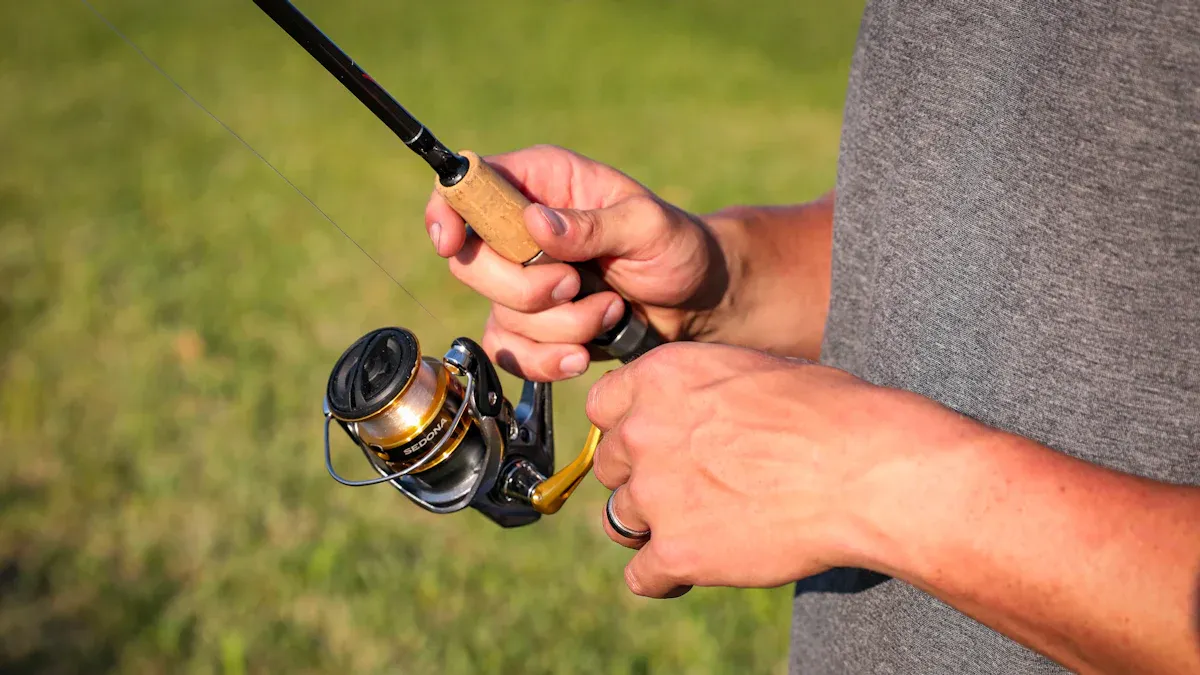
Understanding fishing rods and reels is essential for beginners, especially when you learn how to read a fishing rod. Knowing their key components can significantly enhance your fishing experience. Here are a few reasons why:
A well-balanced setup helps minimize fatigue.
Familiarity with gear ratios improves your performance during a fish fight.
Comfort and control lead to more enjoyable fishing sessions.
With the right knowledge, including how to read a fishing rod, you can boost your success on the water!
Key Takeaways
Understand the key components of a fishing rod, including the rod tip, guides, handle, and reel seat. This knowledge helps you choose the right gear for your fishing needs.
Learn about rod power and action to match your setup with the fish you want to catch. Selecting the right power and action improves your chances of success on the water.
Choose the right reel type based on your skill level and fishing style. Spinning reels are great for beginners, while baitcasters offer more control for experienced anglers.
Fishing Rod Basics
Key Components
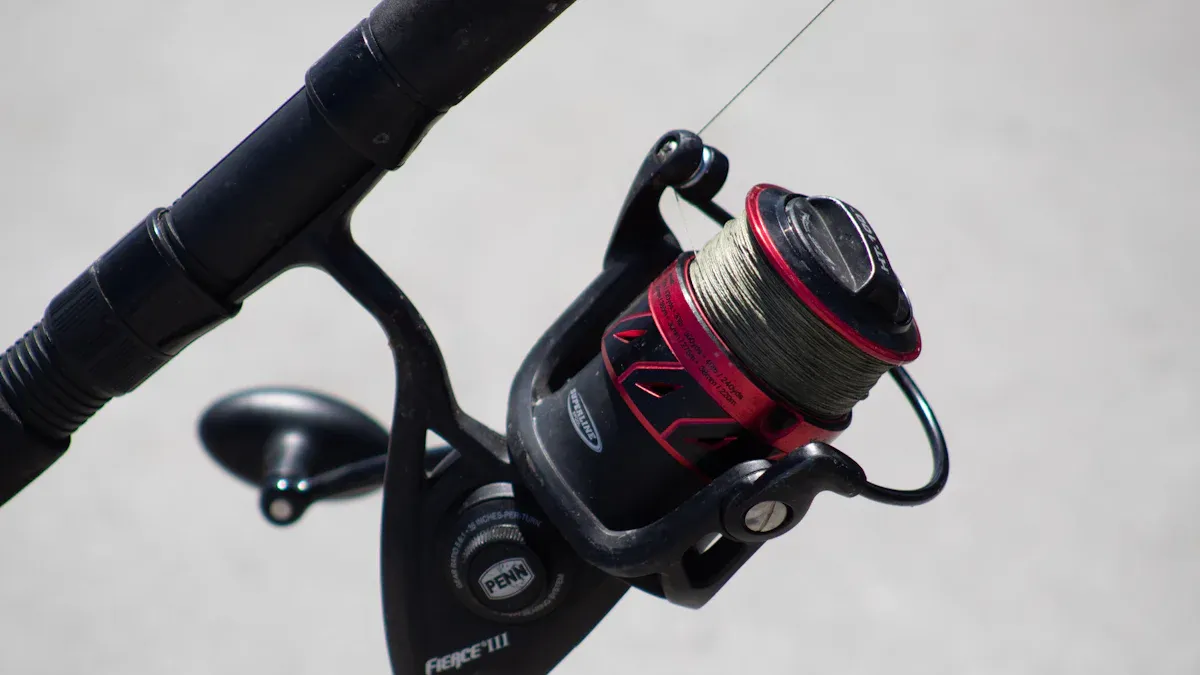
When you start fishing, understanding the key components of a fishing rod is crucial. Here are the main parts you should know:
Rod Tip: This is the very end of the rod. It’s sensitive and helps you detect bites.
Guides: These are the rings along the rod that hold the fishing line in place. They help direct the line and reduce friction during casting.
Handle: This is where you grip the rod. A comfortable handle can make a big difference during long fishing sessions.
Reel Seat: This part holds the fishing reel securely in place. Make sure it fits your reel snugly.
Choosing the right materials for your rod can also affect your fishing experience. Here’s a quick comparison of common rod materials:
Rod Material | Sensitivity | Durability | Ideal For |
|---|---|---|---|
Bamboo | Low | Low | Traditional fishing |
Fiberglass | Low | High | Beginners, rough use |
Graphite | High | Medium | Finesse fishing |
Composite | Medium | Medium | Versatile fishing |
Power and Action
Now, let’s dive into two important concepts: power and action. These terms describe how a rod behaves and how it can affect your fishing success.
Power refers to the rod’s strength and its ability to handle different line weights and lure sizes. Here’s a breakdown of power categories:
Rod Power Category | Suitable Fish Species | Line Weight Handling |
|---|---|---|
Ultralight | Small species (trout, crappie) | Lighter lines |
Light | Trout | Light lines |
Medium-light | Various species | Moderate lines |
Medium | Standard species | Versatile lines |
Medium-heavy | Larger species | Heavier lines |
Heavy | Big fish | Heavy lines |
Extra heavy | Heavy fishery needs | Highest line strength |
Action describes how much of the rod bends when you apply pressure. Different actions suit different fishing styles and target species. Here’s a quick guide:
Rod Action | Description | Target Fish Types |
|---|---|---|
Moderate | Bends in the top half, allows softer hook sets, good casting distance. | Panfish, Crankbaits, Topwater Lures |
Fast | Bends in the top third, offers flexibility and sensitivity. | Musky, Pike, Largemouth Bass |
Extra Fast | Only the tip bends, provides quick response and sensitivity. | Catfish, Gar, Bass |
Slow | Ideal for lighter fish, requires finesse in hook setting. | Panfish, Crappie |
Medium Light | Good for detecting subtle bites, requires sensitivity. | Walleye, Trout |
Medium Heavy | Suitable for larger fish, requires strength and speed in hook setting. | Pike, Bass |
When you read a fishing rod, look for labels that indicate the recommended lure size and line weight. These labels help you match your rod with the right gear. For example, a rod rated for 8-12 lb line should not be used with a 50 lb mainline. Understanding these specifications can greatly enhance your fishing experience.
By grasping these basics, you’ll be better equipped to choose the right rod for your fishing adventures. Remember, practice makes perfect, and the more you fish, the more you’ll learn about how to read a fishing rod effectively!
Read a Fishing Reel

Types of Reels
When you start fishing, understanding the different types of reels is essential. Each type has its unique benefits and drawbacks, making them suitable for various fishing styles. Here’s a quick overview of the three main types of fishing reels:
Reel Type | Benefits | Drawbacks |
|---|---|---|
Spinning Reel | Versatile, suitable for various tackle, good for light tackle and bait. | Less effective for heavy lures, not as accurate as baitcasters. |
Baitcaster Reel | Offers control and accuracy, can handle heavier lines. | Requires skill to operate, less versatile as it is used for lures only. |
Spincast Reel | Easy to use, good for beginners. | Limited casting distance, not suitable for heavy tackle. |
Spinning reels are popular among beginners due to their versatility. You can use them for various fishing techniques, from light tackle to heavier lures. They allow for smooth casting and retrieval, making them a great choice for those just starting out.
Baitcasting reels provide excellent control and accuracy, especially when targeting larger fish. However, they require a bit more skill to operate effectively. If you’re willing to invest time in learning, they can be a powerful tool in your fishing arsenal.
Spincast reels are designed with beginners in mind. Their closed face design makes them user-friendly, allowing you to cast simply by pressing a button. This feature helps prevent common issues like line backlashes, which can frustrate novice anglers.
Matching Reels with Rods
Choosing the right reel to match your rod is crucial for optimal performance. Here are some key factors to consider:
Reel Size: The size of your reel should correspond with your rod length and the type of fish you’re targeting. For example, smaller reels (1000-3500) work well with 6-7 foot rods for species like trout and bass. Larger reels (6000+) are better suited for bigger fish and longer rods.
Reel Size | Recommended Rod Length | Line Weight Recommendations | Target Species |
|---|---|---|---|
Small (1000-3500) | 6 – 7 feet | 2-10 lb mono / 4-14 lb braid | Trout, Bass, Panfish |
Medium (4000-5500) | 7 – 8.5 feet | 8-14 lb mono / 8-25 lb braid | Carp, Cod, Barramundi |
Large (6000+) | Over 8 feet | 12-30 lb mono / 20-50 lb braid | Sharks, Marlin, Tuna |
Drag System: The drag system on your reel helps manage resistance when a fish pulls on the line. Adjusting the drag is crucial based on the species you’re targeting. A well-set drag can make the difference between landing a fish and losing it.
Gear Ratio: The gear ratio of your reel affects how quickly you can retrieve line. Higher gear ratios allow for faster retrieval, which is ideal for techniques like jigging. Lower ratios provide more torque, making them better for battling larger fish.
When you read a fishing rod, look for specifications that indicate the ideal reel size and drag system. This information helps you create a balanced setup, enhancing your overall fishing experience. Remember, a well-matched rod and reel combo simplifies the learning process, allowing you to focus on enjoying your time on the water.
Choosing the right fishing rod and reel depends on your personal style and the fish you want to catch. Consider factors like power rating and fishing environment. Remember, hands-on practice is key! The more you fish, the better you’ll understand your gear and improve your skills. 🎣
FAQ
What should beginner anglers look for in a fishing rod?
Beginner anglers should consider rod length, power, and action to match their fishing style and target species.
How do I maintain my fishing reel?
To maintain your fishing reel, clean it regularly, lubricate moving parts, and store it properly to prevent damage.
Can I use any reel with my fishing rod?
No, you should match the reel size and type with your rod’s specifications for optimal performance and comfort.
