Book Appointment Now

How to Prepare for Your First Fishing Trip
ByIMRAN
Fishing offers a thrilling escape into nature, but you need to prepare for fishing before you cast your line. Many beginners find planning their fishing trips overwhelming. Focus on the essentials: gather your gear, secure your fishing licenses, and understand local conditions. This preparation will help you enjoy a safe and successful adventure on the water.
Key Takeaways
Gather essential fishing gear like rods, reels, and tackle to ensure a smooth experience. Choose items that fit your budget and skill level.
Obtain a valid fishing license before your trip. This is a legal requirement and helps you avoid hefty fines.
Research local fishing conditions and regulations. Knowing the best spots and rules will enhance your chances of success.
Prepare for Fishing
Essential Gear
Before you head out, gathering the right fishing gear is crucial. As a beginner, you don’t need to break the bank, but having the essentials will make your experience much smoother. Here are the top five items you should consider:
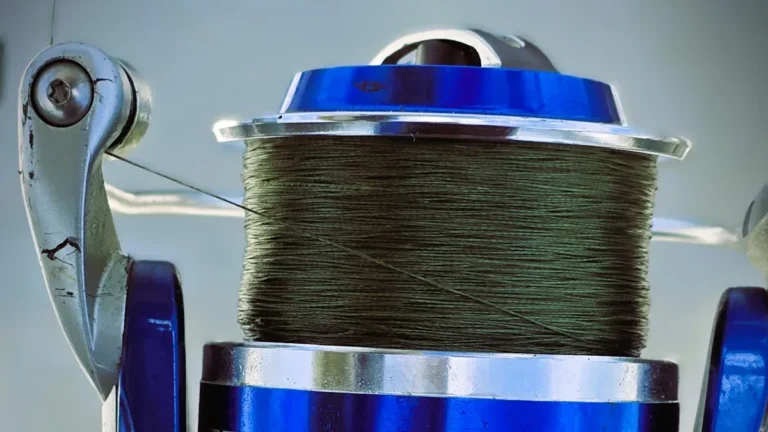
Rods and Reels: A good rod and reel combo is your primary tool. Look for something lightweight and easy to handle.
Fishing Line: Choose a line that matches your rod and reel. Monofilament lines are great for beginners due to their ease of use.
Tackle: This includes hooks, sinkers, and bobbers. A tackle box can help you keep everything organized.
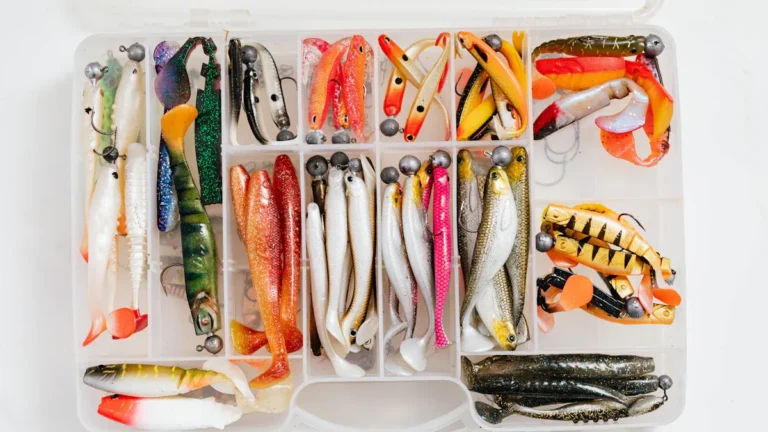
Lures: Depending on what you’re fishing for, having a variety of lures can increase your chances of success.
Rod Holders: These can help you manage multiple lines and keep your hands free for other tasks.
You can find basic fishing gear at various price points. For example, in the United States, a mid-range combo might cost between $180 and $250, while a basic kit in Brazil could be around $25.
Region | Basic Kit Price (USD) | Mid-Range Combo Price (USD) | Premium Build Price (USD) |
|---|---|---|---|
Brazil | ~$25 | N/A | N/A |
United States | N/A | $180–$250 | $400+ |
Fishing Licenses
Before you cast your line, make sure you have a valid fishing license. This is a legal requirement in every state across the U.S. Here are some key points to remember:
A fishing license is mandatory for all anglers before they can fish.
Licenses are required for various activities, including spearing, bait catching, clamming, or trapping.
Each participant in fishing activities must possess a valid license.
Fishing without a license can lead to hefty fines. For instance, in California, fines can range from $485 to $1000, and in Florida, you might face additional penalties if you don’t appear before a county clerk.
State | Fine for Fishing Without License | Fine per Fish Caught | Additional Penalties |
|---|---|---|---|
California | $485 to $1000 | $1000 | Court appearance required, failure leads to higher fines and jail time |
Florida | Fishing license cost + $50 | N/A | Must appear before county clerk, failure leads to higher fines and up to 60 days in jail |
Researching Local Conditions
Understanding local fishing conditions is vital for a successful trip. Research can help you find the best spots and know what to expect. Here are some resources to consider:
Resource | Description |
|---|---|
ALF Fishing Spot Map | Interactive map with fishing spots, conditions, and recommendations for gear. |
Access Point Angler Intercept Survey | Provides regulations, permits, and funding opportunities for fishing. |
NOAA Fisheries Resources | Comprehensive data on fishing regulations, science, and outreach materials. |
Local fishing regulations, including catch limits and size restrictions, directly affect where you can fish. By understanding these rules, you can select suitable fishing spots that comply with local laws.
With the right gear, a valid fishing license, and knowledge of local conditions, you’ll be well-prepared for your fishing adventure!
Safety Before You Go
Arrival Expectations
When you arrive at your fishing location, set realistic expectations. You might find accommodations like a lodge or cabin, which can vary in amenities. Be ready for basic comforts such as indoor plumbing and electricity. Safety equipment is crucial, so ensure you have GPS devices and maps to navigate safely, especially at night. Always inform someone about your fishing itinerary. This way, they can help if anything goes wrong.
Here are some essential safety measures to take upon arrival:
Safety Measure | Description |
|---|---|
Check local weather conditions | Ensure to avoid fishing during thunderstorms or other dangerous weather conditions. |
Pack the right safety gear | Include a life jacket, first aid kit, medication, insect repellent, and sun lotion. |
Pack at least one way to call for help | Use a radio, personal location beacon, tracker, or mobile phone, stored in a waterproof pouch. |
Use the right fishing gear | Ensure the fishing gear is suitable for the targeted fish and in good condition. |
It’s safer to fish with a buddy | Always fish with someone or inform someone about your fishing location and expected return time. |
Weather Considerations
Weather plays a significant role in fishing safety and success. Before you go, check the forecast. Stable weather often leads to better fishing, while approaching fronts can increase fish activity. Keep an eye on surface activity, like fish jumping or birds diving, as these signs can help you locate active fish.
Here are some tips for checking weather conditions:
Monitor local weather alerts and prepare safety equipment before fishing.
Understand how factors like water temperature and wind can affect fish behavior.
Optimal fishing times are during dawn and dusk when temperatures are stable.
By considering these factors, you can enhance your fishing experience and stay safe on the water.
Fishing Techniques for Beginners
Basic Methods
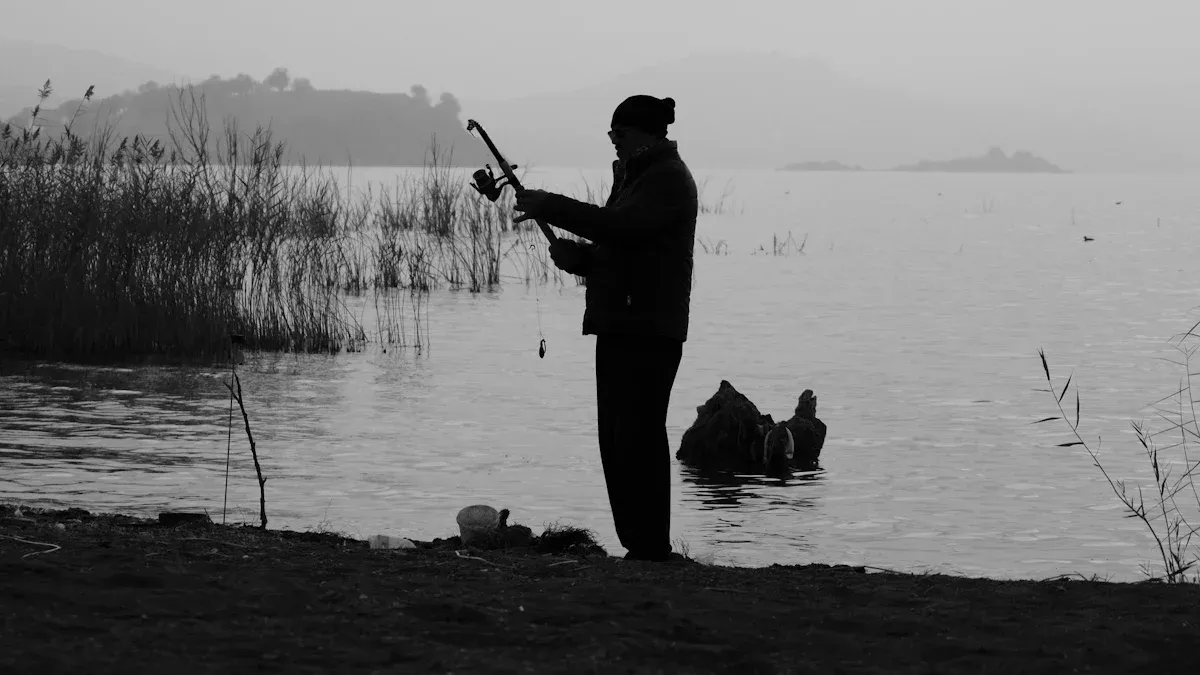
As a beginner, mastering some basic fishing methods can significantly improve your chances of catching fish. Here are a few essential techniques you should know:
Casting Methods: Start by learning how to cast effectively. You can use spin casting reels or spinning reels. Practice your technique to ensure accuracy and distance.
Retrieving Techniques: Once your line is in the water, how you retrieve it matters. Try different methods like a steady retrieve, stop-and-go, or jerking the line to attract fish.
Setting the Hook: Timing is everything when it comes to setting the hook. When you feel a tug, give a quick pull to secure the hook in the fish’s mouth. This step is crucial for landing your catch.
Different fishing techniques can influence your success rate. For instance, using various rigging methods for soft plastics, such as the Carolina or Drop Shot rigs, allows you to adapt based on conditions and target species. This flexibility can enhance your chances of catching fish.
Choosing Bait and Lures
Selecting the right bait and lures is vital for attracting fish. Understanding the preferences of different species can help you make informed choices. Here are some effective options:
Live Bait: Consider using minnows, crayfish, worms, and larvae. These natural options can entice various fish species.
Artificial Lures: Soft plastic worms, lipless crankbaits, simple jigs, and spinners are great choices. They mimic the movement of prey and can be very effective.
Specific Lures:
Tube Jigs: Perfect for panfish and bass, available in various sizes and colors.
River2Sea Whopper Plopper 75: A user-friendly topwater plug that works effectively right from the first cast.
Plastic Worms: Essential for bass fishing, easy to use with a simple technique.
Rebel Wee Craw: Versatile for various predator fish in freshwater environments.
Different fish species respond to different types of bait. For example, bass often go for live minnows and crayfish, while trout are attracted to worms and fly lures. Panfish like bluegill and crappie tend to favor small worms and simple jigs. By experimenting with various options, you can find what works best for you.
Remember, the right bait and technique can make all the difference on your first fishing charter. So, get ready to cast your line and enjoy the thrill of catching fish!
Enjoying Your Fishing Trip
On the Water Experience
When you finally get on the water, expect a mix of excitement and learning. First-time anglers often report a few common experiences:
Preparation: You’ll quickly learn what to bring and what’s provided, like safety gear and professional equipment.
Excitement of the Ride: The journey to your fishing spot is thrilling. Keep an eye out for marine life along the way!
Fishing Techniques: You’ll get introduced to various methods, such as trolling or bottom fishing, tailored to your target species.
Thrill of the Catch: Hooking a fish brings an adrenaline rush. Each species offers a unique fight, making every catch memorable.
Post-Fishing Reflections: After your trip, share stories with fellow anglers. The adventure is just as important as the catch!
Tips for Success
To make the most of your fishing trip, consider these tips:
Learn from Others: Talk to experienced fishermen. Their insights can help you avoid common mistakes.
Go On a Guided Trip: A professional guide can teach you valuable skills and techniques.
Try New Things: Don’t hesitate to experiment with different methods and locations.
Keep a Fishing Journal: Document your experiences to track what works and what doesn’t.
Practice, Practice, Practice!: Regular practice will improve your skills and boost your confidence.
By knowing what to expect on the water and following these tips, you’ll enhance your fishing experience and increase your chances of success!
Post-Trip Care
Cleaning Your Catch
After a successful fishing trip, cleaning your catch properly is essential. It helps maintain the quality and safety of the fish. Here’s a simple method to clean your fish:
Remove the head by cutting from the top of the head down to the throat latch.
Take out the cheek scallops and discard the rest.
Remove the belly pieces and throat.
Rinse the fish in tap water and dry it thoroughly with paper towels.
To keep your fish fresh, remember these tips:
Always keep fish on ice, not in the refrigerator.
Hold the fish vertically to allow proper draining.
If the fish isn’t dry, wash it with salt water to prevent burst cells.
Improper cleaning can lead to spoilage and foodborne illnesses. Always handle your catch carefully to avoid contamination. Cleanliness is key throughout the process!
Storing Equipment
Proper maintenance of your fishing gear ensures its longevity. After your trip, rinse your equipment with fresh water, especially if you’ve been in saltwater. Here are some best practices for storing your gear:
Use eco-friendly cleaning solutions to remove grime without harming your equipment.
Thoroughly dry your gear to prevent rust. Use cloths or specialized drying tools for hard-to-reach areas.
Store your equipment in warm, dry areas to avoid humidity damage.
Organize your gear in labeled containers for easy access.
Check your fishing line before each trip to ensure it’s in good condition. Lubricate moving parts regularly and inspect hooks for wear or rust. Following these steps will keep your gear ready for your next fishing adventure!
Fishing is more than just a hobby; it’s an adventure waiting for you! Preparing for your fishing trip can boost your mood and help you relax. You’ll enjoy the calming atmosphere and the chance to connect with nature. So, gather your gear, plan your trip, and get ready for an unforgettable experience on the water! 🎣
FAQ
What should I wear for my first fishing trip?
Dress in layers and wear comfortable shoes. Don’t forget a hat and sunscreen to protect yourself from the sun.
How do I know where to fish?
Research local fishing spots online or ask experienced anglers for recommendations. Local bait shops can also provide valuable insights.
What if I catch a fish I don’t want to keep?
You can release it back into the water. Make sure to handle it gently to minimize stress and injury.