Book Appointment Now

How to Improve Your Hook Setting Skills
ByIMRAN
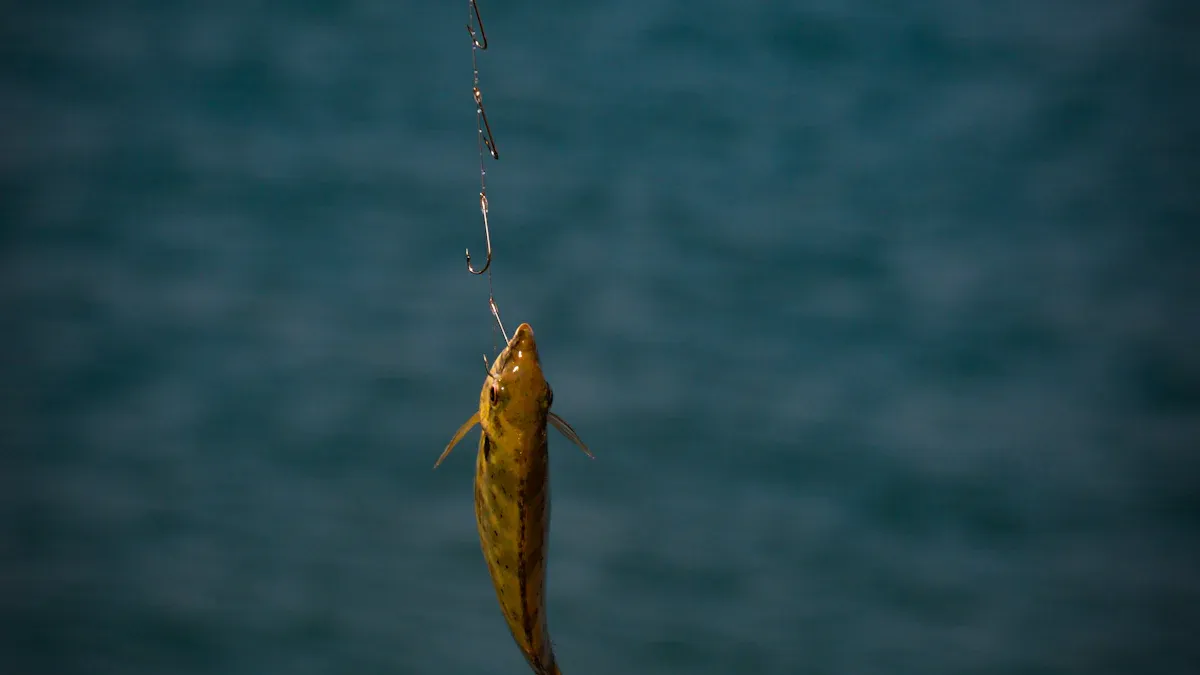
Fishing isn’t just about casting your line; it’s about knowing when and how to set that hook to improve your skills. Effective hook setting can make the difference between reeling in a trophy fish or watching it swim away. Recent studies show that using the right hook type can significantly boost your catch rates. For instance, barbed J-hooks have a mean catch per unit effort (CPUE) of 17.2, while circle hooks perform at 14.4. This means that mastering your hook setting skills can enhance your fishing experience and lead to more successful outings. Remember, practice makes perfect!
Key Takeaways
Choose the right hook type for your target fish to increase your catch rate.
Recognize fish bites quickly and set the hook within 1.5 seconds for the best chance of success.
Keep your fishing line tight to ensure effective hook penetration and reduce the risk of losing fish.
Avoid common mistakes like oversetting or misjudging fish behavior to improve your hook setting skills.
Practice regularly to build confidence and enhance your fishing experience.
Hook Types
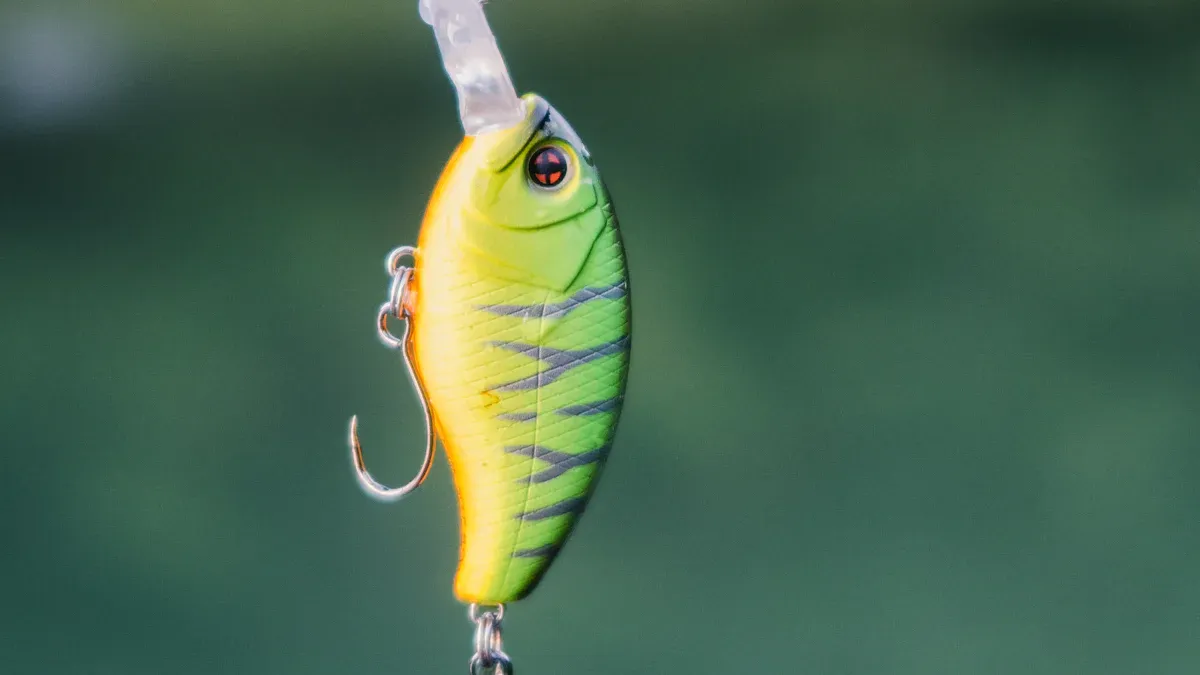
When it comes to fishing, the type of hook you use can make a big difference in your success. Let’s dive into two popular hook types: treble hooks and single hooks.
Treble Hooks
Treble hooks feature three hooks attached to a single shank. They’re commonly used with artificial lures, making them perfect for catching fast-moving fish like bass and pike. The design increases your chances of hooking a fish, especially when they strike aggressively. Here are some key points about treble hooks:
Versatility: You can use them with various lures, including crankbaits and spinners.
Higher Hook-Up Rates: The three points increase the likelihood of a successful catch.
Catch-and-Release: Treble hooks can be tricky to remove, so consider using barbless versions for easier release.
Single Hooks
Single hooks, as the name suggests, have one point. They’re often preferred for live bait fishing and are great for species like trout and catfish. Here’s why you might choose a single hook:
Less Damage: They cause less harm to fish, making them ideal for catch-and-release fishing.
Easier to Set: You can set the hook quickly without worrying about multiple points.
Bait Compatibility: They work well with various baits, including worms and minnows.
When choosing the right hook for your target fish, consider factors like the hook’s gap, shank length, and point style. For example, a wider gap helps secure larger baits, while a shorter shank is better for smaller fish.
Hook Size | Target Fish Size |
|---|---|
Small | Small fish |
Medium | Medium fish |
Large | Large fish |
By understanding the differences between treble and single hooks, you can make informed decisions that enhance your fishing experience. Remember, the proper fishing hook setup is crucial for improving your catch rates!
Timing for Hook Sets
Recognizing Bites
Recognizing when a fish bites is crucial for successful fishing. You need to pay close attention to your line and rod. Here are some common signs a fish is biting:
A sudden sharp tug or a series of tugs can mean a fish has snapped at your lure but hasn’t taken it in.
If you feel a significant and quick build-up of tension on the line, that’s a strong sign a fish has committed to the bait.
Watch for sudden jolts and tightness at the end of your line, especially when your lure is dropping.
Feeling vibrations in the line might indicate a fish is messing with your bait, particularly in colder conditions.
If you see the line moving to the left or right, it often means a fish is hitting your bait.
Environmental conditions can also affect how you recognize bites. For example, water temperature influences fish metabolism. Warmer water usually means more active fish. Light conditions, especially during dawn and dusk, can enhance predator camouflage, making it harder for prey to notice them. Wind can concentrate food sources, increasing the chances of a strike.
When to Set a Hook
Once you recognize a bite, timing is everything. You should set the hook quickly to avoid losing the fish. The optimal timing for setting a hook is between 0.5 to 1.5 seconds after you detect a strike. If you wait longer than two seconds, the fish might spit the bait.
Here are some tips for setting the hook effectively:
For topwater bites, wait a moment after seeing the fish take the lure before setting the hook. This helps ensure the fish has fully committed.
If you notice subtle bites, you may not feel strong signals up the rod. In these cases, carefully observe the line and rod tip.
Lethargic fish might suck in bait without moving enough to signal a bite. Watch for subtle clues, like the weight of the bait vanishing, which can indicate a fish has grabbed it.
By mastering the timing of your hook sets, you can significantly improve your fishing success. Remember, practice makes perfect!
Perfecting the Hook Set Technique
Keeping the Line Tight
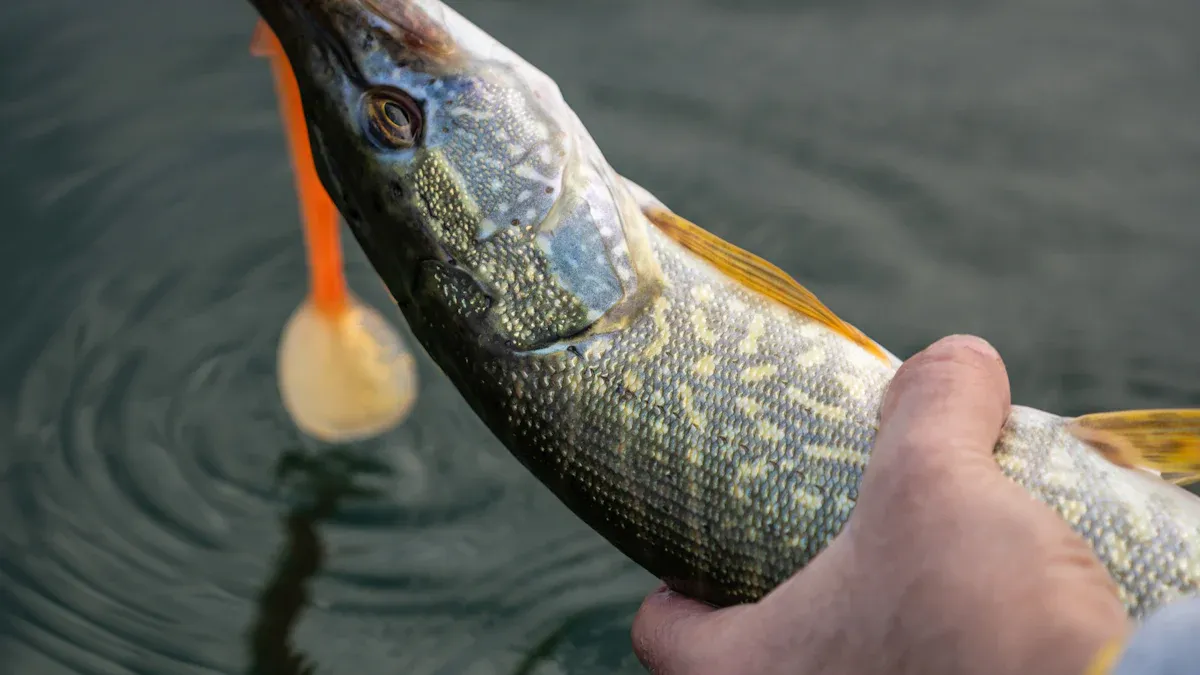
Maintaining tension on your fishing line is crucial for effective hook setting. A taut line helps ensure that the hook penetrates quickly and reduces the chances of losing the fish. Here are some techniques to keep your line tight:
Reel in Excess Line: Always reel in any slack to prevent the fish from spitting the hook or breaking off.
Strip Line as Needed: If the fish is moving toward you, strip line to maintain tension.
Let Line Out When Necessary: If the fish pulls away, know when to let line out to avoid breaking the tippet.
Keep the Line Taut: When the fish is static, keeping the line tight allows you to reel in slack effectively.
Setting the drag correctly is also essential. Adjust it based on the fish’s movement to maintain tension and prevent losing your catch. Remember, a tight line not only aids in quick hook penetration but also aligns the hook properly when the fish bites.
To set the hook effectively, follow these steps:
Stand with your legs shoulder-width apart for balance.
Use a quick lifting action as soon as you feel the weight of the fish.
Follow the lift with a few cranks on the reel to ensure the hook is embedded properly.
Sweeping Technique
The sweeping technique is particularly effective when using treble hooks, especially with live bait. Instead of a quick snap, you’ll want to use a slow sweeping motion with your rod. This method allows the hooks to engage more effectively, ensuring a solid connection with the fish.
Unlike other techniques, such as the snap set or power set, the sweeping technique provides a gentle yet firm action that helps secure the hook in the fish’s mouth. This is especially important when fishing for species that tend to nibble or take the bait slowly.
By mastering these techniques, you can significantly improve your hook setting skills. Remember, practice makes perfect, and the more you refine your technique, the better your chances of landing that trophy fish!
Avoiding Common Mistakes
Oversetting vs. Undersetting
When you set the hook, timing is everything. Many anglers make the mistake of oversetting or undersetting the hook. Oversetting happens when you pull too hard or too fast, which can tear the hook out of the fish’s mouth. On the other hand, undersetting occurs when you don’t apply enough pressure, allowing the fish to escape.
Denny Brauer, a well-known angler, points out that “as soon as they realize they have a bite, they rear back and pull. That’s not a well-defined, conditioned hook set.” Instead, he suggests taking a moment to reel out the slack, drop the rod tip, and then snap it back up. This technique helps you develop the speed needed to drive the hook into the fish’s jaw effectively.
To avoid these mistakes, remember to:
Feel the Bite: Wait for the right moment before setting the hook.
Maintain Tension: Keep the line taut to prevent slack. Slack in the line is a major issue for poor hook sets.
Practice Your Technique: Regular practice will help you find the right balance between oversetting and undersetting.
Misjudging Fish Behavior
Understanding fish behavior is crucial for successful fishing. Misjudging how a fish reacts can lead to missed opportunities. For example, some fish nibble before taking the bait fully. If you set the hook too quickly, you might miss the catch.
Here are some tips to help you read fish behavior better:
Observe the Water: Look for signs of fish activity, like jumping or splashing.
Watch Your Line: Pay attention to any movement or tension in your line.
Learn from Experience: Each fishing trip teaches you something new about how fish behave.
By avoiding these common mistakes, you’ll improve your hook setting skills and increase your chances of landing that big catch. Remember, fishing is as much about patience and observation as it is about technique!
Tools and Equipment
Choosing the right gear can make a huge difference in your fishing success. The right rod and reel not only enhance your hook setting skills but also improve your overall fishing experience. Here’s what you should consider when selecting your gear:
Choosing the Right Gear
Rod Power and Action: Look for a medium-heavy power rod. It handles larger fish well while still offering flexibility. A moderate to fast action rod strikes a balance between sensitivity and strength, helping you feel those subtle bites.
Rod Length: A 7-foot rod is a great all-around choice. It allows for long casts and better control over your lure. If you’re fishing in open water, consider rods between 7’2” and 7’6” for greater distance.
Rod Material: Graphite rods are lightweight and sensitive, making them perfect for detecting those light bites. Composite rods, which mix graphite and fiberglass, offer strength and flexibility for powerful strikes.
When it comes to your reel, keep these features in mind:
Gear Ratio: A higher gear ratio (6:1 and above) is ideal for fast retrieves. If you’re targeting heavier fish, a lower ratio (4:1 to 5:1) gives you more power.
Smooth Drag System: This feature is essential for controlling hard-pulling fish. It allows the line to release smoothly under pressure, preventing breakage and reducing the risk of the hook pulling out.
Different rod and reel combinations can affect your hook setting performance. Shorter rods give you better control in tight spaces, while longer rods enhance casting distance. The power of your rod also matters; medium power rods are versatile and can handle a range of fish and lure weights. Fast action rods bend at the tip, providing better sensitivity, while moderate action rods offer more forgiveness during fights.
Importance of Line
The type of fishing line you use plays a crucial role in your hook setting success. Here’s a breakdown of the most effective lines:
Monofilament Line: This line is great for hook setting because it stretches, absorbing the shock of a fish strike. This gives you a better chance of a solid hook set.
Fluorocarbon Line: Less visible in water, fluorocarbon is more sensitive, helping you detect bites more effectively.
Braided Line: With no stretch, braided line provides immediate feedback. However, it requires careful technique for effective hook setting.
Using the right tackle setup can also improve your hook setting skills. Here are some recommended setups:
Improved Clinch Knot: A strong knot for securing hooks, essential for effective hook setting.
Slip Bobber Rig: This rig allows you to fish at varying depths, enhancing your hook setting precision.
Carolina Rig: Great for bottom fishing, it improves bait presentation and hook setting.
Texas Rig: A weedless design favored by bass anglers, it facilitates effective hook setting in cover.
By investing in the right tools and equipment, you set yourself up for success on the water. Remember, the right gear can make all the difference in your fishing adventures!
Improving your hook setting skills is essential for successful fishing. Here’s a quick recap of what you learned:
Choose the Right Hook: Different hooks serve different purposes. Knowing which one to use can enhance your catch rate.
Timing is Everything: Recognizing bites and setting the hook quickly can make all the difference.
Perfect Your Technique: Keeping the line tight and using the right motion helps secure your catch.
Avoid Common Mistakes: Be aware of oversetting and misjudging fish behavior to improve your performance.
By practicing these techniques, you’ll build confidence and increase your chances of landing that big fish. Remember, fishing is as much about patience and observation as it is about skill. So, get out there and enjoy the experience!
Key Finding | Implication |
|---|---|
Using live bait did not significantly increase incidence of injury or mortality. | Suggests that bait choice may not impact fish survival rates significantly. |
Reflex impairment was not a reliable indicator of injury or probability of mortality. | Indicates that traditional measures of fish health may need reevaluation. |
Short-term mortality was infrequent but significantly associated with hook location. | Highlights the importance of hook placement in reducing fish mortality. |
Internal hooking led to higher incidences of bleeding, increasing mortality probability. | Emphasizes the need for careful hook setting techniques to minimize harm. |
FAQ
What is the best time to fish for better hook setting?
The best time to fish is during early morning or late afternoon. Fish are more active during these times, increasing your chances of a successful hook set.
How can I practice my hook setting skills?
You can practice by using a fishing simulator or casting in your backyard. Focus on timing and technique to improve your hook setting skills.
What should I do if I miss a fish?
If you miss a fish, stay calm. Recast your line and try again. Adjust your timing and technique based on what you learned from the missed catch.
How do I know if my hook is sharp enough?
You can test your hook’s sharpness by gently dragging it across your fingernail. If it catches easily, it’s sharp. If it slides off, sharpen it before fishing.
Can I use different hooks for the same fish?
Yes, you can use different hooks for the same fish. Experiment with treble and single hooks to see which works best for your fishing style and conditions.