Book Appointment Now

How to Get Started with Freshwater Fishing
ByIMRAN
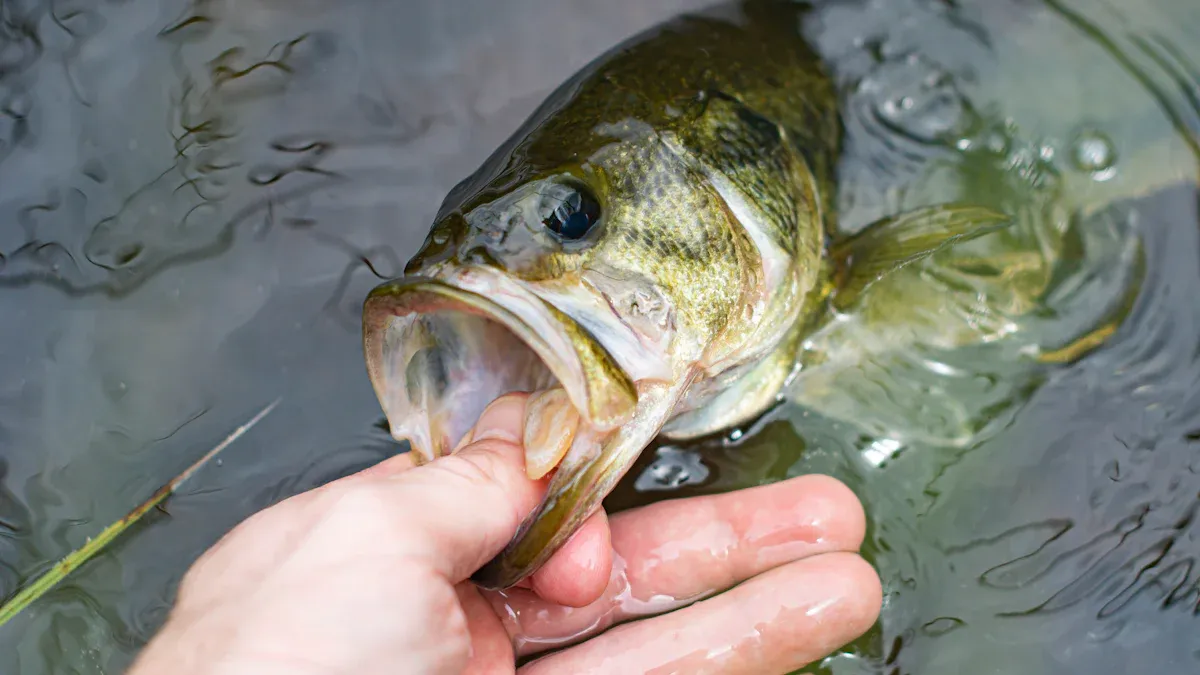
Welcome to the world of freshwater fishing! This relaxing activity can bring you joy and a sense of peace. Did you know that over 43 million Americans participate in freshwater fishing each year? It offers great benefits like stress relief, physical activity, and even social bonding. To get started, focus on choosing the right equipment and finding the perfect location.
Key Takeaways
Choose the right gear: Start with a good all-around spinning rod and a reliable spinning reel for ease of use.
Safety first: Always wear a life jacket, check weather conditions, and inform someone about your fishing plans.
Practice patience: Enjoy the experience of fishing, as success may take time and requires persistence.
Get Started with Fishing Gear
When you get started with fishing, having the right gear makes all the difference. Let’s break down the essential equipment you’ll need to enjoy your time on the water.
Fishing Rods
Choosing the right fishing rod is crucial for your success. For beginners, a good all-around spinning rod is often the best choice. Here are some popular options:
Best All-Around Spinning: Falcon BuCoo SR Spinning 7-foot Medium
Best All-Around Baitcasting: Dobyns Colt 7-foot Medium Heavy
Best Baitcasting Combo: Abu Garcia Vengeance Casting Combo
Best Spinning Combo: Lew’s Mach Crush Spinning Combo
Best Ultralite: Shimano Sensilite Spinning A
Best Swimbait Rod: Daiwa DX Swimbait Casting Rod
Best Flipping Stick: Fenwick HMG 7 foot 6 inch, Heavy
Best for Panfish: Ugly Stik Elite Spinning Rod
You can find beginner or budget rods priced between $20 and $50. These rods are typically made from durable materials like fiberglass or lower-cost carbon fiber, making them perfect for occasional fishing trips.
Reels
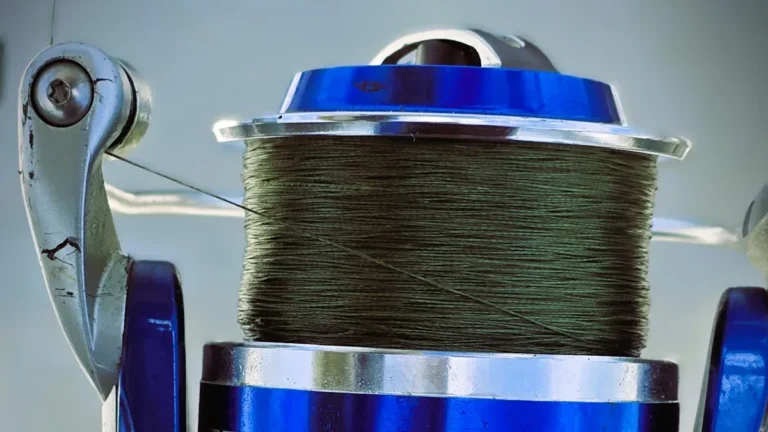
Next, you’ll need a reliable reel. There are two main types: spinning reels and baitcasting reels.
Feature | Spinning Reels | Baitcasting Reels |
|---|---|---|
Design | Sits below the rod, easier for beginners | Sits on top of the rod, preferred by experienced anglers |
Casting | More forgiving, fewer tangles, ideal for light baits | Greater accuracy and distance, better for heavy lures |
Line Control | Less control over line release | More control with spool tension and braking system |
Ideal Usage | Open water, finesse presentations | Heavy cover, larger game fish |
Maintenance | Easier to maintain | More complex, requires more skill |
Gear Ratio | Limited options | Offers various gear ratios for different retrieval speeds |
Spinning reels are great for casting light baits and finesse presentations. They work well in clear water where stealth is important. On the other hand, baitcasting reels offer better control and accuracy for heavier lures, making them ideal for fishing in heavy cover.
Fishing Lines
Selecting the right fishing line is just as important. Here are some types that work well for beginners:
Fishing Line Type | Recommended Test | Best For | Advantages |
|---|---|---|---|
Monofilament | 6–12 lb | Trout, panfish, largemouth bass | Forgiving, affordable, easy to handle |
Fluorocarbon | 4–10 lb | Clear water fishing | Nearly invisible underwater |
Braided | 30–65 lb | Big fish, heavy cover | Tough, cuts through vegetation |
Using the right line strength can significantly affect your success rates. Thicker lines can withstand greater stress, while lighter lines allow for longer casts, which is beneficial for targeting skittish fish.
Tackle Storage
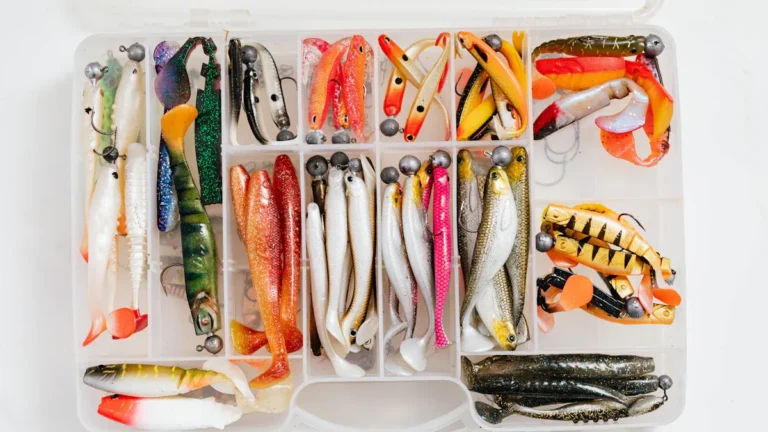
Finally, let’s talk about tackle storage. Keeping your gear organized saves you time and frustration. Here are some effective storage solutions:
Assess where you spend the most time searching for gear.
Relocate rarely used gear to lower depths of your tackle box.
Use dividers to keep tackle sorted and prevent tangling.
Consider investing in specialty lure boxes or bulk tackle boxes. For example, the FishUSA Flagship Stickbait Box and the Plano EDGE Spinnerbait Box are excellent choices for keeping your tackle organized.
Don’t forget to check your local regulations regarding fishing licenses. You’ll need to know what type of license you require, whether it’s a resident or non-resident license, and the specific rules for your area.
With the right gear in hand, you’re ready to hit the water and start your fishing adventure!
Fishing Locations for Beginners
Finding the right fishing spots can make your experience enjoyable and successful. Here are some great locations to consider as you get started.
Docks
Docks are fantastic places for beginners. They provide easy access to the water and often have a variety of fish. When fishing from a dock, keep these safety tips in mind:
Check weather conditions before heading out to avoid dangerous storms.
Inform someone about your fishing plans for safety.
Always wear a properly fitted life jacket on the dock.
Use non-slip shoes to prevent falls.
Supervise children closely and ensure they wear life jackets.
Lakes
Lakes offer a peaceful setting for fishing. They often have diverse ecosystems, making them ideal for catching different species. For instance, Clear Lake, California, is known for its clear waters and is perfect for bass fishing. The best time to fish here is in spring and early summer.
Rivers
Rivers can be exciting spots for fishing, especially if you enjoy the thrill of moving water. They often hold various fish species, including trout. The Great Smoky Mountains National Park in Tennessee and North Carolina is a great choice for trout fishing, especially from late spring through fall.
As you explore these locations, remember to check local regulations. Each area may have specific rules regarding fishing licenses and catch limits. Enjoy your fishing adventure!
Fishing Techniques for the First Time
Getting started with fishing means mastering a few essential techniques. Let’s dive into the basics of casting, reeling, and knot tying to help you feel confident on the water.
Casting
Learning to cast is one of the first skills you’ll need. Here’s a simple step-by-step guide to help you get started:
Hold the rod handle with your casting hand, ensuring the guides and reel point towards the ground. Wind in your line until you have about 15 cm (6 inches) between the tip of your rod and your terminal tackle. Look behind you to ensure safety.
Hold the line against the rod handle with your index finger and flip the bail over until it locks in the open position.
Smoothly bend your arm at the elbow, raise your hand holding the rod, and move your forearm forward with a slight wrist movement, sweeping the rod forward in one smooth motion.
As the rod moves forward, release the line from under your index finger, allowing it to go free. Wind the reel handle about one turn after your tackle hits the water.
While casting, avoid these common mistakes:
Improper casting techniques can lead to ineffective fishing.
Casting directly at fish can spook them. Instead, cast a few feet past where you see them.
Many beginners assume fish are in the deepest water. Often, they’re near structures like shorelines.
Reeling
Once you’ve hooked a fish, it’s time to reel it in! Here are some tips to help you reel effectively:
Control drag by keeping your index finger in the reel’s center hole for stability.
Pinch the outer rim of the reel with your thumb and middle finger to control line release.
Adjust pressure by tightening your pinch to slow the line or easing it to let the fish run.
Switching between light and heavy pressure as the fish tires is crucial. This method helps prevent line breakage while gradually wearing down the fish. When reeling in, follow these steps:
Reel in the fish in a consistent controlled manner.
Wait for a pause in the fight to reel in when the fish isn’t taking drag.
Use your rod to apply pressure on the fish and reel in the line, repeating as necessary.
Knot Tying
Knot tying is essential for securing your hooks and lures. Here are some reliable knots you should learn:
Improved Clinch Knot: Popular for attaching line to hooks, easy to tie.
Palomar Knot: Strong and quick, ideal for braided lines.
Uni Knot: Versatile for various applications.
Mastering these knots will help you avoid losing fish due to weak connections. Remember, practicing knot tying is just as important as learning to cast and reel.
As you practice these techniques, keep in mind the importance of catch-and-release. This practice helps maintain fish populations and ensures that future generations can enjoy fishing too.
With these skills under your belt, you’re well on your way to enjoying fishing for the first time!
Tips for New Anglers
Safety
When you head out for fishing, remember that safety first is key. Here are some essential safety tips to keep in mind:
Pack a first-aid kit for minor injuries.
Bring plenty of water and snacks to stay hydrated.
Wear a life jacket when fishing in deep water.
Carry a charged cell phone in a waterproof case for emergencies.
Use sunscreen, a hat, and polarized sunglasses for sun protection.
Always check the weather before you go. Inexperience can lead to accidents, so stay alert and avoid risky situations.
Patience
Fishing isn’t just about catching fish; it’s also about enjoying the experience. Patience plays a huge role in your success. Here’s why:
Fishing can be meditative. It allows you to connect with nature and unwind.
Fish behavior can be unpredictable. A patient angler adapts to these changes and improves their chances of success.
You’ll notice subtle signs of fish presence if you take your time, which can enhance your skills and enjoyment.
So, relax and focus on having fun. Understand that learning takes time, and every trip is a chance to improve.
Local Resources
Utilizing local resources can significantly enhance your fishing experience. Here are some valuable options:
Resource Type | Description |
|---|---|
State Department of Natural Resources | Provides fishing reports for local lakes and rivers, helping you find good fishing spots. |
Local Tackle Stores | Offers personalized recommendations based on fishing type and target species. |
Fishing Message Boards | Free platforms for anglers to share information and tips. |
Fishing Apps | Provide reports and updates on fishing conditions at little to no cost. |
Fishing Regulations | Important to check before fishing; ensures compliance with local laws. |
Fishing License | Required to fish legally; can be purchased online. |
These resources can help you become a more informed and responsible angler while practicing conservation.
Fishing offers a wonderful way to connect with nature and unwind. Remember to gather the right gear, choose suitable locations, and practice essential techniques. Here are some key takeaways:
Be stealthy: Approach your fishing spot quietly to avoid spooking fish.
Patience is key: Understand that fishing success may take time and requires persistence.
Adapt your tactics: Change your lure or technique based on conditions.
With practice, you’ll find joy in every fishing trip. So grab your gear and start your adventure today!
FAQ
What do I need to start fishing?
You need a fishing rod, reel, line, tackle, and a fishing license. Choose gear based on your target fish and location.
How do I know where to fish?
Research local lakes, rivers, and docks. Ask fellow anglers or visit tackle shops for recommendations on the best fishing spots.
What is catch-and-release fishing?
Catch-and-release fishing means you return the fish to the water after catching it. This practice helps maintain fish populations for future anglers.