Book Appointment Now

How to Fish from a Kayak in Calm Waters
ByIMRAN
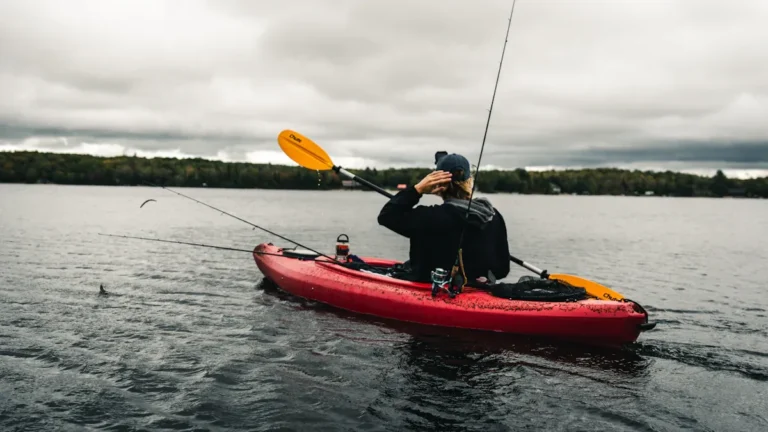
Fishing from a kayak in calm waters offers an experience like no other. Picture yourself gliding silently across the surface, surrounded by nature’s beauty while you fish from a kayak. This method of fishing provides several unique advantages:
Stealth: You can approach your fishing spots quietly, making it easier to catch fish without scaring them away.
Accessibility: Kayaks can reach areas larger boats can’t, opening up new fishing opportunities for those who fish from a kayak.
Emotional Benefits: Spending time in nature can reduce stress and boost your mood.
With the right techniques and gear, you can enhance your fish from a kayak adventures. Let’s dive into what you need to make the most of your time on the water!
Key Takeaways
Choose the right kayak for fishing. A sit-on-top kayak offers stability and easy access, making it ideal for calm waters.
Pack essential gear for a successful trip. Include a personal flotation device, fishing rods under 7 feet, and safety equipment like a whistle and first aid kit.
Master paddle techniques to enhance your fishing experience. Use draw strokes for positioning and sweep strokes for quick adjustments.
Target structures like bays and drop-offs to increase your catch rates. Fish often hide in these areas, making them prime spots for fishing.
Respect nature while fishing. Always leave no trace and use biodegradable bait to protect the environment.
Kayak Selection
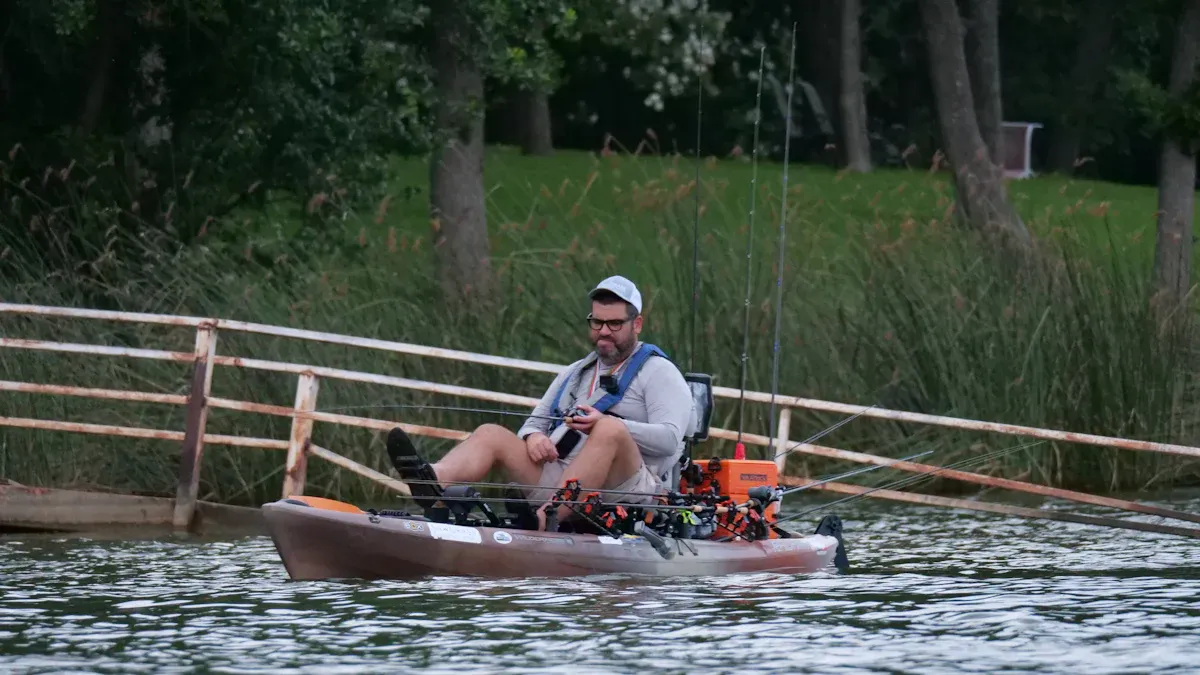
When it comes to kayak fishing, choosing the right kayak can make all the difference. You want a kayak that suits your fishing style and the calm waters you’ll be exploring. Here’s a look at some popular types of kayaks that are perfect for fishing.
Types of Kayaks
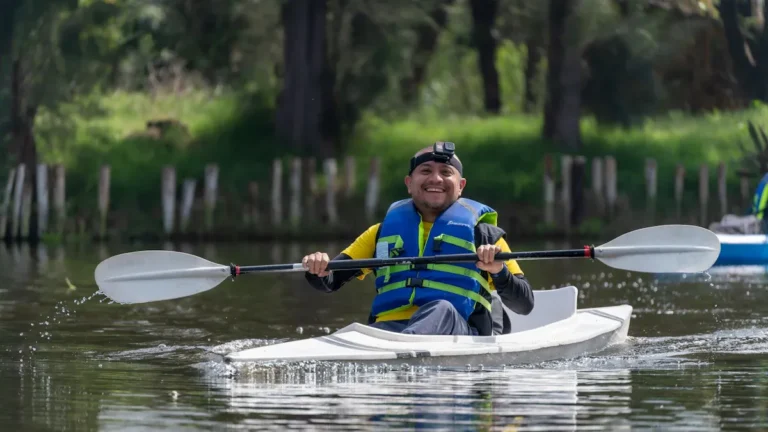
Sit-on-top Kayaks: These are great for beginners and offer easy access. They provide stability and are easy to get in and out of. Here are a few options:
Lifetime Tamarack Angler 100 Fishing Kayak: Known for its stability and safety, this kayak is ideal for calm waters.
Pelican Sentinel 100XP Angler: Lightweight and beginner-friendly, this kayak offers incredible stability and easy access.
Sun Dolphin Aruba 10: A sit-in kayak that is durable and comfortable, with a large cockpit for easy entry.
Sit-in Kayaks: These kayaks provide more protection from the elements. They can be a bit trickier to get in and out of, but they often have better tracking in the water.
Key Features
When selecting a fishing kayak, consider these key features to ensure stability and storage:
Feature | Description |
|---|---|
Hull design & width | Wider or pontoon hulls improve balance, making it easier to fish. |
Flat, open deck | This design allows for steady foot placement without clutter. |
Non-slip padding | Adds grip and comfort under your feet, which is essential for stability. |
Raised or adjustable seat | This feature makes sitting-to-standing transitions easier. |
Stand-assist strap | Helps you pull yourself upright safely, especially when fishing. |
Thoughtful gear placement | Keeps rod holders and tracks away from foot space, allowing for movement. |
Pedal or motor drives | These reduce paddling effort, improving stability when standing. |
Additionally, look for kayaks with multiple storage options, long gear tracks for customization, and a protected cavity for mounting a transducer. These features will enhance your kayak fishing experience, allowing you to focus on catching fish rather than managing your gear.
Choosing the right kayak is crucial for a successful fishing trip. With the right type and features, you’ll feel confident and comfortable as you launch into calm waters.
Essential Gear for Kayak Fishing
When you head out for a day of fishing from a kayak, having the right gear can make all the difference. You want to keep things simple and light, so you can focus on enjoying your time on the water. Here’s a breakdown of the essential gear you’ll need for a successful kayak fishing trip.
Fishing Rods and Reels
Choosing the right fishing rod and reel is crucial for your success. For kayak fishing, you’ll want to look for rods that are shorter, as they’re easier to handle in tight spaces. Here’s a quick guide to help you select the best options:
Rod Length | Recommendation | Reason |
|---|---|---|
7 feet or less | Preferred for kayak fishing | Easier to land fish and prevents reel submersion |
Here are some specific recommendations for rods and reels that work well for kayak fishing:
Rod: Hook Spit Ricochet II
Length: 6’7”
Power: Medium Light
Action: Fast
Reel: 13 Fishing Concept A
Gear Ratio: 7.3:1
Line: 10-pound Power Pro braid
These options provide the sensitivity and strength you need while keeping your setup manageable.
Tackle and Bait
Next up is tackle and bait. The right tackle can significantly increase your chances of catching fish. Here’s a list of effective tackle types and bait options for calm waters:
Lure Type | Description | Link |
|---|---|---|
Paddletail Lure | Effective for year-round fishing in various conditions. | Slam Shady 2.0 Paddletails |
Jigheads | Helps control the depth of the lure and allows for quicker descent. | Saltwater Assasin Pro Elite Jig Head |
Weighted Hooks | Provides a slower presentation and allows for weedless fishing. | Owner Twistlock Hooks |
You might also consider using a Texas-rigged worm or a Ned rig for those tough bites. These setups are easy to fish and can be very effective in calm waters.
Safety Equipment
Safety should always be your top priority when kayak fishing. Here’s a checklist of essential safety gear you should have on board:
Personal Flotation Device (PFD): Always wear a PFD while on the water. It’s a must-have for safety.
Whistle: This can alert others if you need help.
First Aid Kit: Accidents can happen, so be prepared with a basic first aid kit.
Emergency Paddle: In case your main paddle goes overboard, having a backup is crucial.
Water and Snacks: Stay hydrated and energized during your fishing trip.
Packing light is key. Avoid overloading your kayak with unnecessary gear. This can make your kayak unstable and harder to maneuver. Remember, the goal is to enjoy your time fishing, not to struggle with heavy equipment.
By selecting the right gear and keeping it simple, you’ll set yourself up for a successful day of fishing from a kayak.
Fishing Techniques from a Kayak
Fishing from a kayak offers unique challenges and opportunities. Mastering the right techniques can significantly enhance your experience and success on the water. Let’s explore some effective paddle techniques and how to target structures for better catch rates.
Paddle Techniques
When you’re out on the water, your paddling skills can make a big difference in your fishing success. Here are some essential paddle techniques to help you maintain your position while fishing:
Draw Stroke: This technique allows you to move your kayak sideways. Use it to position yourself quietly next to another angler or into a desired spot without disturbing the water.
Sweep Stroke: This stroke helps you pivot your kayak quickly. It’s perfect for adjusting your position effectively when you spot a fish.
Forward Stroke: This is your go-to stroke for reaching fishing spots. Remember to stop your forward momentum before casting. This prevents spooking the fish and increases your chances of a successful catch.
By mastering these paddle techniques, you can navigate calm waters with ease, allowing you to focus on fishing rather than fighting against the current.
Targeting Structures
One of the best strategies for kayak fishing is targeting structures where fish like to hide. In calm waters, you’ll find that certain areas are more productive than others. Here are some key structures to look for:
Protected Bays and Coves: These areas provide shelter from wind and waves, making them ideal spots for fish to gather.
Saltwater Flats and Marshes: These environments often host a variety of fish species. Look for changes in depth or vegetation that can attract fish.
Natural Vegetation and Drop-offs: Fish often seek cover in weeds or near drop-offs. These structures can be hotspots for catching bass and other species.
By focusing your efforts on these structures, you can increase your chances of landing a great catch. Remember, the more you understand the environment, the better your fishing method will be.
Utilizing effective casting techniques can also maximize your catch rates. Here’s a quick overview of some recommended casting techniques:
Casting Technique | Description |
|---|---|
Overhead Cast | Utilizes the rod’s momentum and lure weight for distance. |
Sidearm Cast | Similar mechanics to overhead but with a lower trajectory for accuracy. |
Flipping | A precise method for short distances, keeping the reel engaged. |
Pitching | Similar to flipping but used for slightly longer distances. |
Skipping | A technique to minimize splash and mimic baitfish behavior. |
By incorporating these casting techniques into your kayak fishing routine, you’ll be well on your way to becoming a more successful angler.
Safety Tips for Kayak Fishing
Personal Flotation Devices
When you head out for kayak fishing, wearing a well-fitted personal flotation device (PFD) is non-negotiable. It keeps you safe and visible on the water. Experienced anglers recommend choosing a PFD designed specifically for fishing. Here’s a quick look at some popular options:
Brand | Features |
|---|---|
NRS | Offers various models with pockets and inflatable options. |
Stohlquist | Known for angling PFD models for men, women, and youth. |
Onyx | Provides a wide variety of budget-friendly PFDs. |
Astral | Features fishing-specific PFDs, including an inflatable belt model, though at higher prices. |
Always check that your PFD fits snugly and allows for easy movement. This way, you can focus on fishing without worrying about your safety.
Weather Awareness
Weather can change quickly, especially on the water. Before you launch, check the forecast multiple times. Look out for conditions that can be dangerous for kayak fishing, such as:
Weather Condition | Risks |
|---|---|
High Winds | Can create large waves, making steering difficult and increasing capsizing risk. |
Storms | Present strong winds, big waves, heavy rain, and potential lightning hazards. |
Fog | Reduces visibility, making it hard to navigate and increasing the risk of being unseen by larger boats. |
Stay alert to changing conditions while you’re out there. If the weather starts to turn, don’t hesitate to head back to shore.
Additionally, create a float plan before you go. Inform someone about your fishing location and expected return time. This is especially important if you’re fishing alone. It enhances your safety in case of emergencies.
Remember to manage your physical and mental readiness. Stay hydrated, eat regularly, and take breaks. This helps you stay alert and responsive, which is crucial for safety while kayak fishing.
By following these safety tips, you can enjoy your kayak fishing adventures with peace of mind.
Tips for Success
Timing and Location
Timing plays a crucial role in your kayak fishing success. Fish are more active at certain times of the day. According to studies, the best times for fishing in calm waters are early morning and late afternoon. Here’s a quick look at their activity levels:
Time of Day | Activity Level |
|---|---|
Early Morning | High |
Late Afternoon | High |
These times often yield the best catches. When you plan your trips around these windows, you increase your chances of landing that big fish!
As for location, some spots are more productive than others. Here are a few ideal places to consider:
Local ponds and lakes during the fall.
Deep edges of weed beds.
Mid-lake humps and rocky points.
Drop-offs where fish like to hide.
Look for bodies of water with good populations of yellow perch, bass, and trout. These areas can be hotspots for your kayak fishing adventures.
Respecting Nature
While enjoying your time on the water, it’s essential to respect the environment. Here are some kayak fishing tips to help you minimize your impact:
Always leave no trace. Remove all waste, including fishing lines and bait containers.
Set up your gear to minimize environmental impact. Avoid sensitive habitats, like bird nesting areas.
Use biodegradable bait alternatives and lead-free tackle to protect wildlife.
Additionally, camp on durable surfaces like sand or stone. Choose established campsites to reduce your footprint. Remember, returning the area to its natural state after use is vital for preserving the beauty of nature.
By following these tips, you not only enhance your fishing experience but also contribute to the health of our waterways. Happy fishing!
Fishing from a kayak in calm waters offers many benefits that enhance your experience. Here’s a quick summary of what you gain:
Benefit Type | Description |
|---|---|
Stealth | Kayak fishing is quieter than fishing from a boat, allowing for a more discreet approach to fishing spots. |
Mental Engagement | Engaging in kayak fishing challenges the brain, helping to maintain cognitive functions as we age. |
Emotional Health | Provides a retreat from daily stresses, promoting relaxation and emotional well-being. |
Physical Fitness | Offers cardiovascular benefits, muscle building, and low-impact exercise through paddling. |
Economic Feasibility | Kayak fishing is often more affordable than other fishing methods, making it accessible to many. |
Accessibility | Kayaks can navigate shallow waters, allowing access to less crowded fishing locations. |
As you explore these waters, remember to practice the techniques shared in this blog. Consider joining local kayak fishing communities to connect with fellow anglers. They can offer support and share experiences that enrich your journey. What are your thoughts? Have you tried kayak fishing? Share your stories or questions below!
FAQ
What type of kayak is best for fishing in calm waters?
For calm waters, a sit-on-top kayak is ideal. It offers stability, easy access, and comfort. Look for models with a wide hull and ample storage for your gear.
Do I need a fishing license to kayak fish?
Yes, you typically need a fishing license to fish from a kayak. Check your local regulations to ensure you comply with the laws in your area.
How do I stay safe while kayak fishing?
Always wear a personal flotation device (PFD) and carry safety gear like a whistle and first aid kit. Stay aware of weather conditions and inform someone about your plans.
What time of day is best for kayak fishing?
Early morning and late afternoon are the best times for kayak fishing. Fish are more active during these hours, increasing your chances of a successful catch.
Can I fish alone from a kayak?
Yes, you can fish alone from a kayak, but it’s safer to go with a buddy. If you go solo, inform someone of your plans and expected return time.