Book Appointment Now

Freshwater Fishing Equipment Guide: Build a Reliable Kit

A dependable freshwater kit lets anglers fish confidently from shore, boat, or kayak without hauling too much gear. Start with a comfortable medium-action spinning rod and a matched small reel, plus 6–8 lb fluorocarbon and a heavier braid spool for backup. Pack a compact tackle box with hooks ranging from tiny panfish sizes to 3/0, split shot and tungsten weights, swivels, snaps, soft plastics, a spinner and a crankbait. Add pliers, line cutters, spare spools, polarized sunglasses and a net, and practice key knots until they’re smooth.
What This Guide Covers : Quick Start for Freshwater Anglers
Ready to get started? You’re joining a friendly group that wants you to feel capable and welcome.
This guide focuses on gear setup basics you’ll use initially. You’ll learn which rod and reel combos fit common freshwater trips, what lines and hooks match those combos, and which tools keep you safe and ready.
You’ll get seasonal tips so you can adapt rigs, bait choices, and clothing for spring warmth or winter chill.
We’ll link tackle choices to simple situations like shore fishing, small boats, and stream wading.
You’ll find clear advice on packing a compact kit, choosing extra line, and keeping lures organized.
You’ll feel supported as you prepare for your next outing.
Match Your Kit to Species and Local Waters
Match your kit to the fish you want to catch and the water you’ll fish in, and you’ll save time, avoid frustration, and enjoy more bites.
You’ll consider about species size and behavior initially. Choose lighter rods and fluorocarbon line for trout and panfish in clear streams. Pick heavier rods, braided line, and stronger hooks for bass in weedy shorelines.
Pay attention to seasonal patterns and move lures or baits with changing temps. Also read water clarity to decide lure color and line type. Match leaders, sinkers, and lure profiles to local baitfish.
Talk with fellow anglers and learn spots. You’ll feel welcome using local tips. That sense of belonging makes gear choices easier and fishing more fun.
Prioritize Purchases: What to Buy First
Start choosing a reliable rod and reel combo that feels comfortable in your hands and matches the fish you want to catch.
Next, stock essential terminal tackle like hooks, weights, swivels, and extra line so you can rig quickly and fix problems on the water.
Then pick a small selection of lures and baits that mimic local forage so you’ll have confident choices for different conditions.
Rod And Reel
Picking your initial rod and reel is a big step, and you’ll want gear that feels reliable and easy to use so you enjoy every trip. You’re joining a friendly community, and choosing the right setup helps you feel confident on the water. Consider ultralight combos for panfish and trout, and telescopic rods in case you need travel friendly gear that still casts well.
- Choose a spinning rod and reel that matches medium action for wide use and ease of learning.
- Pick ultralight combos for finesse work and fun days with friends or family.
- Get a telescopic rod in case you value compact storage and quick setup.
These choices build confidence, keep learning simple, and connect you with other anglers.
Essential Terminal Tackle
Gather the few must-have pieces of terminal tackle initially so you won’t feel swamped at the tackle shop or on your initial trips. Start with hooks, a mix of split shot and tungsten weights, swivels, and knotless leaders for clear rigs. You’ll want a small box for organized storage and items that help bait preservation like simple seal bags and a damp sponge. You belong here and you’ll learn fast.
| Item | Size/Type | Why it matters |
|---|---|---|
| Hooks | Assorted sizes | Match local prey |
| Weights | Split shot, tungsten | Feel bites better |
| Swivels/snaps | Small to medium | Prevent line twist |
| Knotless leaders | Fluorocarbon | Stealth and strength |
| Bait care | Bags, sponge | Keeps bait fresh and usable |
Lures And Baits
You’ll want to focus on a few versatile lures and natural baits initially so you won’t feel overloaded upon opening your tackle box. Start with soft plastics like worms that mimic aquatic insects and small baitfish, then add a couple of crankbaits and a spinner to cover shallow and open water. Keep seasonal scents handy to enhance attraction whenever fish feed slow. Choose options that match local baitfish for confidence and connection with fellow anglers.
- Soft plastics and worms for everyday use and easy rigging
- Minnows and nightcrawlers for natural bait consistency and community tips
- A versatile crankbait or spinner to reach different depths
These picks help you belong at the water and fish more often.
Set a Realistic Budget and Gear Upgrade Priorities
Set a clear budget before you buy so you know which essentials to get now and what can wait.
Start with versatile gear like a medium-action spinning rod, a matching reel, and a reliable line, then plan upgrades to specialized rods, braided line, or baitcasting reels as your skills grow.
That way you’ll get the gear that matters most initially and won’t feel pressured to overspend on items you won’t use yet.
Set Clear Budget Limits
Start via deciding how much you can comfortably spend without feeling stressed later. You’ll use budget psychology to be honest about wants versus needs, and protect your emergency fund before splurging on gear. That mindset helps you belong to a group who plans and enjoys fishing without buyer regret.
- Decide a monthly or one time cap that fits bills and fun so upgrades feel earned.
- Split funds into essentials, modest upgrades, and dream items so choices stay clear.
- Track purchases and adjust priorities whenever a reel or rod will truly improve outings.
You’ll feel calmer with limits. Clear rules let you share tips, trade gear, and grow your kit with friends who respect steady progress.
Prioritize Versatile Essentials
As you’re on a tight budget, picking versatile essentials initially will save you money and make every trip more enjoyable.
You’ll want a medium-action spinning rod and matching reel that cover most situations and allow for casting practice without fuss. Add a spool of 6 to 8 pound fluorocarbon and a heavier braided backup for thick cover.
Pack a range of hooks, split-shot, tungsten weights, and a small selection of soft plastics, spinners, and a couple crankbaits that match local baitfish.
Include pliers, line cutters, polarized sunglasses, and a compact tackle box that keeps items organized.
These choices give seasonal versatility and let you learn skills while feeling confident with friends on the water.
Plan Timely Upgrades
When you’re ready to upgrade your freshwater fishing gear, consider a budget that grows with your skills and the places you fish most. You belong to a group that values smart choices. Reflect on seasonal upgrades and upgrade timing so you invest during seasons when gear is most useful. Start small and aim for pieces that match local water and fish.
- Rods and reels: swap to a medium-action spinning rod or a baitcasting reel as you target bigger bass or fish heavy cover.
- Lines and terminal tackle: add fluorocarbon for clear water or braided line for weeds and heavier pulls.
- Tools and accessories: upgrade pliers, polarized sunglasses, and a reliable net for better handling.
Plan purchases around seasons and learning milestones to feel supported and confident.
Choose Rods for Panfish, Trout, and Bass
Choosing the right rod for panfish, trout, and bass can make a huge difference in how confident and successful you feel on the water, so let’s walk through what matters most.
Pick a light action, short length rod for panfish and trout. You’ll feel bites sooner and make precise presentations with simple cast techniques.
For bass, move to medium action and slightly longer rods so you can cast farther and handle bigger fights. Consider seasonal patterns too.
Spring and fall call for finesse gear and lighter lines, while summer cover needs stronger rods and heavier line. Match rod power to lure weight and where you fish.
You’ll join other anglers who trust gear that fits species, water, and technique.
Spinning vs Baitcasting Reels: Which to Use and When
As you’re picking between spinning and baitcasting reels, consider ease versus control and match that to the fish and cover you’ll face.
Spinning reels are forgiving, work well with light baits, and pair nicely with medium or ultra-light rods for panfish and trout.
Baitcasting reels give you precise casts and power for bass in heavy vegetation, so opt for them whenever you need stronger drag and better line control.
Spinning Reel Advantages
You’ll often find spinning reels easier to pick up and use than baitcasting reels, especially provided you’re new or want a low-stress day on the water.
You’ll feel welcome as you learn, because spinning reels reduce frustration and help you focus on being part of the fishing community.
They also teach you solid line management and casting techniques without a steep learning curve.
- Versatility: Spinning reels handle light lures, small baits, and finesse setups so you can join others using a range of rigs.
- Forgiving casting: They resist backlashes and make accurate casts for most beginners and groups.
- Comfort: They pair well with common spinning rods, let you share gear tips easily, and build confidence fast.
Baitcasting Reel Strengths
Pick up a baitcasting reel and you’ll observe the extra control it gives you on heavy lures and in thick cover, which is why many anglers switch to baitcasters for bass and other strong fighters. You’ll feel the difference in casting mechanics, where thumb pressure and spool tension let you place a bait precisely. That control helps with cover techniques like pitching and flipping into weeds, brush, or around docks. You’ll like the solid drag and stronger line lay that handle big runs without surprise.
It takes practice, and you’ll belong to a group of anglers who trade tips and cheer your progress. Start light on spool settings, practice short accurate casts, and ask teammates for pointers as you build confidence.
When To Choose
In case you’re deciding between a spinning reel and a baitcasting reel, consider firstly about the fish you want, the water you’ll be on, and how much practice you’re ready for.
You’ll pick spinning in case you want ease with light lures, clear-water finesse, or seasonal timing whenever fish are spooky.
Choose baitcasting for heavier line, big bass in cover, and precise casts whenever confidence and practice match your gear selection.
You’re part of a group learning together, so start simple and grow skills.
- Spinning: light lines, small lures, quick learning curve.
- Baitcasting: power, control, best for heavy cover and bigger baits.
- Blend: match rod, reel, and line to target species and place.
Choose Fishing Line: Mono, Fluorocarbon, or Braid
Choosing the right fishing line feels like a small decision that can change an entire day on the water, and it’s worth getting it right. You want line that fits your spot and gives you confidence.
Monofilament is forgiving, stretches, and is easy to tie so knot strength is reliable for beginners. Fluorocarbon hides well in clear water because of low line fluorescence and sinks a bit, so it helps whenever fish are shy. Braid gives huge sensitivity and no stretch, so you feel every bump and pull in heavy cover.
Match line rating to fish weight and habitat. Carry extra spools so you can switch quickly. Practice knots and feel proud whenever your kit works with your crew.
Essential Terminal Tackle: Hooks, Weights, and Swivels
You’ve picked a line that fits your water and your style, so now let’s look at the small parts that make big differences on every cast: hooks, weights, and swivels. You want gear that feels reliable and that teammates will nod about at the launch. Choose barbless hooks whenever rules or river etiquette matter. Use sizes and shapes that match your bait and target species. Consider biodegradable weights near sensitive areas to reduce impact and still hold your presentation.
- Match hook size to bait and fish for solid hookups and gentle release.
- Pick split shot, bullet, or tungsten weights to tune sink rate and bite feel.
- Add swivels to reduce line twist and keep rigs simple and tidy.
Baits and Lures That Actually Catch Freshwater Fish
Start with bait that feels familiar and natural to your target fish, because convincing a wary trout or bass to strike often comes down to subtle realism and confident presentation.
You’ll want live options like worms and minnows for most spots, and soft plastics whenever you need a cleaner presentation.
Match lure size and color to local baitfish to increase confidence and cohesion.
Pay attention to seasonal patterns since fish feed differently in spring, summer, and fall.
Use spinners, crankbaits, and small jigs around structure and in urban ponds where fish learn to target easy prey.
Vary retrieve speed and pause length until the fish tell you what works.
Bring extra hooks, weights, and a few different lure profiles so you belong to the water and its rhythms.
Simple Rigs and Knots Every Angler Should Know
After you’ve picked the right baits and lures for the water you fish, grasping a handful of simple rigs and knots will make those choices work for you. You’ll want rigs that match your rod and line and knots you can trust.
Watch knot tying demonstrations to learn the clinch knot, palomar, and improved clinch. Practice until it feels natural and you’ll belong at the water with other anglers.
- Clinch knot for light leader to hook connections and finesse rigs
- Palomar knot for braided line and strong hook ties
- Uni to Uni for leader joins whenever you need extra strength
If a rig slips, use rig failure troubleshooting to check knots, swivel condition, and knot dress so you fix it fast.
Tackle Storage: Organize a Compact, Mobile Kit
Assuming you’re heading out for a day on the water and want to keep things simple, a compact, mobile tackle kit will save you time and stress while keeping your gear ready for action. You’ll feel part of a friendly crew when your kit is tidy and predictable. Use compact organizers for hooks, weights, and soft plastics. Choose a tackle backpack with easy pockets and a rigid bottom so gear stays safe. Pack essentials assuming frequency of use and keep backups of line and leaders. Rotate lures seasonally and label compartments so friends can help. Below is a quick layout to guide you during building a mobile kit.
| Slot | Item type | Notes |
|---|---|---|
| 1 | Hooks | Sizes 6 to 3/0 |
| 2 | Weights | Split shot, tungsten |
| 3 | Lures | Crankbaits, soft plastics |
| 4 | Lines | Spare spools, leader |
| 5 | Tools | Pliers, cutters, grips |
Set Up for Boat, Bank, or Kayak Fishing
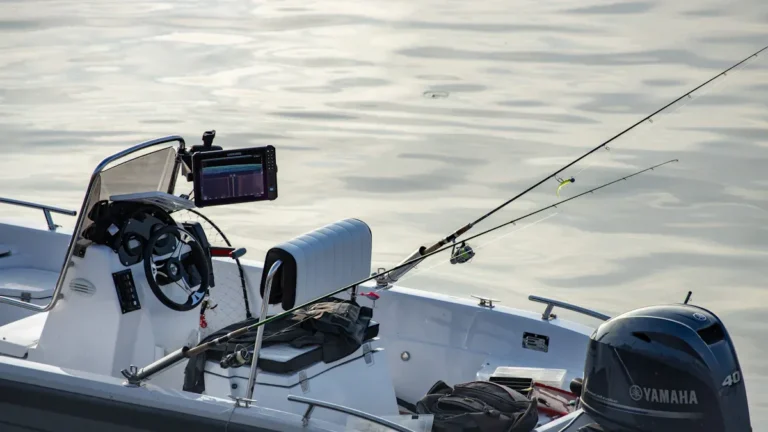
On a boat, from the bank, or in a kayak, setting up your gear the right way will make the whole day more relaxed and fun, and you’ll catch more fish because you’ve anticipated ahead. You’ll feel part of the water whenever your gear is organized and ready. Consider where to place rods, tackle, and safety items so you don’t fumble a cast. Learn simple boat anchoring for stable drift and mark spots. In a kayak, focus on kayak stability and balanced load to keep you comfortable and confident.
- Stow rods, pliers, and polarized glasses where you can reach them fast
- Secure tackle boxes and loose gear so nothing slides or sinks
- Plan casts and landings with a buddy or nearby anglers for safety and shared tips
Maintenance Checklist: Care for Rods, Reels, and Line
Because gear that’s clean and checked will save you time, money, and missed fish, you’ll want a simple routine for caring for rods, reels, and line before and after each trip. You belong to anglers who look out for each other, so check guides for cracks, tighten reel seats, and wipe rod blanks with a damp cloth. Use gentle line cleaning to remove grit and salt from braided or fluorocarbon line. After a wet day, dry reels, loosen drag, and store reels in cool dry places for proper reel storage.
| Item | Action | Frequency |
|---|---|---|
| Rods | Inspect guides, wipe down | Each trip |
| Reels | Rinse, lubricate, dry | After use |
| Line | Clean, check for nicks | Weekly |
Freshwater Fishing Starter Checklist (Compact & Budget-Friendly)
You’re ready to start fishing without spending a lot, so focus on one versatile rod and reel combo that covers most freshwater situations.
Pack basic tackle like assorted hooks, split-shot and tungsten weights, a couple soft plastics, a small crankbait or spinner, and live bait options such as worms or minnows.
Keep a few spare line spools, pliers, and a compact tackle box so you’re organized and confident at the water.
Essential Rod And Reel
Start simple and pick a rod and reel combo that feels comfortable and ready for many situations, especially if you prefer a compact, budget-friendly setup that won’t frustrate you on the water.
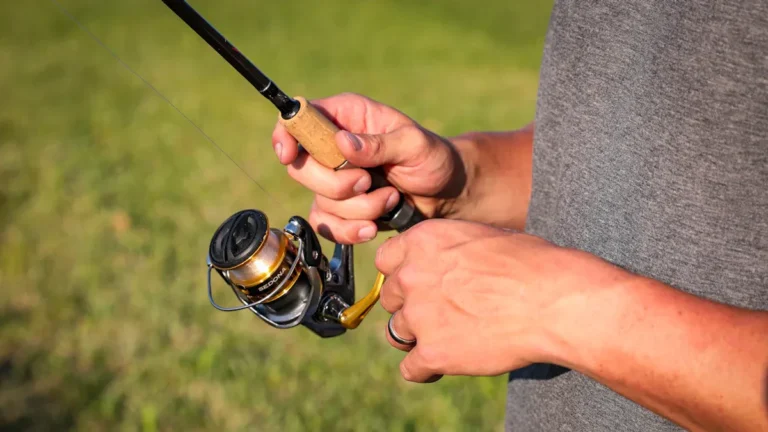
You want gear that fits your hands and wallet, so pay attention to rod ergonomics and reel balance during trials. A medium action two-piece spinning rod with a small spinning reel often covers most freshwater needs.
It lets you cast light lures and handle panfish to bass.
- Choose a spinning combo for ease and versatility that welcomes beginners and friends.
- Check handle comfort and grip material to reduce fatigue on long outings.
- Match reel size to rod length and target species for smooth casting and reliable drag.
Bring a friend and learn together.
Basic Tackle And Baits
Grab a small tackle box and let’s make your initial kit simple, useful, and wallet-friendly; you’ll be glad you kept things compact as you head to the water.
Start with versatile hooks, split shots, egg sinkers, and a few tungsten weights so you can rig for depth and cover.
Add a selection of soft plastics, spinners, a couple crankbaits, and live baits like worms or minnows that match local baitfish to enhance success.
Include extra line, swivels, snaps, a bobber, and pliers for safe handling.
Learn seasonal patterns so you change baits and depths through the year.
Try DIY lures for fun and savings, then refine choices through watching what your new fishing friends catch nearby.
Frequently Asked Questions
Can I Fish With a Single Rod for All Freshwater Species?
Yes - you can, provided you choose versatile setups that cover most situations, but you’ll sometimes want species specific tackle for bigger or picky fish; you’ll fit right in learning whenever and why to swap gear.
What Licensing and Legal Rules Apply to Different Waters?
Check state regulations, follow boundary markers, obey seasons, bag limits, and permit types; carry your license, respect private vs public waters, report catches where required, and join local anglers’ groups for support and updates.
How Do Weather and Season Affect Lure Selection?
You’ll pick lures based on season: colder water temperature and low light conditions mean slower, larger-profile lures and deep-running presentations; warmer water and bright light favor faster, smaller, topwater or flashier baits to provoke active strikes.
Are Live Baits Allowed or Restricted Locally?
Absolutely - you’ll need to check bait restrictions and local ordinances; some places ban live bait to protect ecosystems. Don’t worry, though, you’ll find community resources and friendly officers to help you comply and belong.
How Do I Transport and Secure Gear in Small Vehicles?
Use rod sleeves for protection, stow rods horizontally or upright with anchor straps to prevent shifting, pack tackle in labeled bins, secure loose gear with bungee cords, and keep a communal bag for shared essentials so everyone’s included.