Book Appointment Now

15 Fishing Techniques Every Angler Should Know
ByIMRAN
Mastering various fishing techniques significantly enhances your skills as an angler. Understanding fish behavior and environmental conditions leads to greater success on the water. For instance, knowing when to fish and what gear to use can dramatically increase your catch rates. Technological advancements, like digital mapping tools, also provide real-time data that help you make informed decisions. With the diverse fishing techniques available today, ranging from traditional methods to modern approaches, you have the opportunity to refine your skills and enjoy a more rewarding fishing experience.
Key Takeaways
Master various fishing techniques to enhance your skills and increase your catch rates.
Use the right bait for the fish species you target; live bait often yields better results.
Practice casting techniques to improve distance and accuracy, especially in saltwater fishing.
Engage in catch and release practices to help maintain fish populations and protect the environment.
Join the fishing community to share experiences and gain valuable insights for a more rewarding fishing journey.
Freshwater Techniques

Bait Fishing
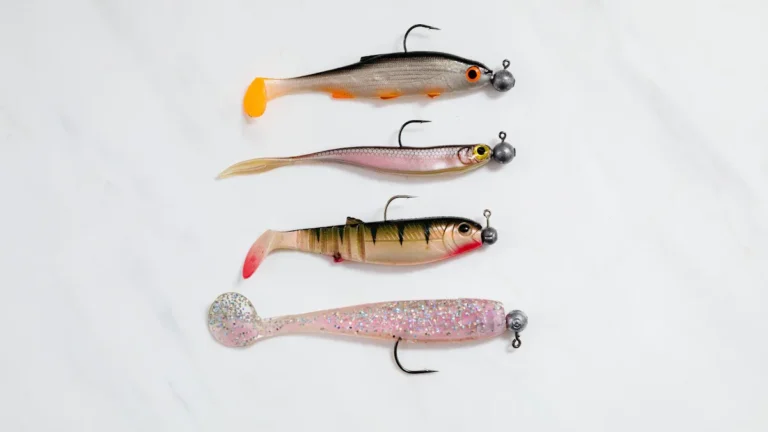
Bait fishing is one of the simplest and most effective fishing techniques. You can use live or dead bait to attract larger fish. This method adapts well to various water types, making it popular among anglers. Here are some effective bait types:
Lure Type | Description | Best For |
|---|---|---|
Crankbaits | Hard-bodied lures mimicking baitfish movement, available in floating/sinking. | Bass, pike, predatory fish |
Jigs | Weighted head with hook, often with skirts or trailers for movement. | Bass, walleye, panfish |
Spinnerbaits | Lures with spinning blades creating flash and vibration. | Bass, predatory species |
Spoons | Concave metal lures that wobble and flash, mimicking injured baitfish. | Trout, pike, saltwater species |
Fly Fishing
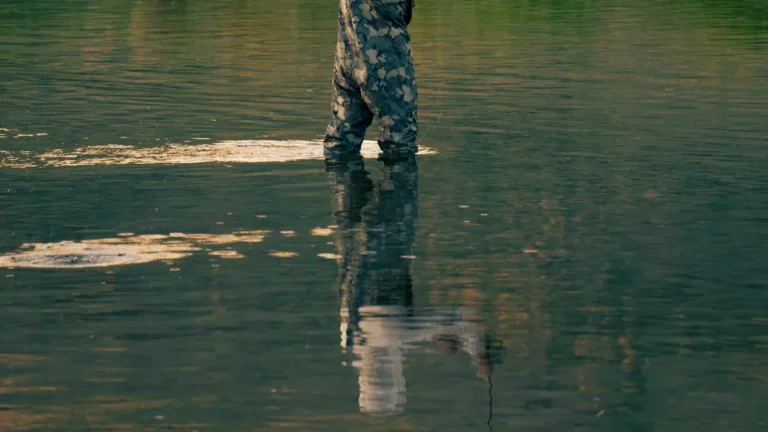
Fly fishing offers a unique experience. You use artificial flies to mimic prey, requiring specialized gear and skills. This technique excels in low, clear water, especially in fast currents. Fly fishing fosters a deeper connection with the environment. You must read the water and identify prevalent insects to adjust your techniques. This method encourages active engagement with the fishing environment.
Spinning
Spinning is another popular technique among anglers. It involves using a spinning reel to cast and retrieve lures. This method is suitable for beginners and effective for catching smaller fish. Spinning allows for long casts, covering more water and increasing your chances of encountering fish. You can present larger lures, which often appeal to specific fish species.
Trolling
Trolling involves moving a boat while dragging bait or lures through the water. This technique covers more area, helping you find fish more effectively. The recommended trolling speed varies based on the method. For example, gang trolls with wedding rings work best at 1 mile per hour, while larger plugs or Apex lures with a dodger perform well at 2 miles per hour.
Best Fishing Knots
Tying knots is crucial for successful fishing. The strength of your knot can affect your catch rate. Here are some of the best fishing knots:
Knot Name | Breaking Strength | Pros | Cons |
|---|---|---|---|
FG Knot | Highest | Thinnest knot with highest breaking strength | Requires strong cinch before cutting tags |
PR Bobbin Knot | Strong | Extremely strong when tied correctly | Requires tools and time to tie |
6 Turn Surgeon’s Knot | Strong | Quick to tie and strong breaking point | Bulkier and slightly weaker than FG knot |
Mastering these knots will improve your knot strength and overall fishing success.
Saltwater Techniques

Surf Fishing
Surf fishing allows you to catch fish from the shoreline. You can target species like striped bass and flounder. To succeed, you need specific gear. Essential items include:
Fishing Line: Use monofilament line rated between 15-30 pounds and a fluorocarbon leader line.
Terminal Tackle: Circle hooks (size 2-5), pyramid sinkers (1-4oz), and barrel swivels are crucial.
Bait Options: Live bait like shrimp and sand crabs work well, as do cut baits like mackerel.
Personal Items: Lightweight, quick-dry apparel, sun protection, and a bait bucket are important.
Safety Gear: Always carry a first aid kit and emergency tools.
Deep Sea Fishing
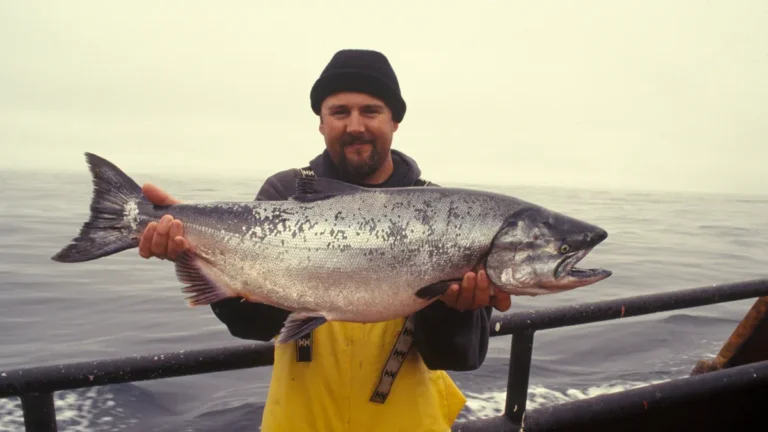
Deep sea fishing takes you far from shore, targeting larger fish like swordfish and blue sharks. You can expect an exciting experience with high catch rates. Common species include:
Swordfish: 81 caught
Blue sharks: 34 caught
Pelagic stingrays: 16 caught
Loggerhead turtles: 11 caught
This technique requires specialized equipment and knowledge of ocean currents.
Jigging
Jigging is effective in both saltwater and freshwater, but techniques differ. In saltwater, you often use heavier jigs to reach the bottom in strong currents. Techniques like vertical jigging target species such as grouper and amberjack. In contrast, freshwater jigging involves lighter jigs and shorter hops, effective for bass and trout.
Live Bait Fishing
Using live bait can significantly increase your chances of catching fish. Effective options include:
Type of Live Bait | Description and Method of Use |
|---|---|
Crabs | Use hard-shell or soft-shell crabs, hooking through the shell to keep them alive. |
Cut Bait | Fresh cut bait should be firm and smell fresh. Use fish with clear eyes and red gills. |
Clams and Mussels | Gather fresh native clams and mussels, preparing them properly to stay on the hook. |
Shrimp | A favorite among saltwater fish, shrimp can be hooked in various ways to maintain action. |
Squid | Effective for many fish, squid can be used whole or cut into pieces. |
Casting
Casting is crucial for saltwater fishing. To maximize distance and accuracy, practice in open areas. Start with short, controlled casts and gradually increase distance. Here are some tips:
Face your target and point the rod down and off to your side.
For casting to structures like mangroves, use side-arm casts.
Offshore, overhand casts work best for accuracy and distance.
By mastering these techniques, you can enhance your fishing experience and become a more skilled angler.
Specialized Fishing Techniques
Ice Fishing
Ice fishing is a unique experience that allows you to fish in frozen waters. To stay safe, follow these essential precautions:
Dress in layers to combat cold temperatures and prevent hypothermia or frostbite.
Check the ice thickness before stepping on it; avoid areas with less than 2 inches of ice.
Bring rescue equipment like ropes and ice picks for emergencies.
Wear waterproof clothing to stay dry if you fall into the water.
Use a life jacket or flotation device for added safety.
Never go ice fishing alone; always have a companion.
Inform someone about your whereabouts for safety.
Bring food and water to stay energized and hydrated.
Know when to leave the ice if weather conditions worsen.
Catch and Release
Catch and release fishing helps maintain fish populations. This technique allows you to enjoy fishing while minimizing harm to the fish. However, improper handling can lead to increased mortality rates. Here are some best practices:
Use barbless hooks to reduce injury.
Handle fish gently and wet your hands before touching them.
Release fish quickly to minimize stress.
Research shows that while catch-and-release fishing can increase fish populations, it may also lead to behavioral changes in fish, such as hook shyness.
Night Fishing
Night fishing offers a different thrill. You can target species that feed more actively after dark. To ensure safety and effectiveness, consider these tips:
Know your fishing waters before dark to avoid hazards like submerged rocks.
Inform a responsible person of your fishing itinerary for emergency planning.
Use lures that produce vibrations to attract fish.
Focus on prime night fishing sites like structures and lighted docks.
Kayak Fishing
Kayak fishing provides a unique way to connect with nature. This method allows you to access shallow waters and tight spaces that larger boats cannot reach. Here are some advantages:
Kayaks are less noticeable to fish, increasing your chances of a successful catch.
You can cast your lures more effectively by positioning your kayak in optimal locations.
The thrill of catching fish feels amplified when done from a kayak.
Bank Fishing
Bank fishing is a straightforward technique that allows you to fish from the shore. This method is accessible and requires minimal gear. You can target various species, including bass and catfish. To enhance your experience, scout for areas with structures like fallen trees or rocks, as these attract fish.
By exploring these specialized fishing techniques, you can expand your skills and enjoy new fishing experiences.
Practicing various fishing techniques enhances your skills and boosts your confidence on the water. You may face challenges like choosing the right gear or knowing where to fish. However, consistent practice helps you overcome these hurdles. Engaging with the fishing community can provide valuable insights and support. Sharing experiences and tips fosters a sense of belonging. Remember, fishing is not just about the catch; it’s about the joy of the journey and the connections you make along the way. 🎣
FAQ
What is the best time to go fishing?
The best time to fish often depends on the species you target. Early morning and late afternoon usually yield the best results. Fish tend to be more active during these cooler parts of the day.
What type of bait should I use?
The type of bait you use depends on the fish species. Live bait like worms or minnows works well for many freshwater fish. For saltwater fishing, consider using shrimp or squid to attract larger fish.
How do I choose the right fishing gear?
Choosing the right gear involves considering the type of fish you want to catch and the fishing environment. A spinning rod and reel setup is versatile for beginners. For specialized techniques, like fly fishing, you’ll need specific equipment.
Can I fish from a kayak?
Yes, kayak fishing is a popular method. It allows you to access shallow waters and tight spots. Ensure you have the right safety gear and know your local regulations before heading out.
What should I do if I catch a fish I want to release?
If you plan to release a fish, handle it gently. Use barbless hooks to minimize injury. Wet your hands before touching the fish to protect its slime coat, and release it quickly to reduce stress.