Book Appointment Now

Fishing Setup Simplicity: Avoid Overcomplicating Gear

Keeping gear simple makes fishing more enjoyable and more productive. Pick one 6–7 ft medium spinning combo, 6–8 lb mono, a short fluorocarbon leader, and three versatile lures like a softbait, spinner, and small crank. Add pliers, clippers, spare hooks, split shot, and a tiny first-aid kit in a compact sling. Trim duplicates, rotate gear after trips, and do quick maintenance so adjustments are fast and confident on the water.
Why a Simple Fishing Setup Wins More Often
Often you’ll find that a simple fishing setup outperforms a complicated one because it keeps you focused on the water and the fish instead of your gear. You’ll feel more connected whenever you strip choices down to what matters. A basic rod and reel, clear monofilament, a couple hook sizes and a few lures keep mental focus sharp and reduce decision fatigue.
You’ll make faster, smarter adjustments on the bank. Friends who want belonging will appreciate sharing simple routines that work. You’ll trade gadget anxiety for easy rituals like tying a Uni knot, checking your line, and casting with confidence. That steadiness helps you read water, notice subtle bites, and enjoy being part of a welcoming fishing group.
Quick 10-Item Minimalist Fishing Kit
You’ve already seen how a simple setup sharpens your focus and helps you read the water better, so now let’s get practical with one compact kit you can grab and go.
Pack ten items that fit one small bag and feed your confidence. Include one rod and reel combo you love, a spool of 6 to 8 pound line, a small selection of hooks in varied sizes, split shot and a couple sinkers, a few softbaits and a spinner, a couple small crankbaits, a swivel and some leaders, needle-nose pliers, a landing net, and a basic primary aid or license pouch. This minimal tackle list favors compact storage and easy choices. You’ll feel part of a group that fishes simply and well.
Pick One Rod and Reel for Most Trips
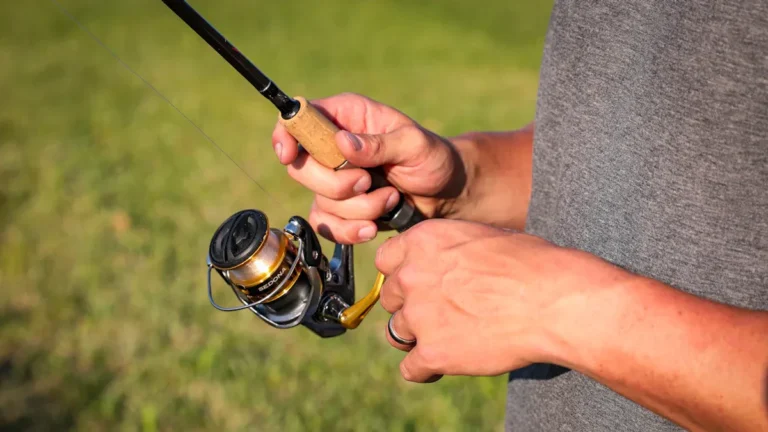
Pick one rod and reel and you’ll cut decision fatigue, travel lighter, and fish more. You’ll feel welcome in the water once you commit to a single rod strategy that fits most outings. Choose a 6 to 7 foot medium power fast action spinning rod and pair it with a 2000 to 3000 size reel selection for balance and confidence. This combo handles panfish, bass, and simple lure work. You’ll cast farther, fight fish with less fuss, and teach friends your setup easily.
| Feature | Benefit |
|---|---|
| Rod length | Versatile casting |
| Power/action | Controls varied baits |
| Reel size | Smooth retrieve |
| Weight/balance | Less fatigue |
You’ll enjoy belonging to a group that fishes simply and effectively.
Choose the Right Line and Leader for Versatility
You’ll want to match your mainline to the species you’re after, so lighter 6 to 8 pound mono works for panfish while braid gives you extra durability for bigger fish.
For leaders, pick material based on visibility and stretch; fluorocarbon hides better and mono stays more forgiving.
Balance strength and flexibility using a 12 to 24 inch leader and a strong knot like the Uni so your setup stays versatile and confident on most trips.
Match Line To Species
Fishing line is the quiet bridge between you and a catch, and choosing the right line and leader makes the trip less frustrating and more fun.
You want simple line selection that fits the fish you chase. Match lighter 6 to 8 pound mono to panfish and trout for stealth. Move to 10 to 20 pound braided mainline when species targeting includes bass or heavy cover. Add a short clear leader for shy fish without overcomplicating things. Use knots you trust and keep spare spools for quick swaps. Consider habitat and bait size as you pick strength and visibility. You belong to anglers who keep it straightforward. Swap lines calmly, learn what works, and enjoy more bites together.
Choose Leader Material
Leaders matter whenever you want versatility on the water, and choosing the right material lets you switch from clear-water trout to heavy-cover bass without second guessing. You want a leader that fits conditions and helps you feel confident. Fluorocarbon vs. Braided choices matter for visibility and abrasion resistance. Fluorocarbon sinks and hides near lures, so it reduces spook in clear water and links naturally to monofilament or braid.
Braided leaders give strength without stretch, so anglers use a short section whenever heavy cover is expected. Coating Impact affects knot slippage and sensitivity, so check knots and trim tag ends carefully. You’ll belong to a small community of thoughtful anglers whenever you choose leaders that match technique, structure, and fish behavior.
Balance Strength And Flexibility
Once you pick line and leader, consider about how strength and stretch work together so you get both control and bite feel. You want mainline strength for hooksets and a leader that gives subtle bite feedback. Match monofilament or braid to rod resilience so your rod and line share load without fighting.
Choose a short fluorocarbon leader to hide presentation while keeping spine flexibility near the hook. This lets you play fish with confidence and feel light taps. Use a slightly stretchy mainline whenever you need shock absorption, and stiffer leader for hook hold.
Tie with a reliable uni knot and trial connections before you cast. You belong to anglers who value simplicity and smart choices that work on every outing.
Carry Three Essential Lures and Baits
You’ll want three versatile lures that cover most water and fish situations so you can stay flexible and catch more.
Start with a small softbait for finesse, add a spinner for cover and movement, and carry a compact crankbait for deeper or snag-free retrieves, plus a handful of live worms or crickets as natural backup.
Pack quantities like six softbaits, three spinners, two crankbaits, and a dozen live baits to keep you fishing without constant resupply.
Three Versatile Lures
As you head out with a simple tackle box, carry three versatile lures and a few basic baits that cover most fishing situations and keep choices stress free.
Initially, pack soft plastics like small worms and grubs for softbait selection and finesse techniques. They work slow or twitched, and you’ll connect with shy fish.
Second, add a small spinner. It casts easy, flashes attractively, and it lets you cover water quickly whenever fish move.
Third, bring a shallow crankbait that bumps structure and imitates baitfish, giving you a different action than plastics and metal.
Pair these lures with live worms or minnows and a few extra hooks. You’ll feel prepared, part of the fishing group, and ready for varied water and moods.
Bait Quantities Guide
A few well-chosen lures and baits will save you time, space, and worry on the water, so plan quantities that match how long you’ll fish and what you hope to catch.
You’ll carry three essential types: a softbait, a small crank or spinner, and a natural bait like worms. Aim for optimum bait counts: three softbaits, three hardbaits, and a dozen natural baits for a half day.
For full days, double those numbers. Rotate choices throughout the season with a seasonal bait rotation plan that favors bright plastics in summer and subtle naturals in spring and fall.
Bring extra hooks, a few split shots, and spare leaders. You’ll feel ready, confident, and connected to your fishing buddies.
Five Rigging Basics That Replace Extra Gadgets
Whenever you strip down to five rigging basics, you’ll find fewer gadgets and more confidence on the water. You’ll want Rig essentials like a reliable hook, a short fluorocarbon leader, a simple swivel, a small sinker, and clear mainline. Each piece does a job so you can skip fancier Gadget replacement items and still catch fish.
Use a Palomar or Uni knot to tie the hook, then attach leader to swivel, and add sinker above the swivel. This setup keeps things strong, stealthy, and easy to adjust. Bring extra hooks and two sinker weights to cover depth changes. You’ll feel included on the water understanding your simple rig handles most situations with calm effectiveness.
Simple Rigs: Topwater, Bottom, and Jigging Setups
You’ll get more bites and less fuss once you learn three simple rigs: topwater, bottom, and jigging setups.
You’ll feel like part of a friendly group whenever you master a clean topwater presentation. Use a lightweight rod and match a floating lure to wake the surface. Work gentle pops and subtle twitches to invite strikes.
For bottom bouncing, tie a simple sinker above a swivel and let your bait patrol weeds and structure. Keep line slack and lift with a steady rhythm so you feel every tap.
Jigging cadence blends both ideas. Drop a small jig, then lift in short pulls and slow drops, mixing sharp snaps with softer pauses. These three rigs cover most days and keep gear light.
Tackle Box Essentials for a Minimalist Setup
One compact tackle box can hold everything you need for a minimalist setup, and it’ll make your fishing trips calmer and more productive. You’ll pack essentials that cover most situations without clutter.
Start with a few hooks in sizes six to two, split shot and egg sinkers, and a couple swivels. Add small softbaits, a spinner, and a crankbait that match local species. Include a spool of six to eight pound monofilament and a short fluorocarbon leader.
Keep pliers, clippers, and a small landing net sectioned neatly. Store a simple emergency kit with bandages, antiseptic wipe, and a multitool. Label compartments so you and your fishing friends share gear easily.
This setup helps you feel ready and connected on every trip.
Seven Tools and Accessories You Can Leave at Home
You don’t need a junk drawer of terminal tackle cluttering your box, so leave excessive hooks swivels and duplicate sinkers at home.
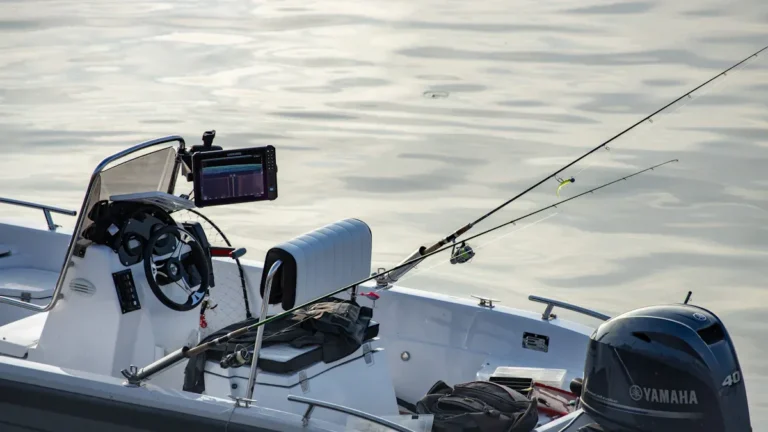
You also won’t miss multiple rod holders for a simple shore or small-boat trip, since one well-chosen rod and reel keeps you focused and mobile.
These cuts save weight reduce decisions and help you enjoy fishing more.
Excessive Terminal Tackle
Trim the clutter and lighten your pack without losing effectiveness on the water. You want gear that works and connects you to the group, not a tackle box that breeds excessive tackle and decision fatigue. Choose a few hook sizes, two sinker weights, one swivel type, and a small handful of rigs you trust. That keeps choices simple and confidence high.
Pack pliers, clippers, and a basic net instead of endless gadgets. Whenever you share tips and swaps with friends, you feel included and competent. Less gear helps you focus on casting, reading water, and enjoying company. Keep extras minimal, labeled, and easy to access so your day stays calm, social, and productive.
Multiple Rod Holders
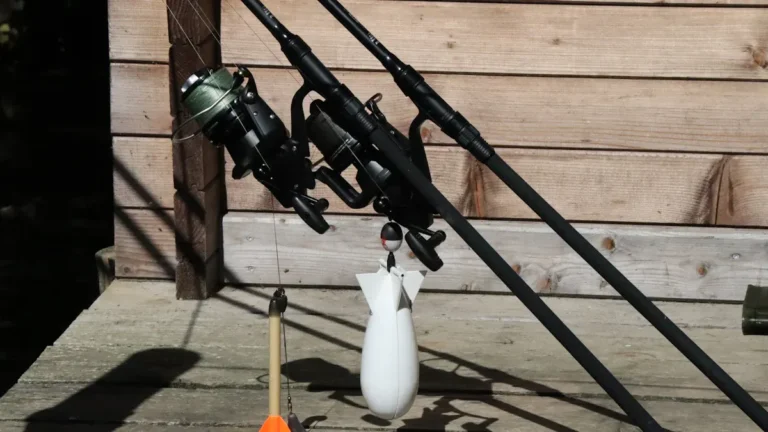
Skip the extra rod holders that crowd your boat and backpack and focus on the few that actually make fishing easier. You don’t need a wall of rod rack clips or dozens of boat mounts to feel prepared. Pick one versatile rod rack for shore trips and one set of reliable boat mounts provided that you fish from a boat. That gives you secure storage, quick access, and less clutter.
Whenever you travel, one compact rack saves space. Whenever you guide friends, a couple of mounts keep rods safe and shared. You’ll feel like part of the group whenever gear is simple and usable. Let go of excess, choose quality over quantity, and enjoy fishing together with gear that helps rather than hinders.
Match Your Setup to the Water and Target Species
Once water type and target species guide your choices, you’ll build a setup that feels confident and simple to use. You’ll consider shore adjustments and species timing together so you pick gear that fits place and season. Match line weight, lure size, and leader length to water clarity and depth. Pick rods and reels that let you cast where fish feed and retrieve at natural speeds. Include a few terminal tackle options so you can adapt without clutter.
- Use lighter line and small baits in clear water for wary fish.
- Choose heavier leader and bigger lures in snaggy or rough water.
- Time your trips around feeding windows to simplify lure choices.
- Make shore adjustments by changing sinker or float depth for structure.
Pack Light: Bags, Packs, and Quick-Access Tips
Now that you’ve matched your setup to the water and species, packing light keeps those choices ready and easy to reach as conditions change. You want gear that supports your confidence and sense of belonging on the water.
Choose compact slingbags that sit close to your body so you can move and cast without fuss. Inside, use waterproof pouches for line, hooks, and softbaits to prevent mess and loss. Keep pliers, clippers, and spare leaders in easy pockets. Stash a small medical kit and license near the top so you can show or use them fast.
Rotate items after each trip to weed out what you never touch. Pack with care and you’ll feel calm, capable, and included.
Maintain a Minimalist Setup With Simple Care
Care for your minimalist fishing setup the way you care for a trusted tool and it will keep you fishing with less fuss and more confidence. You belong to a group that values simple, reliable gear. You’ll keep that trust through doing routine maintenance and choosing compact storage that fits your life. Follow friendly, clear steps so your kit stays ready and light.
- Clean rods and reels after use with fresh water, dry them, then oil moving parts.
- Inspect line and leaders for nicks, trim or replace whenever needed to avoid lost fish.
- Organize terminal tackle in small labeled boxes so you find hooks and sinkers fast.
- Store combos upright in a dry case or rack to prevent warping and tangles.
These acts keep your setup honest, useful, and shared with friends.
Save Money: How Simplifying Cuts Gear Costs
You can cut costs through buying only what you really need, like a reliable rod and reel combo, a spool of line, a few hooks, and basic tools.
Then you can stretch your budget further through repairing frayed line, swapping worn hooks, and reusing lures instead of replacing them.
Keep it simple and practical, and you’ll save money while still enjoying more time on the water.
Spend On Essentials Only
As you’re starting out, spending only on essentials keeps fishing fun and affordable, and it helps you learn faster without clutter or buyer’s remorse.
You’ll want budget essentials that cover rod reel line hooks and a few tools. Prioritize durability so your gear lasts through lessons and shared outings.
Buy a simple 6 to 7 foot medium spinning combo and a spare spool of 6 to 8 pound monofilament.
Add a small kit of hooks sinkers swivels and a bobber plus pliers and clippers.
You’ll feel confident and welcome whenever you bring reliable gear that other anglers respect.
- Rod reel combo
- Line leader options
- Terminal tackle kit
- Pliers net license
Reuse And Repair Gear
Often you can save a lot through fixing and reusing what you already own instead of chasing new gear. You belong to a community that values smart choices. Start learning to repair knots and to spot line wear. You can restring reels, replace handles on nets or rods, and mend softbaits. Small fixes keep setups familiar and affordable.
| Task | Why it helps |
|---|---|
| Repair knots | Keeps connections strong, avoids lost fish |
| Replace handles | Restores comfort, extends tool life |
| Restring reels | Smooth casting, prevents failures |
| Mend lures | Preserves action, saves money |
You’ll feel confident swapping parts, using pliers, and practicing simple rigs. These actions lower costs and deepen your connection to the sport and to others who share tips.
Troubleshoot Common Problems With Fewer Tools
Tackle small fishing problems with calm and simple steps so you don’t need a toolbox full of gear. You belong here, and you’ll learn to trust simple fixes. Use line diagnostics and watch bite indicators to spot issues fast. Start upon checking knots, then mainline abrasions, then lure action, then drag setting.
Follow these steps:
- Inspect knots and leaders for frays, retie when unsure.
- Run line diagnostics through pulling line through guides to find rough spots.
- Observe bite indicators like bobbers or rod tip for subtle takes, adjust sensitivity.
- Check lure action and tweak split shot or hook size to restore presentation.
Keep a small kit: pliers, clippers, spare leaders, and a few hooks. You’ll stay ready and connected to others who fish simply.
Seasonal Tweaks to Keep Your Setup Minimal Year-Round
As the seasons change, you don’t need a garage full of gear to stay effective on the water; you just need a few smart tweaks that match weather, water, and fish behavior. You’ll keep gear minimal via swapping a few core items. Adjust line and leader for cold water whenever fish slow, and step up sinker weight for stronger winter currents.
Match baits and lures to seasonal feed patterns without carrying dozens. Change seasonal clothing layers so you stay comfortable and focused, not bulky.
For ice fishing adaptations, carry a compact auger, shorter rod, and bright jigs for low light. Pack basic tools, a small first aid kit, and extra batteries. These choices keep you prepared, confident, and connected to fellow anglers.
Frequently Asked Questions
Can I Fly-Fish Effectively With This Minimalist Spinning Setup?
Yes-you can, and funny enough you’ll surprise yourself: your minimalist spinning rig works for casual fly-style fishing provided you adapt ultra light casting, practice line management techniques, and join others who enjoy simple, shared angling moments.
What Safety Gear Should I Always Carry Beyond Fishing Tools?
You should always carry primary aid supplies, a life jacket, sunscreen, polarized sunglasses, insect repellent, waterproof matches or lighter, whistle, and a charged phone or VHF; you’ll feel safer and included on every trip.
How Do I Transport Fish Home Humanely and Legally?
“Easy does it”: you’ll keep fish cool in aerated livewells or ice-slurry, perform humane dispatch promptly, carry legal documentation (licenses, catch limits), and travel with secure containers so everyone’s safe, respectful, and compliant.
Are There Local Regulations That Affect My Simplified Rig Choices?
Yes - you’ll need to follow license zones and bait restrictions that vary locally, so check rules before fishing. You’ll belong to responsible anglers through complying, keeping rigs simple while honoring size, season, and bait limits.
Can I Adapt This Minimalist Setup for Kayak or Shore Fishing?
About 70% of anglers find minimalist rigs work well; you can adapt yours for kayak balance through stowing gear low and secure, and for shore access through keeping a compact rod bag, sharing tips, and staying mindful of others.