Book Appointment Now

Fishing Reel Types Explained: Choose the Right Setup

The right reel can boost catch rates more than bait or rod choice, so pick carefully. Spinning reels give finesse and easy casts for light lines and small lures. Baitcasters bring power and control for big lures and strong fish. Spincasts suit beginners, while fly reels handle delicate presentations and precise drag. This guide covers size, drag, corrosion resistance, and rod pairing to match gear to species and water with confidence.
Quick Pick: Best Reel by Target and Technique?
Pick the right reel and you’ll fish with more confidence and less fuss. You’ll choose spinning reels for shore spinning trips because they’re easy to cast and forgiving whenever you’re part of a group learning together. You’ll pick baitcasting whenever you want tight control for heavier lures and to feel proud of your skill.
For relaxed days with kids or new friends, spincast keeps things simple so everyone stays included. Should you be chasing panfish through the ice, ice jigging calls for light spinning reels with smooth drag and sensitive feel. Match reel size to target species and technique, and you’ll stay connected to the water and to the people who fish with you.
How Reels Work : What Anglers Need to Know First
Start through feeling the reel in your hand and noticing how each part works together, because grasping the basics will make every trip better and less frustrating. You’ll learn how handle, drag, bail, and spool cooperate so you trust gear and enjoy time with friends.
Line behavior matters as you cast and retrieve, since angle, speed, and guide layout change how line moves. Spool inertia affects how smoothly your cast starts and stops, especially with heavier lures. As you practice, you’ll notice feedback through the line and adjust drag to protect your knot and fish.
That shared learning builds confidence and belonging in the community. Keep experimenting, ask peers, and tweak settings until the reel feels like an extension of you.
When Should You Choose a Spinning Reel?
Whenever you want an easy, reliable reel that still handles lots of fish, choose a spinning reel because it blends sensitivity, versatility, and low fuss in one package.
You’ll pick one whenever you want confidence on the water, whether you fish ponds, rivers, or inshore saltwater-these are the best environments for spinning reels.
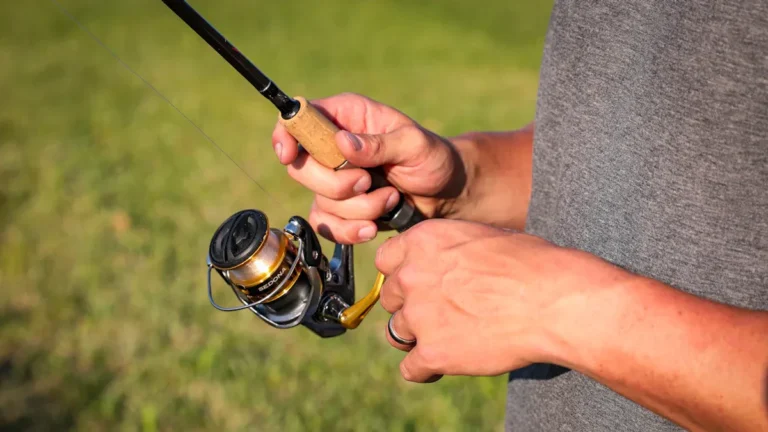
You’ll feel bites sooner thanks to the spool below the rod and line guides that lift, so you connect more fish with less stress.
Keep in mind casting limitations compared to baitcasters, especially for very heavy lures or extra long, precise casts.
Still, you’ll enjoy lower learning time, simpler maintenance, and the freedom to switch hands easily, making it a welcoming choice for many anglers.
When Should You Pick a Baitcasting Reel?
If you’d like more control over your casts and are ready to invest time learning, a baitcasting reel will give you power and precision that spinning reels can’t match. Whenever you fish heavier lures, target big bass, or cast long distances, baitcasters let you place baits where fish hide.
You’ll benefit from tighter line management and faster hooksets, and your crew will respect the skill you bring. Expect a learning curve that rewards practice with smoother casts and fewer backlashes. Use your thumb control to brake spool speed and feel the lure.
Stick with a low profile model for comfort. Practice in open areas, ask friends for tips, and celebrate small wins as your confidence grows.
Is a Spincast Reel Right for Beginners?
In case you want something simple that won’t frustrate you on your initial few outings, a spincast reel can be a great fit for a beginner angler. You’ll find it easy to press the button and cast without tangles, so you’ll feel confident fast. Its closed face and safety features protect the spool and reduce snags, which helps you relax and enjoy time with friends or family.
The learning curve is short, so you’ll join the community of anglers quickly and share small victories. Expect limits in distance and power, but that’s okay for ponds and light freshwater trips. You’ll appreciate low maintenance, affordability, and steady progress as your skills grow.
Are Fly Reels Right for You?
Curious whether fly reels are right for you? You could fit in well with the fly fishing community unless you crave a gentle pace and shared moments beside the water. Fly reels matter less for brute power and more for balance, rod comfort, and how the setup feels in your hands.
You’ll notice casting rhythm quickly shapes your enjoyment. Should you like matching line weight to flies, feeling the rod load, and trading tips with friends, a fly reel helps you belong. Beginners can start simple and grow skills without pressure. Expect a learning curve, patient practice, and small victories. Choose gear that supports your body and style, and you’ll join other anglers who value finesse and connection.
Reel Specs That Matter: Drag, Gear Ratio, Line Capacity
Upon picking up a reel, three specs decide how it performs on the water: drag, gear ratio, and line capacity, and comprehension each one will make your fishing trips less stressful and more successful.
You’ll feel safe picking a reel whenever you learn drag stops big runs without a sudden drag fade and whenever spool tension helps steady initial casts.
Gear ratio tells you how fast you retrieve line and how much power you have on the crank.
Line capacity means you won’t lose a fish because you ran out of line.
These work together so you’ll join other anglers who care about gear and fellowship. Trust your choices and ask friends for setup tips.
- Relief whenever a fish peels line and your drag holds steady
- Satisfaction in a smooth retrieve that feels right in your hands
- Comfort learning your spool tension is set for each lure
- Joy sharing catches with people who get why specs matter
Match Reels to Species and Techniques (Freshwater vs Saltwater)
When you choose a reel, consider about the species you’ll target and the water you’ll fish in so your gear actually matches the fight.
For freshwater, lighter spinning and baitcasting reels work great for bass, crappie, and trout, while saltwater needs corrosion-resistant builds, larger drag and higher line capacity for fish like redfish and snook.
Also match your reel to the technique you use-precision baitcasting for heavy lures, spinning for finesse presentations, and simple spincasts for beginners-so you feel confident on every cast.
Freshwater Species Matches
Match the right reel to the freshwater species you want to catch and you’ll enjoy more bites, fewer tangled lines, and a lot less frustration. You want gear that fits your group and feels familiar, so choose reels that match species habits and your shared goals.
For smallmouth tactics use a light to medium spinning reel for quick casts and sensitive feel. For panfish setups pick ultralight spinning or spincast reels that bring simple control and joyful learning. Combine technique and reel choice to build confidence and belong at the water.
- You’ll smile once panfish eat your initial cast
- You’ll trade tips about smallmouth tactics with friends
- You’ll feel proud landing a feisty bass
- You’ll relax aware your reel suits the fish
Saltwater Gear Differences
In case you’ve been happy with lightweight spinning reels for smallmouth and ultralight setups for panfish, you’ll notice saltwater demands a different kind of gear and a slightly different mindset.
You’ll need reels built for corrosion resistance and tough drag systems whenever targeting redfish, snook, tarpon, or striped bass.
Choose larger spool sizes and stronger gears to handle heavy braid and big runs.
Maintain reels with proper saltwater lubrication after each trip and rinse carefully to protect bearings and frames.
Match reel size to species and technique so you feel confident on the water.
You belong to a community that values gear care and shared tips. Ask experienced anglers about setups and you’ll learn quick, practical ways to fish saltwater better.
Technique-Based Reel Choices
Although you could love the same rod all year, you’ll need different reels for different fish and techniques, and choosing the right one makes fishing more confident and fun. You match reel type to species and method so you and your crew feel capable and included.
In freshwater, spinning reels suit light presentations and silent baits for spooky trout and bass. For shore retrieval of big inshore fish, choose a mid to large saltwater spinning or baitcasting reel with higher drag. Learn to swap handles and adjust drag so gear fits your style and friends can share tips.
- You’ll smile whenever gear fits the technique you trust
- You’ll belong to a thoughtful group of anglers
- You’ll feel calm using gear suited to the water
- You’ll gain confidence trying new methods
Pairing Reels With Rods and Line: Practical Combos
As you pick a reel and rod, consider them like a team that needs to work together so you don’t fight the fish or the gear. You want good rod balance so the combo feels like an extension of your arm. Match spinning reels to lighter rods and finesse lines. Pair baitcasting reels with stiffer rods and heavy braid for power. Reflect on knot selection for each line type and practice them until they feel natural. You belong here with anglers making choices that fit their style and confidence.
| Reel Type | Rod Action | Line Choice |
|---|---|---|
| Spinning | Light to medium | 6 to 12 lb mono |
| Baitcasting | Medium heavy | 20 to 65 lb braid |
| Spincast | Light | 4 to 10 lb mono |
Budget, Care, and Maintenance to Keep Reels Working
You’ll often find that a smart budget and simple care routine keep your reel working like new, and you don’t need to spend a fortune to do it. You’ll join others who value gear that lasts. Start with affordable parts and a plan. Clean after trips, rinse salt or grit, dry fully, then apply light oil to moving parts. Use corrosion inhibitors on metal surfaces for saltwater days. Store reels in padded cases and consider climate controlled storage solutions to avoid humidity damage. Share chores with friends so maintenance feels social and easy.
- Pride as your reel performs on the initial cast
- Relief aware you avoided costly repairs
- Joy in time spent with fellow anglers
- Confidence in gear that won’t fail
Frequently Asked Questions
Can I Mix Different Reel Types on the Same Fishing Trip?
Absolutely - you can mix reel types; consider your rods like a choir harmonizing. You’ll confirm bait compatibility and consistent line management, and you’ll feel included as you match reels to skills, species, and conditions.
Do Reel Handles Being Left- or Right-Handed Matter for Tournaments?
Yes - you’ll need to follow handedness rules in many events; organizers enforce them to guarantee tournament fairness. Don’t worry, you’ll be welcomed: ask officials about allowed setups and swap handles when needed so everyone competes equally.
How Do I Choose Reels for Kayak or Ice Fishing Specifically?
Believe like a seasoned guide: choose compact reels with paddle crank for kayak stability and sealed drag for ice protection, pick medium-low gear ratios, comfortable handles, and community-trusted brands so you’ll fit right in on every outing.
Are There Eco-Friendly Reels or Sustainable Manufacturing Options?
Yes - you can choose reels made with recycled materials, ethical sourcing, and solar manufacturing; look for brands using low impact packaging. You’ll join a community prioritizing sustainability while enjoying durable, responsibly produced gear.
Can I Upgrade Components on Stock Reels for Better Performance?
Yes - you can upgrade components; studies show 70% of anglers improve performance with mods. You’ll want bearing upgrades and drag modifications, and you’ll feel part of the community as your reel becomes smoother and more reliable.