Book Appointment Now

Fishing Gear Weight: Improve Casting Comfort

Comfort comes from gear that works together instead of fighting your wrist. Match lure and sinker weight to the rod’s casting rating, and pick a line that balances sensitivity and distance. Test combos at the reel seat so the blank loads in its mid-range, swap heavy lures for lighter options, and trim excess gear. Lighter reels, grips, or small counterweights cut shoulder fatigue and keep casts smooth.
How This Guide Helps You Pick Gear Weight
Because picking the right gear weight can feel confusing, this guide walks you through clear, practical steps so you’ll make better choices on the water. You’ll learn how gear ergonomics and user preferences shape comfort and control.
Start by checking rod ratings and matching lure weights so your rod loads smoothly. Then trial feel and balance in hand to spot tip heaviness or awkward grips.
Try variations in seated and standing positions to see what fits your body and typical water. Pay attention to line class and reel size since they affect handling.
Ask peers for their setups and try theirs whenever you can. These steps build confidence, help you belong to the angling community, and keep casting fun.
Why Gear Weight Matters for Comfort and Endurance
You’ll notice your arms and shoulders tire faster as your rod and reel feel heavy, so picking the right gear weight helps you fish longer without pain.
Balance matters too; if the reel sits naturally near the reel seat and the combo feels neutral, you use less muscle to cast and retrieve.
Pay attention to how gear weight and balance work together and you’ll protect your muscles while enjoying more casts.
Muscle Fatigue Thresholds
Whenever you fish for hours, gear weight moves from a minor detail to a make or break factor for your comfort and endurance; light, balanced setups let your muscles work efficiently so you can cast longer without pain.
You notice muscle thresholds whenever your forearm and shoulder start to tremble after repeat casts. Pay attention to recovery timing between sets of casts so as to avoid lasting soreness. Small changes in weight change how quickly you hit fatigue.
- Reduce wrist strain through trimming excess gear and choosing lighter lures
- Space casts with short rests so recovery timing helps reset muscles
- Swap grips or padding to lower pressure on tendons and delay muscle thresholds
- Share load with supportive straps or varied techniques to keep you casting together with friends
Rod And Reel Balance
Balance your rod and reel so casting feels like a natural extension of your arm, not a chore that wears you down. When you pair gear, do balance trials by holding the setup at the reel seat and noting postural cues like wrist strain or a sagging elbow. If the tip pulls you forward, try a lighter reel or shift weight toward the handle. If the butt feels heavy, a smaller reel or different handle length can help.
You want a neutral feel that keeps your shoulders relaxed and your core steady. Test combos with lures near the rod casting weight middle to see smooth casts. Share adjustments with your crew so everyone finds a comfy setup that keeps you casting longer and enjoying time together.
Matching Rod Weight to Your Strength and Species
You’ll want a rod whose casting weight matches the lures you use so the blank loads properly and your casts stay smooth.
Pick a lighter rod when you’re targeting small, skittish species and you’ve got a gentler cast, and go heavier for stronger fish so you won’t get overpowered.
Also consider your own strength and comfort: should a rod feel tiring after a few casts, step down in power or adjust reel balance so you can fish longer and enjoy it more.
Rod Weight Basics
Should you’re matching rod weight to your strength and the species you chase, consider about how the rod’s stiffness and your body work together so every cast feels confident and controlled. You want a rod taper and material blends that load smoothly for your motion. Pick a rod that fits your arm strength and lets you cast near the middle of its casting weight range for smooth, accurate shots. Also ponder about action and length as they change feel and distance.
- Choose lighter rods for delicate touch and small prey, heavier for power and big fish
- Try combos to feel neutral balance near the reel seat
- Match line and lure to the rod rating for control
- Try different grips to reduce fatigue and increase comfort
Match Strength To Species
Pick a rod that feels like an extension of your arm, and you’ll catch more fish with less effort. You want gear that matches your strength and the species you chase. Consider species biomechanics and how a trout’s fight differs from a bass or pike. Lighter rods suit small species and let you cast with less force. Stronger rods handle aggressive, heavy fish and put less strain on your body.
Should you’ve done strength training you’ll notice you can manage stiffer rods longer. Should you not, choose forgiving power that reduces fatigue. Share tips with teammates, try rods together, and trust peers who fish similar waters. You’ll build confidence, belong to a caring group, and enjoy fishing more when gear matches you and the fish.
Adjust For Casting Comfort
Match rod weight to your strength and the species you’re after so casting feels natural and fun, not like a chore. You want a setup that fits your body and the fish you love chasing. Choose a rod power that matches target species so you don’t overwork your arm. Pair that with adjustable grips to fine tune hand placement and reduce fatigue. Use breathing techniques to stay relaxed during longer sessions and improve timing.
- Pick lighter rods for small fish and longer sessions to keep energy up
- Choose medium power for versatility across bass, trout, and panfish
- Use heavier rods for big, aggressive species and short bursts of power
- Adjust reel balance and grips to keep the combo neutral and comfy
Choosing Reel Weight for Balance and Less Fatigue
You’ll often notice that the reel’s weight changes how a rod feels after an hour on the water, so choosing the right reel weight matters more than you might believe. You want a reel whose reel material and weight distribution match your rod so it feels like part of you. A well balanced setup reduces wrist strain and keeps you casting longer with friends. Try lighter alloys or carbon to cut weight. Check where weight sits so the combo stays neutral near the reel seat. Should you share tips, others will relate and help refine your choice.
| Reel Type | Typical Feel |
|---|---|
| Aluminum | Solid, slightly heavier |
| Carbon | Light, crisp balance |
| Composite | Moderate, forgiving |
| Stainless | Heavy, durable |
Line Weight and Sensitivity: Picking the Right Test
Because line weight controls both sensitivity and feel, choosing the right trial can make fishing feel effortless instead of frustrating. You want a line gauge that matches rod power and the fish you seek, so you’ll get clear tactile feedback without fighting extra weight. Try lighter gauges for finesse and heavier gauges for big fish, and tune until the rod loads smoothly.
- Match line gauge to rod ratings so casts stay accurate and comfortable
- Use lighter gauge for subtle bites and better tactile feedback at the tip
- Choose heavier gauge when you need power and confident hook sets
- Gauge several sizes on the same rod to find what feels natural to you
You belong with anglers who refine gear by feel, not by guesswork.
Terminal Tackle Weight: Hooks, Sinkers, Leaders, and Knots
As you select hooks, consider weight as much as shape because a heavy hook can change how your bait sits and how the rod loads. Match sinker type and weight to your cast and current so you don’t fight the water or pull your presentation out of balance.
Also check leader strength and tie reliable knots that keep breakoffs low and let your setup work smoothly together.
Hook Selection By Weight
Pick hooks via weight like you pick shoes for a hike: the right fit keeps you comfortable and in control. You want hook weightings that match your lure and rod so casts feel smooth and you stay confident.
Choose lighter hooks for finesse presentations and heavier hooks for bigger baits, keeping balance in mind. Consider barbless options for easier catch and release and less snag frustration.
- Match hook size and weight to bait volume to keep lure action true
- Pick thin wire for lighter hooks and thicker wire whenever strength matters
- Try barbless options to reduce tissue damage and speed handling
- Carry a range of weights so you can adapt to fish behavior and conditions
Sinker Types And Balance
Let’s dig into sinker types and how they balance with hooks, leaders, and knots so your rig casts true and fishes well. You’ll learn common sinker shapes and why sinker hydrodynamics matter.
Bullet weights cut wind drag and fly straighter. Egg and bank sinkers ride with current and reduce snags. Split shot gives fine tune control for balance placement near the hook. You can move weight to change presentation. Match sinker shape to depth and lure action. Place weight so the hook and leader hang natural, not heavy or limp. Check knots for neat seating and smooth line flow. You belong here; experiment calmly, adjust in small steps, and trust what feels balanced.
Leader Strength And Knotting
Because your leader connects hook, sinker, and knot into one working system, choosing the right strength and tying neat knots makes the whole setup fishable and reliable. You want a leader that resists terminal abrasion but still lets the hook move naturally. Use a slightly lighter shock tippet whenever you need stealth and a heavier butt section to absorb runs. Tie clean knots that pass through guides and won’t snag.
- Match leader pound trial to species and cover to avoid breakoffs.
- Trim tag ends and assay knots by pulling steadily until they hold.
- Use fluorocarbon for abrasion resistance and mono for stretch where you need it.
- Practice nail knots, blood knots, and improved clinches until you tie them fast.
You’ll feel confident whenever your system trusts your hands.
Lure and Bait Weight: Rod Action and Casting Distance
As you match lure and bait weight to rod action, you’ll cast farther with more control and feel more confident on the water. You learn how action dynamics and lure aerodynamics work together. A moderate fast to fast action rod lets you fling medium lures farther while keeping sensitivity. Should your lure be too light the rod won’t load and casts will be short. In case it’s too heavy the tip slows and accuracy drops.
You and your mates will enjoy smoother casts whenever you aim for the middle of the rod’s casting range. Practice adapting your stroke for different weights and rod actions. That shared practice builds skill and belonging, so you cast with calm, steady power and more consistent distance.
Testing Balance on Land: A Simple Method
Evaluating the balance of your rod and reel on land helps you spot problems before you head out on the water, and it’s easier than you believe. You’ll feel confident assessing balance with simple checks that focus on wrist alignment and visual sighting.
Try these steps to include friends or fellow anglers and feel part of a group learning together.
- Hold the rod in your casting grip and rest the handle on your index finger to check neutral feel and wrist alignment.
- Do a visual sighting from tip to reel to see whether the rod tilts forward or back.
- Move your hand slightly to find the point that feels lightest without causing strain.
- Repeat with a partner watching to confirm what you feel.
Quick Swaps to Improve Balance Without New Gear
You can quickly improve your rod balance without buying new gear through making a few simple swaps that feel small but matter a lot.
Try moving the reel slightly forward or back, adding a small counterweight near the butt, or changing to a slightly lighter or heavier line to shift the balance point.
These fixes are easy to try out on land and will help you feel more comfortable and cast with better control out on the water.
Swap Reel Placement
Swap your reel a few inches back or forward to quickly fix a tip-heavy or butt-heavy rod without buying new gear. You’ll feel the difference fast when you adjust reel orientation and try a simple handle swap. Small moves change balance and reduce wrist strain so you can fish longer with friends who get it.
- Slide reel toward the butt to counter a tip-heavy setup and trial casting rhythm
- Move reel forward to calm a butt-heavy feel and regain rod tip sensitivity
- Try flipping handle side for a subtle weight shift and better hand comfort
- Note line lay and reel foot fit to keep performance and safety intact
These tweaks bond you to your gear and to others who share the craft.
Add Small Counterweights
In case moving your reel a few inches didn’t fully fix that tip-heavy or butt-heavy feel, adding small counterweights gives you another quick, low-cost option to fine tune balance.
You can add micro counterweights under the handle or near the reel seat to nudge feel without new gear. Try balance beads on the foregrip or threaded onto the line clip for tiny adjustments that stay put.
You’ll notice smoother casts and less wrist fatigue when balance feels neutral. Work with small increments, trialing after each change, and keep parts secure so nothing slips mid cast.
You’re not alone in wanting comfort and control. These small swaps make your setup feel like it was customized for you and your favorite fishing spots.
Change Line Weight
- switch to thinner top line for lighter tip feel
- add light backing to move balance back
- swap to slick braid for smoother pickup
- replace old fluorocarbon to reduce memory
Adjusting Drag and Handle Setup for Heavier Reels
Anytime you upgrade to a heavier reel, you’ll need to rethink drag settings and handle setup so your gear stays comfortable and performs well, especially while fights get intense.
You’ll want to start with drag tuning, dialing it so line comes smoothly under pressure without dumping during a long run. Trial with a firm pull and adjust in small clicks.
At the same time handle customization matters. Swap knobs, change length, or add counterweights so the reel balances with your rod. These tweaks make casting feel natural and reduce wrist fatigue during long sessions.
As you tune drag and adjust the handle, check balance at the reel seat and make tiny changes until the combo feels like an extension of you.
Reduce Arm Strain When Casting Heavier Rigs
At the point you start fishing with heavier rigs, your arm can tire fast unless you change how you cast and set up your gear, so let’s make that stress easier to manage.
You belong here with other anglers learning to protect their bodies and enjoy longer sessions. Focus on shoulder mechanics and breathing rhythm as you cast. Try these friendly habits to reduce strain:
- Shorten your cast motion and use larger muscles in your torso for power, not just your arm.
- Choose a balanced rod and reel so the weight sits near your hand and reduces tip torque.
- Pause between casts, breathe in a steady breathing rhythm, and reset your shoulders to avoid tightness.
- Rotate sessions with lighter tackle and simple shoulder mobility moves to stay in the game.
Match Gear Weight to Your Platform: Shore, Boat, Kayak, Wading
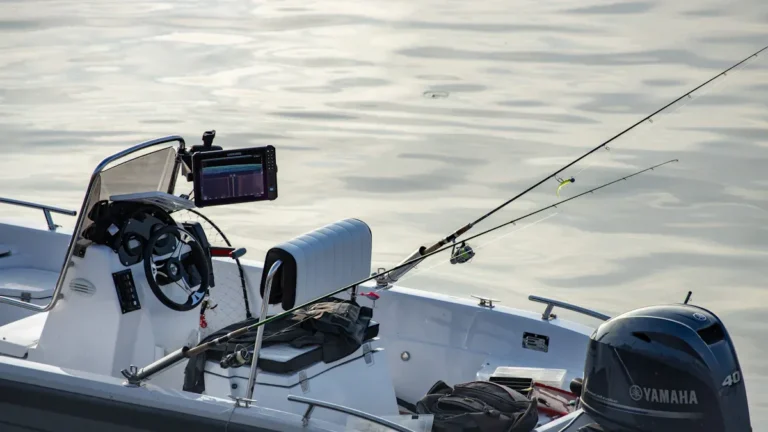
Choosing the right gear weight for where you fish matters more than you might suppose, because each platform changes how your rod feels, casts, and tires your body. You’ll notice shore ergonomics change as you stand and reach, so lighter, balanced combos ease fatigue. In a boat you can use slightly heavier setups because seating and brace points help. Kayak fishing favors moderate weights for seated casts and quick control. Wading asks for lighter, nimble gear to move and recover lures. Below is a simple guide that ties platform specifics to feel and choice.
| Platform | Recommended feel |
|---|---|
| Shore | Reachable, light, balanced |
| Boat | Stable, slightly heavier |
| Kayak | Moderate, maneuverable |
| Wading | Nimble, low fatigue |
| All | Match rod casting weight range |
Weight Guidelines for Common Species
Match lure and line weights to the species you’re after so casting feels natural and your chances of landing fish go up. You’re not alone figuring out species specific weights and seasonal adjustments. Consider target fish size, strike behavior, and local conditions to pick gear that feels like an extension of you.
- Bass: medium action rod, 6 to 12 gram lures for finesse, heavier for big swimbaits in summer.
- Trout: light rods, 1 to 6 gram lures, thin line, change for spring runoff.
- Pike and musky: heavy rods, large lures 30 grams plus, braid and wire leaders.
- Saltwater inshore: medium heavy rods, 10 to 40 gram lures, adjust for tides and wind.
These guidelines help your crew share setups and learn together.
Affordable Upgrades: Lighter Reels, Grips, and Counterweights
Lightening your setup with a few affordable upgrades can make casting feel effortless and put more fish on the end of your line. You’ll want to start with a lighter reel body and cartridges that cut weight without costing a fortune.
Swap in lighter bearings to reduce spool inertia and give you smoother, farther casts. At the same time choose grips with better shape and softer feel so your hands stay comfortable on long trips.
Ergonomic knobs on your reel let you crank in with less strain and stay connected to the fight. Small counterweights under the reel seat can tune feel without replacing the rod.
These choices fit most budgets and help you belong to a community that values comfort and performance.
Fixing Balance Problems: What to Replace First
After you swap in lighter reels, grips, and small counterweights, you’ll often notice whether the rod still feels off, and that feeling tells you what to replace initially. Use simple balance diagnostics by holding the setup at the reel seat and at the butt. Should tip droop replace a heavy tip top or add lighter guides. Should butt drag swap a heavier butt cap or add a compact counterweight. Should the feel shift during casts consider ergonomic swaps like shorter rear grips or lighter reel seats.
- Tip heavy feel: inspect guides and tip top for heavy metal
- Butt heavy feel: check butt cap and rear grip weight
- Front heavy on cast: evaluate lure weight pairing
- Wobble on retrieve: tighten reel seat and test balance
Pre-Trip Checklist to Optimize Gear Weight
Packing right makes the whole trip calmer and helps your casting feel natural from the initial cast. You’ll check rod and reel balance, confirm lure weight sits near rod casting weight middle, and swap any lures that overload the blank. Include a gear checklist with spare lines, proper leaders, and matched reels to avoid tip heaviness.
Don’t forget pre trip stretches to loosen shoulders and wrists so your form stays smooth. Pack a few rod options for tight spots and open water to match length and action. Lay out tackle in labeled bags so you can adapt lure weight quickly.
These steps help you belong to a group that values thoughtful prep and casting comfort every time.
Frequently Asked Questions
Can Rod Length Affect Casting Comfort More Than Rod Weight?
Yes - rod length can affect your casting comfort more than rod weight because rod balance and action flex change handling; you’ll feel posture, leverage, and responsiveness differences, so choose length that fits your body and technique.
How Does Humidity or Wet Grips Change Perceived Gear Weight?
Humidity and wet grips make gear feel heavier because water adds weight and increases drag on your line and hands, so you’ll grip tighter, tire faster, and rely on teammates’ tips to adjust balance and technique.
Do Heavier Lures Increase Hook-Up Rates Reliably?
Not reliably - heavier lures can help provided increased lure action triggers bites and you maintain proper hook setspeed, but too heavy or mismatched gear reduces feel; you’ll connect more once gear, technique, and timing align.
Can Clothing or Pack Weight Influence Casting Fatigue?
Yes - burdensome backpacks and bulky layered clothing increase shoulder strain; snug shoulder straps shift stress, so you’ll feel faster fatigue. Share lighter layers, slim packs, and supportive straps with friends to fish longer, together.
Are Counterweights Legal in Tournament Fishing?
Yes - tournament legality varies by event, so you’ll check rules initially; organizers often allow counterweights provided they don’t compromise angler safety. You’ll belong upon asking officials and peers before using them in competition.