Book Appointment Now

Fishing Ethics: How to Fish Responsibly
ByIMRAN
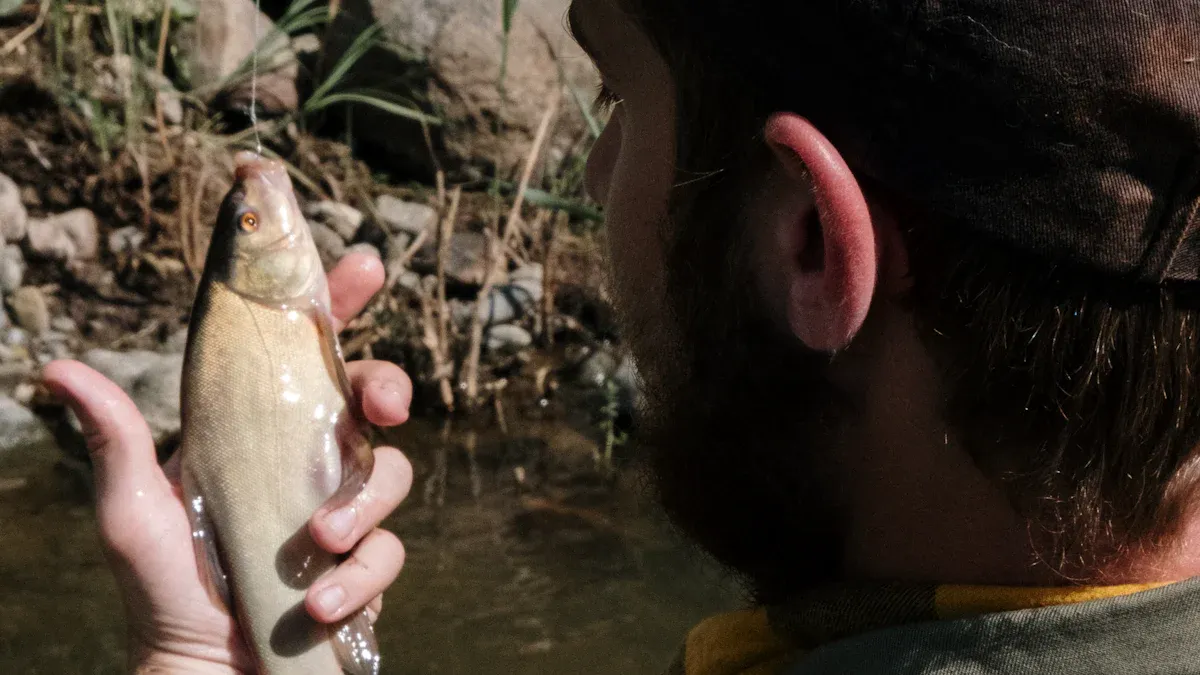
Fishing ethics play a crucial role in ensuring that you engage in sustainable fishing practices. Unsustainable fishing can lead to serious problems for our ecosystems. For instance, illegal, unreported, and unregulated (IUU) fishing affects 31 nations, undermining the balance of marine life. As a responsible angler, your behavior directly impacts fish populations. Research shows that adopting better catch-and-release techniques can help preserve these populations. By understanding and practicing fishing ethics, you contribute to healthier ecosystems and a more sustainable future for all.
Key Takeaways
Practice sustainable fishing to protect marine habitats and support biodiversity. This helps maintain healthy fish populations.
Use catch and release techniques to minimize harm to fish. Employ barbless hooks and handle fish carefully for better survival rates.
Stay informed about local fishing regulations. Understanding these laws helps you fish responsibly and avoid penalties.
Engage with local communities to promote sustainable fishing. Community involvement enhances fish populations and supports local economies.
Support conservation efforts through volunteering or donations. Your contributions help protect marine ecosystems for future generations.
Sustainable Fishing Practices
Benefits of Sustainability
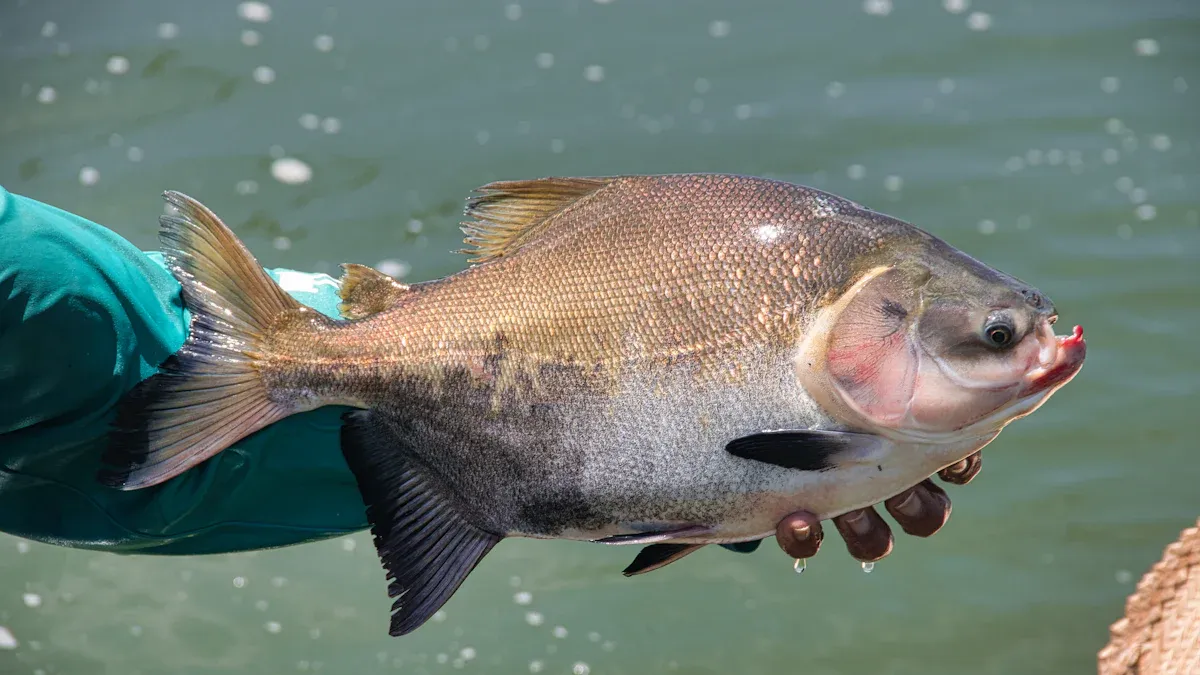
Sustainable fishing practices are essential for maintaining healthy fish populations and ecosystems. When you fish sustainably, you help protect marine habitats and support biodiversity. This approach prevents overfishing, allowing fish populations to reproduce effectively. Healthy fish populations contribute to the overall balance of marine ecosystems.
Here are some key benefits of adopting sustainable fishing practices:
Protection of Marine Habitats: Sustainable fishing methods minimize damage to underwater environments. They help preserve the delicate balance of marine life.
Maintenance of Biodiversity: By preventing overfishing, you support a diverse range of species. This diversity is crucial for resilient ecosystems.
Reduction of Bycatch: Sustainable fishing gear is designed to minimize bycatch, which protects vulnerable species from being unintentionally caught. This practice helps maintain the health of various marine species.
Using sustainable fishing gear also significantly reduces environmental impact. Many of these tools utilize biodegradable and recycled materials, which help decrease pollution in aquatic systems.
Catch and Release Techniques
Catch and release techniques play a vital role in responsible fishing. These methods allow you to enjoy fishing while minimizing harm to fish populations. Research shows that using non-offset, barbless circle hooks can reduce both lethal and chronic effects of recreational angling. This approach leads to higher survival rates for released fish.
Studies indicate that fish hooked in certain ways, such as gut- or gill-hooking, experience higher mortality rates due to injuries. By using barbless hooks, you can minimize tissue damage and allow for quicker releases. This practice not only benefits the fish but also enhances your fishing experience.
Here are some best practices for effective catch and release:
Handle Fish Carefully: Wet your hands before touching fish to protect their slime coating. This coating is essential for their health.
Minimize Air Exposure: Keep fish in the water as much as possible. Prolonged air exposure can stress them and lead to mortality.
Use Proper Tools: Employ tools like pliers to remove hooks quickly and efficiently. This reduces handling time and stress for the fish.
By adopting these catch and release techniques, you contribute to the conservation of fish populations and ensure that future generations can enjoy fishing as you do.
Fishing Ethics and Legal Regulations
Understanding Local Laws
Knowing local fishing laws is crucial for every angler. These regulations help protect fish populations and their habitats. They also ensure that you fish responsibly and ethically. Each region has specific rules that govern fishing practices. These rules can vary significantly between freshwater and saltwater environments.
Here’s a quick overview of how regulations differ:
Environment | Regulatory Authority | Key Regulations |
|---|---|---|
Freshwater | BC’s Ministry of Environment | General, regional, and water-specific regulations including catch quotas and size limits. |
Saltwater | Fisheries and Oceans Canada | Specific dos and don’ts, permitted gear, and area-specific regulations for ocean and estuary fishing. |
Freshwater Salmon | Fisheries and Oceans Canada | Separate management with specific quotas for salmon in freshwater environments. |
Understanding these laws helps you avoid unintentional violations. It also promotes sustainable fishing practices, which is essential for maintaining healthy ecosystems.
Staying Informed
Staying updated on fishing regulations is vital. Laws can change frequently, and being unaware of these changes can lead to unintentional infractions. Here are some resources to help you stay informed:
Ontario Fishing Transporting Fish
Ontario Fishing Regulations
Compliance with fishing regulations contributes to the sustainability of fish stocks. It helps manage fish populations within their ecosystems, preventing overfishing and habitat disruption. This management supports natural processes vital for breeding and migration. Ultimately, it ensures that you can enjoy fishing for years to come.
Violating fishing laws can lead to severe penalties. Here’s a summary of potential consequences:
Violation Type | Penalty Description |
|---|---|
Felony (e.g., counterfeit fishing license) | Fine up to $5,000 and up to five years in prison |
Misdemeanor (general infractions) | Fines up to $1,000 and possible jail time up to 365 days |
License Revocation | Fishing license may be revoked for up to three years |
By understanding and adhering to local laws, you not only protect yourself but also contribute to the preservation of aquatic ecosystems. This commitment to ethical practices ensures that future generations can enjoy the same fishing experiences you do today.
Respecting Wildlife and Habitats

Protecting Endangered Species
As an angler, you play a vital role in protecting endangered species. Many fish populations face threats from overfishing and habitat destruction. The United Nations’ Food and Agriculture Organization (FAO) reports that over one-third of global fisheries are overfished. This situation leads to ecological disruption, including the loss of predator-prey relationships. You should avoid targeting protected species to help maintain the balance of marine life. Here are some steps to help you avoid catching endangered species:
Know Your Target Species: Understand the species you are targeting and their behavior patterns to avoid unintended catches.
Study Local Fisheries: Research local fish species and their seasonal patterns to avoid bycatch.
Look for Fish Aggregation Areas: Familiarize yourself with hotspots for target species to minimize bycatch.
Know the Regulations: Always check local fishing regulations to avoid catching protected species.
Choose the Right Fishing Gear and Techniques: Use appropriate gear, such as circle hooks and barbless hooks, to reduce bycatch.
By following these guidelines, you contribute to the conservation of marine ecosystems and the well-being of marine species.
Responsible Anchoring Practices
Responsible anchoring is crucial for minimizing environmental impact. Improper anchoring can cause severe damage to sensitive habitats like coral reefs and seagrass beds. Here are some best practices for responsible anchoring:
Prefer bare sandy areas for anchoring, avoiding visible seagrass beds.
Use mooring balls to minimize environmental impact.
Employ the fender anchoring technique to prevent direct contact with sensitive seabeds, especially around coral.
Opt for precise, short-term anchoring to reduce habitat disturbance.
Utilize mooring buoys in sensitive areas to protect seagrass beds and coral reefs.
Improper anchoring can uproot or break the network of rhizomes in seagrass meadows, leading to erosion and damage. In the US Virgin Islands, coral reefs showed no signs of recovery even ten years after a cruise ship dropped anchor. By anchoring responsibly, you help protect these vital ecosystems and ensure the health of marine life for future generations.
Conservation and Community Engagement
Supporting Conservation Efforts
You can play a significant role in supporting conservation efforts. Many organizations work tirelessly to protect marine ecosystems and promote sustainable fishing practices. For example, the Center for Oceans, part of Conservation International, partners with over 150 organizations to restore coastal ecosystems. They focus on sustainable fishing to protect marine areas. Oceana also conducts research and advocates for policy changes. Their efforts have successfully protected millions of square miles of ocean and implemented measures against harmful fishing practices.
You can contribute to these efforts in various ways:
Volunteer: Check with local wildlife organizations for volunteer opportunities. Your time can make a difference.
Donate: Consider donating to private conservation groups. Your contributions help fund vital projects.
Participate in Activities: Join hands-on activities like beach cleanups and habitat restoration. These actions preserve aquatic environments.
Engaging with Local Communities
Engaging with local communities is essential for sustainable fishing outcomes. When you involve local fishers, you help protect the environment and ensure healthy fish populations. This balance is crucial for maintaining ecosystems. Community involvement can also enhance local economies by providing a steady supply of fish. This supply is vital for local markets and job security.
Community education programs play a key role in promoting fishing ethics. Programs like Love The Oceans teach children about marine biology and sustainable fishing. These students often share their knowledge at home, fostering discussions that can shift attitudes within families.
Successful community-led initiatives demonstrate the power of local engagement. For instance, the Chilika Lagoon initiative shows how local fishers organized to address environmental issues. In West Coast Vancouver Island, the West Coast Aquatic initiative includes First Nations in salmon management. These examples highlight how local communities can effectively manage fisheries and promote conservation.
By supporting conservation efforts and engaging with local communities, you contribute to a healthier marine environment. Your actions can help ensure that future generations enjoy the same fishing experiences you do today.
Fishing ethics are essential for becoming an ethical angler. You learned about sustainable practices that protect fish populations and marine ecosystems. By understanding local laws and respecting wildlife, you contribute to healthier habitats. Supporting conservation efforts and engaging with local communities further enhances your impact.
Adopting responsible fishing practices benefits future generations. Research shows that sustainable fish populations ensure food security and economic stability. Here’s a summary of the key benefits:
Benefit Type | Description |
|---|---|
Sustainable Fish Populations | Ensures that fish stocks remain healthy and viable for future generations. |
Marine Ecosystem Protection | Helps maintain biodiversity and the health of marine environments, crucial for ecological balance. |
Food Security | Enhances access to aquatic nutrition, supporting the livelihoods of coastal communities. |
Climate Change Mitigation | Reduces greenhouse gas emissions through efficient fishing practices and ecosystem restoration. |
Economic Stability | Promotes long-term profitability and job security in fishing communities. |
Resilience to Climate Impacts | Increases the ability of fish stocks and ecosystems to withstand environmental changes. |
By embracing these principles, you ensure that fishing remains a cherished activity for years to come.
FAQ
What is sustainable fishing?
Sustainable fishing means catching fish in ways that maintain fish populations and protect marine ecosystems. You can achieve this by following local regulations and using responsible fishing practices.
Why is catch and release important?
Catch and release helps preserve fish populations. By returning fish to the water, you allow them to continue reproducing, which supports healthy ecosystems for future generations.
How can I find local fishing regulations?
You can find local fishing regulations by visiting your state’s wildlife agency website or checking with local fishing shops. They provide updated information on rules and guidelines.
What should I do if I catch an endangered species?
If you catch an endangered species, release it immediately and report the catch to local authorities. This action helps protect vulnerable populations and supports conservation efforts.
How can I support conservation efforts?
You can support conservation efforts by volunteering with local organizations, donating to marine conservation groups, or participating in community clean-up events. Every action counts in protecting our oceans.