Book Appointment Now

9 Fishing Accessories Guide: Upgrade Your Setup Quickly

Upgrading fishing gear can make every trip more productive and enjoyable. Pick a spinning rod-and-reel combo that feels like an extension of your arm, spool quality line and replace it yearly, and organize lures and rigs in clear, compact boxes for fast access. Add lightweight pliers and a multi-tool for quick fixes, waterproof pouches for spare rigs and soft plastics, and polarized sunglasses to spot structure. Carry a portable fish finder, packable rod racks and magnetic trays to keep gear neat, and layer clothing with a stocked safety kit for changing weather and emergencies.
Top 3 Fishing Upgrades to Make First
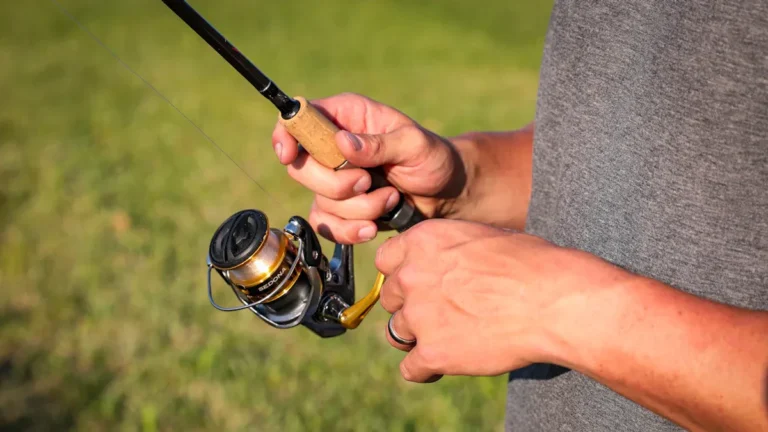
Start with the gear that actually changes your time on the water. You’ll want a reliable spinning rod and reel combo that feels like an extension of your arm so you’ll cast longer and stay engaged. Pair that with good line and learn knot tying basics to keep hookups solid and avoid lost fish.
Next, focus on line maintenance alongside checking for nicks, replacing line yearly, and spooling correctly to prevent twists. Add practical tools like needle nose pliers, shears, and a small tackle box so you’ll fix problems fast and keep company comfortable.
These upgrades help you belong to a group that cares about time well spent, keeps frustration low, and makes every trip more welcoming.
Best Lures & Baits to Improve Hookups
You’ll catch more fish whenever you match your lure to the species you’re after, because size, color, and action all trigger strikes.
For picky or pressured fish, try live baits like worms or minnows-they often get more hookups than artificials. Let’s compare which lures pair best with common species and at what points to switch to live bait for the best results.
Match Lure To Species
Matching the right lure to the fish you want to catch is part science and part feel, and once you get the hang of it you’ll observe more bites and better hookups. You want lures that match prey size, movement, and seasonal preferences, and you’ll notice color contrast matters when fish feed in different light. Trust your instincts, ask other anglers, and bring options so you belong to that patient, curious crew.
| Species | Lure Type | When to Use |
|---|---|---|
| Bass | Crankbaits, soft plastics | Warm months, around cover |
| Trout | Spoons, small spinners | Clear streams, initial season |
| Pike | Large spoons, topwater | Low light, weed edges |
Rotate sizes and colors until you feel confident and included.
Use Live Baits
Using live bait will change how often you get real strikes, and it can feel a little like sharing a secret with the fish; it’s natural, tempting, and hard for picky fish to ignore. You’ll feel more connected whenever you rig live worms or small minnows, and that connection builds confidence on the water.
Keep crickets storage simple and cool so they stay active, and use a bait box that breathes.
- Match size: pick live worms sized to your target species for natural presentation.
- Rigging tips: hook through the soft part to keep bait lively and longer lasting.
- Placement: present bait at feeding depth with a light weight and sensitive rod.
You’ll enjoy better hookups and shared stories with fellow anglers.
Compact Tackle Organizers for Quick Access
Consider a compact tackle organizer as your fishing day’s best friend, keeping small essentials within reach so you won’t miss a bite. You want gear that feels like it was made for the group you fish with.
Pick organizers with clear compartments so you can spot hooks, split shots, and swivels fast. Magnetic trays hold loose metal items secure on your boat or dock, and waterproof pouches protect spare rigs and soft plastics when weather turns.
Choose stackable boxes that tuck into your pack and have labeled lids so friends can borrow without chaos. Reflect on a wrist pouch for quick-access tools and a slim belt organizer for long casts.
These choices keep you ready, calm, and connected to your fishing pals.
Essential Fishing Multi-Tool & Pliers
You’ve got your compact tackle organizer sorted, and now it’s time to pick the pliers and multi-tool that’ll live in that clear compartment or wrist pouch. You want tools that feel like part of the crew, so reach for corrosion inhibitors upon metal parts and a magnetic sheath for quick access. Simple choices reduce stress on the water.
- Needle-nose pliers with wire cutters and split-ring tip for removing hooks and bending wire.
- Compact multi-tool with knife, crimper, and line cutter that folds neatly into the pouch.
- Lightweight pliers with textured grip and a magnetic sheath that clips to a belt or pack.
These tools work together, so you’ll stay prepared, safe, and welcomed by other anglers.
Lightweight, Packable Rod Racks for Travel
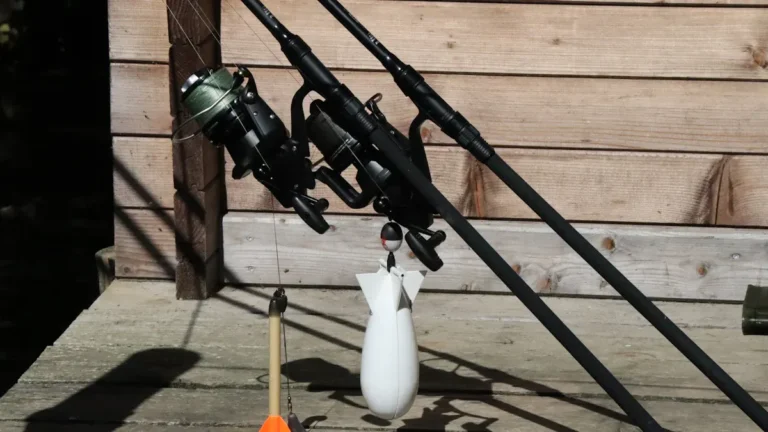
While packing for a trip, a lightweight, packable rod rack can feel like a small miracle, making gear easy to carry and keeping your rods safe without any extra hassle. You’ll appreciate collapsible rodstands that fold small and fit into backpacks. They save space and let you organize multiple rods without tangles.
Choose models with padded carbon sleeves to protect rod tips and guides whenever you stack rods together. You’ll feel part of a group that values smart gear choices. Look for quick-setup clips and straps that stay secure on bumpy drives.
Match rack size to your rods and cases so nothing moves. These racks make travel simple and keep your fishing buddies impressed with how ready you are.
Polarized Sunglasses for Spotting Fish
Good polarized sunglasses can often change the way you fish through cutting glare and letting you spot baitfish, structure, and shadows beneath the surface. You want polarized clarity to read water faster and feel more confident with your buddies. Lightweight frames sit comfortable on long trips and lens tint matches conditions so colors stay natural.
- Choose lenses that prioritize glare reduction and contrast so you see submerged logs, weed edges, and schools of bait.
- Pick fit and coverage that won’t slip whenever you cast and that keeps wind and sun out of your eyes.
- Try scratch resistance and lens coatings for durability on boats, banks, and in packs.
These choices help you belong to a group that values gear, skill, and time on the water.
Layered Fishing Clothing for Weather & Comfort
Once the weather turns unpredictable, layering your fishing clothes helps you stay comfortable, safe, and focused on the bite instead of the chill.
You start with a moisture wicking base next to your skin to pull sweat away so you stay dry and warm.
Add insulated midlayers for warmth whenever wind or drizzle shows up.
Top that with a lightweight waterproof shell that blocks rain and lets heat escape.
Include a hat, neck gaiter, and gloves that pack small but protect once temps drop.
Pick breathable fabrics so you don’t overheat during active moments.
Trust your fellow anglers and carry spare layers in your tackle bag.
You’ll feel part of the crew and ready whenever the fish bite.
Portable Fish Finders for Any Water
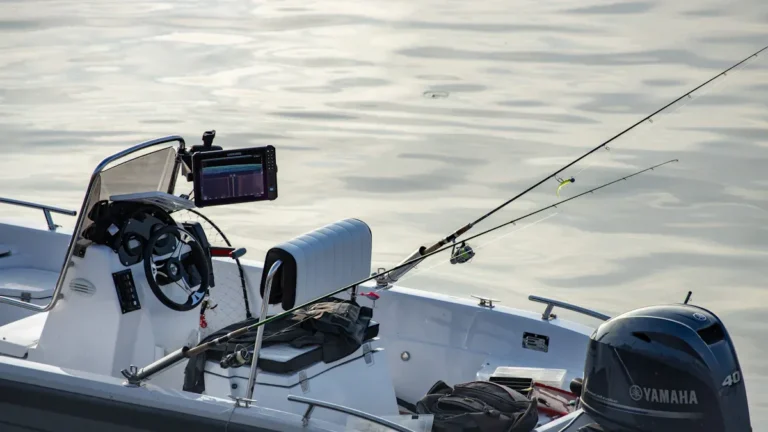
Provided you’re heading out to a new lake or slipping a kayak into a shallow creek, a portable fish finder can change the day from guessing to catching. You’ll feel more confident whenever you scan structure, depth, and fish arches with portable finders that fit a backpack or console. They’re light, simple to mount, and invite your friends to learn together.
- Choose a unit with clear screen and easy menus so everyone can jump in quickly.
- Look for dual frequency and CHIRP style imaging to read weeds, bait, and fish without fuss.
- For winter trips, pick models with ice sonar capability and rugged batteries that last.
These tools bring you closer to water and to each other while you learn.
Safety & First-Aid Basics Every Angler Needs
A great fish finder helps you read the water, but staying safe keeps you out on the water to enjoy more days like that. Whenever you pack for a trip, include personal flotation for everyone and a stocked first aid kit.
You’ll want bandages, antiseptic, tweezers for hooks, and sting relief. Learn simple care for hook wounds and splinters so you can act fast and calm others.
Tie safety skills to gear. Keep hydration prompts visible and set timers so you sip often. Layer sun protection with a hat and lightweight shirt.
Share responsibilities with your group so someone checks weather, radio, and floatation each hour. That way you build trust, stay comfortable, and keep fishing as a shared, safe joy.
Frequently Asked Questions
Can I Use Braid With My Pre-Spooled Spinning Reel?
Yes - you can use braid with your pre-spooled spinning reel, but check braid compatibility and spool capacity initially. You’ll want backing or proper spool filling, plus knots and a leader, so you feel confident and included.
How Do I Size Hooks for Different Fish Species?
Match hook size to fish mouth and bait: use a hook chart and check gape measurement-smaller sizes for panfish, mid-sizes for bass, larger for pike. You’ll feel confident choosing sizes together as anglers.
Are Wire Leaders Necessary for Freshwater Bass?
Boldly be cautious: you don’t always need wire leaders? For bass, they help with line abrasion and bite protection around teethy or abrasive cover, so you’ll fit right in using them selectively for confidence and fellowship.
What Maintenance Does a Fish Finder Require?
You’ll perform routine battery care, check transducer alignment, install software updates, and do gentle screen cleaning; invite fellow anglers to help, share tips, and keep gear reliable so you’re all ready for every trip together.
Can Split-Shot Damage Lightweight Lures?
Yes - ironically, you’ll believe tiny split shot impact is harmless, but it can dent or deform lightweight lures, compromising lure integrity and action; so you’ll want to use softer, smaller weights or clip them away from delicate plastics.