Book Appointment Now

14+ Essential Fishing Tips for First-Time Anglers
ByIMRAN
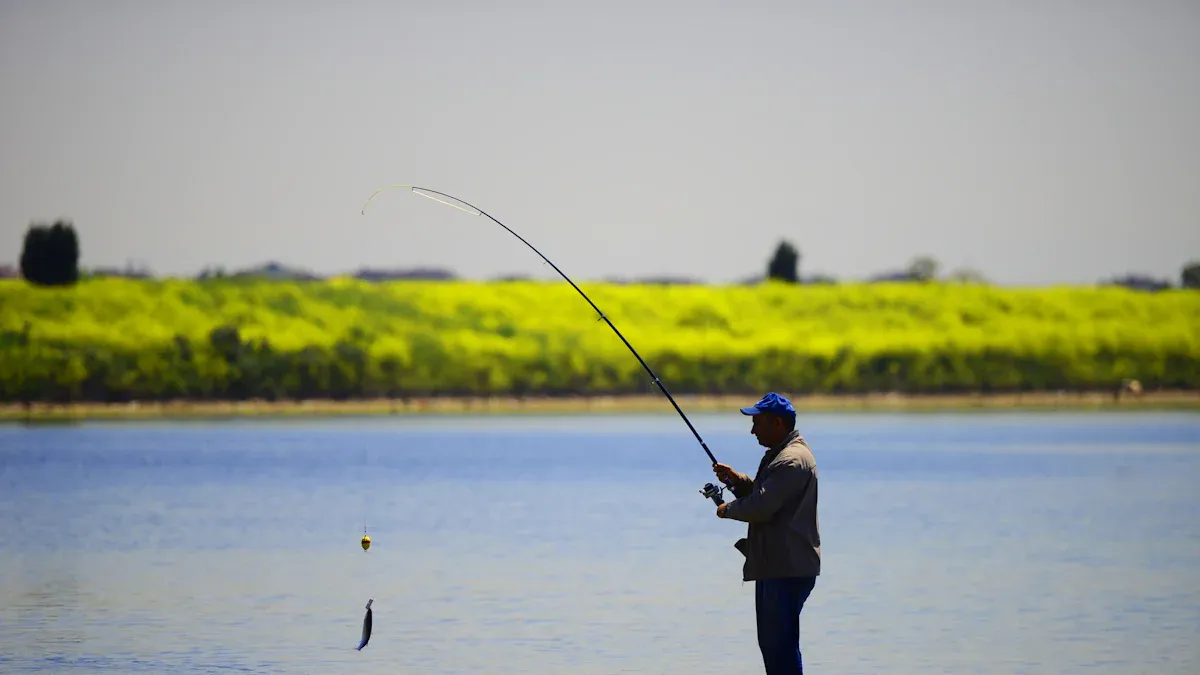
Welcome to the exciting world of fishing! If you’re one of the 4.2 million Americans who tried fishing for the first time this year, you’re in for a treat. Learning this new skill opens doors to outdoor adventures and peaceful moments by the water. Remember, preparation and a positive mindset are key to making your fishing experience enjoyable and successful.
To help you get started, here are some Essential Fishing Tips to keep in mind:
Many think winter fishing is unproductive, but ice fishing can yield great catches.
Weather might affect fishing, but fish often adapt to changes in pressure and light.
Embrace the journey and get ready to cast your line!
Key Takeaways
Prioritize safety by wearing a life jacket and carrying a first-aid kit. These items can save lives and ensure a safe fishing experience.
Practice casting regularly to improve your accuracy and distance. Use open areas for practice and set targets to enhance your skills.
Join a fishing community to learn from others and share experiences. Connecting with fellow anglers can boost your confidence and knowledge.
Getting Started
Fishing Basics
Before you head out, it’s crucial to grasp some fishing basics. Here are five essential skills every first-time angler should learn:
Fishing & Boating Safety: Always prioritize safety. Wear sun protection, stay hydrated, and ensure your boat is well-equipped.
Baiting a Hook: Learn how to secure the hook properly. Choosing the right bait can make a big difference in attracting fish.
Proper Casting Techniques: Practice casting techniques like spincasting and baitcasting. These skills will improve your chances of a successful catch.
How to Land a Fish: Understand the steps to land a fish once it’s hooked. This knowledge can save you from losing your catch.
Patience & Perseverance: Fishing often requires trying multiple spots and techniques. Developing patience is key to enjoying the experience.
Choosing a Location
Selecting the right fishing location can significantly impact your success. Here are some popular spots that are perfect for beginners:
Roaring River State Park, Missouri: This park offers easy access and regular trout stocking, making it ideal for new anglers.
Cedar Hill State Park, Texas: Known for its ‘Go Fish’ events, this park provides hands-on instruction and equipment borrowing.
Lake Ray Roberts State Park, Texas: Famous for hybrid striped bass, it features accessible fishing areas for everyone.
Pymatuning State Park, Pennsylvania: With free tackle loans and various fish species, it has many fishing piers for beginners.
Quabbin Reservoir, Massachusetts: This serene environment offers educational resources, perfect for novice anglers.
By understanding these basics and choosing the right location, you’ll set yourself up for a rewarding fishing adventure!
Essential Fishing Gear

Rod and Reel Selection
Choosing the right fishing rod and reel is crucial for your success as a beginner. A good combo can make your fishing experience enjoyable and productive. Here are some popular options to consider:
Combo Name | Best For | Reel Gear Ratio | Max Drag (lbs) | Rod Length Options | Pros | Cons |
|---|---|---|---|---|---|---|
Pflueger President Spinning Combo | Overall | 5.2:1 | 10 | 4’8″ to 7′ | Wide range of sizes, well balanced, super smooth reel. | Not built for saltwater |
Lew’s Mach Jacked Spinning Combo | Spinning | 6.2:1 | 14 | 6’10” to 7’2″ | Smooth drag, high-end guides, great rod sensitivity. | Pricey |
Daiwa D-Shock spinning combo | Lightweight | N/A | N/A | N/A | Perfect weight and price for beginners, easy casting ability. | N/A |
Zebco Youth 29-inch spincast combo | Kids | N/A | N/A | 29 inches | Designed for kids, won’t tangle, floats for safety. | N/A |
When selecting your fishing rod and reel, consider the type of fish you want to catch. A light spinning rod works well for smaller fish, while a medium to heavy rod is better for larger species.
Tackle and Bait
Your fishing tackle box should include essential items to help you catch fish. Here’s a list of what you’ll need:
Fishing Rod, Reel, and Line
First-Aid Kit
Tackle (floats, weights, hooks)
Fishing Apparel
Live Bait (like nightcrawlers)
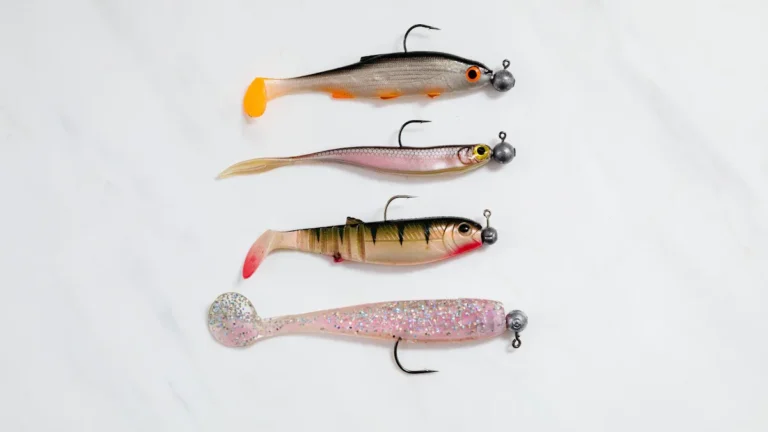
For targeting common freshwater fish, consider these effective lures:
Fish Species | Effective Lures |
|---|---|
Largemouth Bass | Plastic worms, poppers, jigs, crankbaits, spinnerbaits |
Smallmouth Bass | Plastic worms, jigs, crankbaits, spinnerbaits |
Bluegill | Small jigs, live bait, worms |
Crappie | Small jigs, live bait, minnows |
With the right gear and bait, you’ll be well on your way to enjoying your fishing adventures!
Essential Fishing Tips for Techniques
Casting Basics
Casting is one of the most fundamental skills you’ll need as an angler. Getting it right can make a huge difference in your fishing success. Here are some essential tips to help you improve your casting technique:
Practice Regularly: Regular practice builds muscle memory, which enhances both your accuracy and distance. Find an open area where you can practice without obstacles.
Target Drills: Set up targets at varying distances. This will help you sharpen your accuracy by hitting objects placed at different angles and distances.
Use the Right Technique: For situations with obstacles, consider sidearm or underhand casts. These techniques allow for quick, short casts without snagging.
Generate Power: Focus on using your legs and torso to generate power for longer casts. Make sure your movements are deliberate and efficient.
Here are some common casting mistakes to avoid:
Mistake | Explanation |
|---|---|
Being unprepared | This is the most frequent mistake. It can range from having only one type of bait to forgetting to charge batteries. A checklist can help avoid this. |
Not developing a game plan | Many fish concentrate in specific areas. Having a strategy is crucial. Consider your target species and adjust your approach accordingly. |
Being disorganized | Disorganization can hinder efficiency. Keeping your tackle organized allows for quicker access to necessary tools and increases your chances of catching fish. |
Avoiding cover | Many anglers avoid areas with cover due to fear of snagging, but these spots often hold fish. Techniques exist to fish around cover effectively. |
Not thinking seasonally | Relying on past experiences rather than current conditions can hurt your success. Adapting to seasonal changes leads to better results. |
Fishing too fast | Successful anglers often make multiple casts to the same area. Taking time to thoroughly cover an area increases your chances of a catch. |
Not paying attention | Observing the environment can provide valuable clues about fish behavior and improve your catch rates. |
Understanding Fish Behavior
Understanding fish behavior is key to becoming a successful angler. When you know how fish act, you can increase your chances of a successful catch. Here are some important aspects to consider:
Feeding Patterns: Fish gather in areas with abundant prey. For example, bass often hang around shad populations, while trout prefer insect-rich streams.
Seasonal Changes: Fish behavior changes with the seasons. In spring, fish become more active due to hatching insects, while in autumn, they feed aggressively to prepare for winter.
Water Reading: Learning to read the water can reveal where fish are likely to be. Look for areas where fast and slow water meet; these spots attract fish due to food abundance.
Matching the Hatch: Selecting the right bait based on local insect activity enhances your bait’s attractiveness. This can significantly improve your success rates.
Here are some tips to adapt your fishing strategy based on fish behavior:
Change your lure or bait to better match the current prey.
Vary your technique, such as adjusting retrieval speed or fishing depth.
Experiment with different locations if fish aren’t biting.
By mastering these casting techniques and understanding fish behavior, you’ll be well on your way to becoming a skilled angler. Remember, fishing is as much about patience and observation as it is about technique!
Safety and Preparation
Safety Gear
When you head out for a fishing trip, safety should always come first. Wearing the right safety gear can make a huge difference. Did you know that over 80% of drowning victims were not wearing a life jacket? That’s a staggering statistic! Here are some essential safety items you should always carry:
First-Aid Kit: A compact, waterproof kit stocked with bandages, antiseptic wipes, and personal medications is vital. You never know when you might need it!
Personal Flotation Device (PFD): Always wear a properly fitting PFD when you’re on a boat. It’s not just a good idea; it’s a lifesaver. Remember, most drownings involving anglers occur because they aren’t wearing one.
Here’s a quick look at some important statistics regarding life jackets:
Statistic Description | Percentage |
|---|---|
Drowning victims not wearing a life jacket | Over 80% |
Fatal drowning victims without a life jacket | 87% |
Drowning accounts for boating deaths | 76% |
By keeping these items handy, you can enjoy your fishing experience while staying safe.
Weather and Communication
Before you set out, always check the weather conditions. Weather plays a critical role in ensuring your safety while fishing. Understanding current and predicted weather patterns helps you make informed decisions. For instance, storms can develop quickly, and being caught unprepared can lead to dangerous situations.
Here are some steps to follow for checking the weather:
Use a Reliable Weather App: Check for updates on wind speed, precipitation, and temperature.
Look for Local Advisories: Pay attention to any warnings or advisories specific to your fishing area.
Additionally, filing a float plan is a smart move, especially if you’re fishing in remote areas. A float plan outlines your trip details and can be a lifesaver in emergencies. Here’s how to file one:
Provide Boat Details: Clearly describe your vessel, including its name, registration number, make, model, and any distinguishing features.
Outline Your Route: Include departure points, stops, and your destination.
List Emergency Contacts: Provide details about who to contact in case of an emergency.
Use a Template: A downloadable USCG float plan can help ensure you include all relevant information.
By taking these precautions, you can significantly reduce the risk of accidents and enjoy your fishing adventure to the fullest!
Catching Tips
Patience and Persistence
Fishing is not just about the catch; it’s about the journey. You’ll often find that patience and persistence are your best friends on the water. Here’s why:
Fish Don’t Always Bite: Sometimes, you might spend hours without a nibble. That’s okay! Enjoy the scenery and the peace that comes with being outdoors.
Try Different Techniques: If one method isn’t working, don’t hesitate to switch it up. Experiment with different baits or casting techniques until you find what works.
Stay Positive: Remember, every angler has off days. Keep a positive mindset, and you’ll enjoy the experience, regardless of the outcome.
Handling Caught Fish
Once you’ve hooked a fish, how you handle it matters. Proper handling ensures both your safety and the fish’s welfare. Here are some tips to follow:
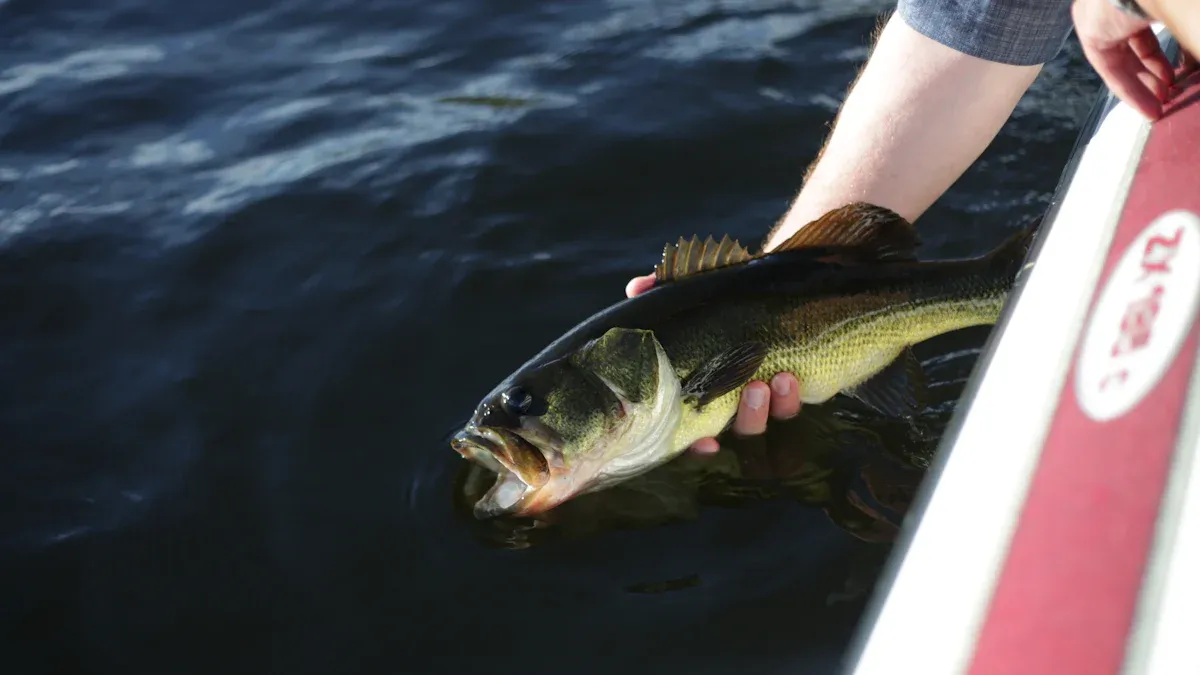
Wet Your Hands: Always handle fish with wet hands to protect their slime layer. This layer is crucial for their health.
Use a Landing Net: A knotless, rubber-coated net supports the fish’s weight without causing harm. Avoid holding fish by their jaw, gills, or eyes.
Minimize Handling Time: Remove hooks quickly and carefully. The less stress you put on the fish, the better its chances of survival.
Release Properly: When releasing, always do so head first into the water. This helps the fish recover and swim away safely.
By practicing patience and handling fish correctly, you’ll enhance your fishing experience and contribute to the health of aquatic ecosystems.
Learning and Community
Fishing Journal
Keeping a fishing journal can be a game-changer for you as a beginner. It helps track your progress and improves your skills over time. Here’s what you can include in your journal:
Date and Location: Note where you fished and the conditions.
Weather Conditions: Record temperature, wind, and any changes.
Bait and Techniques Used: Write down what worked and what didn’t.
Catch Details: Document the species, size, and number of fish caught.
By reviewing your entries, you’ll spot patterns and learn what works best for you. This practice can boost your confidence and make your fishing trips more successful!
Joining a Community
Joining a fishing community can enhance your learning experience. You’ll find support, share tips, and connect with fellow anglers. Here are some great options to consider:
Ladies, Let’s Go Fishing: Focuses on teaching women fishing skills through seminars and hands-on training. More Info
Future Angler Foundation: Aims to recruit new anglers and offers support for angling events. More Info
Local Department of Natural Resources: Provides programs like the Fishing Tackle Loaner Program, allowing beginners to borrow fishing gear. More Info
Family Fishing Clinics: Offered by state DNRs, these clinics teach basic fishing skills to all ages.
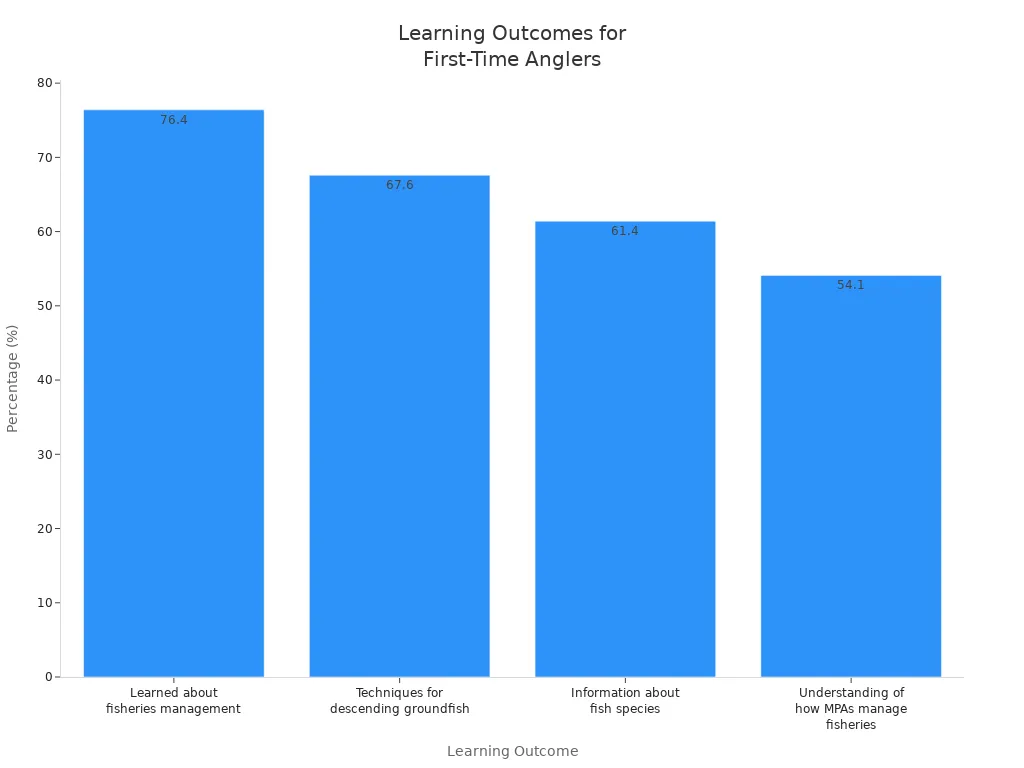
Participating in a community can significantly impact your learning curve. A recent study showed that 76.4% of respondents learned about fisheries management, while 67.6% picked up techniques for descending groundfish.
So, dive into the world of fishing communities and watch your skills grow!
Now’s the time to take the plunge and start your fishing journey! Remember, practice makes perfect. Each trip offers a chance to learn and enjoy nature. If you face challenges like unpredictable fish behavior or reading the waters wrong, don’t worry. Just experiment with different baits and techniques. Share your experiences and tips with fellow anglers. Happy fishing! 🎣
FAQ
What should I bring on my first fishing trip?
You should bring a fishing rod, reel, tackle, bait, a first-aid kit, and sun protection.
How do I know if I need a fishing license?
Check local regulations. Most states require a fishing license for anglers over a certain age.
What’s the best time to go fishing?
Early morning or late afternoon often yields the best results, as fish are more active during these times.