Book Appointment Now

Essential Fishing Techniques for Saltwater Fishing
ByIMRAN

Mastering saltwater fishing techniques significantly enhances your fishing experiences. Understanding various methods allows you to adapt to different fishing environments. Whether you prefer surf fishing, trolling, or bottom fishing, each technique offers unique advantages. You can increase your chances of a successful catch by learning about water conditions, fish behavior, and effective gear. Embrace these fishing techniques to make your time on the water more enjoyable and productive.
Key Takeaways
Understand tides for surf fishing. Fish gather in deeper areas during high tide. Plan your trips around these changes for better catches.
Choose the right gear for each fishing method. Use a 10-foot rod and a 4000 or 5000 series reel for surf fishing to handle larger fish.
Practice breath control in spearfishing. This skill helps you dive effectively and target fish while minimizing disturbances.
Monitor your trolling lines closely. Look for changes in tension to detect bites and adjust your speed based on the fish species.
Know where to fish for bottom fishing. Look for underwater structures like reefs and wrecks to increase your chances of a successful catch.
Surf Fishing Techniques
Tips for Success
Understanding tides is crucial for successful surf fishing. Tides influence fish behavior and feeding patterns. Fish often gather in deeper troughs or near sandbars during high tide. You should plan your fishing trips around these tidal changes to increase your chances of a good catch.
Here are some tips to enhance your surf fishing experience:
Pick the Right Spot: Look for areas where fish are likely to gather, such as deeper troughs, rip currents, or sandbars.
Cast Beyond the Breakers: Fish often hide just past the breaking waves. Use a long surf rod to reach these areas effectively.
Stay Steady on Unstable Ground: Wear proper footwear to maintain balance on soft sand or wet rocks. This stability helps you fish more effectively.
To improve your catch rates, remain scentless. Fish can detect human scents, which may scare them away. Wash your hands before handling bait and avoid using scented lotions or oils.
Essential Equipment
Having the right fishing gear is essential for surf fishing. Here’s a list of recommended equipment for beginners:
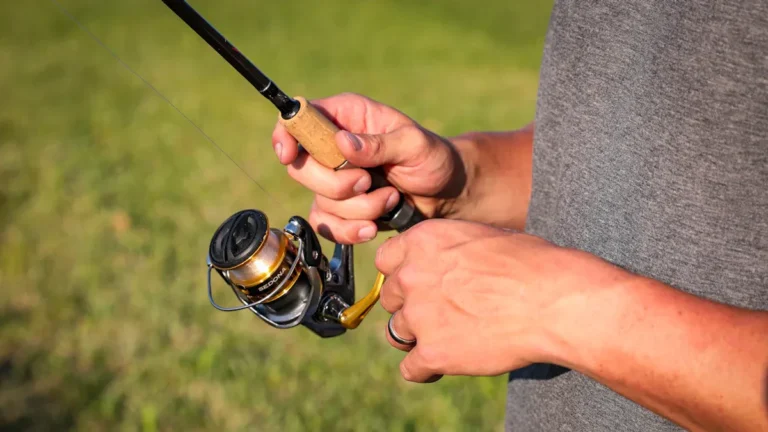
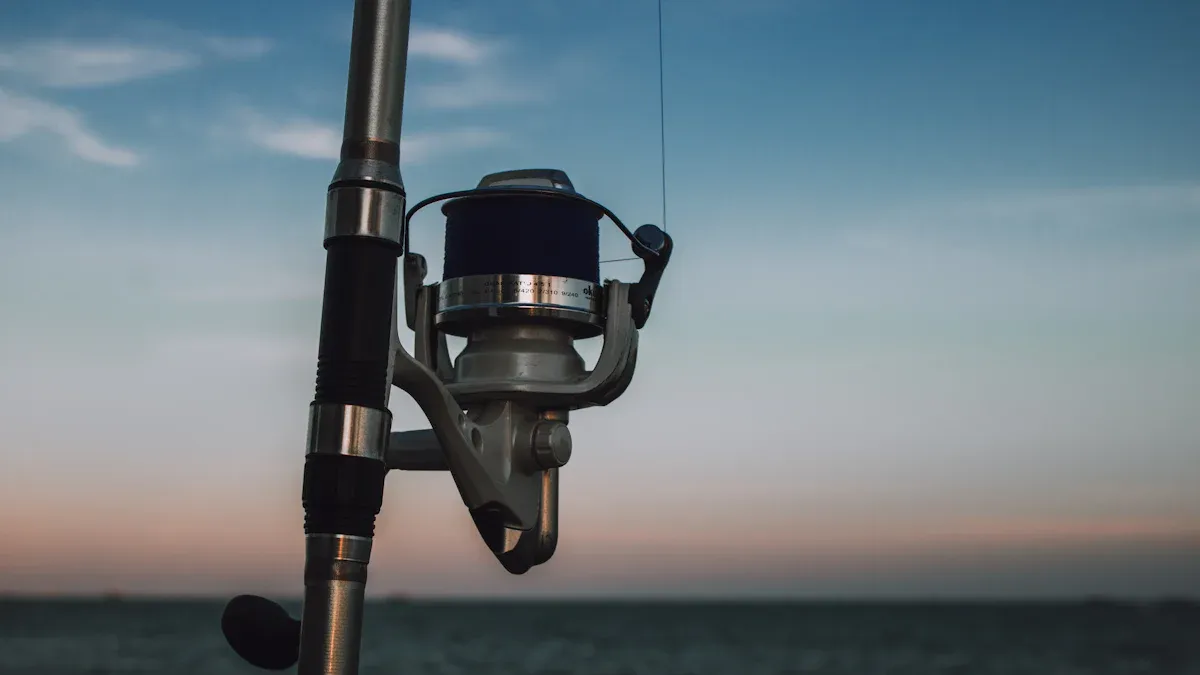
Rod and Reel: A 10-foot rod paired with a 4000 or 5000 series reel works well for surf fishing. This setup provides the necessary distance and strength to handle larger fish like pompano and flounder.
Line: Use a braided line rated for at least 20-30 pounds. Braided lines offer better sensitivity and strength, which is crucial when fishing in rough surf.
Sinkers: Pyramid sinkers are ideal for surf fishing. They hold well in the sand and allow your bait to stay in place against strong currents.
Bait: Effective bait types include paddletail baits, straight-tail baits, and stickbaits. Paddletail baits work well in daylight, while straight-tail baits are versatile for various conditions.
By understanding these surf fishing techniques and using the right equipment, you can enhance your saltwater fishing experiences.
Trolling Methods
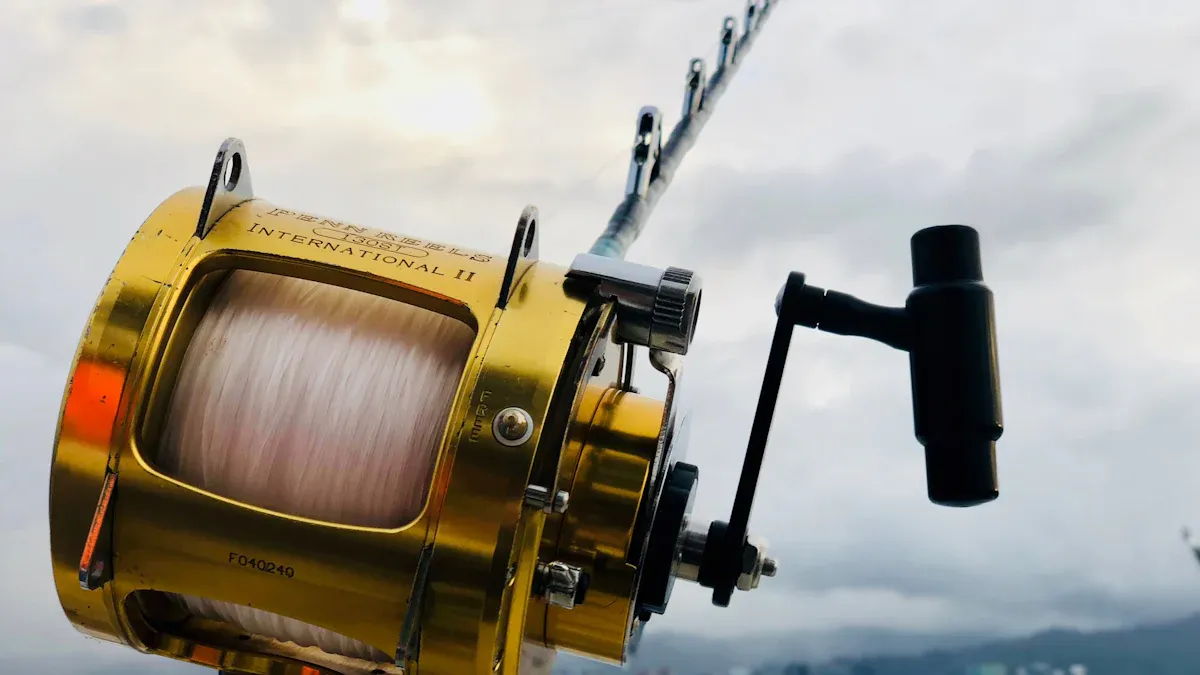
Trolling is a fishing method where you tow lines with bait behind a moving boat, typically at slow speeds. This technique allows you to cover large areas of water, increasing your chances of catching various saltwater species. Unlike other methods, such as casting or bottom fishing, trolling enables you to target fish that are actively swimming in the water column.
Best Practices
To maximize your success while trolling, follow these best practices:
Choose the Right Speed: Different fish species respond to various trolling speeds. Generally, a speed of 2 to 6 knots works well for most saltwater fish. Adjust your speed based on the species you target.
Use the Right Lures: Selecting the right lure can make a significant difference. Consider using plugs, jigs, or spoons based on the fish species you want to catch.
Monitor Your Lines: Keep an eye on your lines for any signs of bites. If you notice a sudden change in tension, it may indicate a fish has taken the bait.
Vary Your Depth: Fish often swim at different depths. Use downriggers or planers to adjust the depth of your lures. This strategy helps you find where the fish are feeding.
Here’s a quick reference table for effective trolling speeds and lure types for different saltwater fish species:
Lure Type | Recommended Trolling Speed | Effective Fish Species |
|---|---|---|
Plugs | Above idle speed | Spanish mackerel, striped bass, bluefish, trout, false albacore, jacks, ladyfish |
Jigs | Fairly slow | Striped bass |
Spoons | Up to 8 knots | Various saltwater species |
Deep diving plugs | Varies | Gag grouper |
Required Gear
Having the right gear is essential for successful trolling. Here’s a list of recommended equipment:
Reels: Look for brands like Shimano, Daiwa, or Penn. These brands offer reliable reels that can handle the demands of saltwater fishing.
Rods: Choose rods from St. Croix or Okuma. These rods provide the strength and flexibility needed for trolling.
Line & Leader: Use braided lines like PowerPro or Jerry Brown. These lines offer excellent sensitivity and strength.
Lures: Effective lures include Berkley and Yo-Zuri. These brands provide a variety of options to match your target species.
By following these best practices and using the right gear, you can enhance your trolling experience and increase your chances of landing a big catch.
Spearfishing Basics
Spearfishing is a unique method of fishing that involves using a spear to catch fish underwater. This technique allows you to target specific fish species directly, ensuring you catch only what you want. Unlike traditional rod-and-reel fishing, spearfishing leaves no trace in the environment. You engage physically by swimming and controlling your breath, making it an excellent workout. Additionally, spearfishing gives you access to diverse underwater locations that are often hard to reach with other fishing methods.
Techniques and Strategies
To succeed in spearfishing, consider these techniques:
Choose the Right Gear: Use a reliable spear gun or pole spear. Ensure your equipment is well-maintained to avoid malfunctions.
Practice Breath Control: Learn to hold your breath effectively. This skill is crucial for diving and targeting fish.
Scout Locations: Research and explore areas known for abundant marine life. Coral reefs and rocky structures often attract various fish species.
Stay Stealthy: Move slowly and quietly underwater. Fish can easily detect disturbances, so minimize splashing.
Safety Considerations
Safety is paramount when spearfishing. Here are essential safety tips:
Always Dive with a Buddy: This practice ensures you have help in case of emergencies.
Know Your Limits: Understand your physical capabilities to avoid dangerous situations.
Carry Essential Gear: Bring a dive knife for emergencies and a float to signal your location.
Be Aware of Hazards: Watch for strong currents, poor visibility, and dangerous marine life like sharks.
Additionally, improper handling of spearguns can lead to injuries. Regular maintenance of your equipment is crucial. Be cautious of shallow water blackouts due to hypoxia, which can occur if you push your limits without proper techniques.
By understanding these spearfishing techniques and safety considerations, you can enjoy this exciting form of fishing while minimizing risks.
Bottom Fishing Techniques
Bottom fishing is a popular method that targets fish species dwelling near the ocean floor. This technique offers several advantages over other saltwater fishing techniques. You can catch a wide variety of species, often resulting in multiple catches during a single trip. Additionally, bottom fishing is effective during optimal conditions, such as moving tides and low-light hours. You may experience the excitement of unpredictability, as you never know which species will take the bait next.
Techniques for Success
To succeed in bottom fishing, consider these fundamental principles:
Understand Fish Behavior: Knowing where fish congregate is crucial. Look for underwater structures like reefs, wrecks, or drop-offs.
Effective Rig Setups: Use rigs that suit the species you target. For example, the classic Northeastern Snafu rig works well for tautog and cod.
Boat Positioning: Your boat’s position significantly influences your catch success. Techniques like anchoring or drift fishing help you stay over productive spots.
When selecting saltwater fishing lures, consider water depth. Here are some tips:
Use lighter leaders to reach the bottom quickly. They are less noticeable to fish.
Choose a sinker that is just heavy enough to feel the bait and fish interactions.
Select the right hook size. A smaller hook improves bait presentation and increases your chances of hooking fish.
Gear Recommendations
Having the right gear is essential for bottom fishing. Here’s a table of recommended equipment:
Gear Type | Recommendation |
|---|---|
Rig | Knocker rig is versatile for structure fishing; Carolina and fish finder rigs are better for suspended fish. |
Mainline | Use 50 to 65 pound braided line for depths under 200 feet; 80 to 100 pound for deeper waters. |
Leader | Pair with 40 to 80 pound fluorocarbon leader for shallower depths; heavier for deeper. |
Bait | Live bait like pinfish and grunts for grouper; cut squid for snapper; whole squid for tilefish. |
By following these techniques and using the right gear, you can enhance your bottom fishing experience and increase your chances of landing a big catch.
In summary, mastering saltwater fishing techniques like surf fishing, trolling, spearfishing, and bottom fishing can significantly enhance your fishing experience. Remember to practice regularly, as consistent practice in challenging conditions improves your skills. Patience plays a vital role in achieving long-term success. As one angler noted, “Staying in one spot can lead to better results.” Embrace these techniques, respect the environment, and enjoy your time on the water. Happy fishing! 🎣
FAQ
What is the best time to go saltwater fishing?
The best time for saltwater fishing is during early morning or late afternoon. Fish are more active during these times, making it easier for you to catch them.
What type of bait should I use for saltwater fishing?
Live bait like shrimp, squid, or small fish works well. You can also use artificial lures that mimic the movement of prey to attract fish.
How do I know where to fish?
Research local fishing reports and maps. Look for underwater structures, such as reefs or wrecks, where fish tend to gather. Tides and weather conditions also affect fish behavior.
What safety gear do I need for saltwater fishing?
Always wear a life jacket and bring a first aid kit. Sunscreen, sunglasses, and a hat protect you from sun exposure. A cooler for your catch keeps your fish fresh.
Can I fish from the shore?
Yes, shore fishing is popular and effective. Look for areas with access to deeper water, such as jetties or piers, where fish are likely to congregate.